Why Pre-Travel Health Planning Is Non-Negotiable
Getting sick abroad isn't just uncomfortable - it can derail your whole trip, leave you navigating an unfamiliar healthcare system, or result in serious medical costs without proper insurance. The good news is that most travel health risks are predictable, and preparation genuinely makes a difference.
This checklist covers the core steps US-based travelers should work through before any international trip. It's designed to be practical and straightforward, not alarmist. Use it alongside a conversation with a qualified healthcare provider - your specific itinerary, health history, and destination all shape what's right for you.
If you're also thinking through the broader logistics of leaving home, the pre-trip checklist is a solid companion resource that covers passports, insurance, and other essentials beyond health.
This Is General Information, Not Medical Advice
Everything in this article is intended as general educational guidance for planning purposes only. Health needs vary significantly based on individual medical history, destination, and activities. Always consult a qualified healthcare professional - ideally a travel medicine specialist - before making any health decisions for your trip.
Vaccine Timing Matters More Than You Think
Some vaccines require multiple doses spread across several weeks, while others need time to become effective after a single dose. Starting the process fewer than four weeks before departure may leave you unprotected or unable to receive certain vaccines on the required schedule. Don't leave this until the last minute.
How to Use This Checklist
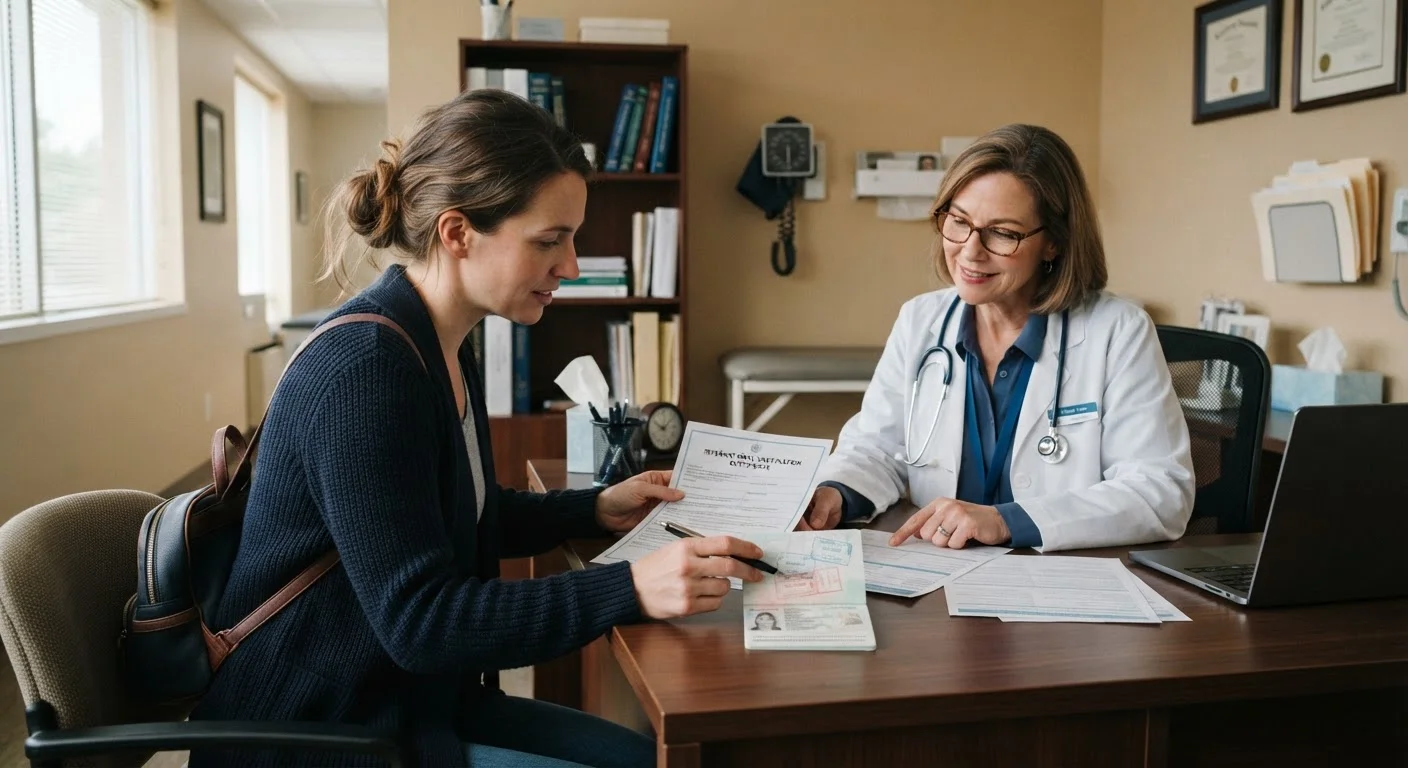
Work through each group in order. The Medical Consultation group should happen first - ideally 4-6 weeks before your departure date - since some vaccines require lead time. The remaining groups can run in parallel once you've had that initial appointment.
Items marked must are non-negotiable for most travelers. Items marked should are strongly recommended and worth discussing with your provider. Items marked nice to have are optional enhancements that can reduce discomfort or risk at the margins.
CDC Traveler's Health Website (wwwnc.cdc.gov/travel)
Provides destination-specific vaccine recommendations, health notices, and disease outbreak alerts.
Travel Medicine Clinic
Offers specialized pre-travel health consultations and administers destination-specific vaccines not always available at a GP's office.
US State Department Travel Advisory Portal
Provides current safety and health risk levels for every country to help you assess destination conditions.
Travel Health Insurance Policy
Covers emergency medical treatment, hospitalization, and medical evacuation costs abroad that domestic US insurance typically does not.
Physical Medication Documentation Letter
A signed letter from your doctor confirming your prescriptions, useful at customs and foreign pharmacies.
Insect Repellent (DEET or Picaridin-based)
Reduces risk of mosquito-borne illnesses such as malaria, dengue, and Zika in affected regions.
Medical Consultation
Prescriptions and Medications
Health Insurance and Documentation
Destination Health Research
Researching Your Destination's Health Risks
Not every destination carries the same risks. A trip to Western Europe has a very different health profile than a trek through Southeast Asia or sub-Saharan Africa. The CDC Traveler's Health website is the most reliable starting point for US travelers - it provides destination-specific vaccine recommendations, disease outbreak notices, and food and water safety guidance.
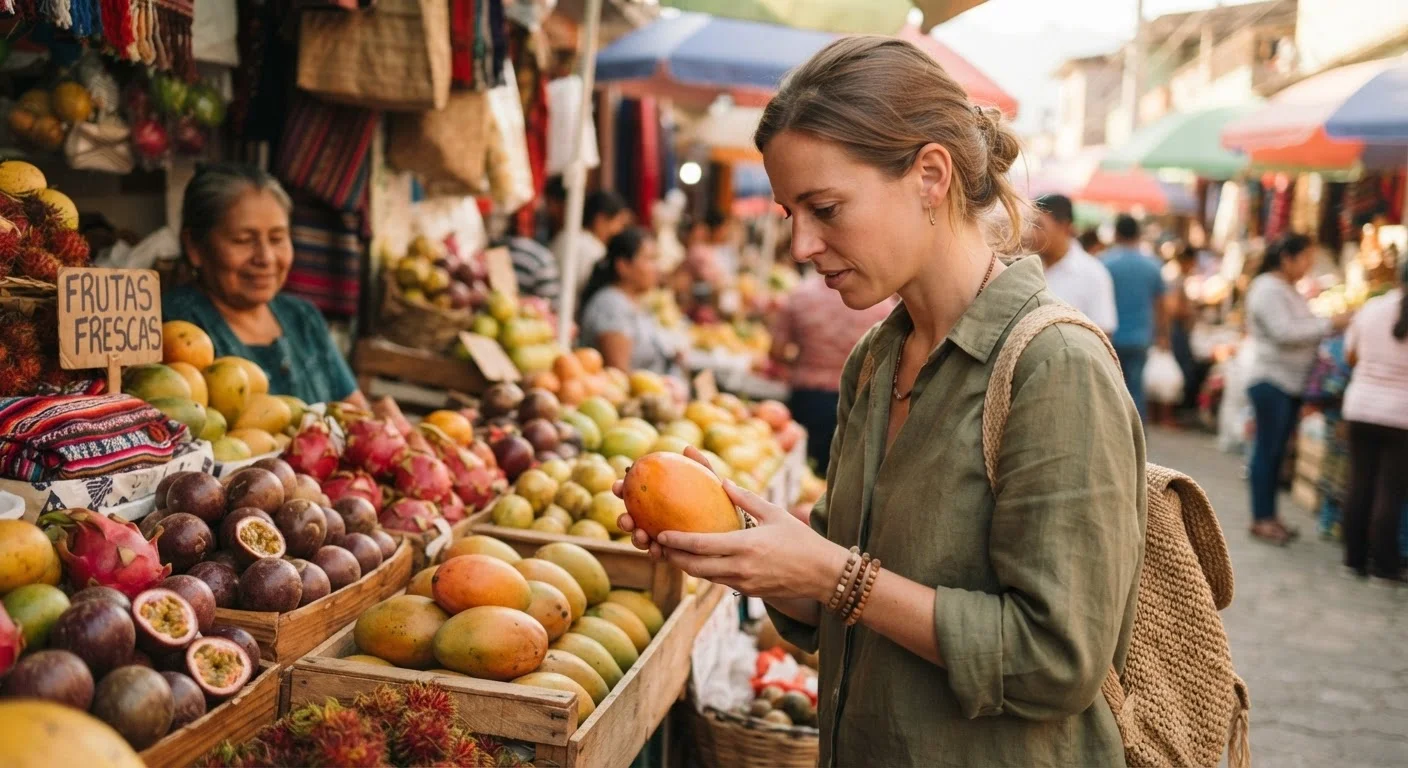
Food and water safety deserves particular attention. Traveler's diarrhea is among the most common illnesses affecting international travelers, and it's largely preventable with the right precautions. Our article on food and water safety abroad goes deeper on what actually works and what's mostly myth.
If this is your first international trip and the health and safety landscape feels overwhelming, our introduction to travel safety for first-timers breaks the foundations down in plain language.
Don't Rely on Destination Pharmacies for Prescription Refills
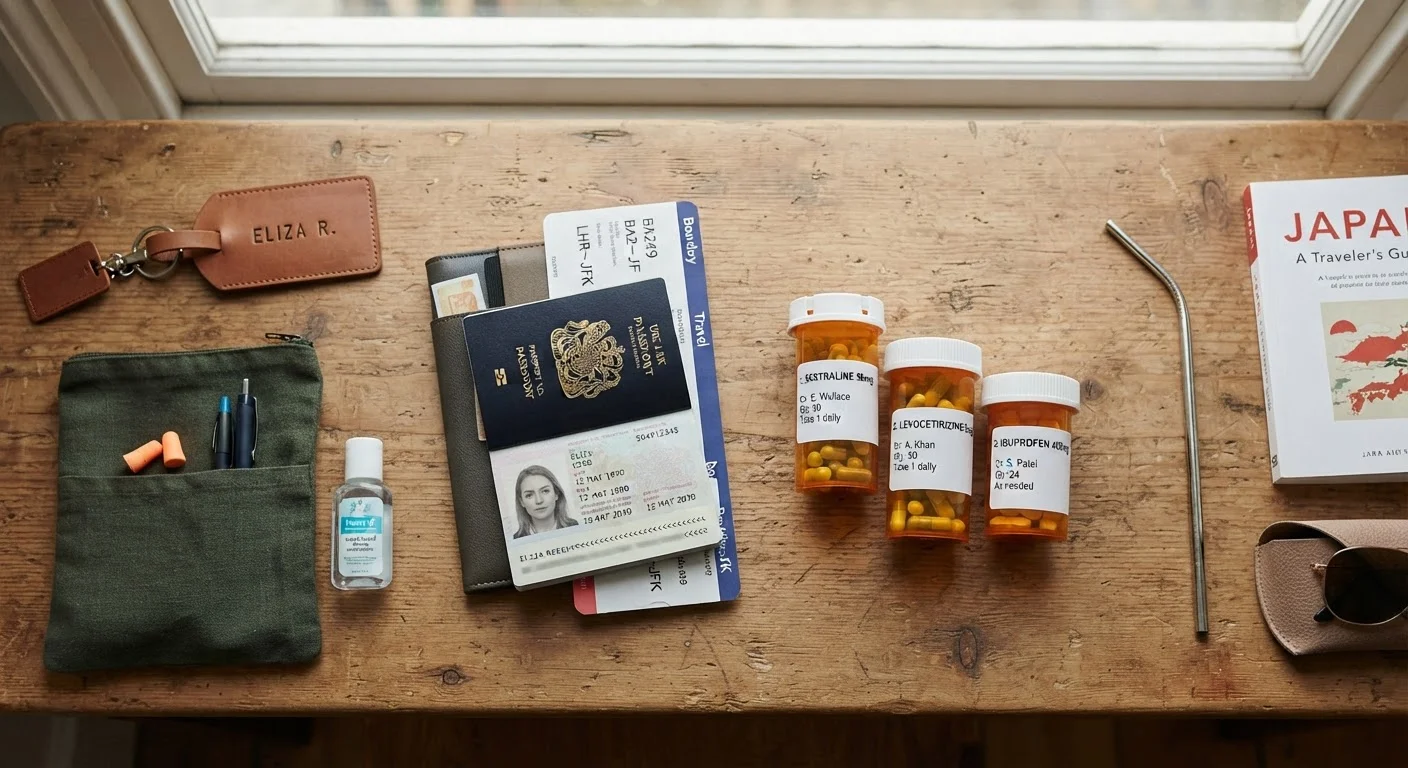
Medication names, formulations, and legal status vary by country. A drug available over the counter in the US may be prescription-only - or illegal - elsewhere, and vice versa. Never assume you can replace a critical medication on arrival. See our guide on carrying prescriptions abroad for more detail.
Entry Requirements Can Change Without Notice
Vaccination requirements for entry (such as yellow fever proof) and health documentation rules are set by individual governments and can change at any time. Always verify current requirements directly through the destination country's official government website and your airline before departure.
What to Do If You Get Sick Anyway
Even thorough preparation doesn't guarantee you'll stay healthy - illness abroad happens. Knowing what to do before you leave means you won't be figuring it out in a panic when you're already unwell in an unfamiliar city.
Make sure you know how to access care at your destination: the local equivalent of emergency services, whether your accommodation can recommend a clinic, and how your travel health insurance works in practice (including how to file a claim or request a cashless payment arrangement). Our related guide on getting medical care in a foreign country covers what to realistically expect when navigating hospitals, pharmacies, and emergency services abroad.
Keep a card in your wallet - or a note on your phone's lock screen - with your insurance policy number, the emergency assistance line, and the contact for your nearest embassy or consulate. These small preparations cost nothing and can matter enormously.
This article is for general informational purposes only and does not constitute medical advice. Consult a qualified healthcare professional for guidance specific to your health history and travel plans.