How Healthcare Systems Differ by Country
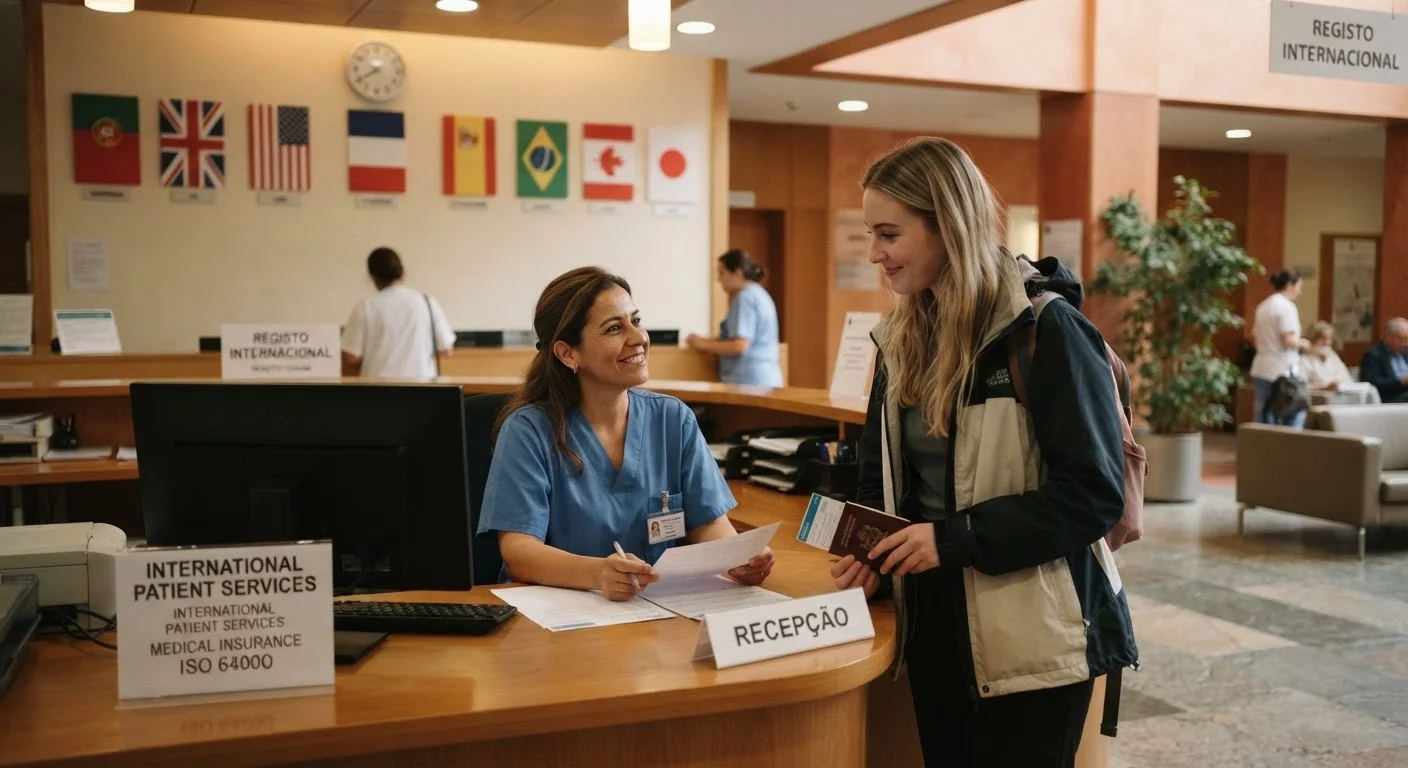
Healthcare abroad doesn't follow a universal playbook. In some countries, public hospitals provide free or low-cost care to anyone - including visitors. In others, even basic treatment requires upfront payment before a doctor will see you. Quality ranges from world-class facilities in major cities to under-resourced clinics in rural areas of the same country.
In much of Western Europe, Canada, and Australia, public healthcare is government-funded and often accessible to travelers in genuine emergencies. In many parts of Southeast Asia, Latin America, and Africa, private hospitals in urban centers tend to offer better-equipped care but come with out-of-pocket costs. Understanding this spectrum before you land is half the battle.
Medical evacuation
Emergency transport - often by air - to move a patient from a location with insufficient care to a better-equipped facility, sometimes including repatriation to their home country. This can be extremely expensive without insurance.
Travel health insurance
A type of insurance policy that covers medical costs incurred while traveling internationally, including emergency treatment, hospitalization, and sometimes evacuation. It is separate from standard domestic health insurance.
Generic medication name
The scientific or chemical name of a drug, as opposed to a brand name. Generic names are consistent across countries, making them more reliable when seeking medications abroad.
Direct billing
An arrangement where your travel insurer pays the hospital directly rather than requiring you to pay out of pocket and seek reimbursement later. Not all providers or countries offer this.
Embassy referral
A recommendation from your country's embassy or consulate for a local doctor, hospital, or medical service that is known to meet acceptable standards and can communicate in your language.
For broader destination research that covers more than just healthcare, see our pre-arrival research guide - it covers transport, safety, and local systems worth knowing in advance.
Before You Need a Doctor: What to Prepare
The best time to sort out your medical safety net is before your flight departs. Here's what to have in order:
- Travel health insurance: Standard US health insurance rarely covers international care. A dedicated travel insurance policy with medical evacuation coverage is worth the cost - evacuation alone can run into tens of thousands of dollars without it.
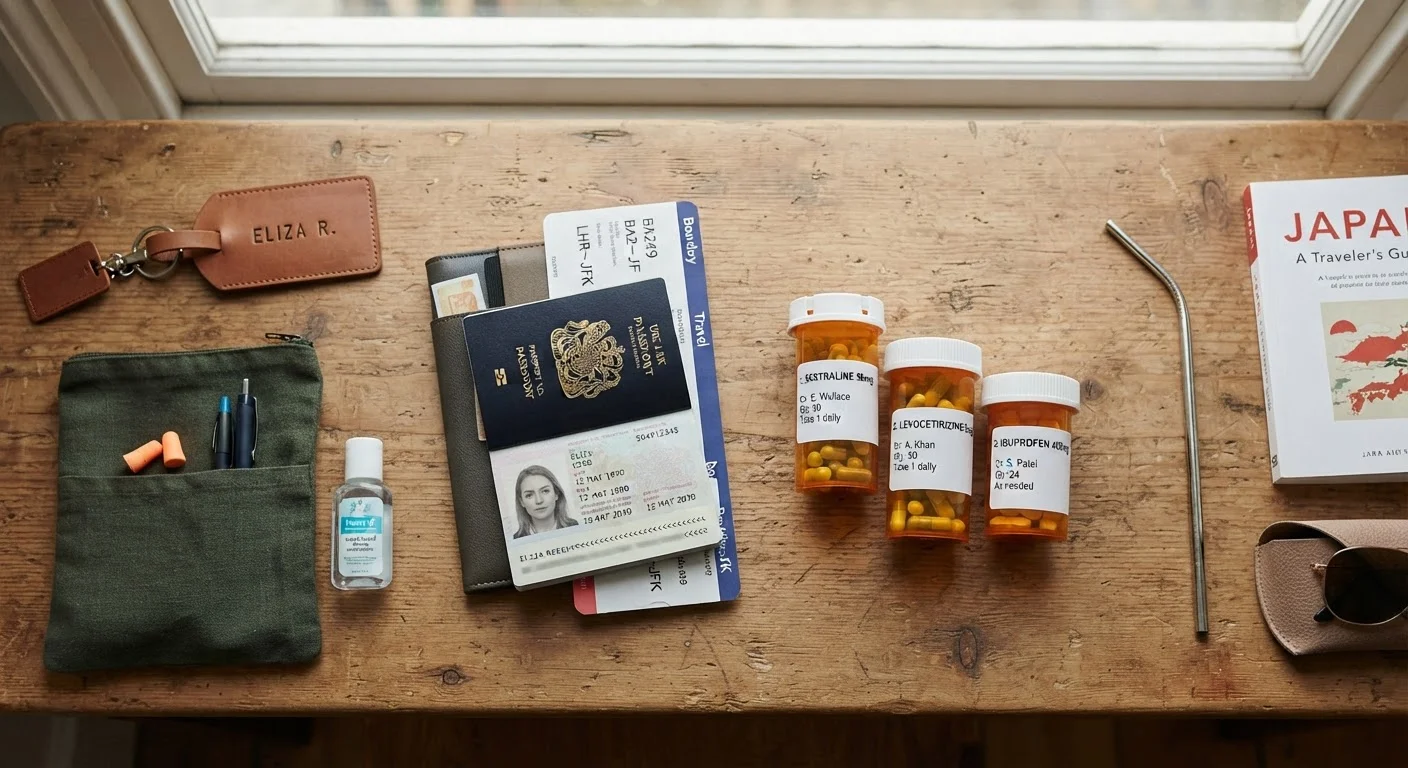
- Medical summary document: A one-page summary listing your blood type, allergies, current medications (with generic names), and any chronic conditions. Keep it in your bag and on your phone.
- Your insurer's emergency contact number: Save it in your phone before departure. Most policies include a 24/7 international assistance line.
- Embassy contact details: The US State Department's website lists embassy and consulate contacts for every country. These offices can provide physician referrals and assist in emergencies.
Pack a Written Medication List
Write out every medication you take using its generic name, the dose, and your prescribing doctor's contact. Store a printed copy in your travel documents and a digital copy in your phone's notes or photos. This single step can prevent dangerous errors if you need care from a provider who doesn't speak your language.
If you take prescription medications, read our guide on carrying prescription drugs across borders - the rules are more complex than most people expect.
Using Pharmacies Abroad
Foreign pharmacies can be a practical first stop for minor ailments - a stomach bug, mild infection, or allergic reaction. In many countries, pharmacists have broader authority than in the US and can recommend or dispense treatments for common conditions without requiring a doctor visit.
Look for a pharmacy marked with a green cross (common across Europe) or ask your hotel. Urban pharmacies in tourist areas frequently have English-speaking staff. Be specific about your symptoms and mention any medications you're currently taking to avoid interactions.
Do not assume that brand names translate across borders - many medications are sold under different names internationally. Knowing the generic (chemical) name of any medication you need is more reliable than asking for a brand name. This is another reason to carry a written medication list with generic names included.
Handling a Medical Emergency
If something serious happens, your first steps matter. Here's a straightforward framework:
- Call the local emergency number. Look this up before you arrive - 112 works across most of Europe, but other regions have different numbers. Keep it written down, not just in your memory.
- Contact your travel insurance provider. Do this as soon as you're stable. They can authorize care, arrange direct billing, and - if needed - coordinate medical evacuation.
- Go to a private hospital if possible. In countries where care quality varies, private facilities in city centers often offer faster, better-resourced treatment. Your insurer can recommend options.
- Notify your embassy. In serious situations, your country's embassy or consulate can help locate resources and communicate with your family back home.
For a fuller picture of travel safety fundamentals, this grounded introduction to travel safety is a useful companion read.
Paying for Care and Working With Insurance
Outside of countries with traveler-inclusive public health systems, expect to pay upfront - especially at private hospitals. Keep a credit card with available capacity accessible. Costs vary widely: a clinic visit in Southeast Asia might run $30-$80 USD, while the same in Switzerland could be several hundred dollars or more.
Save every receipt, diagnosis document, and prescription you receive. Your insurer will need these for reimbursement. Take photos of them as backup. When you return home, file your claim promptly - most policies have a deadline.
Upfront Payment Is Common - Be Prepared
Many hospitals abroad, particularly private ones, will ask for a deposit or full payment before treating non-emergency cases. This is standard practice in many countries and not a sign of poor quality. Always carry a credit card with available credit and know your insurer's emergency billing contact to avoid being caught off guard.
This article is general travel health information and is not a substitute for professional medical advice. Always consult a qualified healthcare professional for personal medical decisions. For broader trip planning context, including managing costs abroad, see our first budget trip abroad guide.
This article is for general informational purposes only and does not constitute medical or financial advice. Verify all health, insurance, and entry requirements with official sources and qualified professionals before traveling.