Choosing a Destination That Fits Your Budget
The single biggest lever on your travel budget is where you go. A week in a high-cost country like Norway will cost roughly three to four times more than the same week in Portugal, Vietnam, or Colombia - before you even factor in flights. For a first international trip, choosing a destination with a favorable cost of living for US travelers removes enormous pressure from every other decision you make.
Think in terms of three cost tiers:
- Lower-cost destinations (Southeast Asia, Central America, Eastern Europe, parts of South America): daily all-in budgets can be modest without sacrificing comfort or experience.
- Mid-range destinations (Southern and Central Europe, Mexico, Japan outside major holidays): requires more planning but very manageable with discipline.
- Higher-cost destinations (Scandinavia, Western Europe, Australia, New Zealand): achievable on a budget but demands tighter control and a longer savings runway.
Beyond cost-of-living, consider flight distance. A closer destination means lower airfare, which often dwarfs all other savings combined. For US travelers, Mexico, Central America, and the Caribbean offer relatively short flights. For a more immersive first experience at modest cost, Portugal and the Czech Republic are frequently cited as accessible entry points into Europe.
Building a Realistic Travel Budget
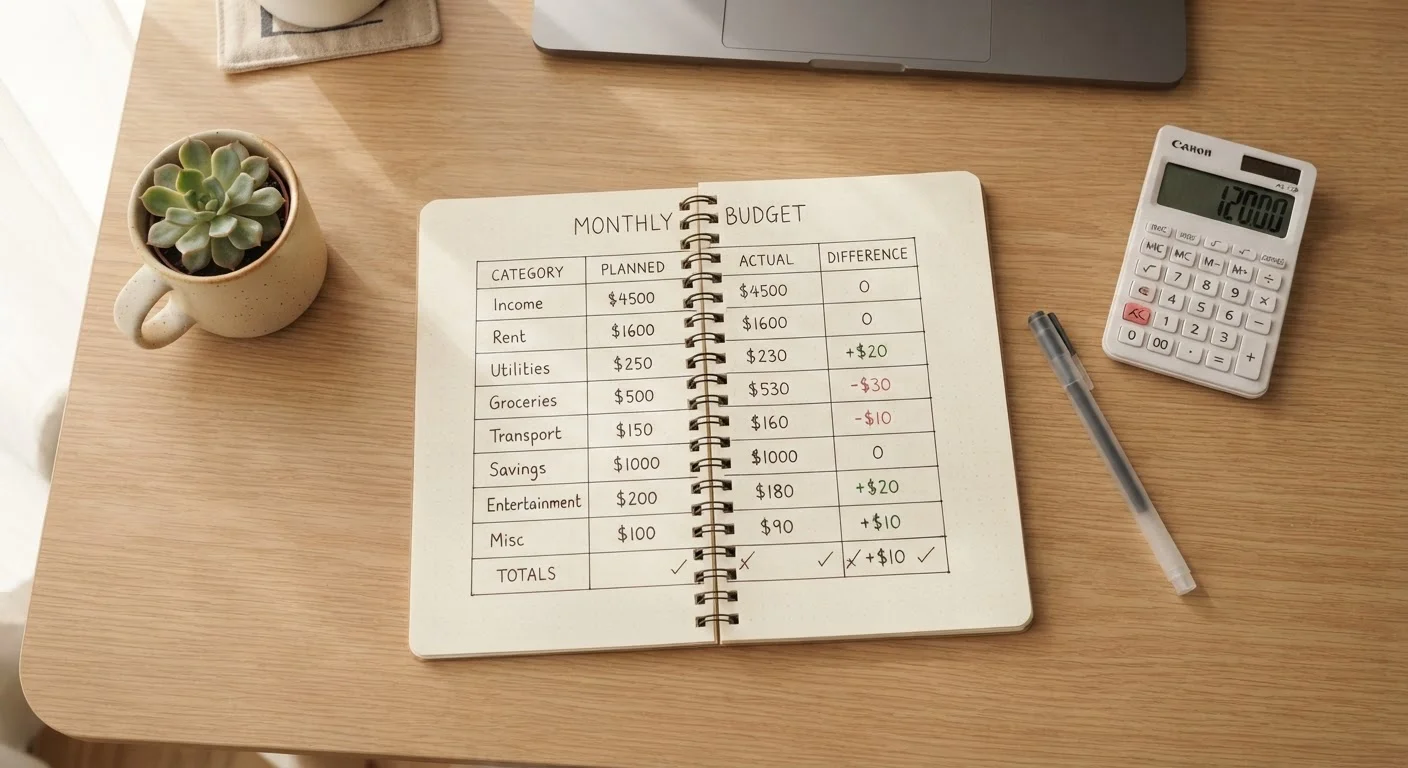
Vague intentions to "spend as little as possible" fail almost every time. A written budget with explicit line items keeps you honest before and during travel. If you have never built a personal budget before, our step-by-step budget walkthrough is a practical starting point.
Structure your travel budget around these five categories:
- Flights - often the largest single expense; research early and be flexible on dates.
- Accommodation - hostels, guesthouses, and short-term rentals vary widely; set a per-night ceiling.
- Food and drink - eating where locals eat cuts this dramatically.
- Transport - in-country buses, trains, or metro passes versus taxis.
- Activities and entrance fees - many museums and attractions have free or reduced-price windows.
Add a contingency fund of at least 15-20% of your total. Unexpected costs - a missed connection, a minor illness, a lost item - are not rare edge cases; they are a normal part of travel. For a more structured approach to organizing the full planning process, see the trip planning from scratch guide.
Track as You Go, Not After
Reviewing spending at the end of a trip tells you what went wrong but can't help you correct it. Log major purchases daily - a quick notes-app entry takes under 30 seconds. Catching an overspend on day three gives you five days to adjust; catching it on the last day gives you nothing.
Flights, Accommodation, and Transport
Flights and accommodation together typically account for 50-70% of a total trip budget. Getting these right matters more than cutting corners on coffee.
Flights
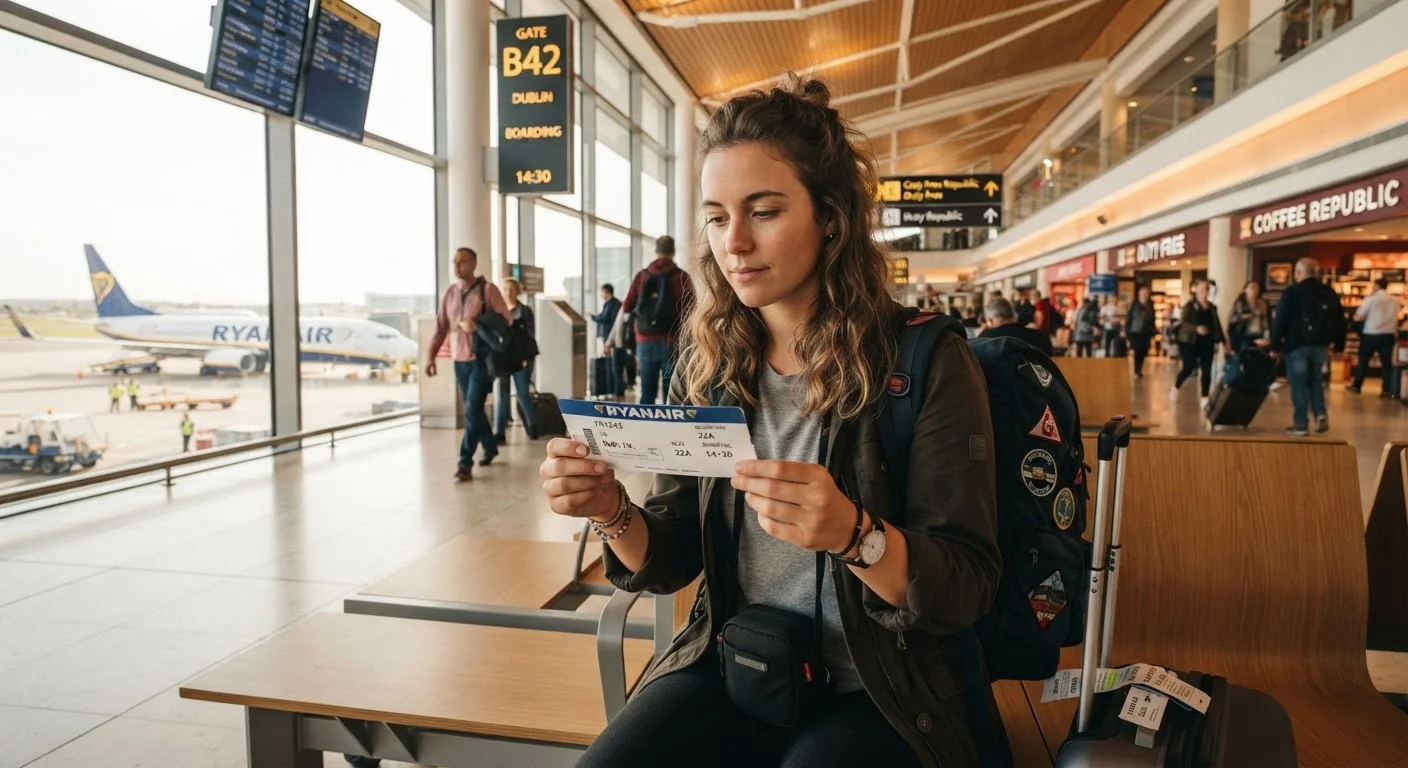
Use fare comparison tools to understand the price range for your route, then book when you find a price within that range rather than chasing a hypothetical low. Flexibility on departure day - even shifting by one day - frequently surfaces lower fares. Shoulder season travel (the weeks just before and after peak tourist periods) tends to produce better prices and thinner crowds.
Accommodation
Hostels with mixed dormitory rooms remain the most reliable budget option in most destinations. Many now offer private rooms at rates still well below hotels. Guesthouses and family-run pensiones are another strong option in Southern Europe and Latin America. Read recent reviews focusing on safety, cleanliness, and neighborhood - not just price.
In-Country Transport
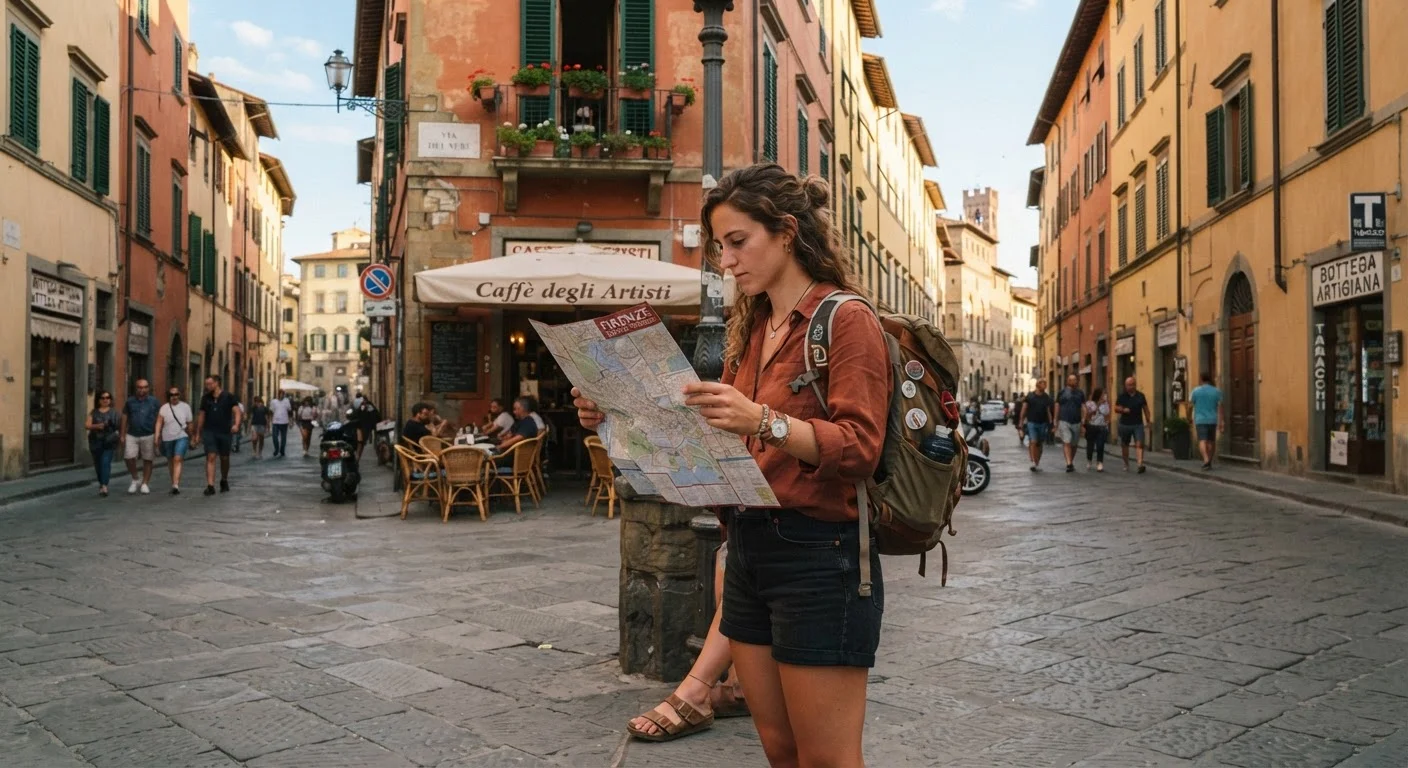
Local buses, metro systems, and regional trains are almost always cheaper than taxis or private transfers. Research multi-day transit passes before arrival. In many destinations, overnight buses or trains double as both transport and accommodation, stretching your budget further. Watch out for common cost traps - resort fees, unnecessary upgrades, and poor currency exchange decisions are covered in detail in our article on spending traps that catch first-time travelers.
Managing Money and Daily Spending Abroad
How you handle money on the ground determines whether your budget holds. A few practical steps before departure make a significant difference.
- Notify your bank and card issuers that you are traveling internationally. Failing to do this can result in frozen cards at the worst possible moment.
- Carry a debit card with low or no foreign transaction fees. Many US banks and credit unions offer accounts designed for international use. Check the fee structure - ATM withdrawal fees, foreign transaction percentages, and currency conversion rates vary.
- Avoid airport and hotel currency exchange desks; their rates are generally poor. Use local ATMs affiliated with major bank networks where possible.
- Set a daily spending cap and track it in a simple notes app or a small notebook. Even rough tracking reveals patterns - food and transport are where most overruns happen.
For a broader look at building solid money habits before and during travel, the budgeting basics hub covers the fundamentals clearly.
Health, Safety, and Travel Insurance
Budget travel does not mean skipping health and safety preparation - it means planning for it efficiently. Three things are non-negotiable before any international trip.
Travel Insurance
Medical emergencies abroad can result in costs that dwarf the entire price of your trip. Travel insurance covering emergency medical treatment, medical evacuation, and trip interruption is essential, not optional. Compare policies on coverage limits and exclusions rather than price alone. This is general guidance; consult policy documents and a licensed insurance professional for advice suited to your specific situation.
Health Preparation
Check whether your destination requires or recommends any vaccinations. Visit a travel health clinic or your primary care provider at least four to six weeks before departure - some vaccines require multiple doses over time. If you need medical care while abroad, our guide on getting medical care in a foreign country explains how healthcare systems differ and what to expect. For minor emergencies, a compact first aid kit is worth carrying - see our guide to building a travel first aid kit for a practical packing list.
Entry Requirements and Advisories
Verify visa requirements and current travel advisories through the US Department of State's official website before booking anything. Entry rules can change with little notice, and no third-party source substitutes for official government guidance.
This article provides general travel planning information for educational purposes only. It is not professional financial, medical, or legal advice. Verify visa, health, and safety requirements through official government sources before travelling, and consult qualified professionals for decisions specific to your circumstances.
Don't Rely on Destination Research Alone
Travel costs, safety conditions, visa rules, and health requirements can change quickly. Information on travel blogs, social media, or even well-regarded guidebooks may be outdated. Always cross-check critical details - especially entry requirements and travel advisories - with official government and embassy sources immediately before booking and again close to your departure date.