Why First-Time Travellers Are Especially Vulnerable to Spending Traps
Budget travel isn't just about finding a cheap flight. It's about understanding where the money quietly disappears after you've already committed to the trip. For first-timers, the challenge isn't overspending on luxury - it's being caught off guard by costs that were never clearly disclosed upfront.
The spending traps below aren't random bad luck. They follow predictable patterns: fees buried in the booking flow, currency decisions made under time pressure, and upsells that feel urgent because they're designed to. Once you know how each one works, they're much easier to dodge.
If you're still in the planning phase, planning your first budget trip abroad covers the full picture from destination choice to daily spending. This article focuses specifically on where money tends to leak - and how to seal those gaps before they widen.
$2,900+
Average hidden hotel fee revenue per property annually
Research from the American Hotel & Lodging Association has tracked mandatory fees as a growing line item that significantly inflates the true cost of accommodation for travellers.
10-15%
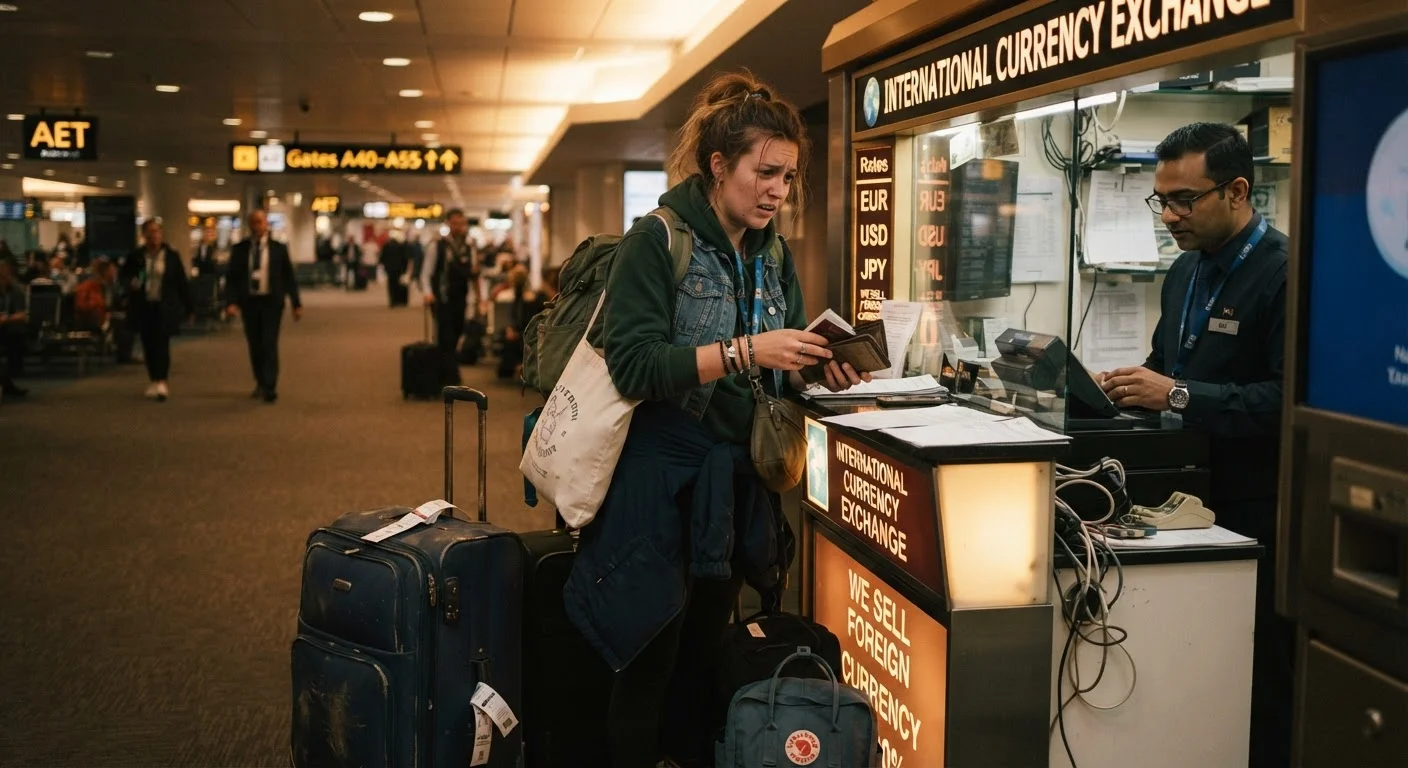
Typical markup at airport currency exchange booths
Consumer finance researchers have found that airport and hotel exchange services routinely apply margins well above interbank rates, costing travellers meaningfully more on every conversion.
The Mistakes - and How to Avoid Each One
These are the spending errors that catch first-time budget travellers most consistently. Each one has a clear cause and a concrete fix.
Booking accommodation based on the headline nightly rate without checking for mandatory add-on fees.
Why it happens: Booking platforms surface the most attractive number first. First-timers assume the listed rate is what they'll pay, and only discover extra charges at checkout or on the hotel bill.
Exchanging currency at the airport or hotel because it feels like the safest, most convenient option.
Why it happens: First-time travellers often don't research exchange rates beforehand and default to the most visible option when they land, not realising the markup is built into the booth's business model.
Accepting car rental upsells - insurance upgrades, GPS units, prepaid fuel - at the counter under time pressure.
Why it happens: Counter agents are trained to present upsells quickly and confidently. Travellers who are tired, rushed, or uncertain about coverage say yes to avoid confrontation or risk.
Treating the flight and hotel costs as the full budget, leaving no room for daily spending, transport, or unexpected costs.
Why it happens: It's easy to focus on the two largest line items and feel the budget is set. Costs like airport transfers, entry fees, tipping, and local transport don't feel real until you're spending them.
Using a credit card abroad without knowing its foreign transaction fee structure, then carrying a balance home.
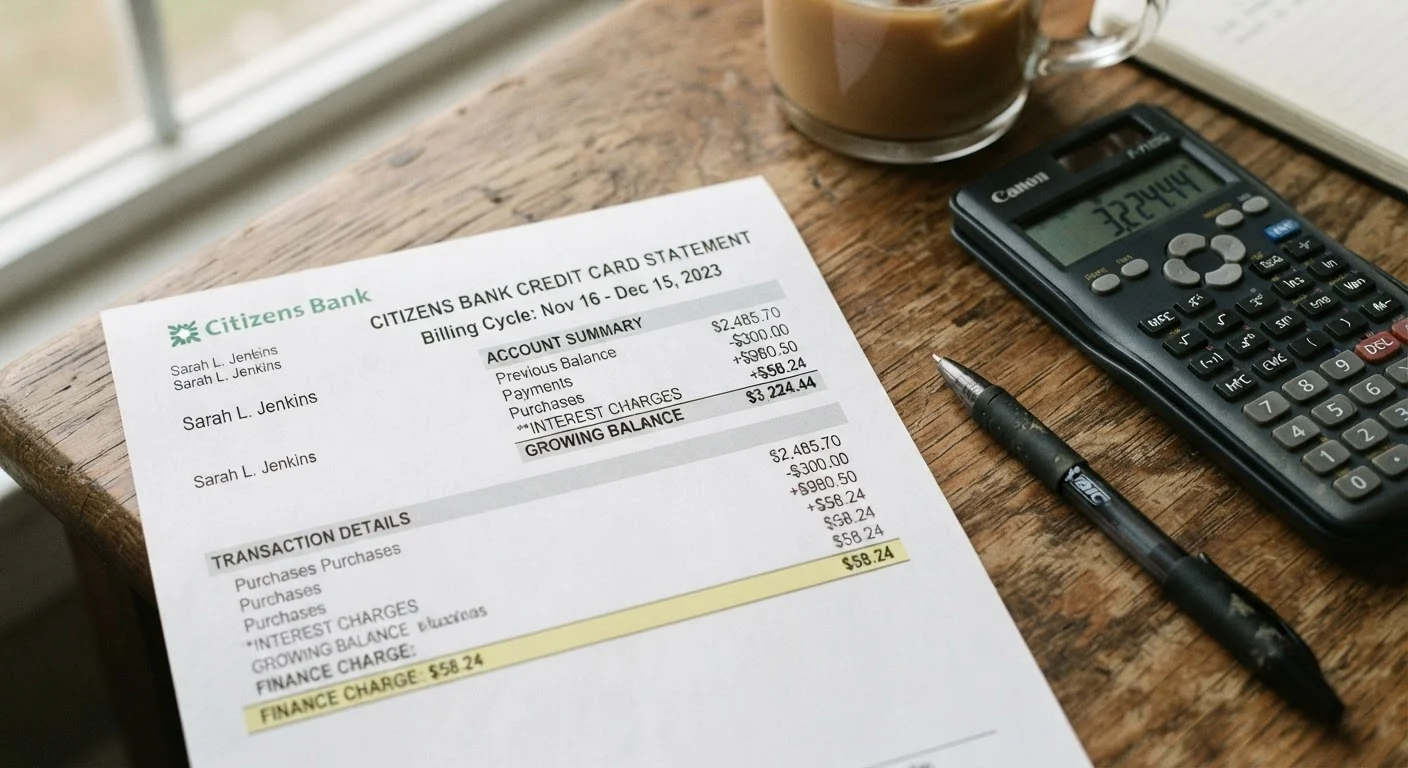
Why it happens: Many travellers don't read the fine print on their cards before a trip. Foreign transaction fees (typically 2-3% per purchase) quietly compound, and if the balance isn't paid in full, interest compounds on top of that.
Dynamic Currency Conversion Is a Fee in Disguise
When a foreign ATM or merchant asks if you want to pay in US dollars instead of local currency, always choose local currency. Dynamic currency conversion (DCC) locks in a rate set by the merchant's bank - almost always worse than your card's rate. It looks convenient but costs you more every time. Decline it automatically and pay in the local currency.
Overspending rarely happens in one dramatic moment. It builds through a series of small, avoidable decisions - most of them made in a hurry or without enough information. The fix is almost always the same: do a bit of research before you're standing at the counter, in the terminal, or at checkout. Preparation takes the pressure out of the decision.
For a broader look at how travel budgets break down in practice, see what most budgets forget to include. And if you've picked up some ideas about what budget travel can and can't do, these common misconceptions are worth checking before your next booking session.
Resort Fees Are Often Non-Negotiable - But Not Always Hidden
Many hotels, particularly in cities like Las Vegas and Miami, add mandatory resort or destination fees that don't appear in the nightly rate shown on booking platforms. These can run $25-$50 per night. Always scroll to the full price breakdown before confirming a booking, and check the hotel's own site for fee disclosures. Knowing the full cost upfront prevents a rude surprise at checkout.