How Credit Card Interest Actually Works
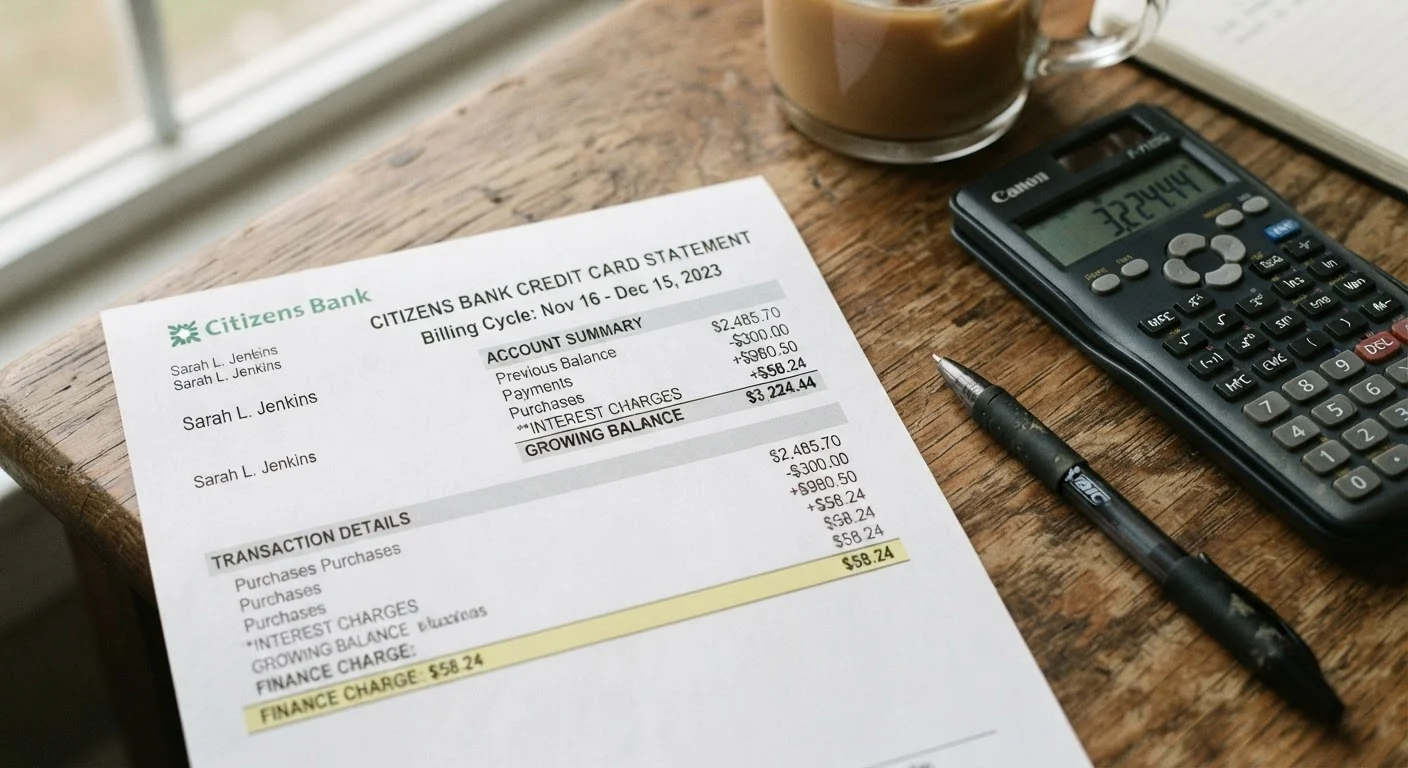
Most credit card beginners assume interest is a simple flat fee charged once a month. The reality is more nuanced - and more expensive. Credit card interest is typically calculated using a daily periodic rate (DPR), which is your annual percentage rate (APR) divided by 365. That rate is applied to your average daily balance every single day of the billing cycle.
Here's a concrete example: if your APR is 24%, your daily periodic rate is roughly 0.066%. On a $1,000 balance, that's about $0.66 in interest per day - which may sound small, but it compounds. The interest added today becomes part of tomorrow's balance, and the cycle continues. Over a month, a $1,000 balance at 24% APR generates around $20 in interest. Over a year without paying it down, the total cost climbs well beyond the original charge.
Most issuers also offer a grace period - typically 21 to 25 days after your billing cycle closes - during which you can pay your full statement balance and owe zero interest. Carry any portion of that balance past the due date, and you generally lose the grace period entirely until you pay the balance in full for two consecutive cycles. This is a detail many beginners miss entirely.
~22%
Average credit card APR in the US
According to Federal Reserve data, average credit card interest rates on accounts assessed interest have hovered near historic highs in recent years.
47%
Cardholders who carry a balance monthly
Survey data from the American Bankers Association has consistently found that roughly half of US credit cardholders carry a balance from month to month rather than paying in full.
Common Mistakes That Make Credit Card Debt More Expensive
Knowing how interest works is only half the picture. The other half is understanding the specific habits and misconceptions that cause balances to silently grow. Below are the most frequent mistakes beginners make - along with why they happen and how to course-correct.
Making only the minimum payment each month and assuming the balance will shrink meaningfully.
Why it happens: Minimum payments feel manageable, and card statements don't always make it obvious how little of the balance they actually reduce. Beginners often treat the minimum as the expected payment.
Assuming carrying a balance helps build credit faster.
Why it happens: A persistent myth suggests that keeping a small balance signals to lenders that you're actively using credit. Many beginners accept this as fact without questioning it.
Ignoring the APR on a card because the credit limit or rewards looked appealing.
Why it happens: Card marketing emphasizes perks and limits rather than interest rates. Beginners who expect to always pay in full underestimate how quickly circumstances can change.
Using a credit card for everyday expenses without tracking the running total against available cash.
Why it happens: Swiping a card feels abstract compared to handing over cash or watching a bank account drop. Balances can creep upward without the cardholder realizing until the statement arrives.
Making a large purchase expecting to pay it off quickly, then only partly doing so.
Why it happens: Unexpected expenses or income shortfalls derail the payoff plan, leaving a larger-than-expected balance sitting at a high APR. The original plan felt realistic at the time.
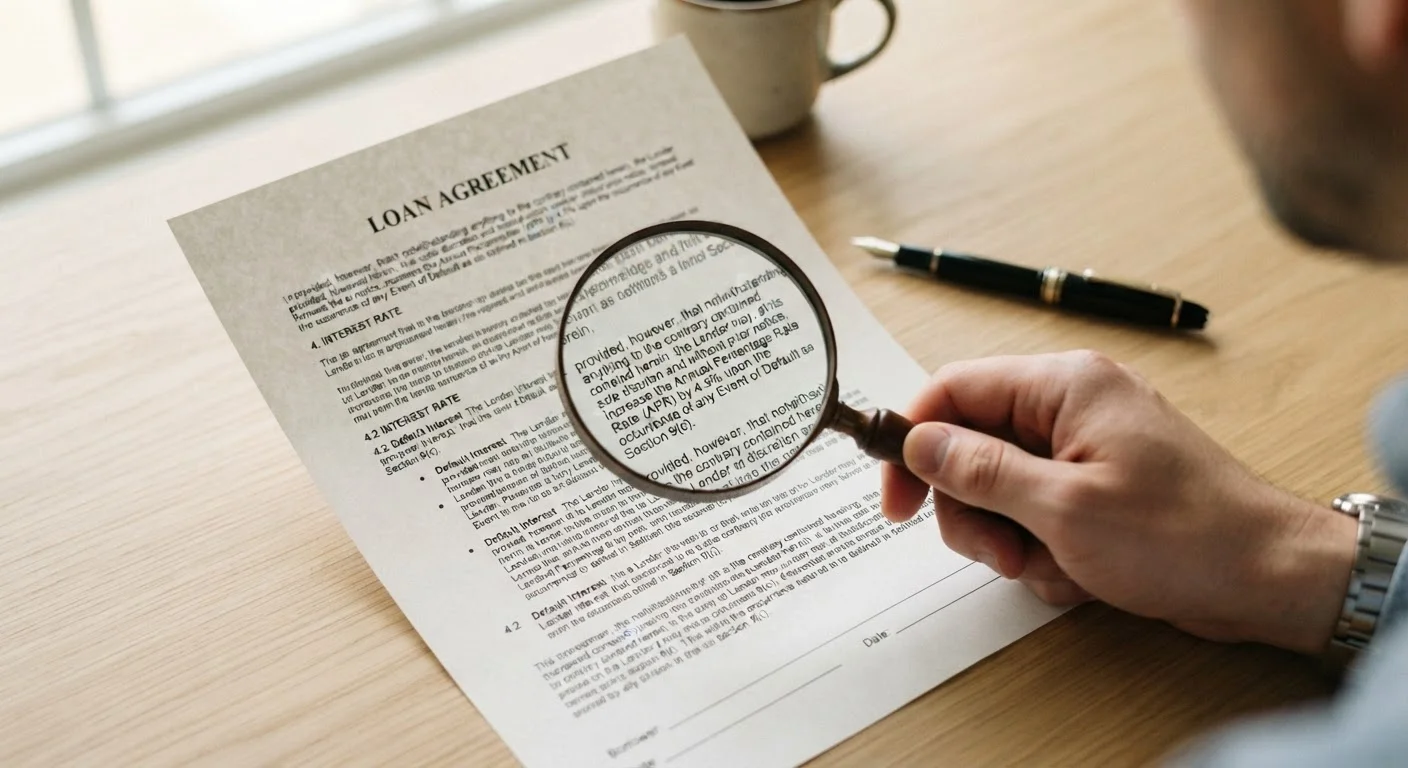
For a broader look at how hidden costs can inflate what you owe across different types of credit, see The Hidden Costs Built Into Loan Agreements - the same principle of looking past the headline number applies whether you're dealing with a card or a loan.
Minimum Payments Are a Debt Trap
Credit card issuers set minimum payments low - sometimes as little as 1-2% of your balance - because it maximizes the interest you pay over time. On a $2,000 balance at 22% APR, making only the minimum payment each month could take over a decade to pay off and cost more than the original balance in interest alone. Always pay more than the minimum whenever possible.
Building Habits That Keep Interest From Compounding Against You
The most effective way to avoid credit card interest is straightforward: pay your statement balance in full before the due date each month. If that's not possible right now, pay as much above the minimum as your budget allows, and target the card with the highest APR first - a strategy sometimes called the avalanche method.
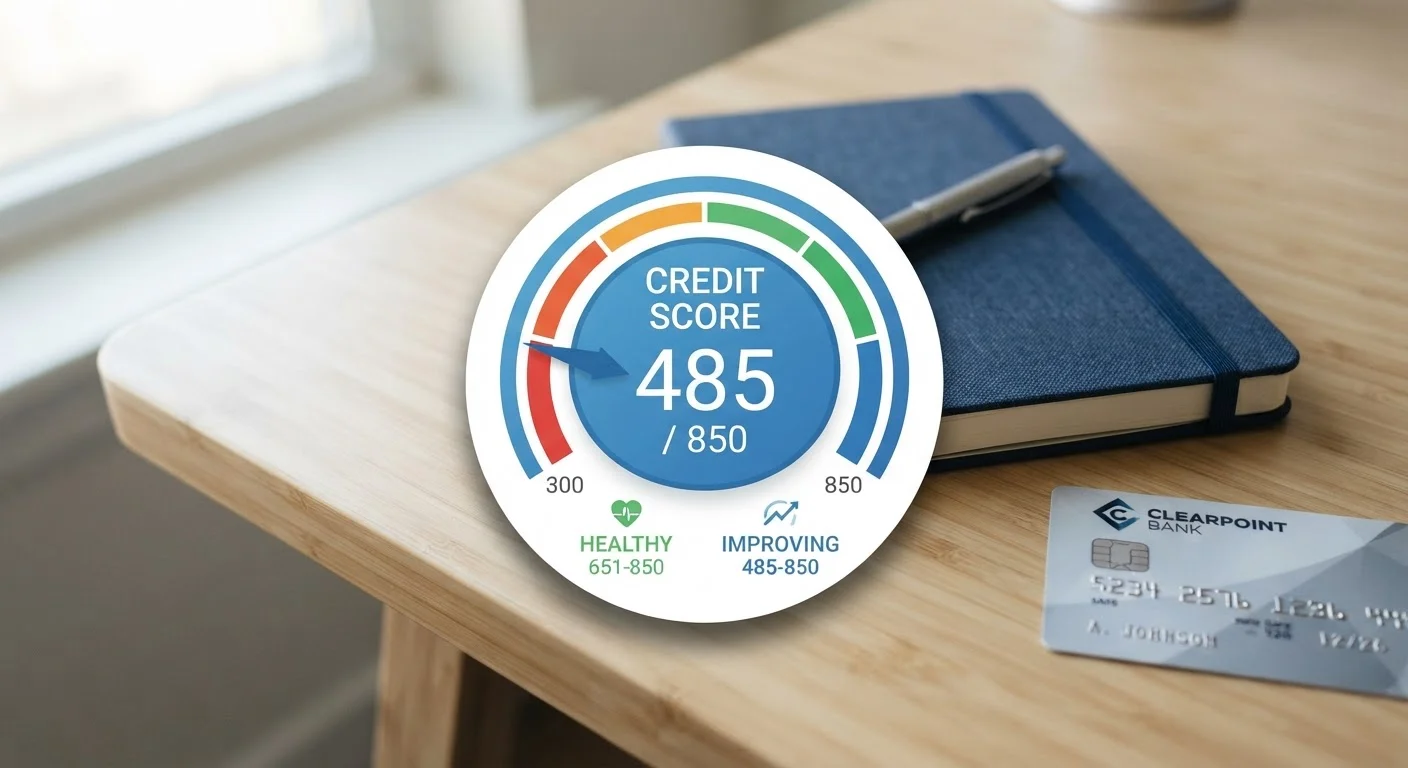
It also helps to keep an eye on your overall credit utilization - the percentage of your available credit that you're currently using. High balances relative to your credit limit can weigh down your credit score, even if you're making on-time payments. Credit Utilisation: The Ratio That Quietly Influences Your Score breaks down how that number is calculated and why keeping it low matters.
Set up autopay for at least the minimum payment so you never miss a due date - late fees and penalty APRs can make an already expensive balance significantly worse. Then build a habit of reviewing your statement each billing cycle so no charge surprises you. Small, consistent actions protect your finances far more than any single large payment made after interest has already compounded for months.
This article is for general informational purposes only and does not constitute financial advice. For guidance tailored to your specific situation, consider speaking with a licensed financial professional.