Why This Distinction Is the Starting Point for Any Budget
Before you can allocate a single dollar, you need to know what your dollars are already committed to. That is exactly what separating fixed from variable expenses reveals. Without this step, most beginner budgets underestimate spending and fall apart within the first month.
Think of your monthly income as a pie. Fixed expenses slice off a predictable portion right away. Whatever remains is where your variable expenses - and your financial decisions - actually live. Understanding the size of each slice is what makes planning possible. For a broader glossary of terms you'll encounter along the way, see our guide to key budgeting terms.
Start With Your Fixed Expenses First
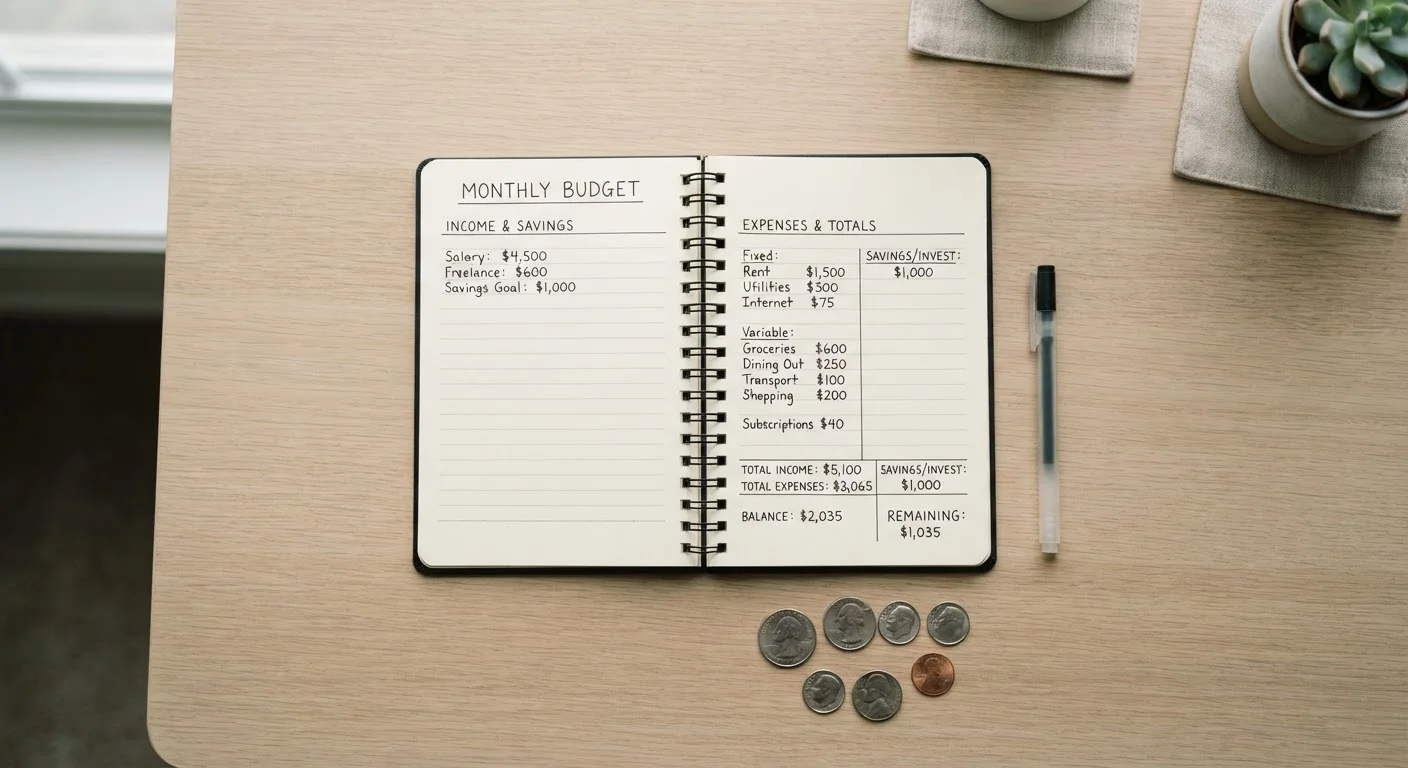
Before budgeting a single discretionary dollar, total all your fixed expenses and subtract them from your monthly take-home pay. The number that remains is your true working budget for everything else. This one step prevents the most common beginner mistake: overestimating how much money is actually available to spend.
Fixed Expenses: The Predictable Slice
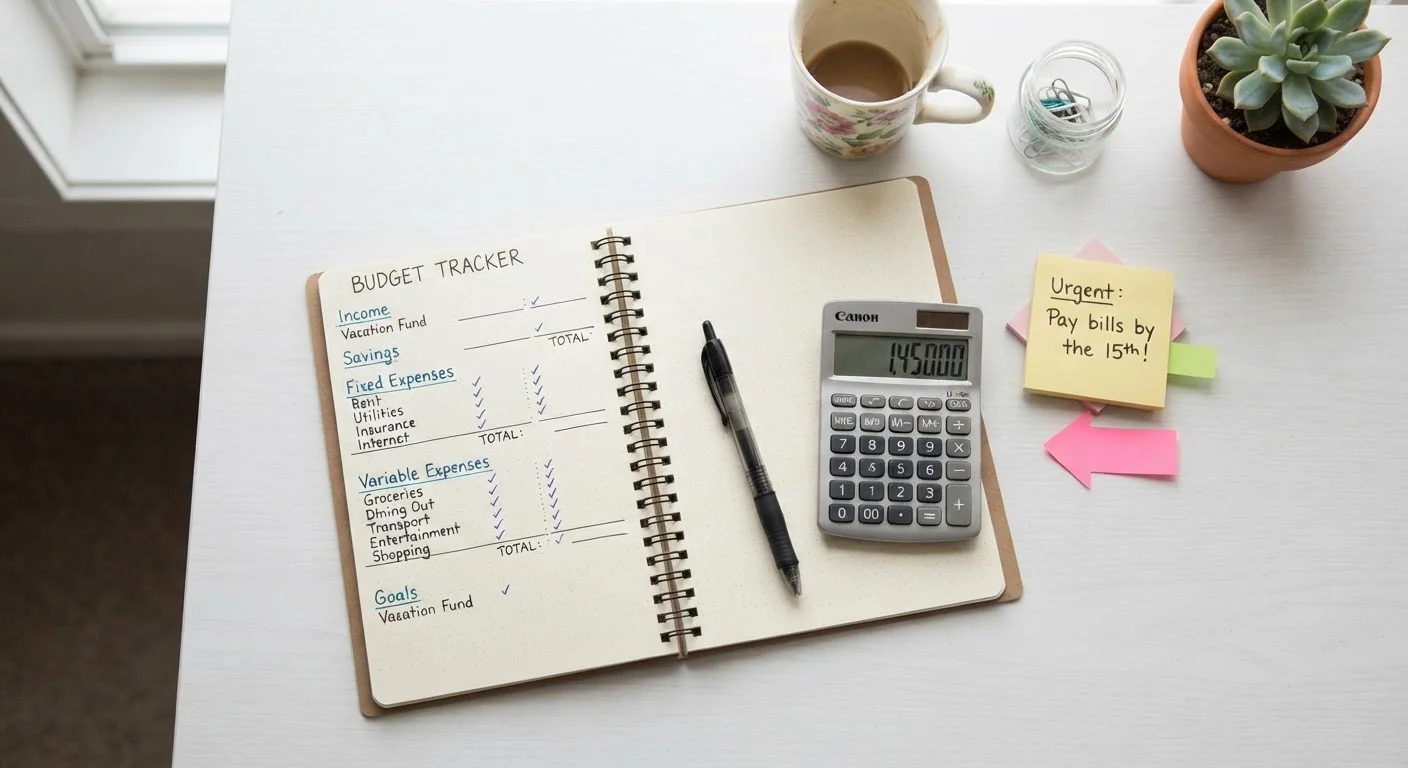
A fixed expense is any cost that recurs at the same dollar amount on a regular schedule - monthly, quarterly, or annually. You generally agreed to the amount in advance, through a lease, loan agreement, or subscription contract.
Common examples include:
- Rent or mortgage payment
- Car loan or student loan payment
- Renters or auto insurance premium
- Fixed-rate internet or phone plan
- Gym membership billed at a flat rate
Fixed expenses are easy to budget for because they don't surprise you. List them all, add them up, and you immediately know the non-negotiable floor of your monthly spending. This number should be the first thing you subtract from your take-home pay before planning anything else.
~33%
Average share of income spent on housing
The U.S. Bureau of Labor Statistics Consumer Expenditure Survey consistently finds that housing - typically a fixed cost - represents roughly a third of average household spending.
60%+
Americans living paycheck to paycheck
Multiple consumer surveys, including research published by LendingClub, have found that a majority of U.S. adults report spending all or nearly all of their monthly income, underscoring the importance of understanding where money goes.
2-3 months
Past spending data needed to estimate variable averages
Personal finance educators generally recommend reviewing at least two to three months of statements to establish a reliable average for variable expense categories before setting a budget limit.
Variable Expenses: The Flexible (and Tricky) Slice
A variable expense is any cost that changes in amount from month to month. The category is real and recurring, but the exact dollar amount shifts based on your behaviour, usage, or external factors.
Common examples include:
- Groceries and household supplies
- Gas or rideshare costs
- Electricity and heating bills
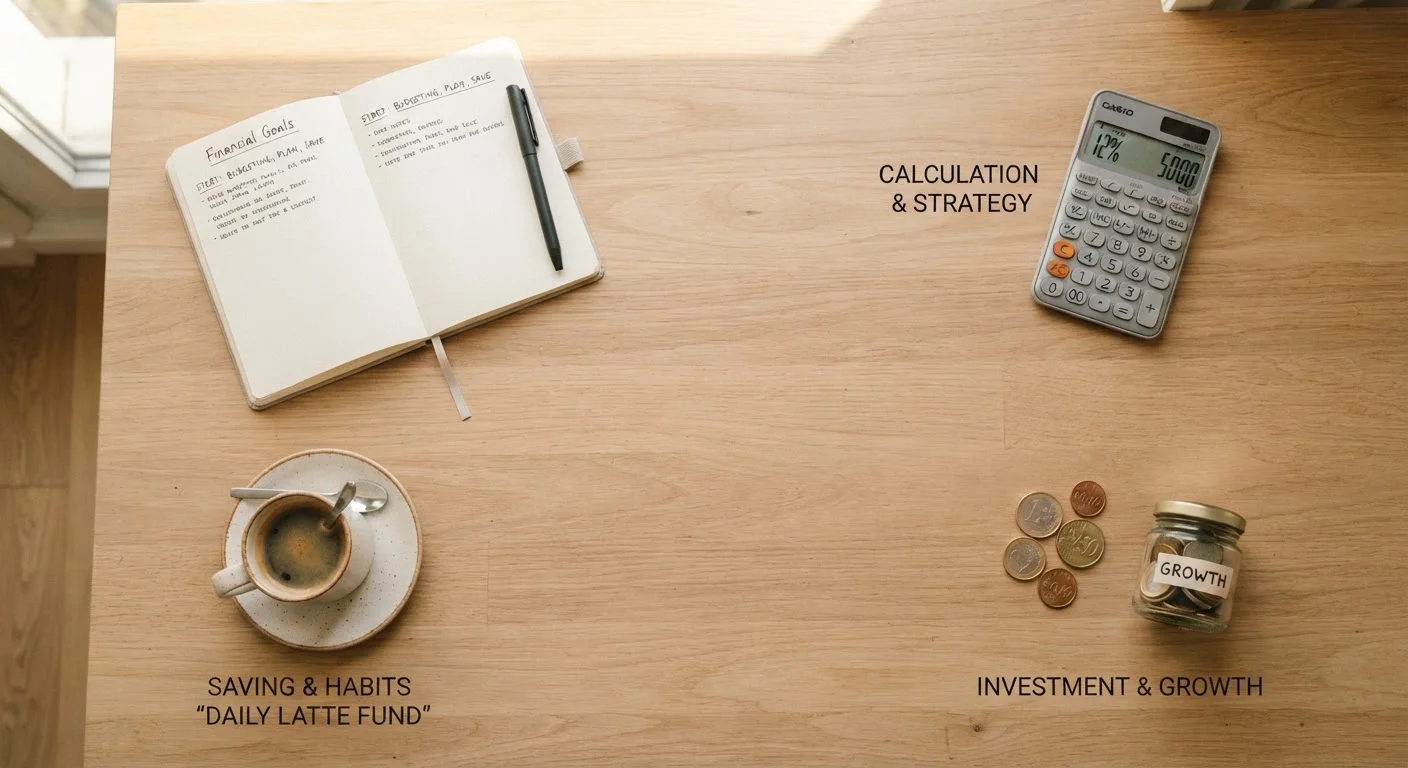
- Dining out and coffee
- Clothing and personal care
- Entertainment and hobbies
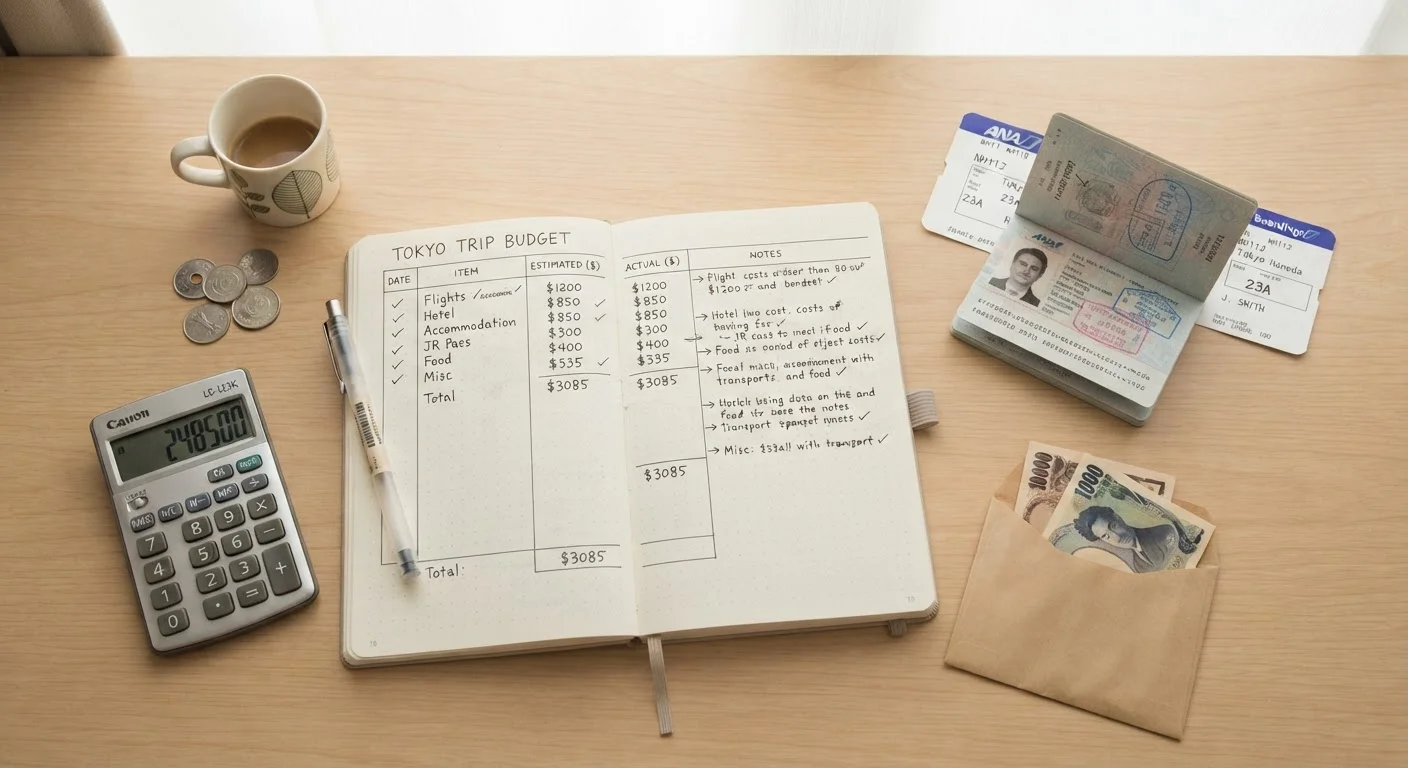
Variable expenses are where most budgets go wrong. Because no single purchase feels large, it is easy to overspend across a category without realising it. The fix is to set a monthly ceiling for each variable category based on your average past spending - and track against it actively. This habit also pays off when planning ahead for trips; our travel budgeting guide applies the same category-based logic to trip costs.
Semi-Variable Expenses: The Middle Ground
A third category - sometimes called semi-variable or mixed expenses - combines a predictable base charge with a usage-dependent portion. Your cell phone bill is a classic example: the base plan fee is fixed, but data overages or add-ons vary.
Other semi-variable costs include:
- Electricity with a fixed service fee plus a per-kilowatt-hour charge
- A streaming service with a flat rate but in-app purchases on top
- A car ownership budget that includes a fixed loan payment but variable fuel and maintenance costs - for a deeper look at the full picture, see the Car Costs & Finance hub
For budgeting purposes, treat the base portion as fixed and set a ceiling on the variable portion. This keeps semi-variable costs from quietly expanding without accountability.
Budget Billing Can Smooth Out Variable Utilities
Many electric and gas utilities offer a 'budget billing' or 'levelized billing' program that averages your annual usage and charges a flat amount each month. This converts a variable bill into a predictable fixed one - useful for planning, though any difference between estimated and actual usage is typically reconciled at year end. Check with your utility provider to see if this option is available in your area.
How to Use This Framework in Practice
Here is a simple process to apply this distinction to your own budget:
- List every expense from the last two months. Pull bank and credit card statements. Write down every outflow.
- Label each expense: fixed, variable, or semi-variable. When in doubt, ask yourself: does this amount change based on my behaviour or usage? If yes, it is variable.
- Total your fixed expenses first. This is your committed spending floor.
- Set category limits for variable expenses based on your 2-month average, with a small buffer for high months.
- Review monthly. Compare actual variable spending to your limits and adjust the following month.
This framework adapts across life stages - whether you are a student on a tight income or a new earner managing your first salary. Our article on budgeting across different life stages walks through how priorities shift as your financial situation evolves. Once you have this foundation, you will be ready to weigh more nuanced approaches - including the case for and against a strict monthly budget.
This article is for general informational and educational purposes only and does not constitute personalised financial advice. Consider consulting a qualified financial professional for guidance specific to your situation.