Why Utilisation Carries So Much Weight
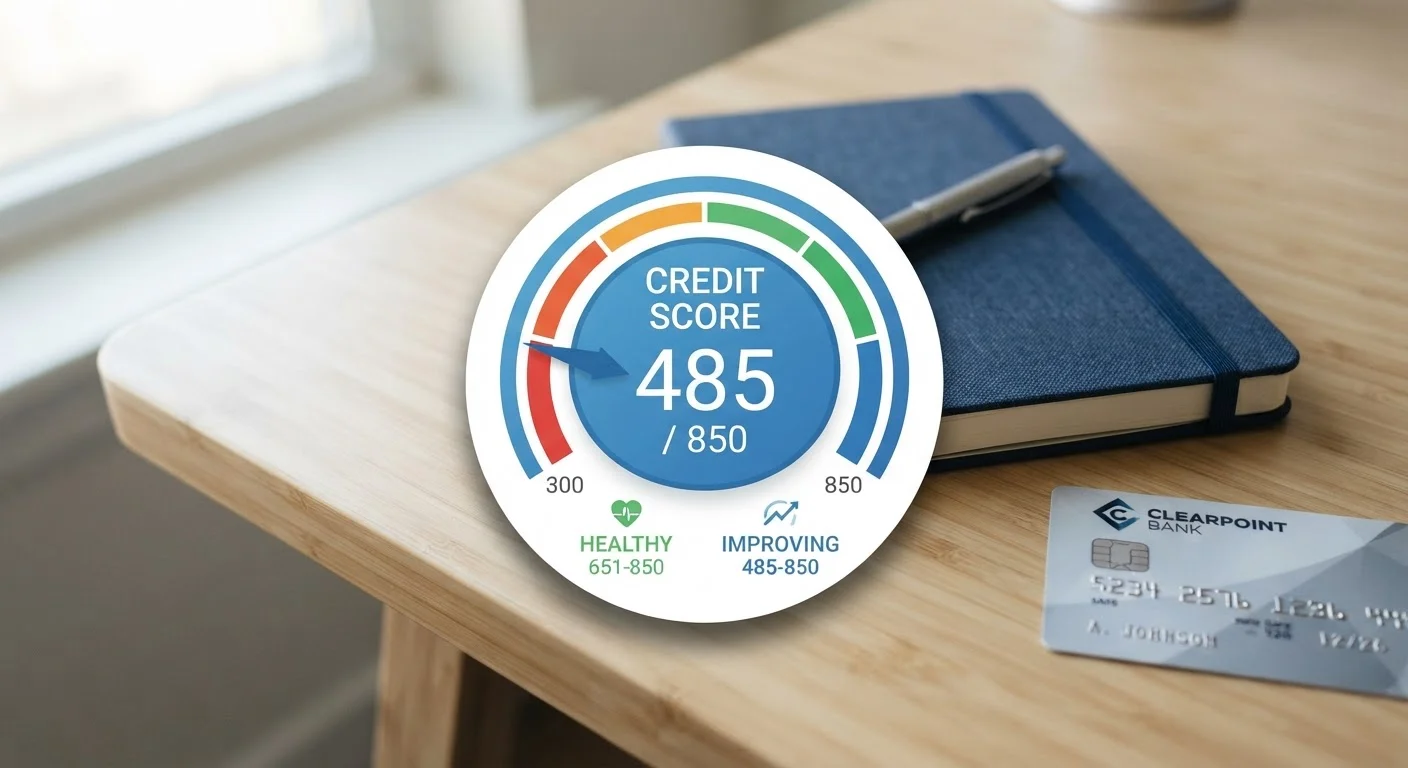
When lenders look at your credit score, they are trying to estimate how responsibly you manage debt. Payment history is the biggest signal, but credit utilisation comes in a close second - accounting for roughly 30% of a standard FICO score. That makes it one of the fastest levers you can pull to influence your score in either direction.
The logic behind it is straightforward. If you are consistently using a large share of your available credit, lenders may interpret that as a sign you are stretched thin financially - even if you pay your bill on time every month. Conversely, using a small fraction of what you could borrow signals that you are not reliant on credit to cover everyday expenses.
It is worth noting that carrying a balance from month to month is not required to build good utilisation. In fact, paying your full balance before the statement closing date can help you report a very low balance - and lower utilisation - to the bureaus. Carrying a balance costs more than many beginners expect, so paying in full each cycle is both financially smart and good for your score.
~30%
Share of FICO score tied to credit utilisation
According to FICO's published scoring factor breakdown, amounts owed - which includes utilisation - represent approximately 30% of a standard FICO score.
<30%
Commonly cited utilisation guideline
Consumer finance educators widely recommend keeping utilisation below 30%, with lower ratios generally associated with stronger scores.
2
Utilisation levels scored by FICO models
FICO evaluates both your overall utilisation across all revolving accounts and the utilisation on each individual card.
How the Math Actually Works
Calculating your utilisation ratio is simple. Add up the current balances on all your revolving credit accounts, then divide by the sum of all their credit limits. Multiply the result by 100 to get a percentage.
Example: You have two credit cards. Card A has a $2,000 limit and a $400 balance. Card B has a $3,000 limit and a $200 balance. Your total balance is $600, your total limit is $5,000, and your overall utilisation is 12% - well within the range that scoring models tend to reward.
Scoring models look at two levels simultaneously: your aggregate utilisation across all cards combined, and your per-card utilisation on each individual account. This means a single maxed-out card can drag your score down even if your overall ratio looks healthy. Spreading balances across cards - or paying down the highest individual card first - can address both levels at once.
Time Your Payments Strategically
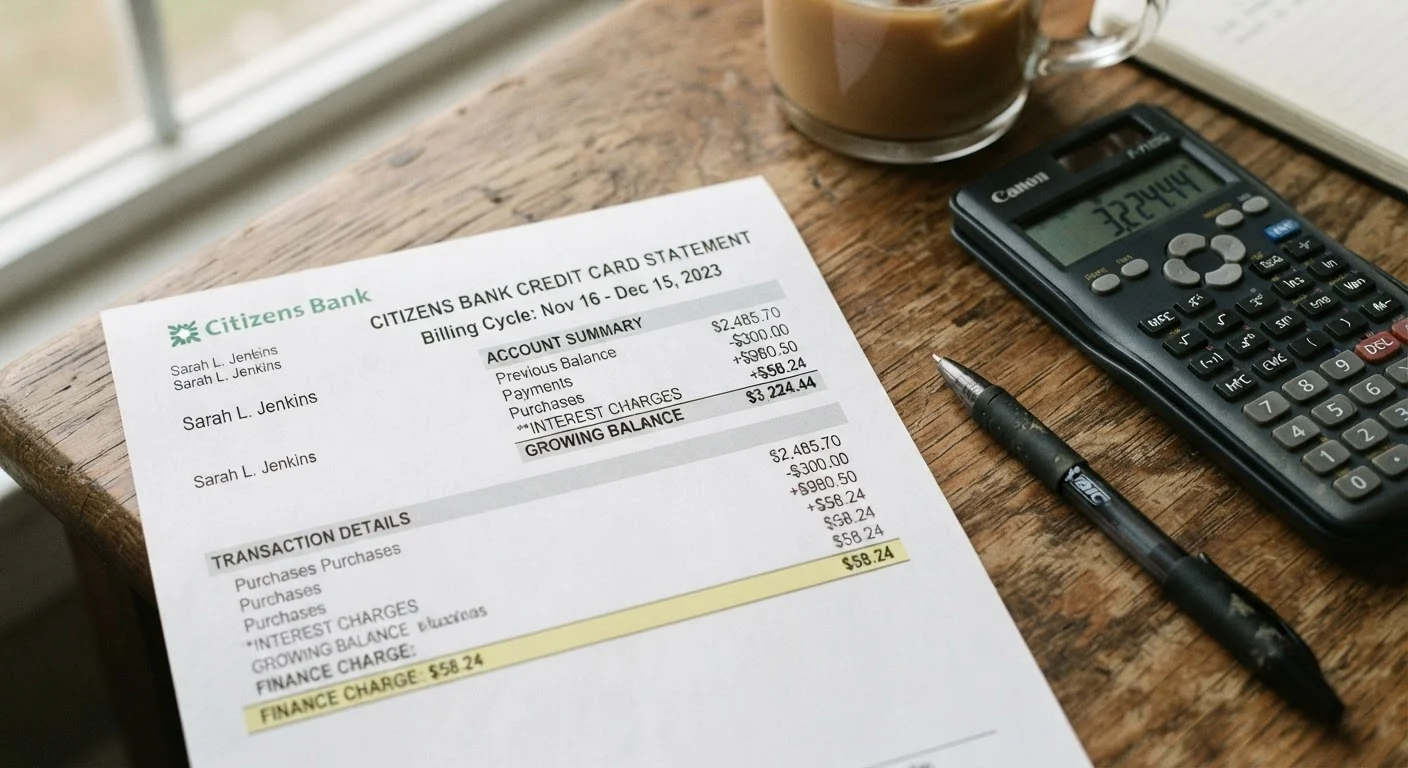
Your card issuer typically reports your balance to the credit bureaus on or around your statement closing date - not your due date. Paying down your balance before the statement closes means a lower balance gets reported, which translates directly to lower utilisation. Check your card's billing cycle dates so you know exactly when to time a payment for maximum effect.
Common Misconceptions Worth Clearing Up
A few myths circulate about utilisation that can lead well-meaning beginners astray. One persistent idea is that you should carry a small balance every month to prove you are actively using credit. This is not supported by how scoring models work - reporting a $0 balance is generally fine and does not hurt your score the way some assume.
Another common confusion involves credit limit changes. If a card issuer reduces your limit, your utilisation ratio rises automatically - even if your spending habits have not changed. The reverse is also true: a credit limit increase can lower your ratio without you paying a single extra dollar. For a deeper look at how these and other misunderstandings affect people's credit decisions, see common credit score myths that keep people confused.
Finally, closing an old credit card removes its available limit from your total - which can push your utilisation up overnight. This is one reason financial educators generally caution against closing accounts without understanding the downstream effect on your ratio.
Practical Steps to Manage Your Utilisation
The most direct action is to pay down existing balances. Even a partial paydown before your statement closing date - when your issuer reports your balance to the bureaus - can reduce the utilisation figure that gets captured that month.
If you have multiple cards, prioritise the one closest to its limit first. That targeted approach reduces your per-card utilisation on the highest-risk account while also contributing to your overall ratio improvement.
Monitoring your utilisation regularly is part of the habits that support a healthy credit profile over time. Many credit card issuers and free credit monitoring services display your current utilisation alongside your score - checking this monthly takes only a few minutes and keeps you informed before small drifts become larger problems.
If your spending is consistent and you want to lower utilisation without dramatically changing behaviour, you can request a credit limit increase from your existing issuer. Be aware that some issuers perform a hard inquiry when processing this request, which can have a small, temporary effect on your score - so it is worth asking your issuer which type of inquiry they use beforehand.
This article is for general educational purposes only and does not constitute personalised financial advice. For guidance specific to your situation, consider consulting a qualified financial professional.