Why Habits Matter More Than One-Time Fixes
A strong credit profile isn't the result of a single smart move - it's built through repeated, consistent behaviors over months and years. Credit scoring models, including the widely used FICO score, are designed to evaluate patterns. They reward reliability and penalize inconsistency. That's actually good news for beginners: you don't need to be perfect from day one. You just need to build habits that compound in your favor over time.
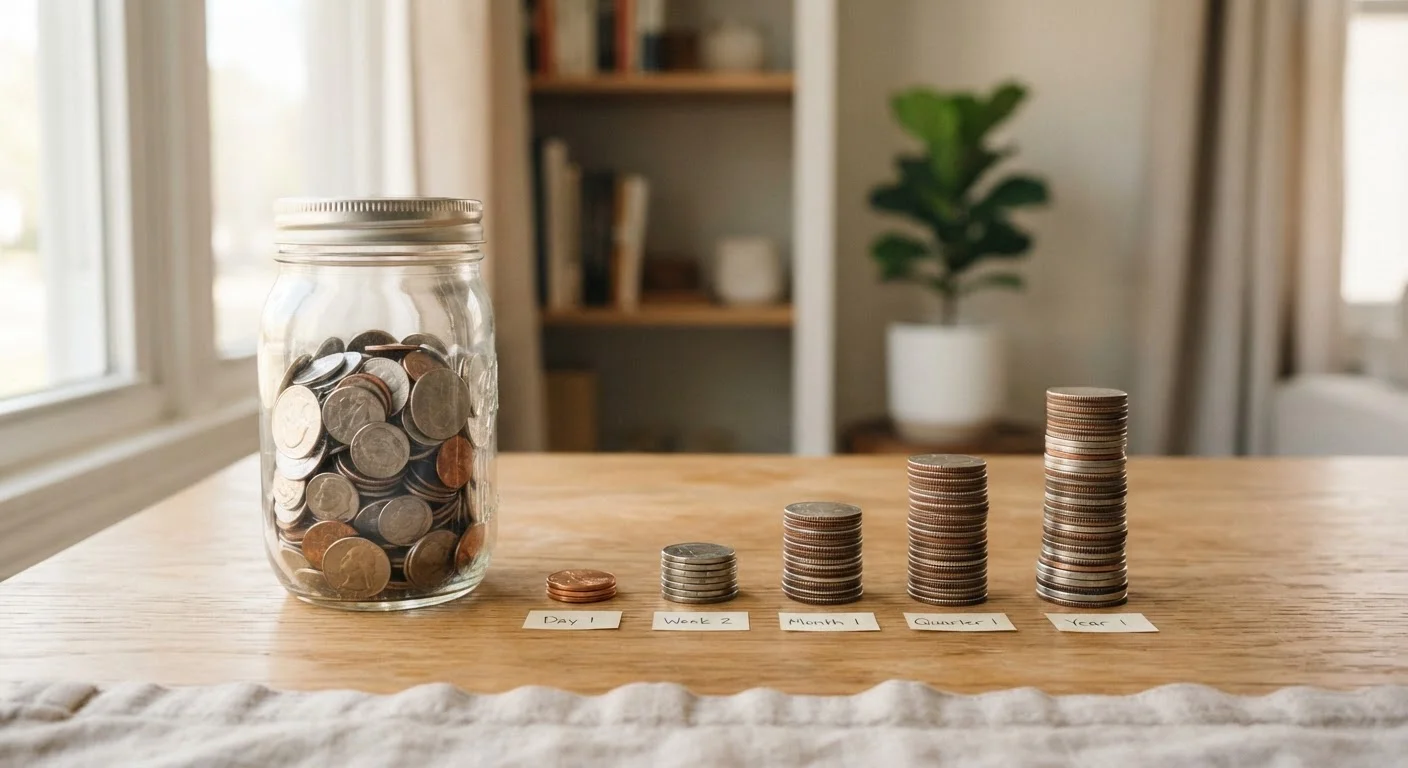
Think of it the same way you'd think about building savings through small, consistent deposits - the early actions matter most because they set the pattern that everything else follows.
This article provides general financial education and is not personalized financial advice. For guidance specific to your situation, consider consulting a licensed financial professional.
Pay every bill on time, every time - even the minimum if necessary.
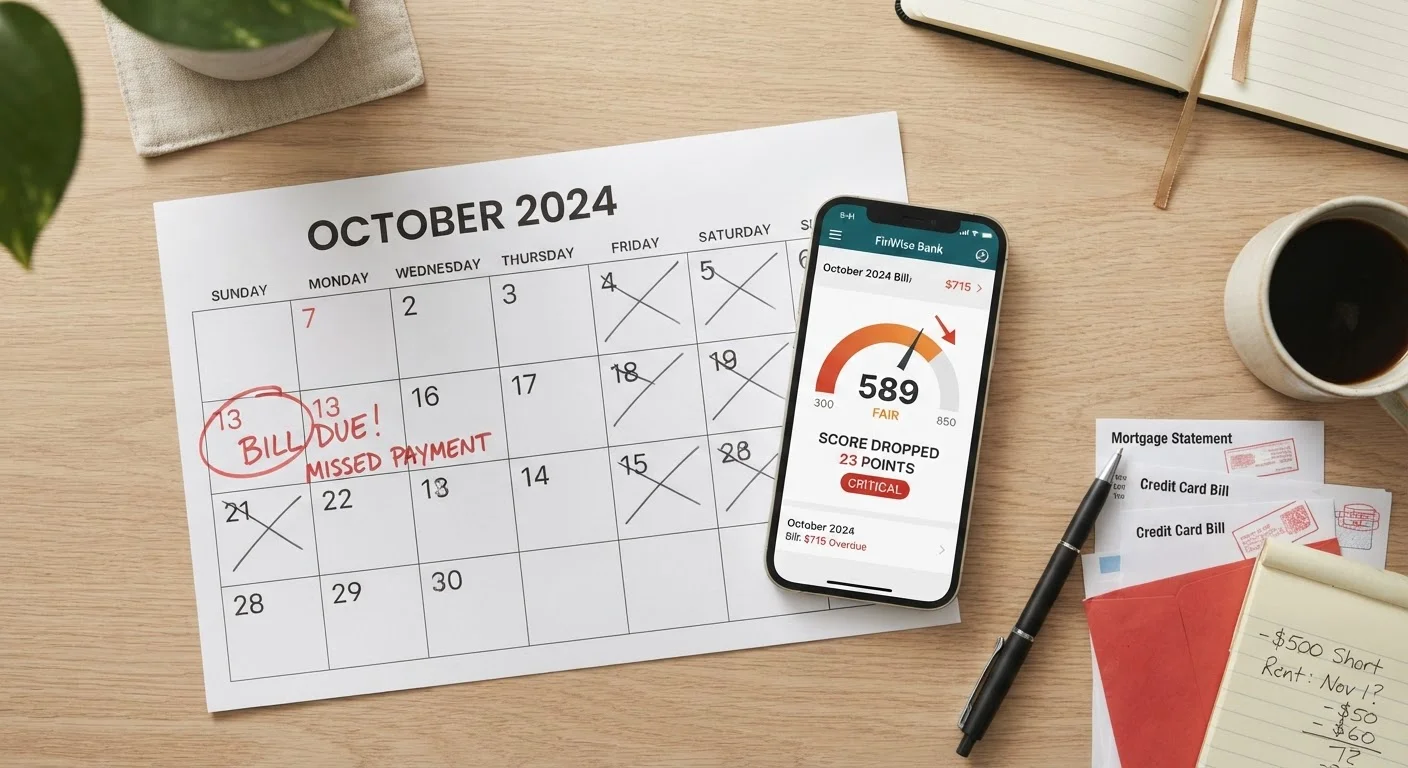
Payment history typically makes up the largest portion of a FICO credit score (around 35%). A single missed payment can stay on your credit report for up to seven years. Consistent on-time payments signal reliability to lenders.
Keep your credit utilization ratio below 30% - ideally closer to 10%.
Credit utilization measures how much of your available credit you're using. High utilization - even if you pay the balance in full - can lower your score because it signals financial strain to scoring models.
Keep older credit accounts open even when you're not actively using them.
The length of your credit history accounts for roughly 15% of a typical FICO score. Closing an old account shortens your average account age and reduces your total available credit, which can raise your utilization ratio.
Limit applications for new credit to when you genuinely need it.
Each time you apply for credit, the lender typically performs a hard inquiry on your report. Hard inquiries can temporarily lower your score, and multiple inquiries in a short period may signal financial instability.
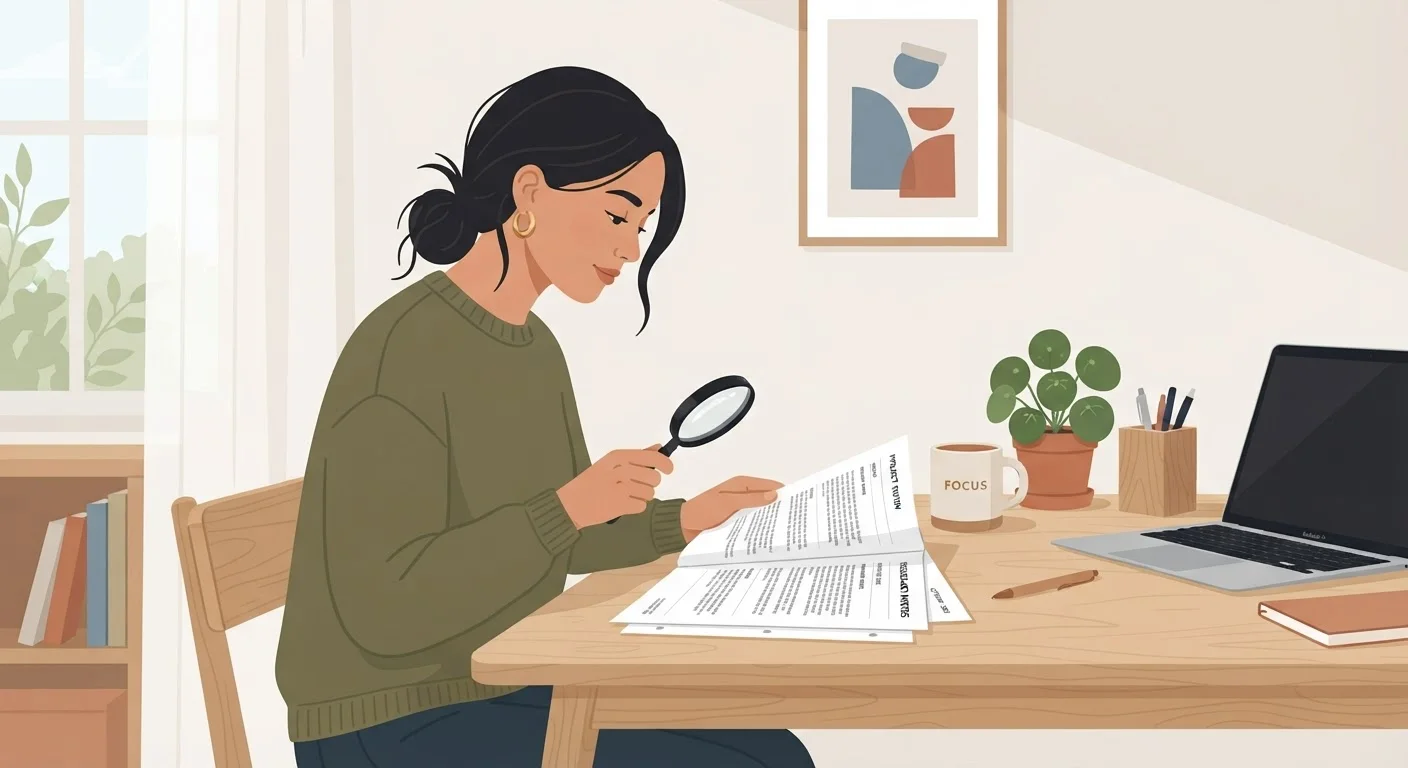
Review your credit report at least once a year - more often if you can.
Errors on credit reports are more common than most people realize, and inaccurate negative entries can unfairly drag down your score. Catching them early gives you time to dispute and correct them.
The Core Habits That Keep Credit Healthy
These aren't complicated strategies. They're straightforward behaviors that - done consistently - tend to produce strong credit outcomes over time. If you're just starting out, focus on getting these right before worrying about anything more advanced.
If you're unsure how to read your credit profile to gauge where you stand, navigating your credit report section by section is a useful place to start. Understanding what each section measures makes it easier to match your habits to the areas that need attention.
Staying Aware and Adjusting Over Time
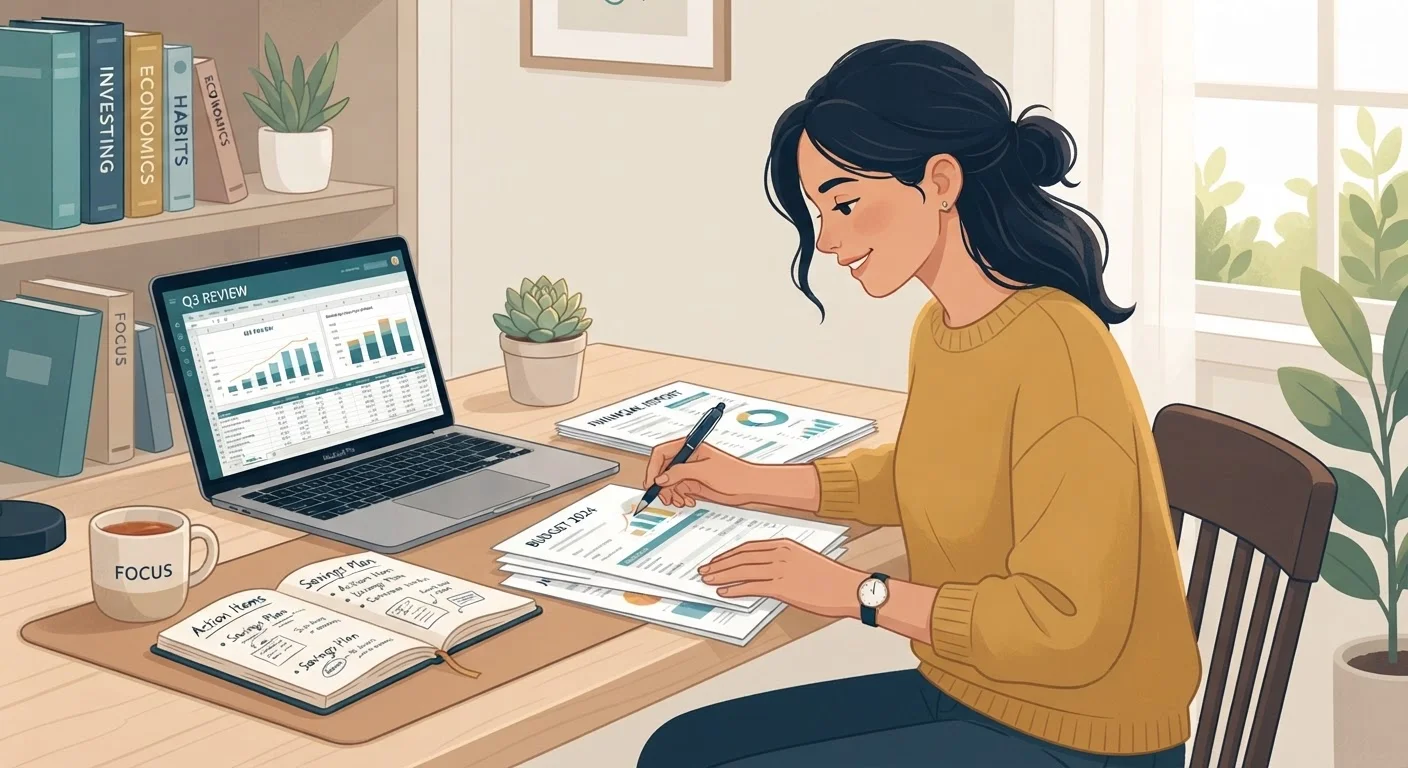
Good credit habits aren't set-and-forget. Life changes - income shifts, new expenses, big purchases - and your credit strategy should adjust with it. The most reliable way to stay on track is to build a small, regular review into your routine.
“Credit is a tool. Like any tool, its usefulness depends entirely on how consistently and responsibly you use it over time.”
— Consumer Financial Protection Bureau, US federal agency responsible for consumer financial protection education
It's also worth understanding what can quietly damage a credit profile even when you're being careful. A single missed payment can have ripple effects that linger much longer than most people expect - sometimes up to seven years on a credit report. Awareness of that risk is itself a habit worth keeping.
Finally, consider how credit habits connect to your broader financial identity. Research on behavior change suggests that framing a habit around who you want to be - rather than just what you want to achieve - tends to make it more durable. The identity-based approach to habit formation applies just as well to financial behaviors as any other. If you think of yourself as someone who pays on time and spends within their means, those actions start to feel natural rather than effortful.
35%
Weight of payment history in a FICO score
According to FICO, payment history is the single largest factor in calculating a standard FICO credit score.
7 years
How long a missed payment stays on your credit report
Under the Fair Credit Reporting Act (FCRA), most negative information, including late payments, can remain on a credit report for up to seven years.
1 in 5
Consumers with a credit report error
A study by the Federal Trade Commission found that approximately one in five consumers had an error on at least one of their three major credit reports.