Why Prescription Medications Get Complicated at Borders
Traveling with prescription medications sounds straightforward until you realize that each country sets its own rules - and those rules don't align neatly with what your doctor prescribed at home. A medication that's routine in the US may be a controlled substance in Japan, restricted in the UAE, or simply unavailable in certain regions. Getting this wrong can mean confiscation, fines, or serious legal trouble.
This isn't meant to alarm you - most travelers with prescriptions move through international travel without incident. But that outcome is far more likely when you prepare deliberately rather than assuming your prescription is universally accepted. See our travel health preparation guide for a broader look at what to handle before departure.
What to Carry and How to Document It
Documentation is your first line of protection at customs. Without it, even a legitimate prescription can raise red flags. The goal is to make your situation as clear and verifiable as possible to any official who inspects your bag.
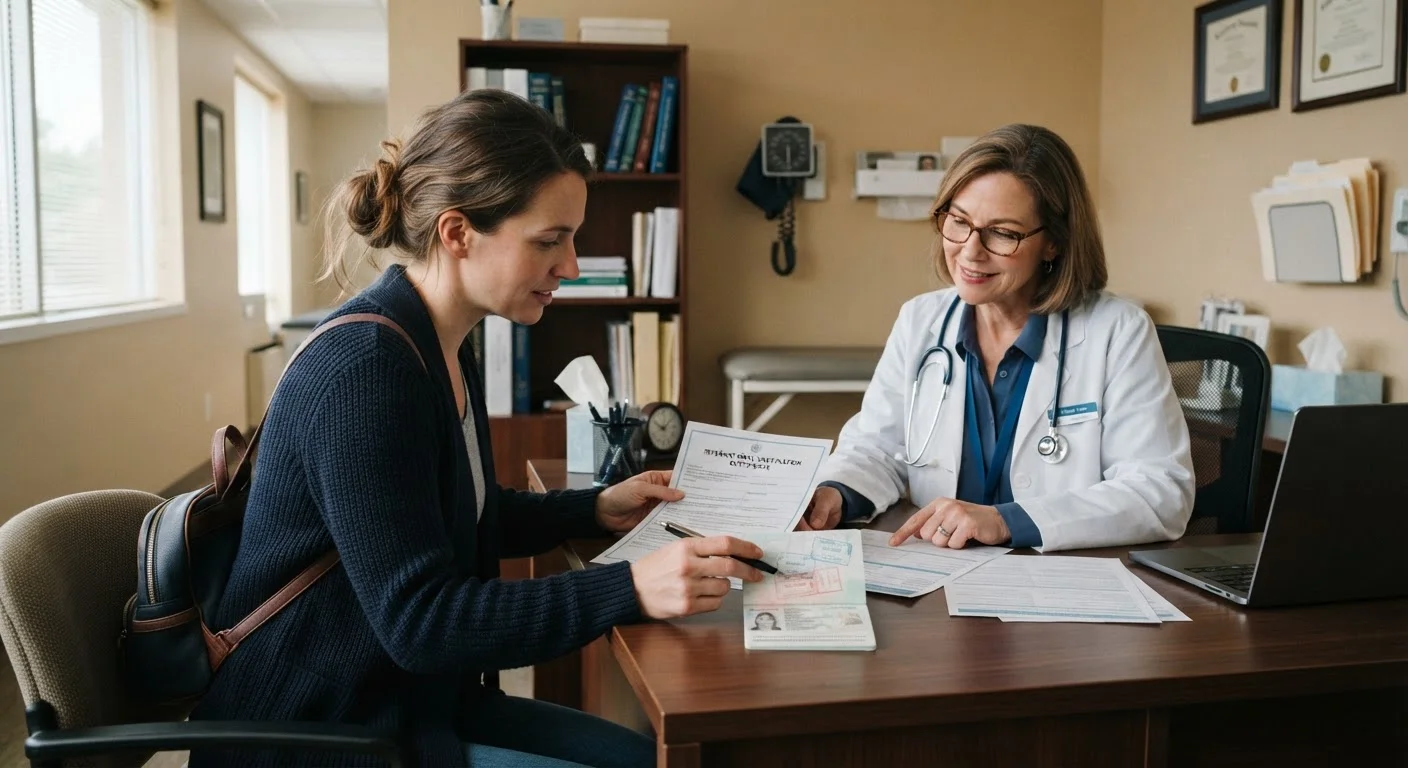
What to Include in a Physician Travel Letter
Ask your doctor to include your full name (matching your passport), the medication's generic and brand names, the prescribed dosage and frequency, a brief statement of medical necessity, and the physician's contact details. A letter in both English and the destination country's language can be especially useful in countries where English is not widely spoken at customs.
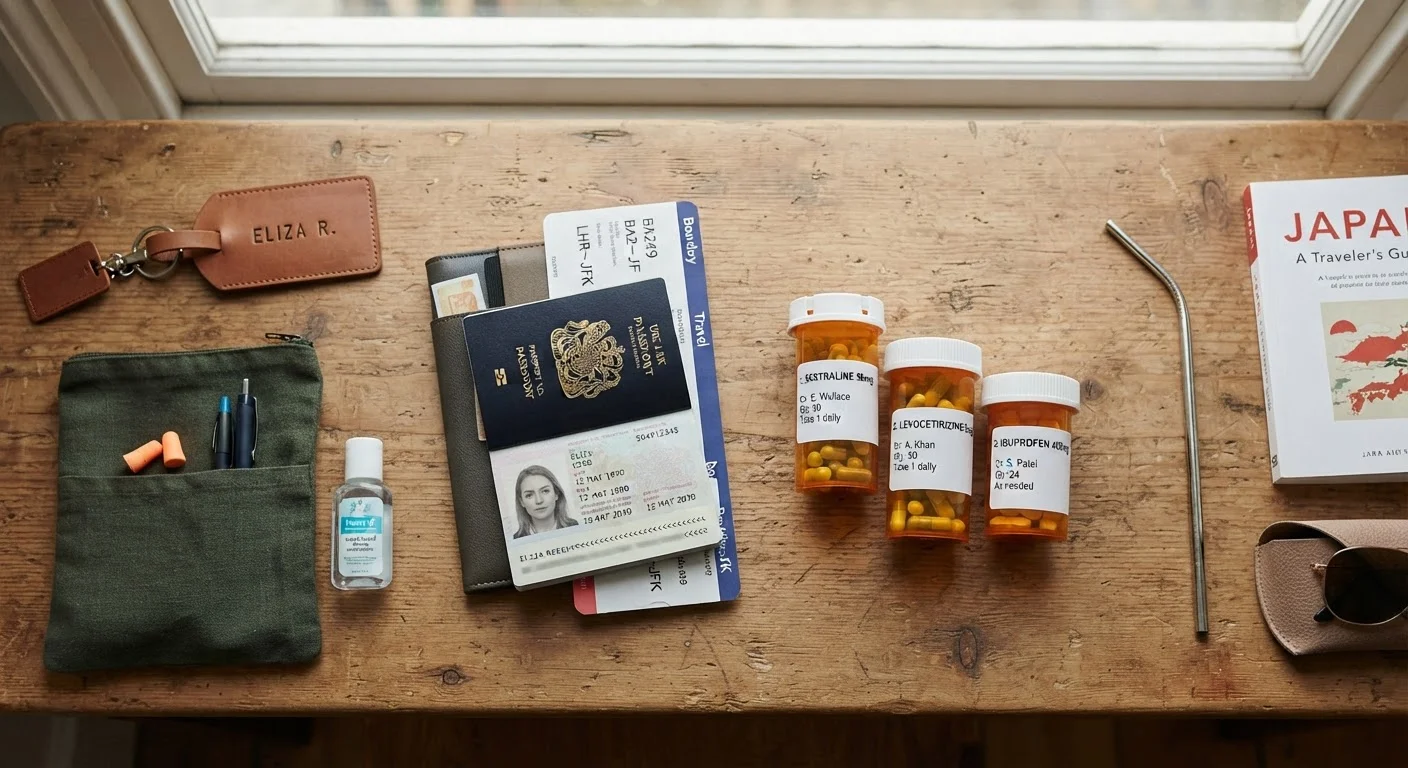
Beyond documentation, packaging matters. Keep medications in their original pharmacy-labeled containers - not a weekly pill organizer - because the label links the drug to you and includes the prescribing details. If you're carrying injectables, insulin, or anything requiring special handling, check whether customs authorities require additional documentation for those specific forms.
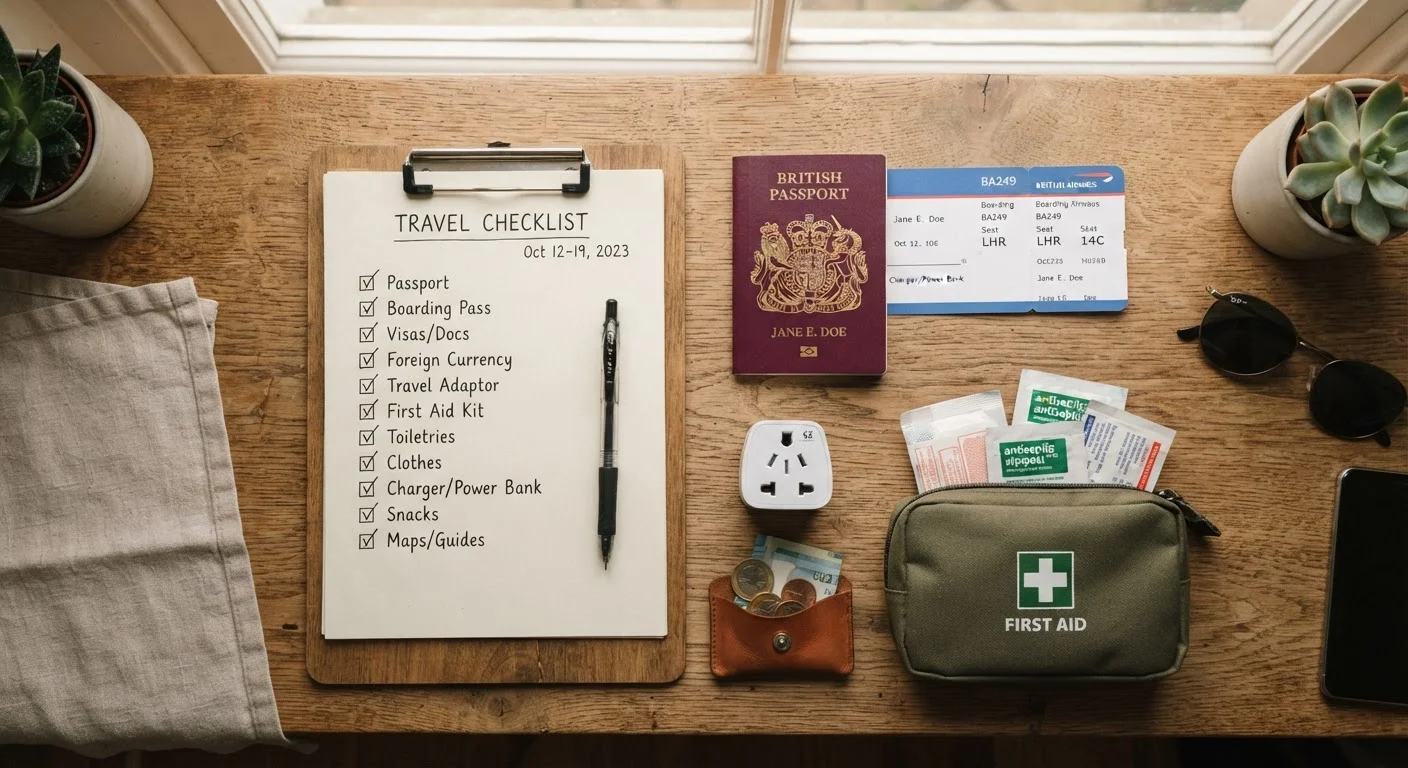
Include all of this in your pre-trip checklist so nothing gets overlooked in the rush before departure.
How to Verify the Rules for Your Destination
No article - including this one - can substitute for official verification. Rules change, enforcement varies, and details depend on the specific medication, quantity, and country combination. Here's where to actually look:
- The destination country's embassy or consulate in the US is often the most direct source for what's allowed through their customs.
- The US Department of State's country information pages include health and legal notes relevant to travelers.
- The destination country's customs or health ministry website may list controlled substance schedules or import rules.
- Your prescribing physician should know if your medication is commonly flagged internationally and can write a travel letter tailored to those concerns.
Build in time - this research can take days if embassies require written inquiries. Don't leave it until the week before your trip.
150+
Countries with unique controlled substance import rules
The International Narcotics Control Board tracks signatory countries, each of which implements its own national schedules and import regulations independently.
30-90 days
Typical supply limit many countries allow for visitors
Permitted quantities vary widely by country and drug category; always verify the specific limit for your destination and medication before travel.
Practical Packing and Supply Planning
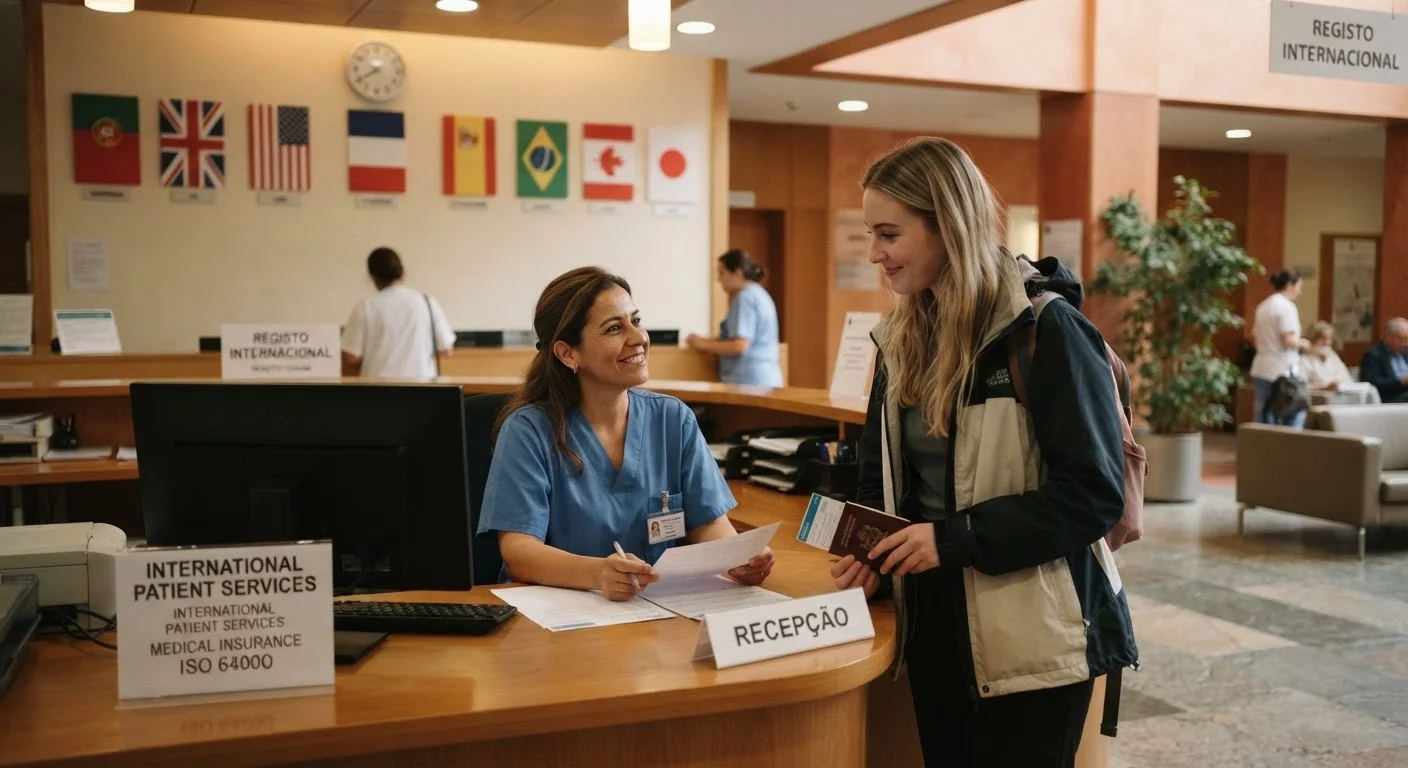
Logistics matter as much as legal compliance. Running out of a critical medication in a foreign country can be genuinely difficult to resolve - local pharmacies may not stock it, require a local prescription, or carry a different formulation entirely. See our guide on getting medical care in a foreign country to understand what pharmacy access typically looks like overseas.
Always carry medications in your carry-on bag - checked luggage can be lost, delayed, or exposed to temperature extremes that degrade some drugs. If your medication requires refrigeration, research airline and customs rules for cold storage before assuming you can bring ice packs or coolers on board.
This article provides general travel information only and is not medical or legal advice. Always consult a qualified healthcare professional about your medications and verify entry requirements with official government and embassy sources before traveling.