
The Hidden Math Behind 'Cheap' Flights
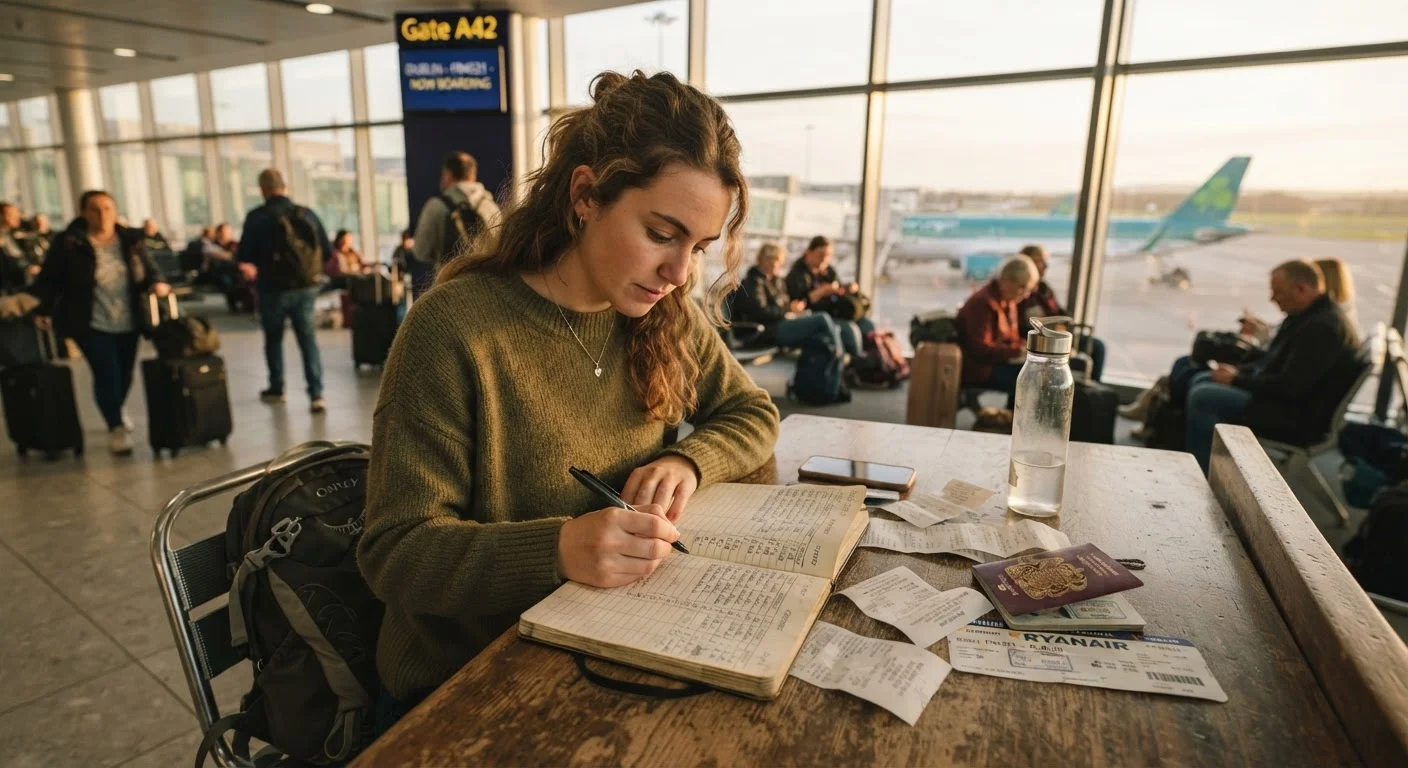
A $59 fare sounds hard to beat - until you start doing the full accounting. Budget airlines routinely charge separately for checked bags, carry-on luggage, seat selection, and even printing your boarding pass. Then there's the airport itself: many low-cost hubs sit far outside city centers, meaning a $20-$40 taxi or shuttle each way. Add two to three hours for check-in, security, and boarding, plus the same on arrival, and that quick flight absorbs most of a day.
Hidden travel costs like airport transfers are exactly the kind of expenses that quietly blow budgets. When you treat a flight's advertised price as the actual price, you're almost certainly underestimating the trip.
Overland transport sidesteps many of these traps. Train stations and bus terminals are almost always closer to city centers. Luggage is generally included. And when you buy a ticket, you usually know what you're paying upfront.
| Criterion | Overland Transport | Short-Haul Flying |
|---|---|---|
| Typical all-in cost (under 400 mi) | Often lower, fees included | Higher once fees are added |
| Door-to-door time (under 400 mi) | Comparable or faster | Longer with airport logistics |
| Luggage fees | Usually included | Frequently charged separately |
| City-center arrival | Yes, typically | Rarely - airports are peripheral |
| Scenic experience | High - countryside, towns, coast | Minimal |
| Speed advantage (500+ miles) | Loses time advantage | Clear time winner |
| Schedule flexibility | Frequent departures on busy routes | Limited to flight windows |
| Environmental footprint | Generally lower per mile | Higher per mile |
Where Ground Transport Genuinely Wins
On routes under roughly 400 miles - think New York to Boston, Chicago to Detroit, or Los Angeles to San Francisco - ground transport regularly comes out ahead on both price and total travel time once airport logistics are stripped away. A train or express bus departing from downtown and arriving downtown often takes the same door-to-door time as a flight, without the friction.
There's also an experiential dimension that's easy to undervalue. Trains pass through landscapes, small towns, and coastal scenery that you'd never see from 35,000 feet. Ferry crossings give you open water, fresh air, and a genuine sense of moving between places. This isn't just a nice bonus - if the journey matters to you, it's a meaningful part of the trip. Slow travel approaches often pair naturally with overland routes, letting you see more while spending less.
~2-3 hrs
Average airport overhead added to short-haul trips
Travel industry estimates suggest short-haul flyers typically spend two to three additional hours on airport-related logistics versus city-center transport.
400 miles
Rough threshold where flying's speed advantage becomes meaningful
Transport researchers and travel planners generally cite routes above 400 miles as where air travel's time savings begin to outweigh airport friction costs.
20-50%
Typical premium added by airline ancillary fees
Consumer aviation studies have found that checked bags, seat selection, and other add-ons can increase a base fare by 20 to 50 percent on budget carriers.
When Flying Still Makes Sense
Ground transport isn't always the answer. If you're covering more than 500 miles, or if the overland connection requires multiple transfers through inconvenient locations, flying can save enough time to justify the higher cost. International routes where no reasonable overland option exists are an obvious case. So are situations where you're visiting a destination with poor rail or bus infrastructure, where overland travel becomes exhausting rather than scenic.
The key is to actually run the comparison rather than assume. Flight search strategy matters too - flexible dates and nearby airports can sometimes bring air travel closer to overland prices, especially on competitive routes. But that comparison only works if you're counting everything: fees, transfers, and your own time.
The honest framework is simple: calculate door-to-door time and all-in cost for both options. Whichever comes out ahead for your specific route and circumstances is the right call - not the one with the lower advertised number.