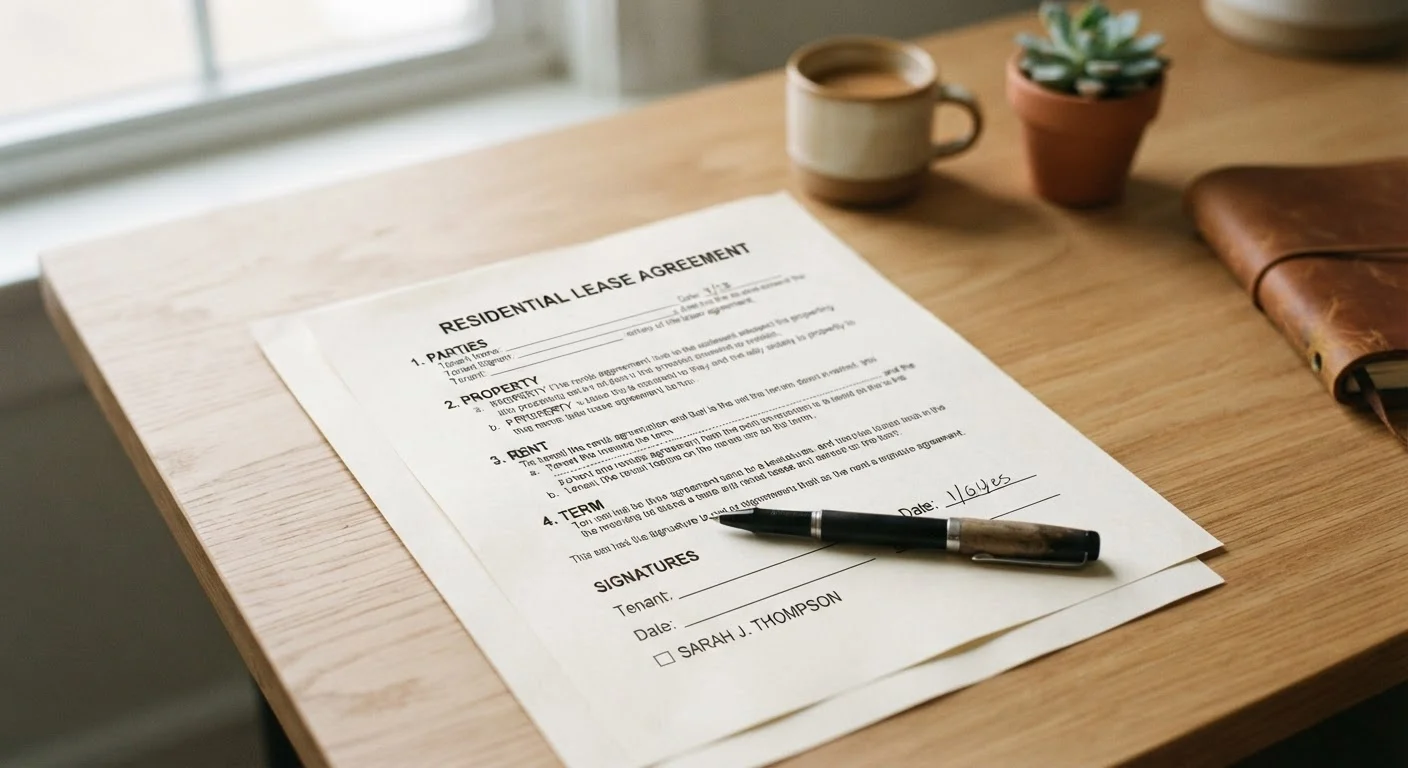

Why Renting Myths Are So Costly
Starting your first rental feels like a lot - applications, deposits, lease clauses, and a landlord you've just met. In that rush, it's easy to accept things at face value or go along with what sounds reasonable. The problem is that some very common assumptions about renting are flat-out wrong, and acting on them can cost you money, your deposit, or even your housing.
The myths below aren't obscure edge cases. They're the beliefs that regularly catch first-time renters off guard. Before you sign anything, it's worth knowing which ones might already be shaping how you think about this process. For a broader picture of what renting involves from the start, see our comprehensive first rental guide.
Myth
A verbal promise from your landlord is good enough - if they said it, they'll honor it.
Fact
Verbal agreements are extremely difficult to enforce in a rental context. If it's not in the lease or a written addendum, it may as well not exist.
Landlords sometimes make offhand promises during showings: "We'll repaint before you move in" or "Pets are fine as long as they're small." These feel binding in the moment but rarely hold up. Most states require lease agreements to be in writing to be legally enforceable, and even in states where oral agreements can technically be valid, proving what was said is nearly impossible without documentation.
Before you sign, get every promise written into the lease or into a separate signed agreement. A quick email from your landlord confirming what was discussed can also serve as useful backup. For a closer look at how lease language works, our guide to reading a lease agreement walks through what to look for.
Myth
Your landlord can enter your apartment whenever they want - it's their property.
Fact
In nearly every US state, landlords must provide advance written notice before entering a rental unit, except in genuine emergencies.
This is one of the most misunderstood areas of tenant rights. While the property does belong to the landlord, you have a legal right to quiet enjoyment - meaning peaceful, uninterrupted use of your home during your tenancy. Most states require 24 to 48 hours' written notice before a landlord can enter for non-emergency purposes such as repairs or inspections.
Emergencies - a burst pipe, a fire - are exceptions where landlords can enter without notice. But routine visits, walkthroughs, or showing the unit to prospective tenants all typically require proper notice. If your landlord is entering without it, that may be a violation of your lease and state law. Our article on landlord entry rules covers this in detail.
Myth
Your security deposit is basically the landlord's money - expect to lose most of it.
Fact
Security deposits are regulated by state law. Landlords can only deduct for specific, documented reasons - and must return the remainder within a set timeframe.
Most states cap security deposits at one to two months' rent and require landlords to return unused funds (along with an itemized list of any deductions) within 14 to 30 days of move-out, depending on the state. Legitimate deductions generally cover unpaid rent and damage beyond normal wear and tear. Things like minor scuffs, small nail holes, or carpet worn down through regular use typically do not qualify.
To protect your deposit, conduct a thorough move-in inspection and photograph everything. Then do the same on move-out day. For a detailed breakdown of what landlords can and cannot legally deduct, see our article on what a security deposit actually covers.
Myth
The landlord's insurance covers you and your belongings if something goes wrong.
Fact
A landlord's insurance policy covers the building structure - not your personal property or personal liability.
If a pipe bursts and damages your furniture, or your laptop is stolen in a break-in, your landlord's policy won't help you. Their coverage typically protects the physical building and the landlord's liability - not the tenant's possessions or the tenant's own liability.
Renter's insurance fills that gap. It's generally affordable and covers personal belongings against theft, fire, and certain water damage, as well as liability if someone is injured in your unit. Some landlords actually require it as a lease condition, but even when they don't, it's worth considering. Budget for it alongside your other hidden rental costs when planning your move.
Myth
A month-to-month lease is always better because it gives you freedom.
Fact
Month-to-month leases offer flexibility, but they often come with higher monthly rent and less stability - including the risk of shorter-notice termination by either party.
Month-to-month arrangements let you leave with relatively short notice (typically 30 days), which sounds appealing. But landlords can also end the tenancy on similar terms, and they often charge a premium - sometimes $100 to $200 or more per month above the standard lease rate - in exchange for that flexibility.
For renters who need stability or are trying to keep costs predictable, a fixed-term lease (usually 12 months) generally offers a lower monthly rate and protection against sudden rent increases or termination during the lease period. The right choice depends on your circumstances, but it's worth going in with both pictures clearly in mind rather than assuming flexibility is always the better deal.
Protecting Yourself After You Know the Facts
Knowing these corrections is only half the work. The other half is putting them into practice before and during your tenancy.
- Document everything in writing. Any agreement reached verbally - a promise to repaint, fix an appliance, or allow a pet - should be confirmed via email or a lease addendum before you move in.
- Read the full lease before signing. It's the legal document that governs your tenancy. If any clause is unclear, our rental lease jargon guide breaks down common terms in plain English.
- Take a move-in inspection seriously. Photograph every existing scratch, stain, and scuff on day one. This record is your main defense if a landlord later tries to charge you for pre-existing damage.
- Know your state's rules. Tenant rights vary by state and sometimes by city. For a foundational overview of what protections most renters are entitled to, see tenant rights every new renter should understand.
Don't Assume Your Situation Is Standard
Tenant rights, deposit limits, and notice requirements vary significantly from state to state - and sometimes by city or county within a state. What's true in California may not apply in Texas or Ohio. Always verify the rules specific to your location through your state's official tenant rights resources or a local legal aid organization before assuming a general rule applies to you.
The goal isn't to approach renting with suspicion - most landlord-tenant relationships work well when both sides understand the rules. See our tips on keeping a good relationship with your landlord for practical habits that keep things smooth. But understanding your rights and responsibilities from day one means you won't be caught off guard when a situation gets complicated.