
Why This Decision Is Harder Than It Looks
Deciding whether to rent your own place or stay at home a little longer is one of those choices that looks simple on the surface - rent costs money, staying home saves it - but quickly gets complicated the moment you look at the full picture.
The financial case for renting isn't just about monthly rent. There's a security deposit (typically one to two months' rent), moving costs, utility setup, renters insurance, and the reality that most apartments don't come fully furnished. On the other side, staying home has costs too - sometimes financial, often personal.
What follows is a grounded look at both sides, so you can make a decision that fits your actual situation rather than one based on social pressure or a vague sense of what you're "supposed" to do.
This Is General Information, Not Financial Advice
The considerations here are meant to help you think through the decision more clearly - they are not a substitute for advice tailored to your personal financial situation. If you're weighing a significant housing move, speaking with a financial counselor or advisor can help you model the numbers specific to your income and goals.
The Real Pros of Renting Your Own Place
Renting your own space gives you something that's hard to put a price on: control over your daily environment. You set the rules, the schedule, and the atmosphere. For many people, that shift in autonomy has a direct effect on their productivity, mental clarity, and sense of self-direction.
Full control over your living environment
You make the decisions about guests, schedules, and household rules - a significant shift for anyone used to living by someone else's preferences.
Builds real-world budgeting and life skills
Managing rent, utilities, and household expenses independently teaches financial responsibility in a way that's difficult to replicate while living at home.
Privacy and personal space on your terms
Having your own space can reduce daily friction and support clearer boundaries - especially important if your home environment is tense or crowded.
Proximity to work or social opportunities
Renting closer to your job or city center can reduce commute time and open up social and career connections that a distant family home may limit.
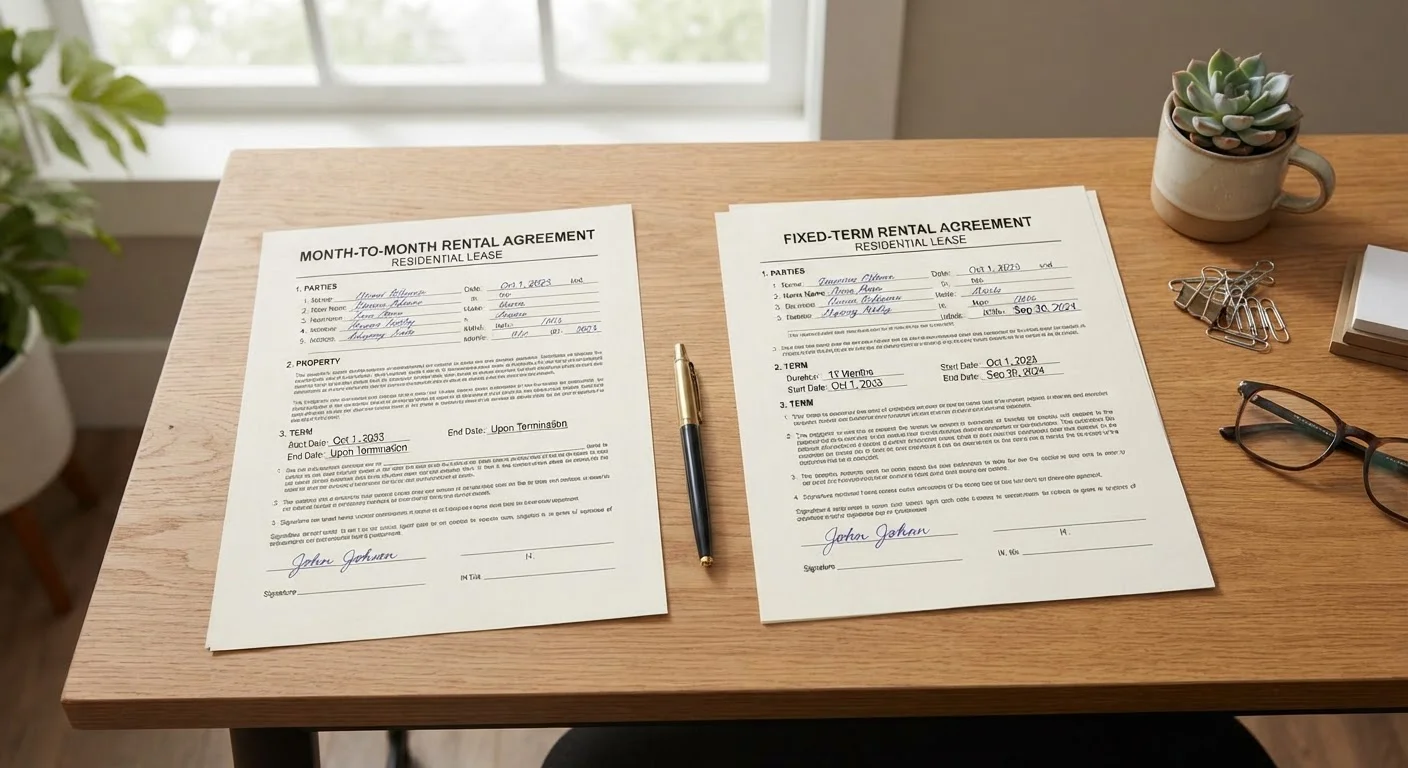
Beyond the personal, renting also builds practical life skills fast. Budgeting for rent, dealing with landlords, understanding what a lease actually commits you to - these are things you learn by doing. If you're curious about lease types before committing, understanding the difference between month-to-month and fixed-term leases is a useful starting point.
The Real Cons of Renting Your Own Place
The costs of renting go well beyond the number on the listing. Once you factor in utilities, internet, groceries, and furnishings, the monthly expense is often 30-50% higher than rent alone. That gap catches a lot of first-time renters off guard.
High upfront costs before you even move in
Security deposits, first and last month's rent, and moving expenses can easily amount to several thousand dollars before you've spent a night in the place.
Ongoing expenses stretch well beyond rent
Utilities, renters insurance, groceries, and household supplies add meaningful monthly costs that aren't reflected in the listed rent price.
Less financial cushion for emergencies
When rent takes a large share of your income, unexpected expenses - a medical bill, a car repair - are harder to absorb without going into debt.
Lease terms create legal obligations
Breaking a lease early typically comes with penalties, and misunderstanding your agreement can lead to disputes over deposits or repairs.
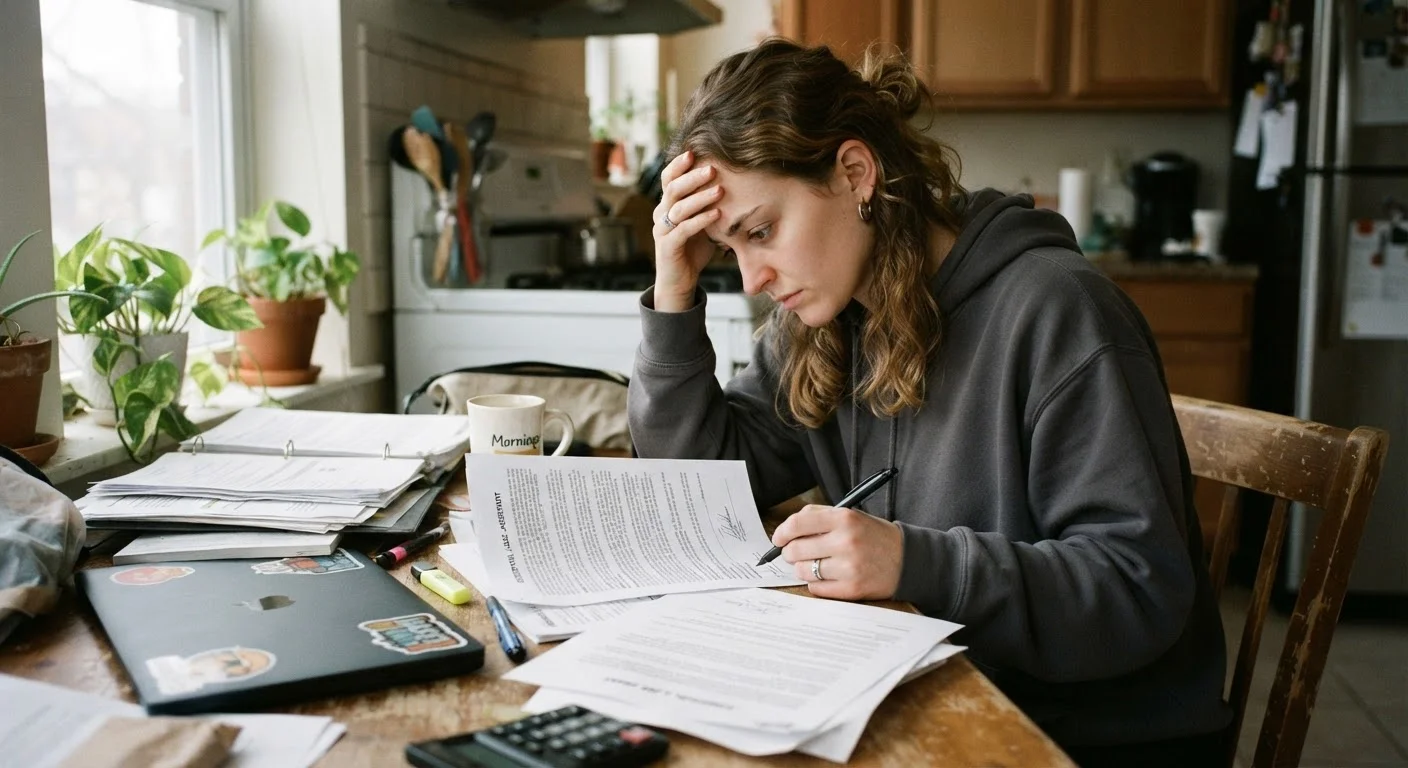
It's also worth knowing that lease agreements carry real legal weight. Common assumptions new renters make about their lease - like assuming a landlord's verbal promise is enforceable - can turn into expensive lessons. Read what you sign, and ask questions before you commit.
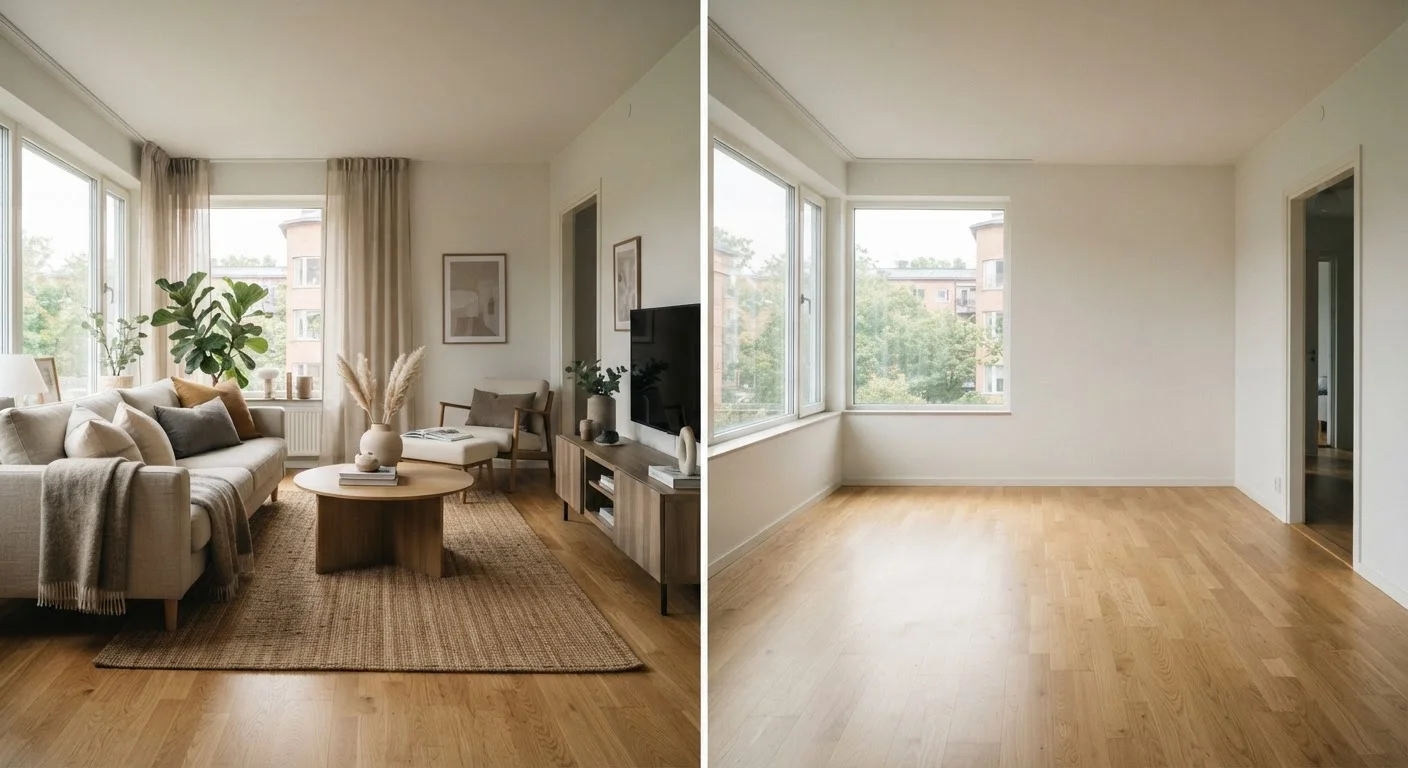
For those thinking through the furnishing side of the equation, the true cost difference between furnished and unfurnished rentals is worth understanding before you sign anything.
The Case for Staying Home Longer
Staying at home longer than expected is increasingly common among young adults in the US, and for good reason. Rent-to-income ratios in many cities have climbed significantly, making it genuinely difficult to rent and save simultaneously.
~30%
Recommended rent-to-income ceiling
Financial guidance commonly suggests keeping housing costs at or below 30% of gross monthly income, though this threshold is increasingly difficult to meet in many US metro areas.
1 in 3
Adults aged 18-34 living with parents
US Census Bureau data shows a substantial share of young adults live with parents or relatives, reflecting both housing costs and shifting social norms around independence.
If your living situation at home is functional - meaning you have reasonable privacy and a supportive dynamic - using that time to pay down debt, build an emergency fund, or save toward a larger goal can put you in a meaningfully stronger financial position within one to two years.
The key word is functional. Staying home under stressful conditions can affect your wellbeing in ways that outweigh the financial benefit. That's a real cost too, even if it doesn't show up in a spreadsheet.