
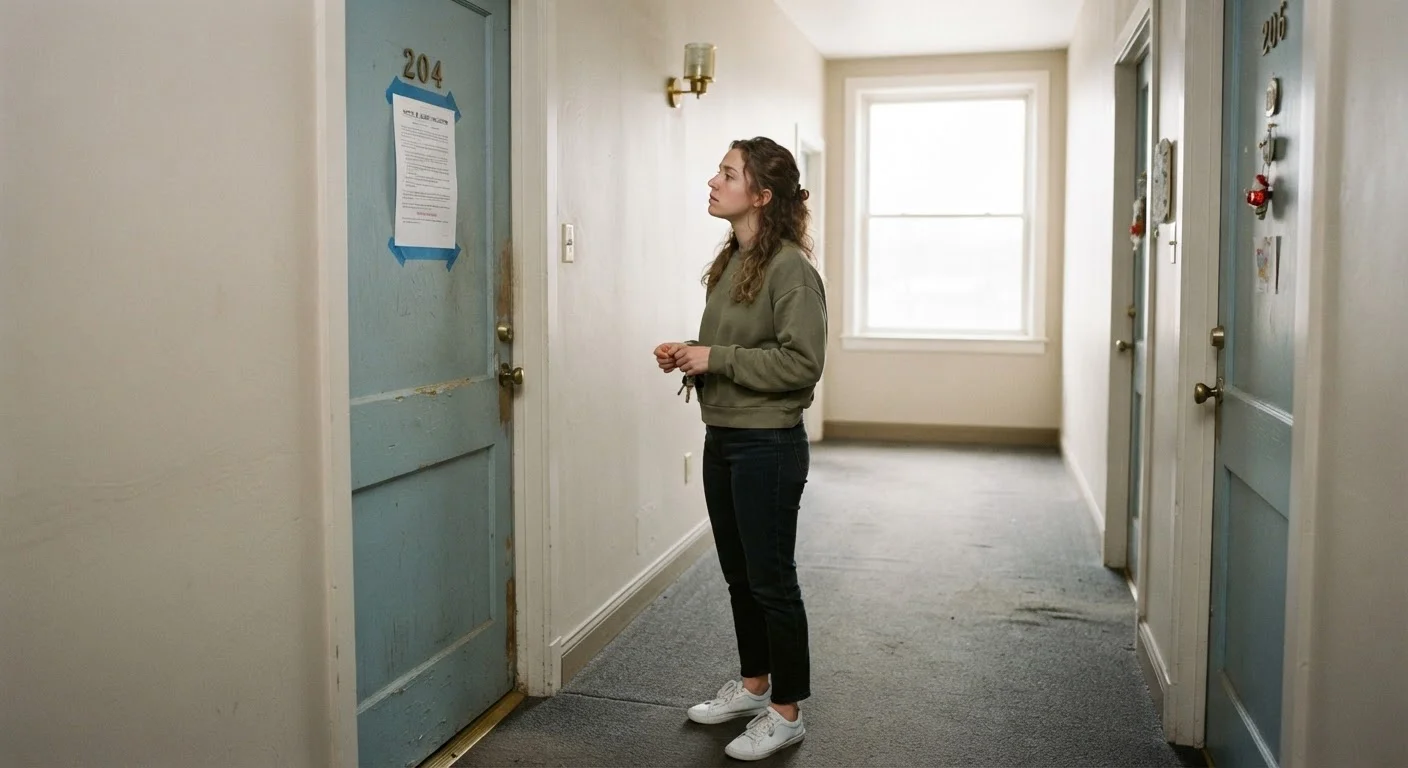
Your Home Is Still Your Home
When you sign a lease, you take on a legal tenancy - and with it, a right to privacy. Your landlord owns the building, but you have the right to occupy it without constant intrusion. This concept is often called quiet enjoyment, meaning you're entitled to live in your rental without unreasonable interference.
That said, landlords do have legitimate reasons to access the property. The rules exist to balance both sides: your privacy and the landlord's need to maintain and manage the building. Understanding where that line sits helps you handle entry requests confidently - and pushes back when something isn't right.
For a broader look at your legal protections as a renter, see Tenant Rights Every New Renter Should Understand.
The Notice Requirement: What the Law Generally Says
Landlord-tenant law in the U.S. is set at the state level, so the exact rules depend on where you live. That said, most states follow a common baseline:
- 24 hours' advance notice is the most widely required minimum for non-emergency entry.
- Notice should typically be in writing, though some states accept verbal notice in limited situations.
- Entry must happen at a reasonable time - usually during normal daytime hours on weekdays, unless you've agreed otherwise.
A few states require 48 hours' notice for routine inspections. Your lease should reflect state law, but if it gives the landlord more access than the law allows, that clause may not hold up. It's worth checking your specific state's statutes or contacting a local tenant rights organization if you're unsure.
24 hrs
Minimum notice required in most U.S. states
The majority of state landlord-tenant statutes set 24 hours as the standard minimum for non-emergency landlord entry.
~18
States requiring written notice specifically
Roughly half of U.S. states explicitly require written notice rather than verbal notice for landlord entry, according to general landlord-tenant law surveys.
48 hrs
Notice period required in select states
Some states, including California, require 48 hours' advance notice for routine inspections, providing tenants additional lead time.
For tips on spotting concerning clauses before you commit, see Reading a Lease Agreement Without Getting Lost.
When Landlords Are Allowed to Enter
Proper notice doesn't automatically justify any visit. Landlords can typically enter only for specific, lawful reasons. Commonly accepted grounds include:
- Making repairs or maintenance - including pre-scheduled work you requested
- Conducting periodic inspections - some leases allow these annually or semi-annually
- Showing the unit - to prospective tenants or buyers, usually toward the end of a lease
- Emergencies - fire, flooding, gas leaks, or situations where immediate access is needed to prevent harm
What landlords generally cannot do is drop by to check up on you without cause, monitor your lifestyle, or enter repeatedly in a way that feels harassing. If you notice a pattern of unexplained or excessive visits, that may be worth documenting and discussing with a tenant advocate.
What to Do If Something Feels Off
If your landlord enters without proper notice - or without a valid reason - here's a practical approach:
- Document it immediately. Write down the date, time, and what happened. Save any messages or voicemails related to the visit.
- Communicate in writing. Send a calm, factual message referencing your state's notice requirement and asking that future entry follow the proper process. Written records matter if disputes escalate.
- Know where to get help. Local tenant rights organizations, legal aid offices, and your state's housing authority are good starting points. Many offer free guidance.
A good landlord-tenant relationship is easier to maintain when both sides understand the rules from day one. See Keeping a Good Relationship With Your Landlord for practical habits that reduce friction on both sides.
And if you're curious about misconceptions new renters often carry into their first tenancy, Renting Myths That Catch First-Timers Off Guard breaks them down plainly.