What Microlearning Actually Means
Microlearning is less about the tool you use and more about how you structure your attention. The core idea is simple: instead of setting aside two uninterrupted hours to study a topic end-to-end, you isolate one small piece - a single vocabulary word, one Excel formula, a specific grammar rule - and engage with it deeply for a few minutes.
This approach reduces what psychologists call cognitive overload - the mental strain that occurs when you try to process too much new information at once. When the scope of a session is narrow, your brain can encode the material more efficiently rather than getting overwhelmed by volume.
It's worth noting what microlearning is not: it isn't mindlessly scrolling through short videos or passively listening to a podcast while distracted. Genuine microlearning requires focused, intentional engagement with a clearly defined learning target - even if that target is small.
Microlearning vs. Passive Consumption
Watching a 4-minute YouTube video on a topic does not automatically count as microlearning. The distinguishing factor is intentional engagement: a defined learning target, active attention, and some form of self-testing or application after the session. Without these elements, short content is just entertainment, not learning.
Why Small Sessions Can Produce Real Results
The effectiveness of microlearning is grounded in two well-researched learning principles: spaced repetition and retrieval practice. Spaced repetition means revisiting material at increasing intervals over time, which research in cognitive psychology consistently shows improves long-term retention compared to a single intensive study block. Retrieval practice means actively recalling information rather than re-reading it - even a brief quiz or self-test counts.
When you combine short sessions with these two techniques, the compounding effect can be significant. Ten focused five-minute sessions spread across two weeks will generally produce better retention than a single fifty-minute session crammed the night before you need the skill.
~17%
Improvement in knowledge transfer
Research published in learning science literature suggests microlearning-style approaches can improve knowledge transfer compared to longer, less-segmented formats, though exact figures vary by study design.
4-5 min
Average optimal microlearning session length
Instructional designers commonly cite sessions of 4-5 minutes as a practical sweet spot for focused encoding, based on general principles of working memory capacity.
Microlearning also lowers the barrier to starting. One of the most common obstacles to learning something new is the feeling that you don't have enough time for a full session. A five-minute commitment is much easier to schedule - and much harder to talk yourself out of.
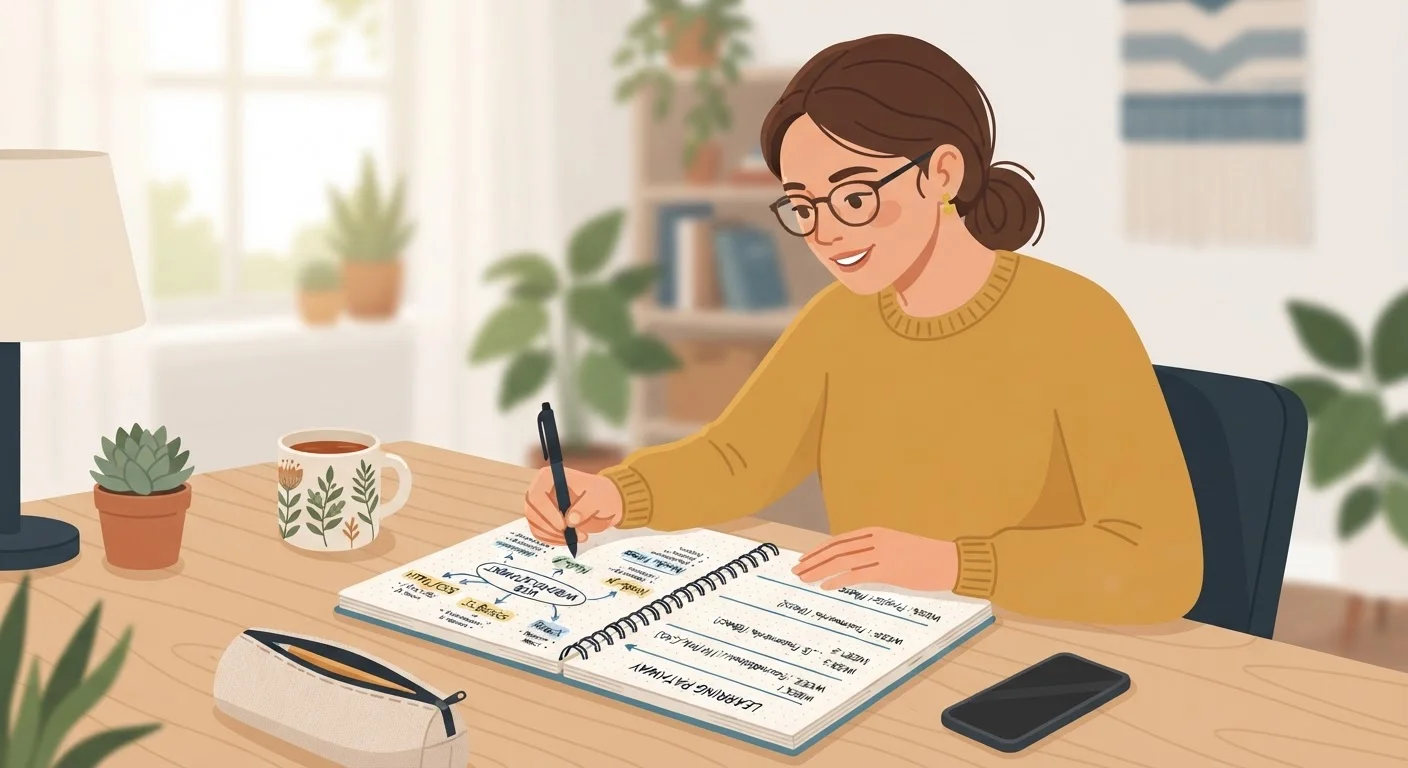
For a structured way to organize these sessions into a coherent path, see our guide to building a personal learning plan.
When Microlearning Works - and When It Doesn't
Microlearning shines when the content is discrete and well-defined: programming syntax, language vocabulary, factual recall, step-by-step procedures, or tool-specific shortcuts. These are things that can be meaningfully understood in isolation and then applied immediately.
It becomes less effective for subjects that require you to hold multiple interconnected concepts in mind at once - advanced mathematics, philosophical reasoning, or understanding a novel's themes all benefit from sustained, uninterrupted thinking that microlearning's format actively discourages.
Microlearning is also not a shortcut to depth. If you're aiming to develop a genuinely marketable skill, short sessions need to be part of a larger, intentional structure. Consider how passion projects versus structured curricula each shape how deeply you develop a skill - microlearning fits within both approaches, but it won't replace the deliberate practice that builds real fluency.
Build a Micro-Session Log
Keep a simple running list - even a notes app works - of what concept you covered, the date, and one sentence summarizing what you learned. Reviewing this log before each new session serves as a lightweight retrieval practice moment and makes your progress visible, which supports motivation over time.
The honest framing: microlearning is a tool, not a philosophy. Using it well means knowing what it's suited for and pairing it with whatever else your learning goals require.
How to Start Using Microlearning Today
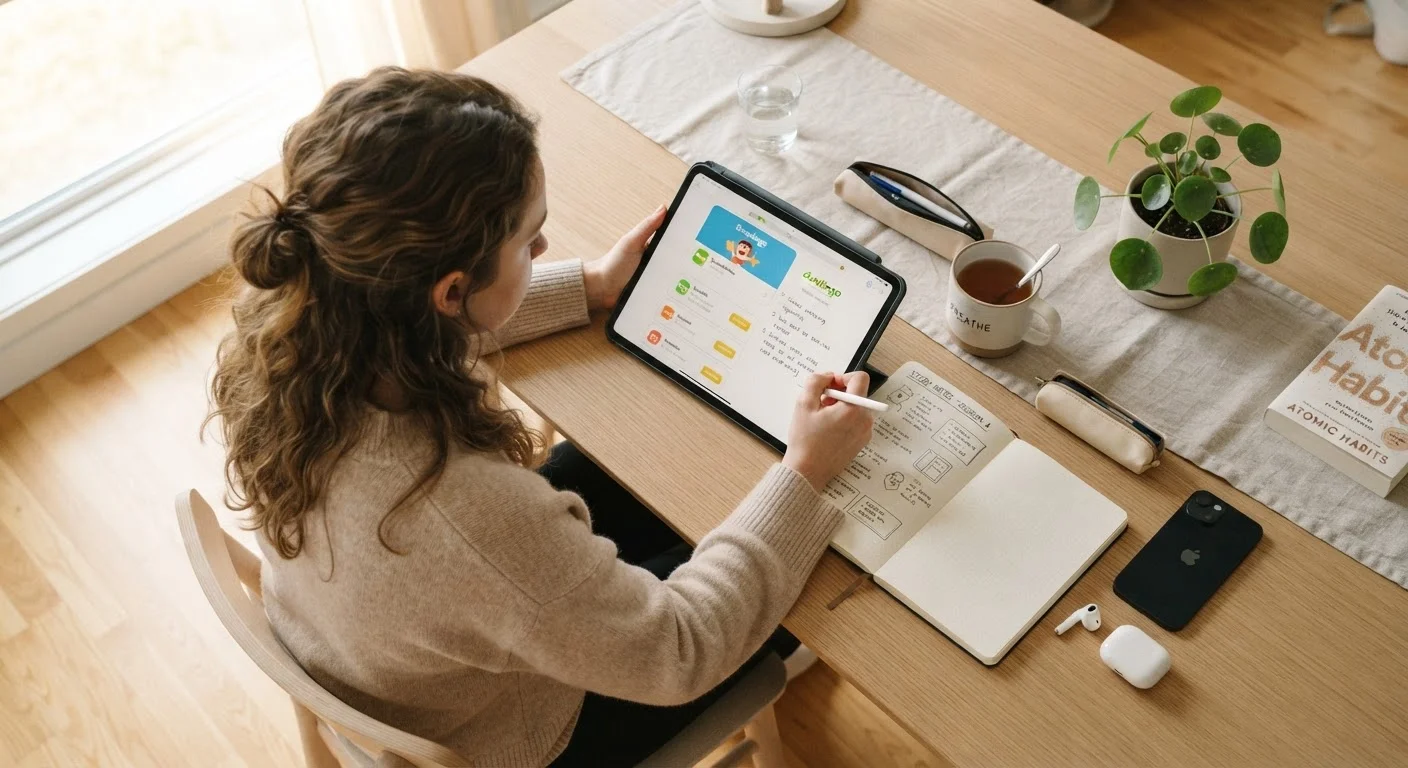
You don't need a specialized platform or app to begin. Here's a practical framework to get started:
- Pick one specific skill or subject area. Vague goals like "learn Python" are too broad. Narrow it to something like "understand what a for-loop does."
- Set a time limit before you start. Five to ten minutes is a reliable target. Use a timer if it helps. This creates the constraint that defines microlearning.
- Choose one resource for that session only. A short tutorial clip, a flashcard deck, a single documentation page - not a whole course playlist.
- Test yourself before you move on. Can you explain the concept without looking? Can you apply it to a simple example? If not, that's valuable information - not failure.
- Space your next session out. Returning to the same concept the next day, and again in three days, reinforces the neural pathways more effectively than repeating it immediately.
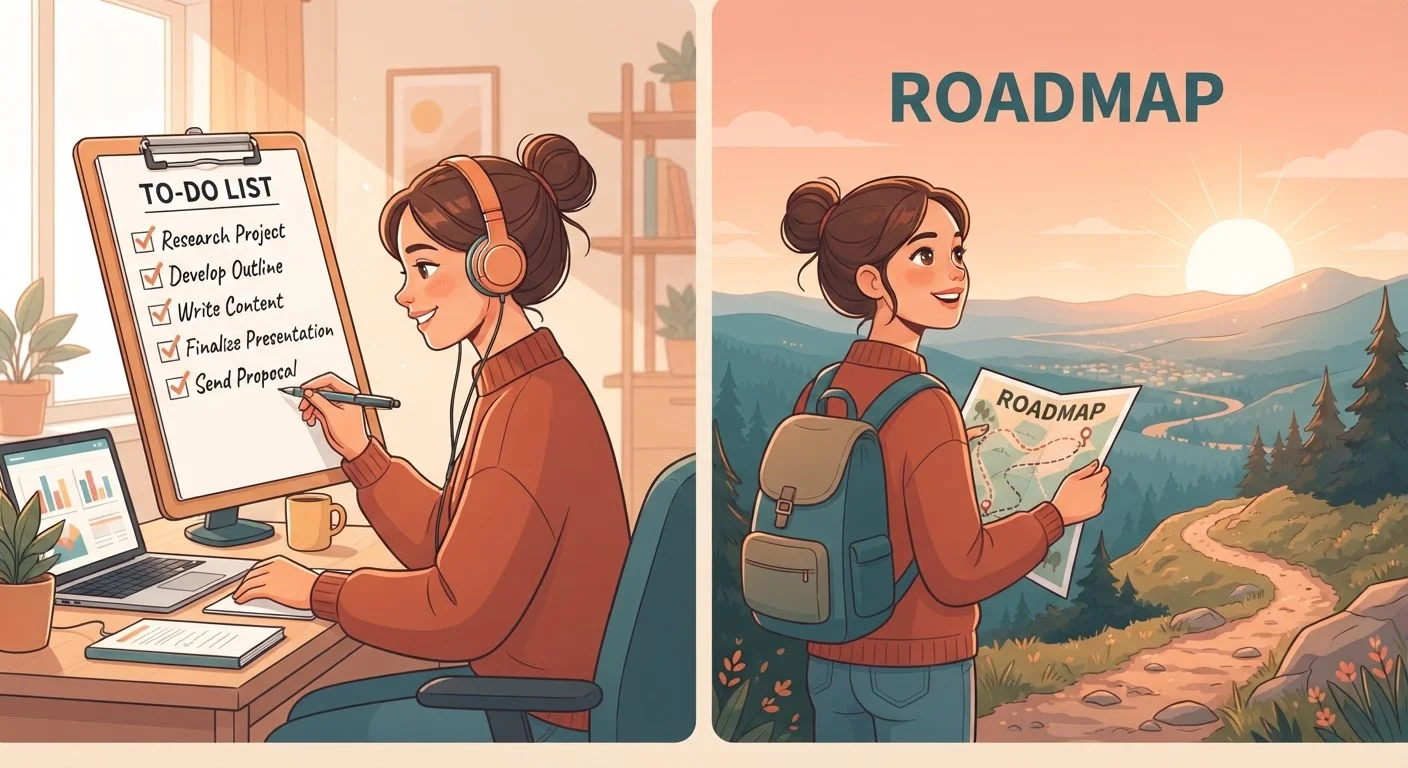
Tying these sessions to a broader goal keeps momentum alive. Our article on balancing short-term wins with long-term vision offers a useful lens for making sure your small sessions are adding up to something meaningful - and that you can see the progress as it happens.