What Each Device Actually Detects
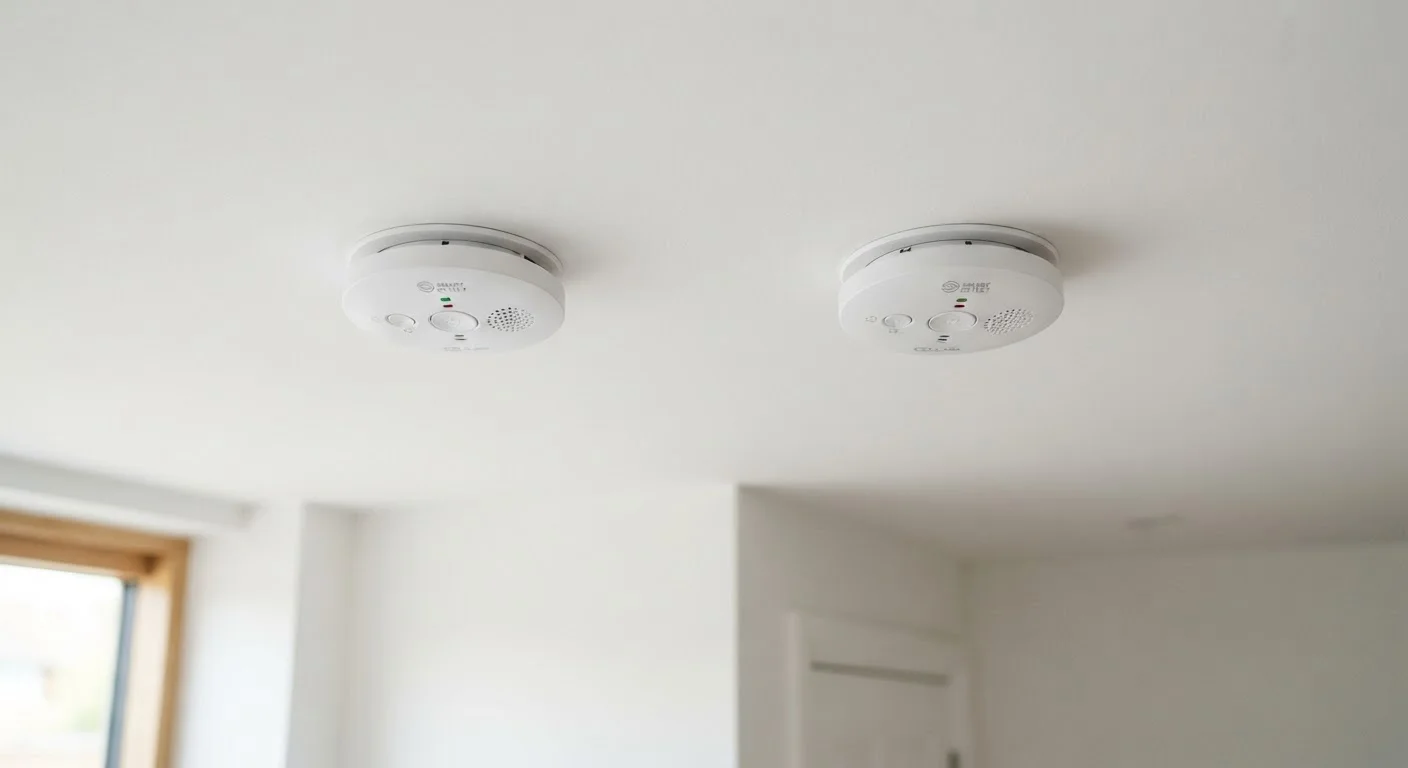
Smoke alarms and carbon monoxide (CO) detectors share a similar round shape and a tendency to beep at inconvenient times - but that's roughly where the similarities end. Each one responds to a completely different threat.
A smoke alarm detects particles produced by combustion. Most residential models use one of two sensor types: ionization sensors, which respond quickly to fast-flaming fires, or photoelectric sensors, which are better at catching slow, smoldering fires. Some alarms combine both. The alarm sounds when enough particles enter the sensing chamber - giving you time to evacuate before a fire grows.
A carbon monoxide detector measures the concentration of CO gas in the air, expressed in parts per million (ppm). CO is produced when fuel - gas, oil, wood, propane - burns incompletely. It has no color, no odor, and no taste, which makes it impossible to detect without a sensor. At elevated concentrations it can cause headaches, confusion, and loss of consciousness. The detector sounds before levels become acutely dangerous.
Because they measure entirely different things, no single traditional sensor can do both jobs. A smoke alarm will not alert you to a CO leak, and a CO detector will not catch a kitchen fire.
| Criterion | Smoke Alarm | CO Detector |
|---|---|---|
| What it detects | Fire smoke particles | Carbon monoxide gas (ppm) |
| Threat it addresses | Fire and flames | Fuel combustion leaks |
| Ideal placement height | Ceiling or high on wall | Breathing height (per manufacturer) |
| Test frequency | Monthly | Monthly |
| Unit lifespan | ~10 years | 5-7 years |
| Can detect the other's threat? | No | No |
Where to Place Them and How Often to Maintain Them
Placement and upkeep are where a lot of first-time renters and homeowners make preventable mistakes. Getting this right doesn't take much time - it just takes knowing the guidelines.
Smoke Alarms
- Where: On every level of the home, inside each bedroom, and outside every sleeping area. Mount on the ceiling or high on a wall (within 12 inches of the ceiling). Keep them away from cooking areas to reduce false alarms - but not so far that they can't detect a real fire.
- Test: Press the test button monthly.
- Replace batteries: At least once a year, or when the low-battery chirp starts. Some models have sealed 10-year batteries.
- Replace the unit: Every 10 years. Sensors degrade over time even if the alarm still sounds during a test.
Carbon Monoxide Detectors
- Where: On each level of the home and near sleeping areas so the alarm can wake you. Unlike smoke, CO disperses relatively evenly, so ceiling or outlet height both work - follow the manufacturer's instructions. Keep them at least 15 feet from fuel-burning appliances to avoid nuisance alerts.
- Test: Monthly, using the test button.
- Replace batteries: Annually, or per manufacturer guidance.
- Replace the unit: Every 5-7 years, depending on the model. Check the label on the back for the manufacture date.
Check Your Local Code Requirements
Most US states now require carbon monoxide detectors in addition to smoke alarms, particularly in homes with attached garages or fuel-burning appliances. Requirements for rental properties often place the initial installation obligation on landlords. Visit your state fire marshal's website or local building department to confirm exactly what's required where you live.
State and local laws vary on required detector types and placement. Check your jurisdiction's requirements - especially if you're a renter, since landlord obligations differ by state. The National Fire Protection Association (NFPA) publishes standards (NFPA 72 and NFPA 720) that many local codes are based on.
For a broader look at easy-to-miss home safety tasks, see our maintenance tasks most people overlook - detectors are just one piece of the picture.
How to Know When Something Is Wrong
Both devices use distinct alert patterns, and knowing what each sound means can matter in a real emergency.
A continuous alarm on either device means act now: evacuate immediately, then call 911 from outside. For a CO alarm, leave all doors open as you exit to ventilate the space. Do not re-enter until emergency responders have cleared it.
A chirping pattern - typically one beep every 30-60 seconds - usually signals a low battery or, on older units, end of service life. This is the signal to replace the battery or the unit itself, not to ignore it.
If your smoke alarm goes off from cooking steam or toast, resist the urge to remove the battery. Instead, fan the area to clear it. Disabling a detector - even temporarily - is a genuine safety risk.
Our room-by-room home warning signs checklist covers other signals your home might be giving you that are worth paying attention to alongside your detectors.
This article is for general informational purposes only. Always follow manufacturer instructions and consult local fire safety codes for requirements specific to your home.