The Tasks That Fall Through the Cracks
Most people handle the obvious stuff - changing a light bulb, unclogging a drain, replacing a broken tile. But a quieter category of home maintenance tends to go ignored until a system breaks down, a bill spikes, or worse, a safety issue appears. These aren't complicated jobs. They just don't announce themselves.
If you've recently moved into your first place or you're trying to build smarter habits, understanding these overlooked tasks is one of the most practical things you can do. Think of it as filling in the gaps in your home maintenance knowledge. The first-year homeowner guide covers the broader schedule, but this list goes deeper on the tasks that routinely slip through even diligent routines.
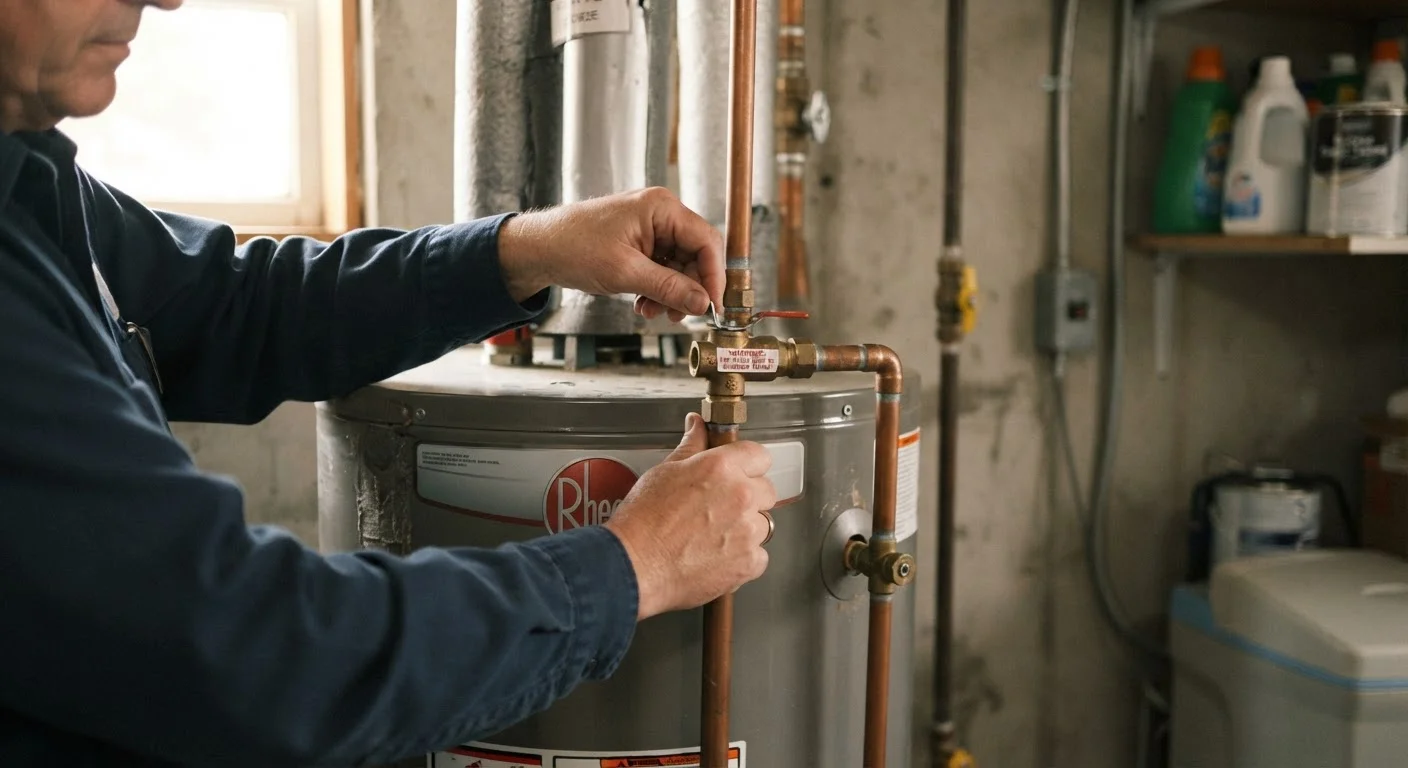
Testing the pressure relief valve on your water heater
The TPR valve on a water heater is a safety device designed to release pressure if the tank overheats. It should be tested roughly once a year by briefly lifting the lever and checking that water flows out - and stops when you release it. A valve that's stuck, corroded, or leaking constantly is a warning sign that warrants a licensed plumber. This is not a task to skip: a failed TPR valve on an overheating tank is a genuine hazard. If you're unsure about the condition of your water heater, have a professional inspect it.
A stuck or corroded TPR valve is a safety issue, not just a maintenance footnote.
Cleaning the dryer lint trap - and the duct behind it
Clearing the lint screen before every load is something most people do. What fewer people do is clean the exhaust duct that runs from the dryer to the outside of the home. Lint accumulates in this duct over time, restricting airflow and creating a fire risk. The U.S. Fire Administration has consistently identified dryers as a leading cause of home fires, with failure to clean the appliance cited as the top contributing factor. Detach the duct annually, clear any buildup, and check that the exterior vent flap opens freely when the dryer runs.
Lint in the exhaust duct - not just the screen - is the dryer fire risk most people miss.
Vacuuming refrigerator condenser coils
Refrigerator condenser coils release heat to keep the interior cold. When they're coated in dust and pet hair, the fridge has to work harder to maintain temperature - shortening the compressor's lifespan and raising your energy use. On most models, the coils are located either at the back or behind a grille at the bottom front. Unplug the fridge, use a coil brush or vacuum attachment, and clean them every six to twelve months. It takes about ten minutes and can meaningfully extend the appliance's working life.
Dusty condenser coils make your fridge work harder and wear out sooner.
Replacing HVAC and furnace filters on schedule
Most HVAC and furnace filters are rated for one to three months depending on the type and household conditions (pets, allergies, and occupancy all affect this). A clogged filter doesn't just reduce air quality - it forces the system to strain, which can cause overheating, reduced efficiency, and in some cases premature blower motor failure. Check your filter monthly and replace it as soon as it looks grey and clogged. Note the filter size on the frame so you always buy the right replacement without guessing.
A clogged HVAC filter is one of the fastest ways to shorten a heating system's life.
Testing smoke and carbon monoxide detectors properly
Pressing the test button tells you the alarm sounds - it doesn't tell you the sensor itself is working correctly. Detectors have a rated lifespan: smoke alarms are generally recommended to be replaced every ten years, and carbon monoxide detectors every five to seven years (check the manufacturer's date). Knowing the difference between the two devices also matters - they detect completely different dangers and should be placed in different locations. The guide to smoke alarms and CO detectors covers placement and testing in detail.
Testing the button confirms the alarm works - not that the sensor is still effective.
Flushing sediment from the water heater tank
In areas with hard water, mineral sediment settles at the bottom of a water heater tank over time. This insulates the water from the heating element, making it less efficient and causing the tank to run hotter and longer. Flushing the tank annually - attaching a hose to the drain valve and letting water run until it clears - removes this buildup. Turn off the power or gas and cold water supply first, and let the tank cool before draining. If your water heater is older or you haven't done this before, it may be worth having a plumber do the first flush, as a neglected drain valve can sometimes seize.
Sediment at the bottom of a water heater quietly drives up energy use year after year.
Clearing slow drains before they block completely
A drain that empties slowly is showing you it's partially obstructed - usually with hair, soap scum, or grease. Waiting until it's completely blocked means a harder fix, possible overflow, and sometimes a plumber's bill. Regular cleaning with a drain snake or simple physical removal of debris from the stopper is enough for most bathroom drains. Avoid relying heavily on chemical drain cleaners, which can damage pipes over time. The guide to keeping drains clear without harsh chemicals covers safer, effective methods.
A slow drain is a warning - not an inconvenience to put off until next month.
Build the Habit Before You Need It
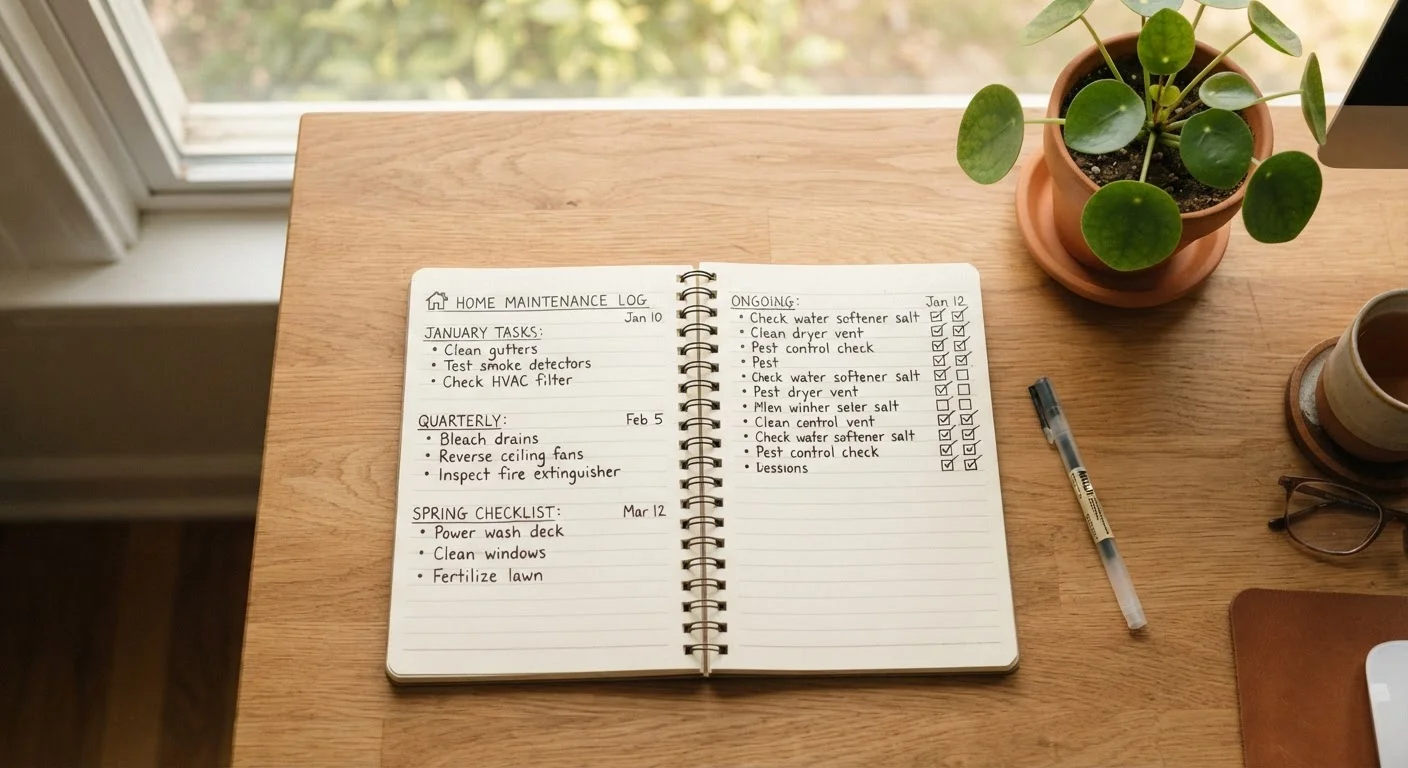
None of these tasks is difficult on its own. The challenge is remembering to do them before something goes wrong. One practical approach: keep a simple log of service dates and observations so nothing falls off your radar. The case for a home maintenance log explains exactly what to track and why it pays off over time.
It's also worth pairing this list with a seasonal review - the seasonal home maintenance checklist gives you a structured framework for spacing out tasks throughout the year rather than doing everything at once.
Set Calendar Reminders for Each Task
Rather than trying to remember every interval, add recurring reminders to your phone or calendar at the start of each season. Assign each task a month - for example, filter checks in January and July, dryer duct cleaning in October. Spreading them out prevents overwhelm and makes it far less likely that a task gets skipped entirely.
This article is for general informational purposes only. For tasks involving gas lines, structural elements, or electrical panels, always consult a licensed professional and verify any permit requirements with your local authority.