
Why Maintenance Feels Overwhelming at First
Buying a home means inheriting every pipe, wire, filter, and shingle - and the responsibility that comes with all of them. If you're coming from renting, the shift can feel abrupt. Renting comes with a landlord safety net for repairs; homeownership doesn't. That's not a reason to panic - it's a reason to build a simple system.
The good news: most routine maintenance is genuinely straightforward. The tasks that protect your home aren't complicated. They just need to happen on a schedule. Think of it less like reacting to problems and more like giving your home regular checkups.
HVAC
Stands for Heating, Ventilation, and Air Conditioning - the combined system that controls temperature and air quality in your home.
Pressure relief valve
A safety device on water heaters that releases pressure if the tank overheats, preventing dangerous buildup.
Caulking
A flexible sealant applied along joints and gaps - around tubs, sinks, and windows - to keep water and air from getting through.
Weatherstripping
Sealing material fitted around doors and windows to block drafts, moisture, and energy loss.
Carbon monoxide (CO) detector
A device that alerts you when colorless, odorless carbon monoxide gas - which can be produced by faulty appliances - reaches dangerous levels.
Main water shutoff valve
A valve, usually near where the water line enters your home, that stops all water flow to the house when turned off - essential to know in an emergency.
Monthly Tasks: Small Habits That Add Up
A handful of quick checks done every month can prevent the kinds of failures that cost thousands to fix. None of these take more than 20 minutes combined.
- HVAC air filter: Check monthly; replace every one to three months depending on filter type and household conditions. A clogged filter makes your system work harder and reduces air quality.
- Smoke and CO detectors: Press the test button on each unit. Replace batteries at least once a year - many people do it when clocks change.
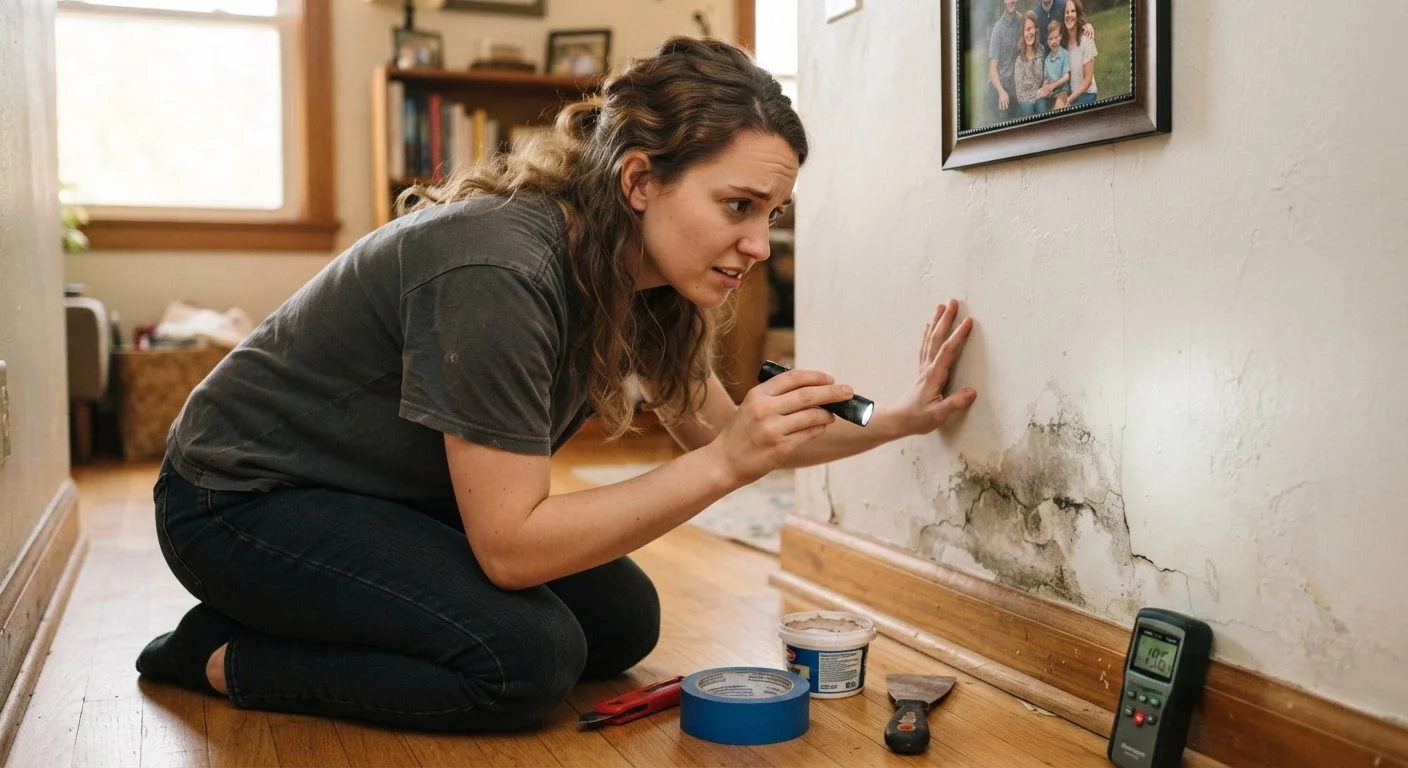
- Under-sink areas: Open cabinet doors and look for moisture, drips, or discoloration. Catching a slow leak early prevents mold and structural damage.
- Dryer lint trap: Clear it after every load. Once a year, also have the exhaust duct inspected or cleaned - lint buildup is a recognized fire hazard.
See our guide to overlooked maintenance tasks for more jobs that tend to slip through the cracks.
Seasonal Checks: What to Do Each Quarter
Seasons stress different parts of your home. Tying maintenance to the calendar makes it easier to remember.
- Spring
- Inspect window and door seals for gaps that let in drafts or moisture. Check your roof visually from the ground for missing or lifted shingles - leave any close-up roof work to a professional. Test outdoor faucets and hose bibs after winter.
- Summer
- Clean debris from gutters and downspouts. Confirm your AC is draining properly and the condenser coils outside are clear of vegetation.
- Fall
- Have your heating system serviced before you need it. Clean gutters again after leaves fall. Check weatherstripping on all exterior doors.
- Winter
- Know where your main water shutoff valve is - if a pipe freezes, you'll need to act fast. Keep cabinet doors under sinks open during hard freezes to keep pipes warmer.
For a full season-by-season breakdown, the seasonal home maintenance checklist covers everything in one place.
Tie Seasonal Checks to Something Memorable
Many homeowners schedule fall and spring maintenance to coincide with daylight saving time changes - the same day you adjust clocks is an easy trigger for checking detectors, filters, and weatherstripping. Pairing maintenance with an existing habit makes it far less likely to slip.
Annual Tasks You Shouldn't Skip
Some maintenance items only need attention once a year, but skipping them compounds over time.
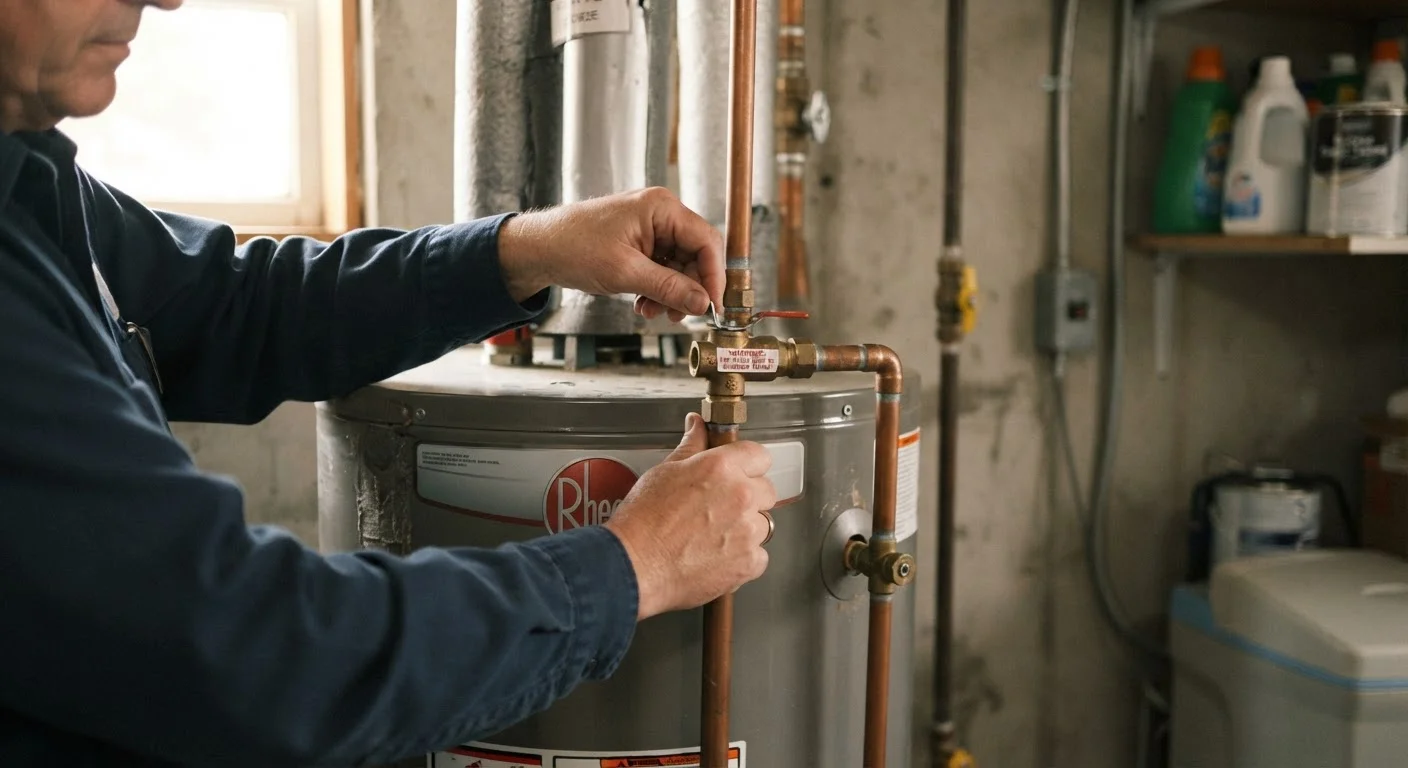
- Water heater: Inspect the pressure relief valve and check for rust or corrosion around connections. Most manufacturers recommend flushing sediment from the tank annually. Consult your owner's manual or a plumber if you're unsure how.
- Electrical panel: Look (don't touch) for any signs of scorching, tripped breakers that keep tripping, or odd smells. Electrical panels should be inspected by a licensed electrician - never attempt panel work yourself.
- Caulking and grout: Inspect bathroom and kitchen tile lines. Cracked caulk lets water behind walls, which can cause mold and structural rot.
- Pest inspection: Many homeowners book a professional pest inspection annually, particularly in areas prone to termites or rodents.
It's also worth reading up on common maintenance myths - some widely shared advice can actually make problems worse.
When to DIY and When to Call a Pro
One of the most useful skills a new homeowner can develop is knowing where their limits are. Some jobs are genuinely beginner-friendly: replacing outlet covers, patching small drywall holes, touching up paint, swapping a showerhead. Others carry serious risk if done incorrectly.
Always hire a licensed professional for:
- Electrical panel work, wiring, or anything involving the breaker box
- Gas line repairs or appliance gas connections
- Structural work (removing walls, foundation repairs)
- Roofing repairs that require getting on the roof
- Any work your municipality requires a permit for
When you're unsure whether a job is DIY-appropriate, our DIY vs. professional guide offers a clear framework for making that call. Permits matter too - unpermitted work can affect your home's insurability and resale value.
Permits Protect You, Not Just the City
It can be tempting to skip a permit for a seemingly small job to save time or money. But unpermitted work can void your homeowner's insurance coverage for related claims, create legal complications when you sell, and - in the case of electrical or structural work - create genuine safety hazards. Always verify permit requirements with your local building department before starting.
Building a Maintenance Habit That Actually Sticks
The biggest obstacle isn't knowing what to do - it's remembering to do it. A simple home maintenance log solves this. Record what you did, when you did it, and any observations (a faucet dripping slightly, a detector chirping). Over time, this log helps you spot recurring issues and gives future buyers or contractors a useful history.
Starting a maintenance log doesn't require special software - a notebook or a shared notes app works fine. What matters is consistency.
Also pay attention to the everyday habits that wear out your home faster than you'd expect - things like how you clean countertops or run the heat. Small adjustments to routine can meaningfully extend the life of your home's surfaces and systems.
Your first year as a homeowner is less about perfection and more about orientation. Build the habit, stay consistent, and you'll be well ahead of most first-timers.