Why Small Habits Have Outsized Consequences
Homes wear out gradually, not all at once. The damage that eventually requires a contractor or a replacement usually started with a small, repeated habit - using the wrong cleaner, skipping a filter change, leaving a damp cloth on a surface. None of it feels consequential in the moment, which is exactly why it adds up.
This article is about those quiet habits: the ones that are common, understandable, and fixable once you know what to look for. If you're new to managing a home, pairing this with a broader view of what to maintain and when will give you a solid foundation.
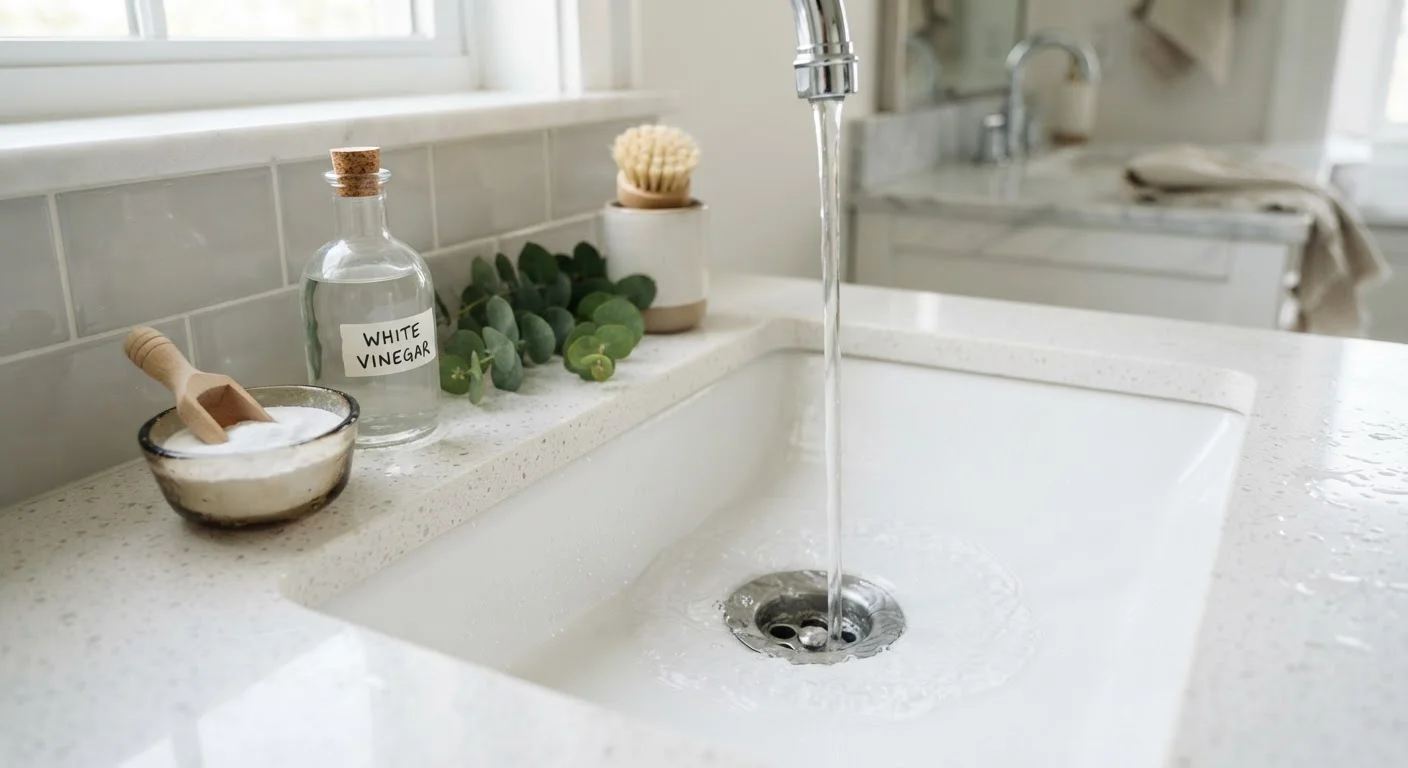
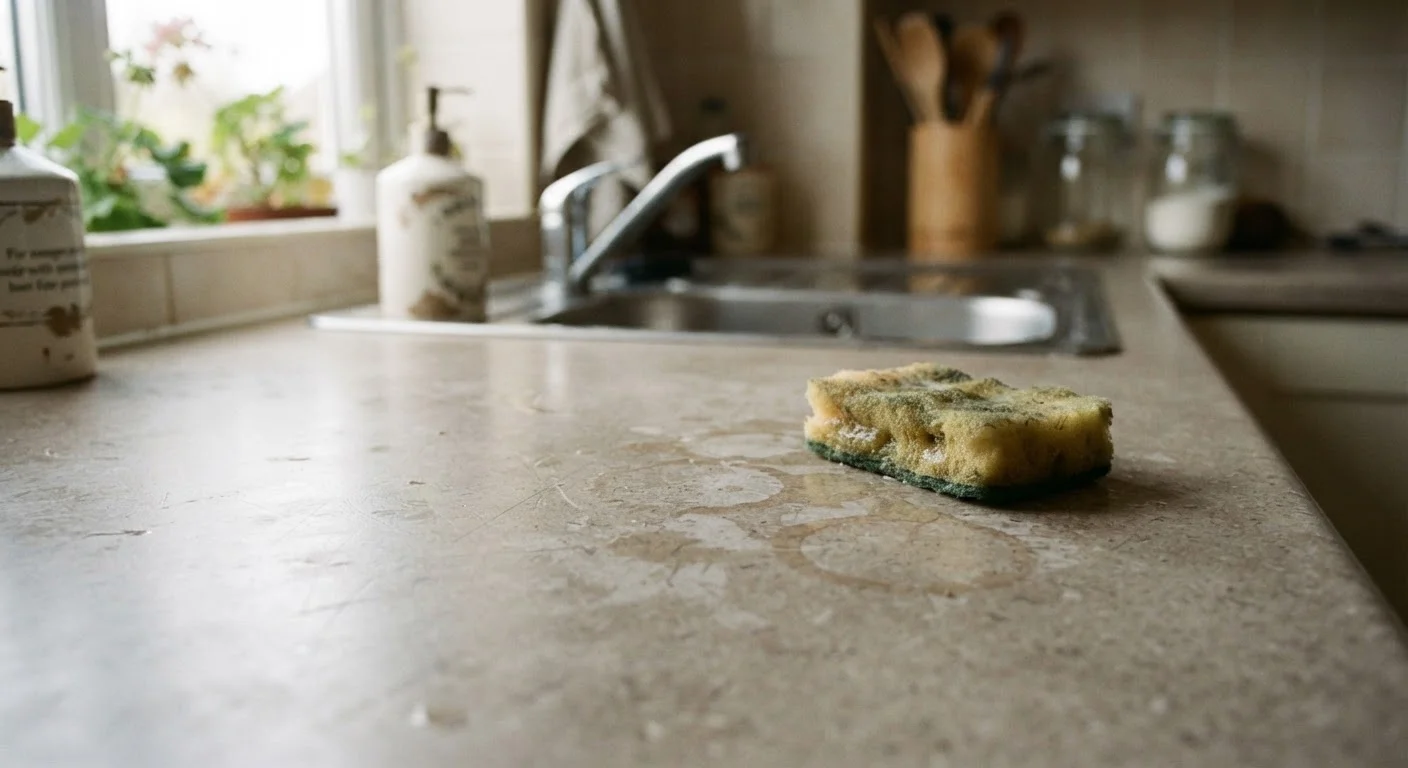
Using the wrong cleaning products on surfaces like stone, laminate, or hardwood.
Why it happens: Generic multi-surface sprays feel like a convenient one-stop solution, and most packaging doesn't clearly explain what surfaces to avoid.
Never changing or cleaning HVAC filters, leading to restricted airflow and system strain.
Why it happens: Filters are out of sight and easy to forget, and the consequences don't show up immediately - they accumulate over months.
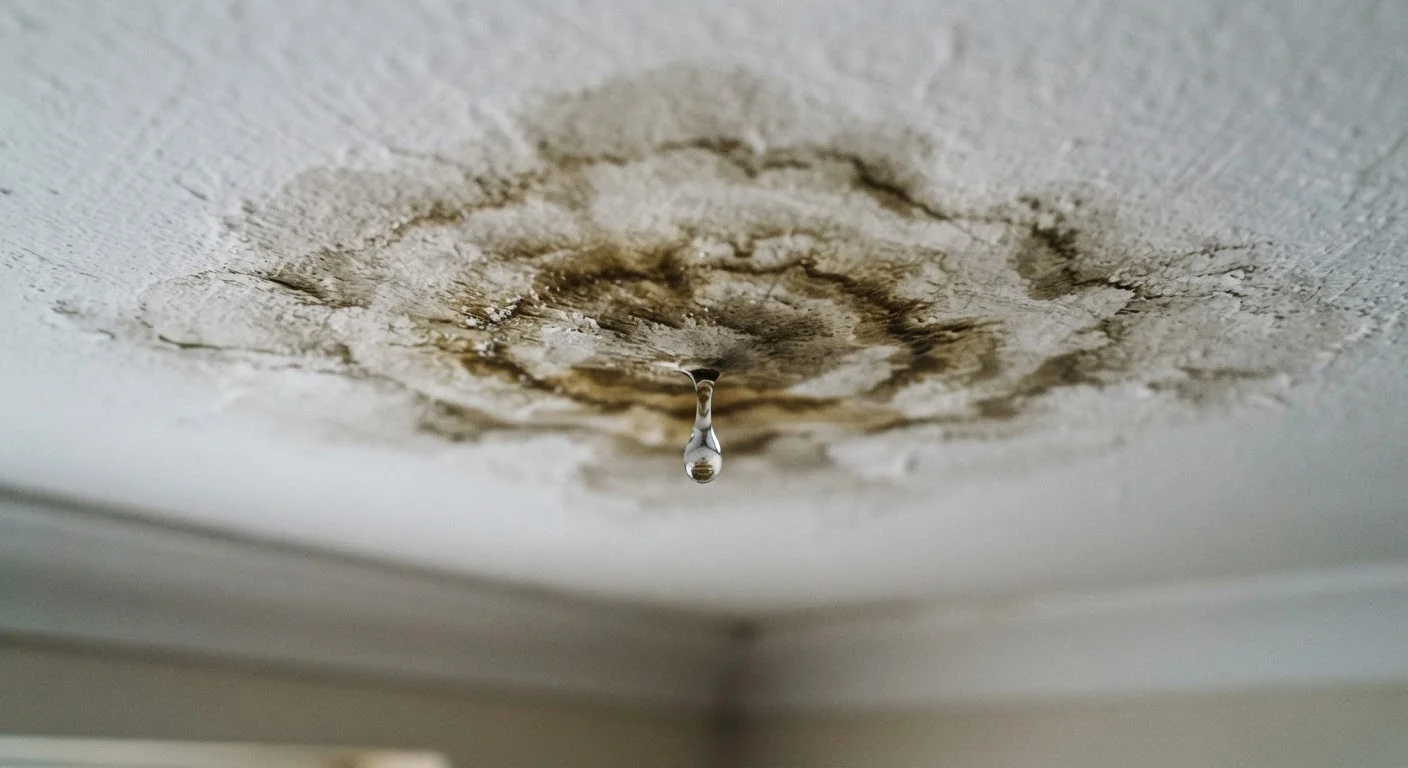
Ignoring small drips, slow drains, or damp patches as minor nuisances.
Why it happens: When something still technically works - a tap that drips, a drain that's slow but not blocked - it rarely feels urgent enough to address.
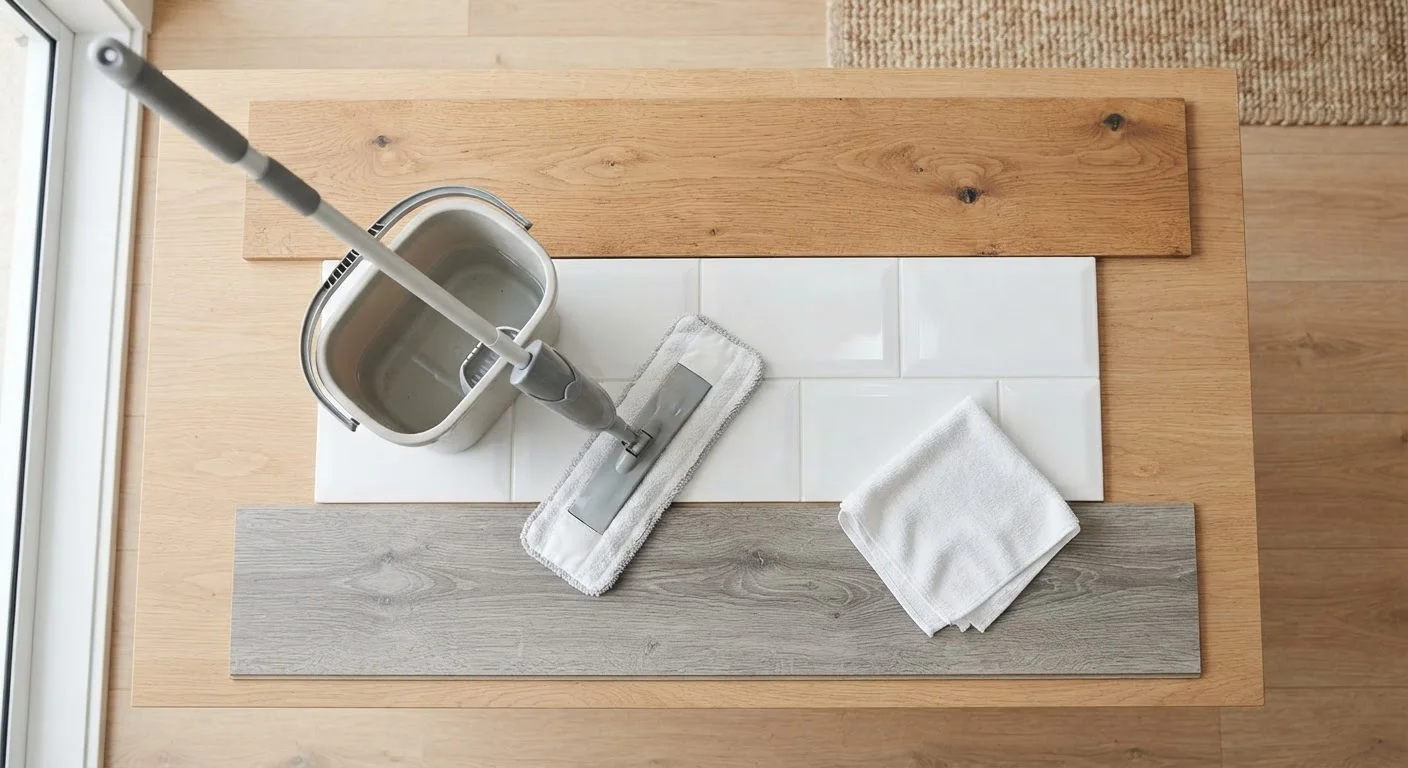
Wet-mopping hardwood or leaving spills to sit on any floor surface.
Why it happens: Mopping is an intuitive cleaning method, and it's easy to assume what works on tile works on wood.
Skipping weatherstripping and caulk maintenance around windows and doors.
Why it happens: Seals degrade slowly and invisibly; most people don't notice until heating bills climb or drafts become obvious in winter.
Running dishwashers, washing machines, or dryers without cleaning filters, traps, or vents.
Why it happens: Appliance maintenance feels like advanced territory, and most user manuals go unread after setup.
Where Most of the Damage Actually Happens
Surfaces and systems fail in predictable places. Kitchens and bathrooms take the most punishment - they're wet, they're used daily, and they're cleaned frequently with products that aren't always suited to the materials involved. HVAC systems and appliances fail quietly in the background until they don't.
90%
of HVAC failures linked to lack of maintenance
According to the US Department of Energy, most heating and cooling system breakdowns are preventable with routine filter changes and seasonal checks.
1 in 5
homeowners delay plumbing repairs past 6 months
Industry surveys suggest a significant share of homeowners put off minor plumbing fixes, often resulting in more extensive - and more expensive - damage.
The tasks most people overlook tend to be the ones with no visible warning sign - which is why building a simple inspection habit matters more than any single fix. Checking under sinks, looking at door seals, and glancing at your heating system's filter takes less than ten minutes and can prevent repairs that cost far more.
Moisture Is the Silent Wrecker
Water damage is one of the leading causes of expensive home repairs, and it almost always starts small. A slow drip under a sink, condensation on a window sill, or grout that's no longer waterproof can escalate into mould, rot, or structural damage over months. Check how small leaks escalate so you know what to look for before it becomes serious.
It's also worth being sceptical of shortcut cleaning approaches. Some common maintenance myths - like the idea that bleach solves all mould problems - can make damage worse rather than better. When in doubt about a product or method, check the material manufacturer's guidance first.
This article provides general home maintenance information. For any work involving gas, structural elements, electrical systems, or significant water damage, consult a licensed professional and verify local permit requirements before proceeding.