Why Maintenance Myths Are Expensive Mistakes
Most home maintenance misconceptions sound reasonable on the surface. That's exactly what makes them costly. You follow advice passed down from a neighbour or found in a quick online search, and months later you're dealing with a problem that's grown well beyond a simple fix.
This article breaks down the most common myths new homeowners and renters act on - and explains what actually works. For a broader schedule of what to do and when, see our first-year homeowner maintenance guide.
Myth
Bleach kills mould and stops it from coming back.
Fact
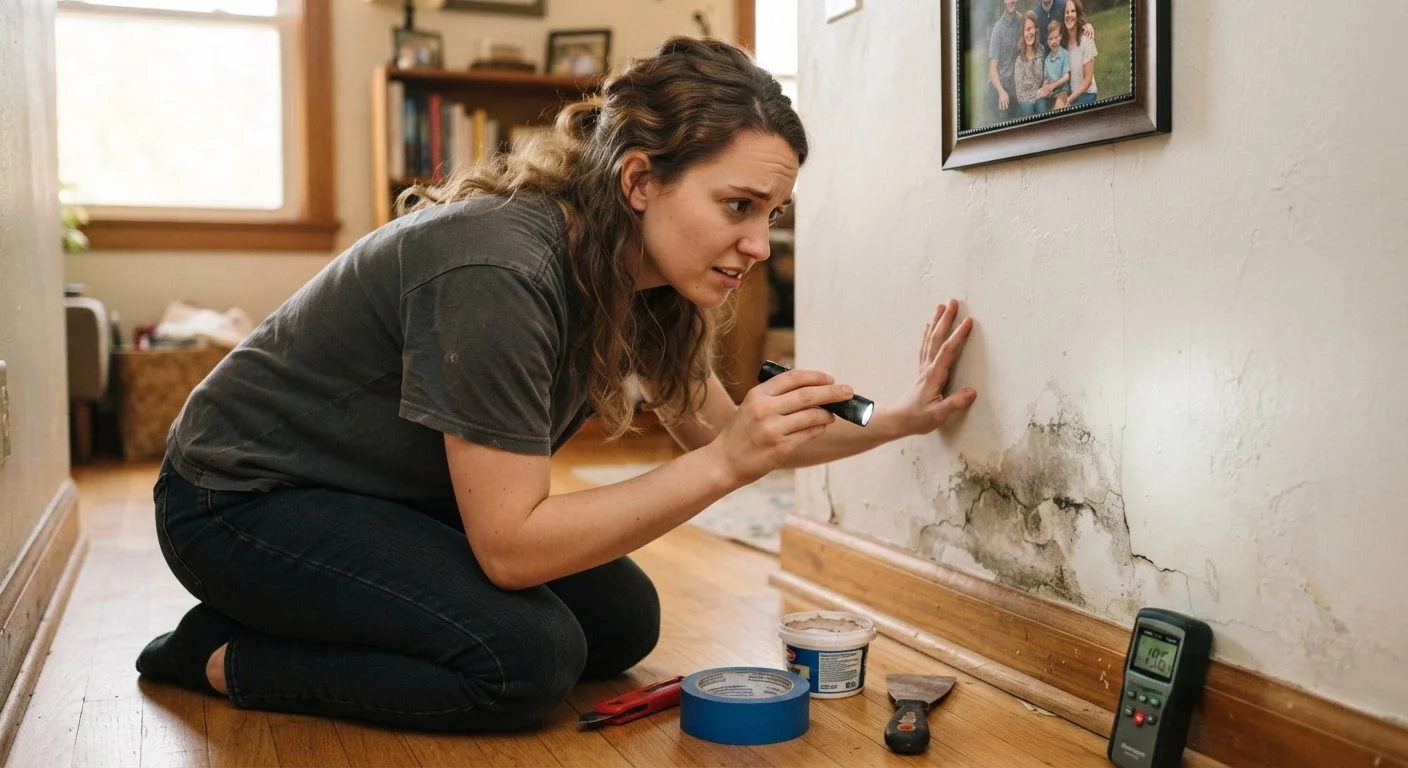
Bleach removes surface stains but does not reach mould's root structure (called hyphae) in porous materials like drywall or grout.
Bleach is mostly water, and that water can actually penetrate porous surfaces and feed further mould growth beneath the visible layer. On non-porous surfaces like glass or sealed tile, it can be effective at removing staining - but if mould keeps returning, the underlying moisture problem hasn't been addressed. Fixing ventilation and the moisture source is the essential step. For more on this, see our guide to ventilation, mould, and indoor air quality.
Myth
Newer homes don't need much maintenance for the first several years.
Fact
All homes - regardless of age - need regular upkeep, and some issues appear within the first year or two of a new build.
New construction often involves materials that settle, shrink, and shift as they cure. Caulking around windows and doors can crack within the first year. Grout in tile can develop gaps. HVAC filters need changing every 1-3 months regardless of how new the system is. Warranty coverage on new builds typically runs 1-10 years depending on the component, and letting small issues slide can void that coverage entirely.
Myth
A small leak is fine to leave until it becomes a real problem.
Fact
Even a slow drip can cause structural timber rot, mould growth, and ceiling damage within weeks or months.
Water damage compounds quickly. A drip under a sink soaks the cabinet base, which begins to rot and can spread moisture to the subfloor. A small roof leak introduces water that accumulates in insulation and framing before it ever shows as a ceiling stain. By the time water damage is obviously visible, the repair bill has usually grown significantly. Our article on how water damage progresses explains this in detail.
Myth
Pouring boiling water or chemical drain cleaners down a slow drain fixes the problem.
Fact
Boiling water can warp PVC pipes, and chemical cleaners can corrode older plumbing - neither addresses the cause of slow drainage.
Most slow drains are caused by hair, grease, or soap buildup that can be removed with a drain snake or by cleaning the drain stopper. Repeated use of harsh chemical products can degrade pipe joints and lead to leaks. Sustainable habits - like using a drain strainer and occasionally flushing drains with warm (not boiling) water - tend to keep pipes clearer over time. For gentler alternatives, see our guide on keeping drains clear without harsh chemicals.
Myth
You only need to clean or reseal hardwood floors when they look dull or scratched.
Fact
Waiting for visible signs of wear means the protective finish has already been compromised - and the wood underneath may already be damaged.
Hardwood floors should be cleaned regularly with products appropriate for their finish type, and recoated before the finish wears through completely. Once water or grit reaches bare wood, it can cause staining and swelling that requires much more extensive (and expensive) refinishing. The same logic applies across different flooring types - see our breakdown of what each floor type actually needs.
Myth
Draught-proofing and insulation are only worth it if your energy bills are already high.
Fact
Air sealing and insulation improvements reduce heat loss year-round and are among the most cost-effective home improvements available.
Even homes that feel reasonably comfortable lose significant heat through gaps around windows, doors, and penetrations in the building envelope. Simple measures like weatherstripping and caulking can make a meaningful difference in comfort and energy use without requiring major renovation. These aren't just cold-climate solutions - in warm climates, they also reduce the load on air conditioning. Our article on caulking, weatherstripping, and draught-proofing explains where each method applies.
What These Myths Have in Common
Notice a pattern? Most of these myths encourage inaction - either by making a problem seem solved when it isn't, or by suggesting upkeep isn't necessary until something breaks. Both mindsets carry a real financial cost.
Don't DIY Electrical, Gas, or Structural Work
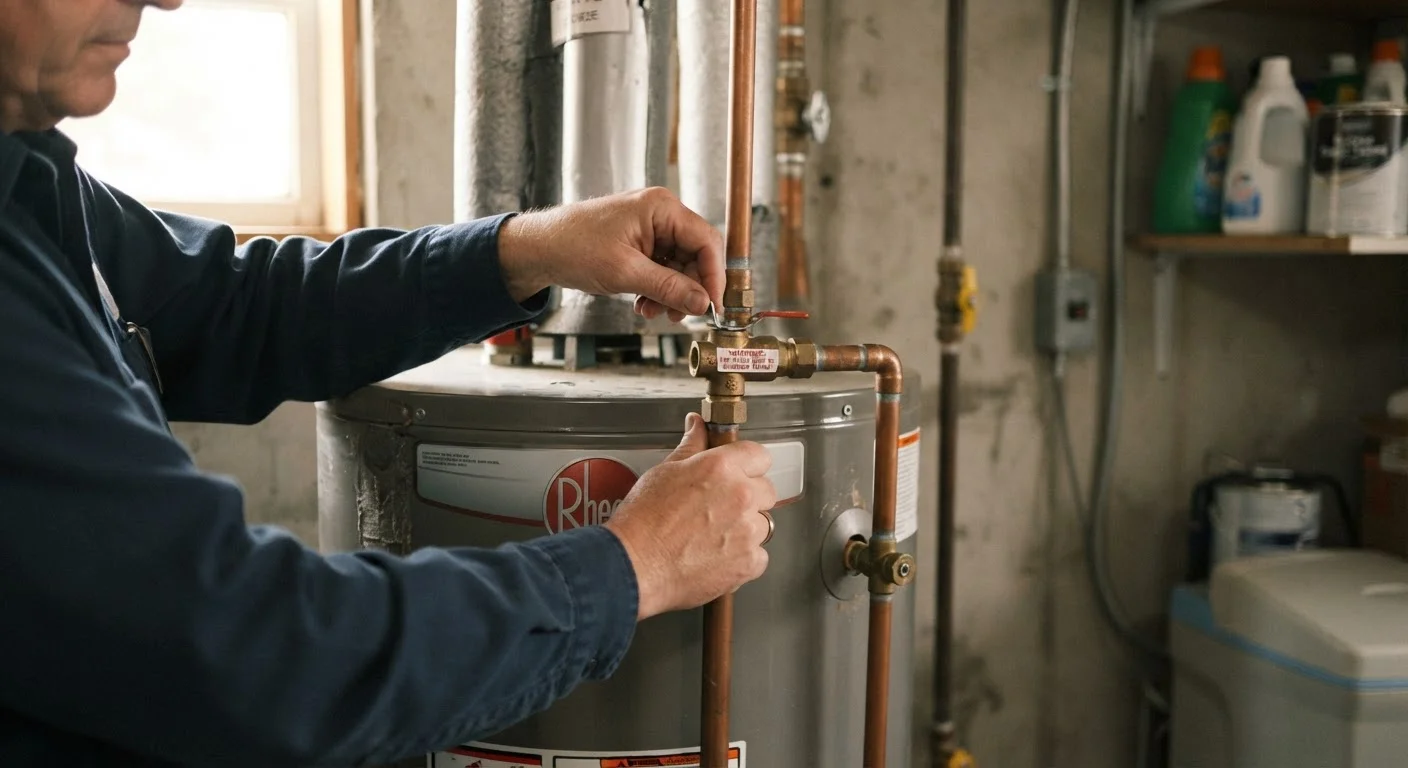
Some maintenance tasks are legally restricted to licensed professionals in most US states - including electrical panel work, gas line repairs, and load-bearing structural changes. Doing this work yourself without the proper permit can void your homeowner's insurance and create serious safety risks. Always verify what your local building code requires before starting any significant repair or renovation.
It's also worth knowing that some repairs aren't just a matter of skill - they're regulated. Electrical work, gas lines, and structural changes typically require permits and licensed tradespeople in most US states. Attempting them yourself could void your homeowner's insurance and create safety hazards. Always check your local code requirements before starting any significant project.
For a look at the small jobs that quietly cause outsized damage when skipped, our article on overlooked maintenance tasks is a useful companion read.
1%-4%
Annual home value recommended for maintenance budget
Many housing and financial planning resources suggest setting aside roughly 1%-4% of your home's value each year for ongoing maintenance and repairs.
~$7,000
Average cost of water damage repair in US homes
According to HomeAdvisor's cost data, water damage restoration in the US can average several thousand dollars, often far more than the cost of early prevention.
Building honest maintenance habits early - even in a newer home - is one of the most straightforward ways to protect your investment and avoid unexpected expenses. If you're also curious about how everyday routines can wear out surfaces and systems faster than expected, see our piece on habits that shorten your home's lifespan.