Why Drains Block - and Why Chemicals Aren't the Answer
Most household drain blockages don't happen overnight. They build up gradually: a film of soap scum here, some accumulated hair there, a little cooking grease coating the pipe walls. By the time water is draining noticeably slowly, weeks or months of buildup are usually involved.
Many people reach for a bottle of chemical drain cleaner as the first response. These products can work on soft organic clogs, but they come with real downsides. Caustic drain cleaners generate heat as they react, which can soften or damage PVC pipes and corrode older metal ones. They're also hazardous to handle and to rinse into the water system. As the home maintenance myths guide points out, stronger isn't always smarter when it comes to household upkeep.
The good news is that most clogs never have to get to that point. Consistent, simple habits - and a couple of low-cost tools - keep the vast majority of household drains running freely.
Drain strainer / hair catcher
Sits over the drain opening and catches hair, food debris, and soap chunks before they enter the pipe.
Kettle or pot of hot water
Used to flush grease and soap buildup through the drain as a routine maintenance step.
Baking soda
Acts as a mild abrasive and deodorizer when combined with vinegar to break up soft organic buildup.
White vinegar
Reacts with baking soda to create fizzing action that loosens soap scum and grease deposits.
Cup plunger
Creates suction to dislodge a partial blockage when flushing alone hasn't worked.
Drain snake (hand auger)
A flexible cable that reaches deeper into the pipe to break up or retrieve a stubborn clog.
What You'll Need Before You Start
What you will need
None of these items require any plumbing knowledge to use. If you're renting, check your lease before using a drain snake - some landlords prefer to handle any pipe-adjacent maintenance themselves, and it's worth a quick message to confirm.
Step-by-Step: Keeping Your Drains Clear
Install a drain strainer
Fit a mesh strainer or hair catcher over every sink, shower, and tub drain in your home. These cost just a few dollars and do more to prevent blockages than any cleaning method. Empty the strainer into the trash after every shower or at least a few times per week - don't rinse the collected debris down the drain.
Flush with hot water weekly
Once a week, boil a kettle and slowly pour the hot water directly down each drain. This softens and pushes through soap scum and grease that clings to pipe walls. For kitchen sinks especially, doing this after washing dishes helps clear oily residue before it hardens.
Do a baking soda and vinegar flush monthly
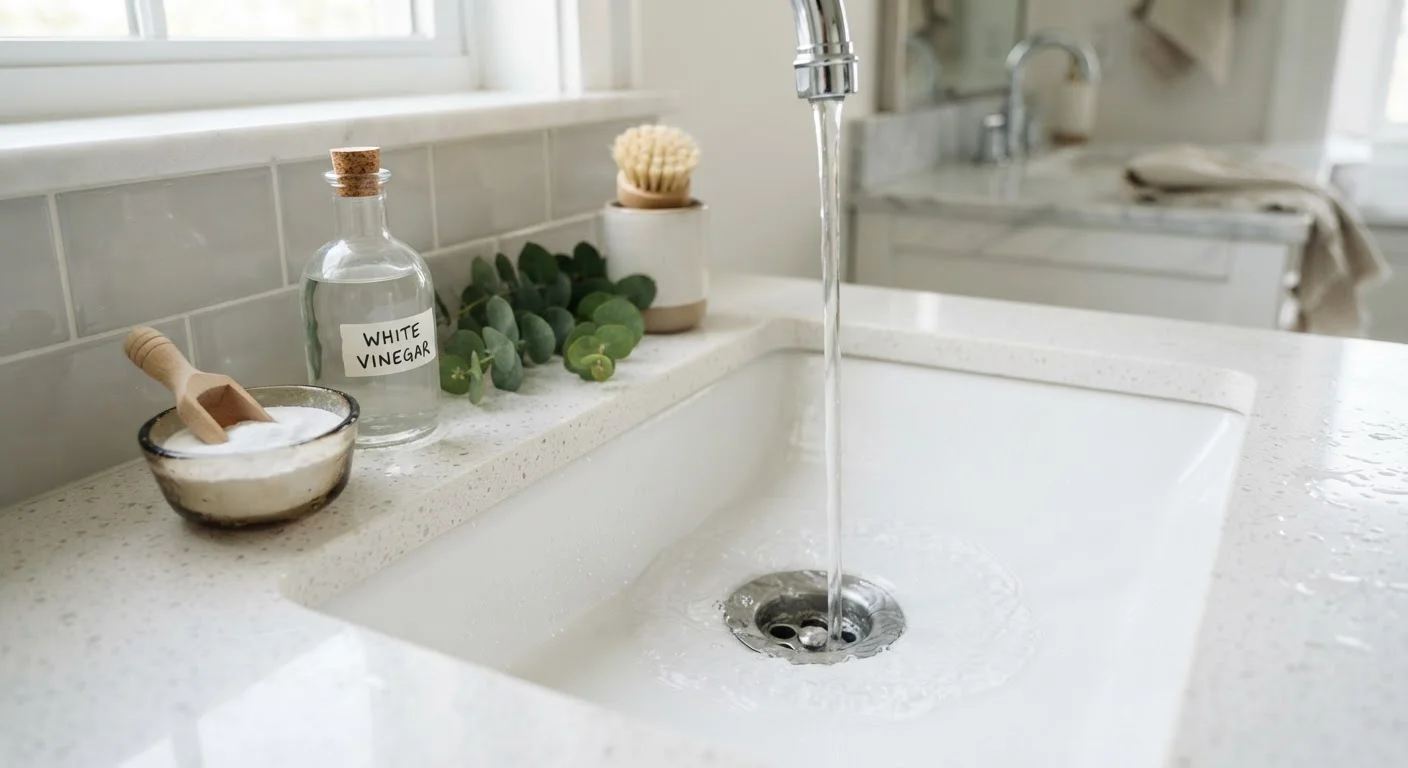
Pour half a cup of baking soda directly into the drain, followed by half a cup of white vinegar. The fizzing reaction helps break up soft organic deposits lining the pipe. Cover the drain with a cloth or stopper for five minutes to keep the reaction working inside the pipe rather than bubbling back up. Then flush with hot water for 30 seconds.
Use a plunger for partial blockages
If water is draining slowly, try a cup plunger before reaching for any chemical product. Fill the sink or tub with a couple of inches of water, place the plunger firmly over the drain to create a seal, and push down and pull up firmly about 10 times. The suction and pressure can dislodge a partial clog without any chemicals at all.
Try a drain snake for stubborn clogs
A hand-operated drain snake (also called a hand auger) is a flexible cable you feed into the drain to break up or pull out a clog that's sitting deeper in the pipe. Feed it in slowly, crank the handle when you feel resistance, and pull back steadily. Rinse the drain thoroughly with hot water afterward.
Keep grease out of kitchen drains
Cooking grease and oil are among the leading causes of kitchen drain blockages. Let grease cool and solidify in a container, then throw it in the trash. Wipe greasy pans with a paper towel before washing. Even small amounts of oil poured regularly down the sink can coat pipe walls and accumulate over time.
Make It a Monthly Routine
Running a baking soda and vinegar flush once a month takes less than five minutes and prevents the slow buildup that turns into a real blockage. Pair it with clearing your strainer weekly and you'll rarely deal with a serious clog.
These steps work together as a system. The strainer handles prevention, the weekly and monthly flushes handle gradual buildup, and the plunger and snake handle the occasional blockage that still gets through. Following all of them means you'll rarely - if ever - face a serious clog.
When Home Methods Aren't Enough
Know When to Call a Plumber
If multiple drains in your home are slow at the same time, water is backing up into fixtures, or you hear gurgling in the toilet when you run a sink, these can signal a blockage deeper in your main line. These situations are beyond DIY territory - contact a licensed plumber. Attempting to force a main-line clog yourself can cause water damage or pipe damage.
A slow drain that responds temporarily to home methods but keeps returning could indicate a buildup problem further down the line, or a partial obstruction that needs professional clearing. This is also worth reading alongside the overlooked maintenance tasks guide, which covers other small jobs that quietly cause bigger problems when ignored.
Drain care is also just one part of looking after your home's systems. The habits that shorten your home's lifespan covers other routine behaviors - from how you run appliances to how you clean surfaces - that have a bigger long-term impact than most people realize.
Avoid Mixing Cleaning Agents
Never combine store-bought chemical drain cleaners with baking soda, vinegar, or bleach. Mixing these can produce heat or harmful fumes. If you've already poured a commercial product down the drain, flush thoroughly with water before trying any other method.