Why a Drip Is Never Just a Drip
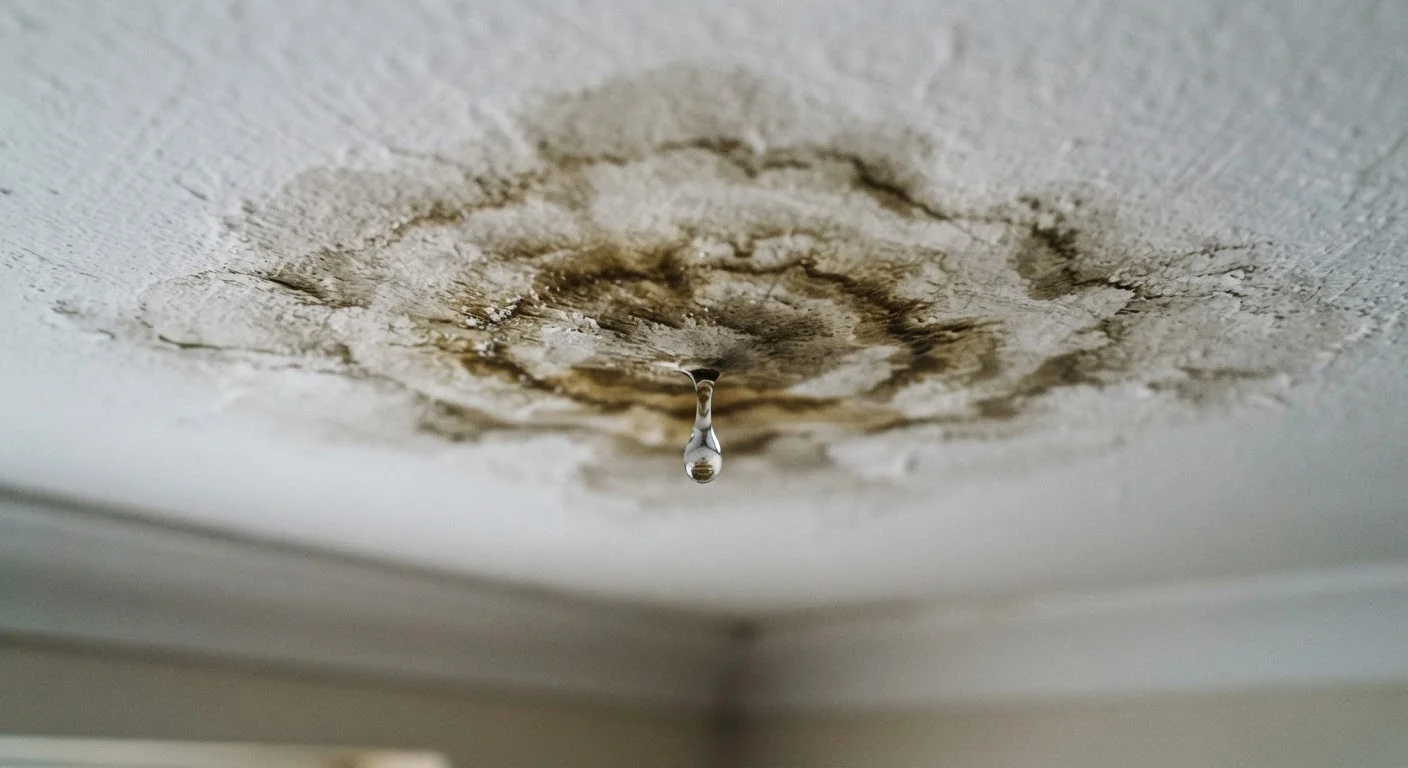
A slow drip under the kitchen sink or a faint damp patch on the ceiling is easy to put off. It doesn't look urgent. It hasn't caused any obvious harm yet. But water has a way of finding paths through materials that seem solid - through seams in drywall, along wooden beams, under tile grout - and the damage it causes builds up quietly over days and weeks.
The core issue is that water doesn't stay where you see it. A leak from a supply line under the bathroom vanity, for example, can travel along the floor substructure before pooling somewhere entirely different. By the time a stain appears on the ceiling below, the material between those two points may already be compromised.
Understanding this progression isn't about causing alarm - it's about helping you recognize why prompt attention to even minor moisture issues is one of the most practical things you can do as a homeowner or renter. For a broader look at how everyday habits affect your home's systems, see habits that quietly wear out your home.
24-48 hrs
Time for mold to begin growing on wet materials
According to the U.S. Environmental Protection Agency, mold can start developing on damp building materials within one to two days.
~14%
Share of home water use lost to leaks
The U.S. Environmental Protection Agency estimates that household leaks account for approximately 10,000 gallons of water wasted per home each year, often from small, fixable sources.
19-20%
Wood moisture content threshold for rot risk
Building scientists generally note that wood framing becomes susceptible to fungal decay and rot once its moisture content consistently exceeds roughly 19-20 percent.
How Water Damage Actually Progresses
Water damage tends to follow a predictable pattern, even if the timeline varies based on the volume of water, the materials involved, and the environment's humidity.
Stage 1: Initial Moisture Intrusion
A crack in caulk, a loose pipe fitting, or a gap in flashing lets water into a space it shouldn't reach. At this point, there may be no visible sign at all. The moisture is absorbed into drywall, wood, or insulation.
Stage 2: Material Saturation
As water continues to enter, materials become saturated. Drywall swells and softens. Wood begins to swell and, over time, may warp. Paint or wallpaper may bubble. This is often when the first visual cue appears - though by this stage, the problem has already been developing for some time.
Stage 3: Mold Growth
Mold spores are present in most indoor environments and need only moisture and an organic surface to grow. According to the U.S. Environmental Protection Agency, mold can begin to grow on wet building materials within 24 to 48 hours. Once established, mold spreads and can affect indoor air quality. Certain mold types may also be difficult to fully remove without professional remediation.
Stage 4: Structural Deterioration
Extended moisture exposure causes wood framing to rot, metal fasteners and brackets to corrode, and subfloors to become structurally unsound. At this stage, repairs go well beyond cosmetics and often involve licensed contractors and significant cost.
The Leaks Most Likely to Hide
Not all leaks are visible. Some of the most damaging sources of moisture in a home go unnoticed precisely because they occur inside walls, under floors, or in low-traffic areas. Knowing where to look is half the battle.
- Supply line connections - The braided hoses supplying water to toilets, dishwashers, and washing machines can wear over time and drip slowly at their fittings.
- Roof and flashing - Gaps around chimneys, skylights, or vent pipes allow water to enter the attic or wall cavities, often appearing far from the actual entry point.
- Shower and tub surrounds - Grout and caulk that's cracked or missing allows water to seep behind tile over months, eventually reaching the wall framing.
- HVAC condensate lines - Air conditioners produce condensation that drains through a line. A blocked or disconnected line can drip quietly inside a wall or into a ceiling.
Use your room-by-room checklist to stay alert to early warning signs in each area of your home.
A Simple Monthly Check Can Help
Once a month, take a few minutes to look under sinks, check around toilet bases, and glance at your ceiling in rooms below bathrooms. Run your hand along supply line connections to feel for dampness. Catching moisture early - before it saturates materials - is the single most effective way to keep small issues from compounding into costly repairs.
What You Can Do - and When to Call a Professional
Catching a leak early genuinely changes the outcome. A small stain that's still dry to the touch and traced to a fixable source - like loose caulk or a dripping faucet - may be something you can address yourself. Recaulking a shower surround or tightening a supply line connection are reasonable DIY tasks for many people.
However, certain situations call for a licensed professional rather than a self-guided fix:
- Soft, crumbling, or discolored drywall that suggests long-term saturation
- A musty smell that persists after the moisture source is removed (often a sign of mold inside walls)
- Staining or moisture near electrical outlets, panels, or wiring
- Any structural element - floor joists, wall framing - that appears warped, spongy, or compromised
- Roof leaks, which typically require safe access and material-specific repairs
Some repairs may also require permits or inspections under local building codes. When in doubt, consult a licensed contractor in your area before starting work. It's also worth reviewing your homeowner's or renter's insurance policy - coverage for water damage varies significantly depending on the cause. Speak with your insurer directly to understand what applies to your situation.
Dealing with water damage shares something with car maintenance: small problems left unattended tend to grow. The same logic explored in why ignoring small car problems makes them bigger applies squarely here. And if you've heard that certain quick fixes - like bleach on mold - solve the underlying problem, it's worth checking the evidence in our piece on home maintenance myths that could cost you money.
This article is for general informational purposes only and does not constitute professional contracting, legal, or insurance advice. Always verify local code requirements and consult qualified professionals for repairs involving structural, electrical, or significant water damage.