Why Your Home Sends Signals Before It Breaks Down
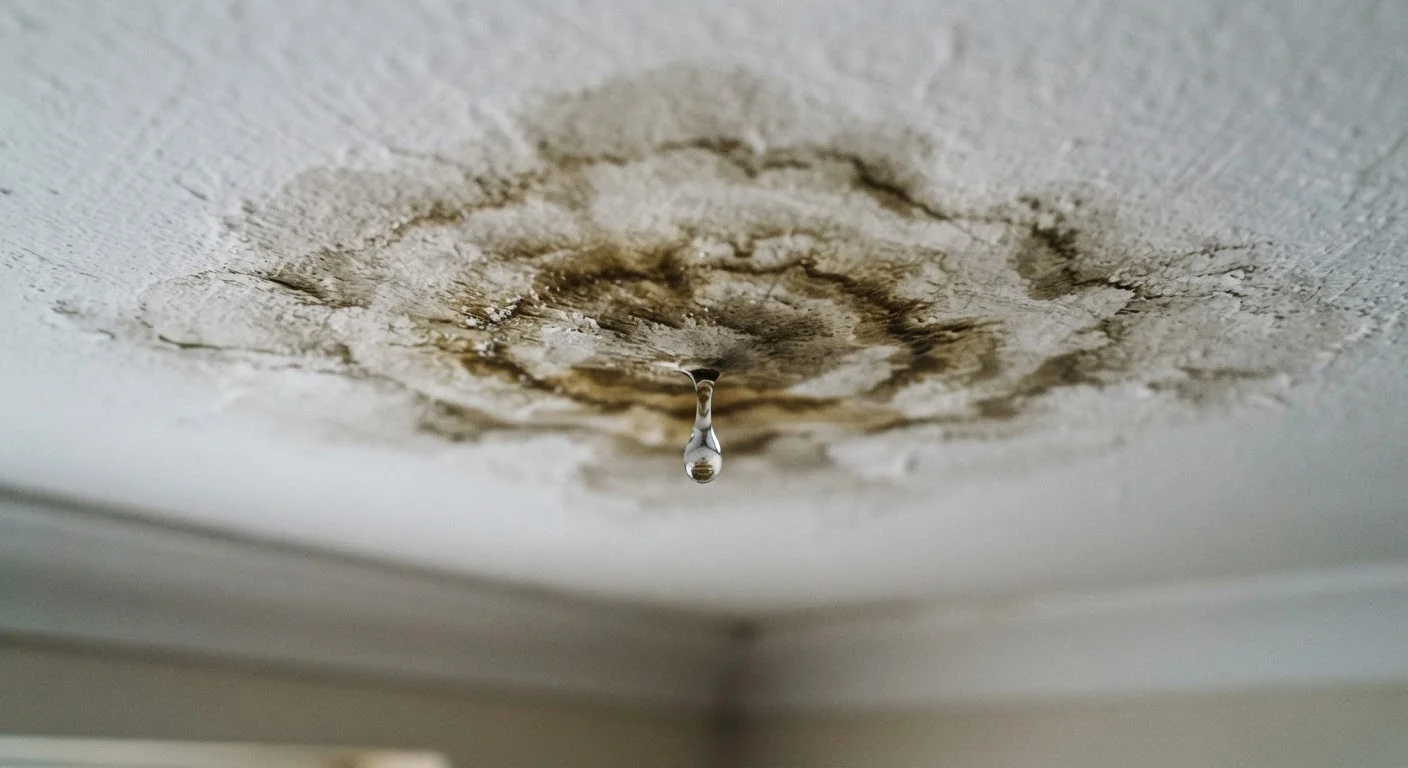
Homes rarely fail all at once. Long before a pipe bursts or a ceiling collapses, there are quieter signs - a damp smell in the corner, a door that suddenly won't close flush, a brown ring spreading across ceiling paint. The problem is that most people don't know what they're looking at, so those signals get ignored until the damage is serious.
This checklist walks you room by room so you can spot issues early, whether you're renting or own your place. You don't need tools or trade knowledge to use it - just time, attention, and the willingness to look closely. If you're moving in somewhere new, pair this with the pre-tenancy checklist to document the property's condition from day one.
Run this audit every few months, or any time something feels off. Catching a problem early is almost always cheaper and easier than dealing with it once it's escalated.
Flashlight
Essential for inspecting dark corners under sinks, inside cabinets, and in basement or utility areas.
Notepad or phone notes app
Use to log what you find room by room so nothing gets forgotten before it's addressed.
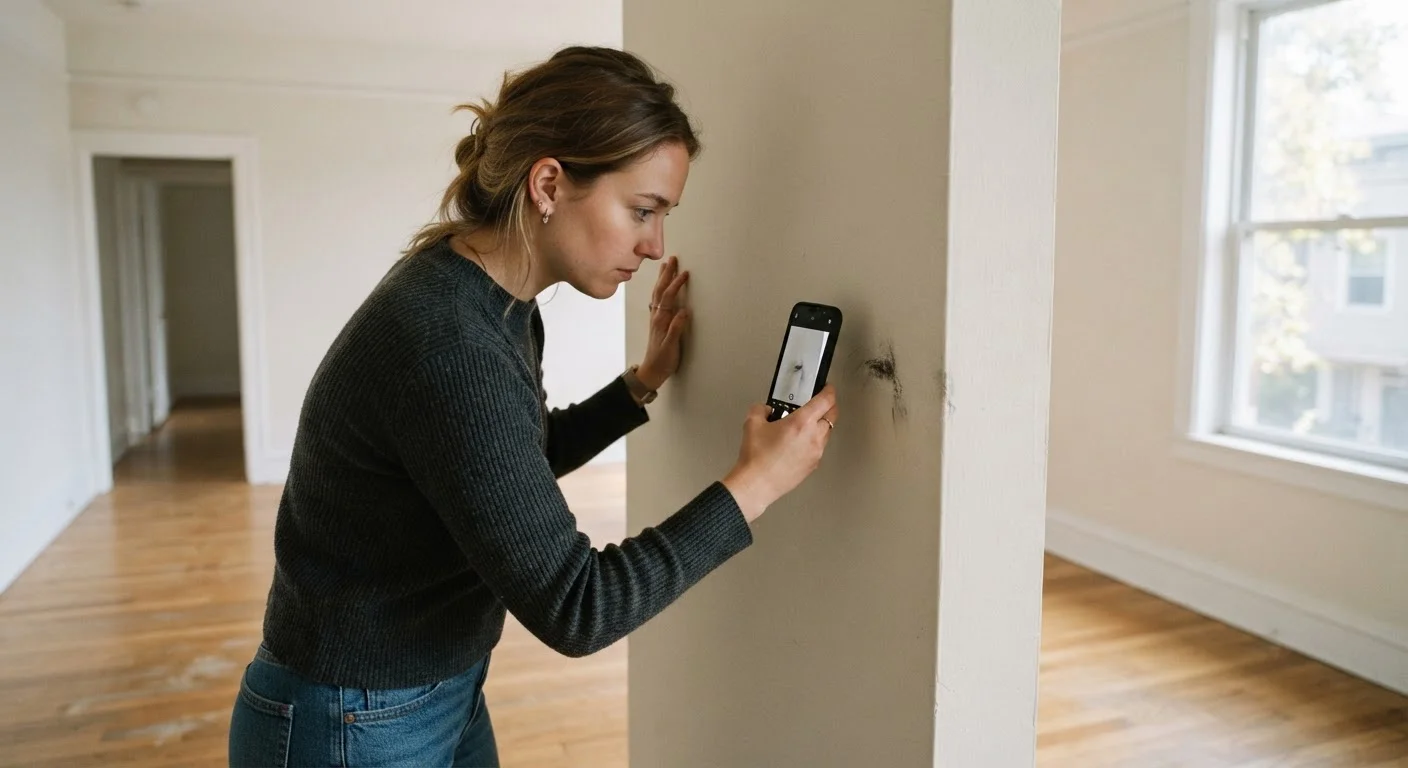
Camera or phone camera
Photograph anything you find to timestamp evidence - especially important for renters documenting issues.
Moisture meter
A handheld tool that reads moisture levels in walls and floors, useful for confirming suspected damp areas.
Tissue or thin paper strip
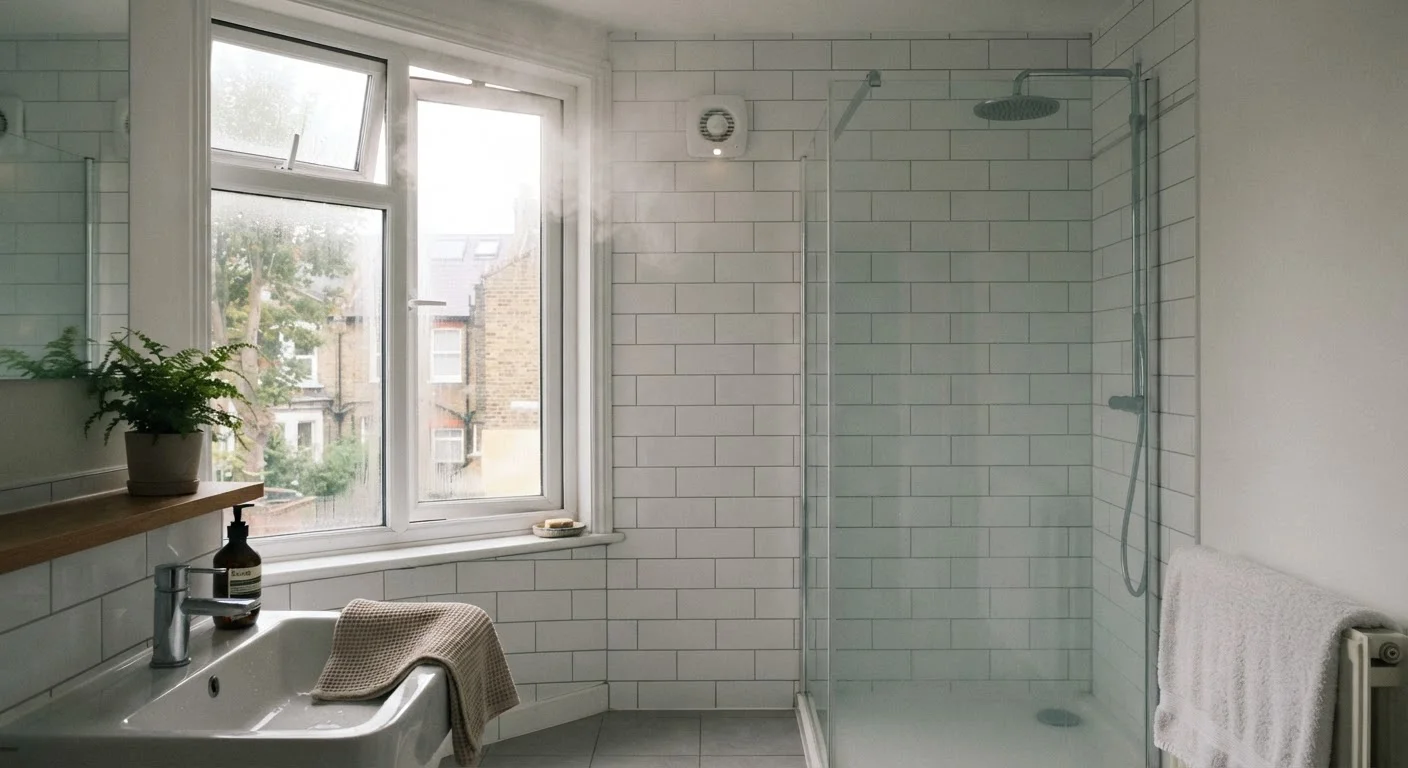
A low-tech way to test exhaust fan suction - if it's not pulled toward the grille, the fan isn't working properly.
How to Use This Checklist
Work through each room methodically - don't rush. Use your eyes, nose, and ears. Look at surfaces, not just the middle of the room. Check corners, beneath sinks, around window frames, and along baseboards. If you find something that concerns you, note it and look into it further. Renters should report issues to their landlord in writing; homeowners should assess whether a repair is DIY-safe or needs a licensed professional.
Never DIY Electrical, Gas, or Structural Work
If your inspection turns up anything that might involve electrical wiring, gas lines, load-bearing walls, or mains plumbing, do not attempt to investigate or repair it yourself. These systems require licensed professionals, and in many jurisdictions work on them without permits is illegal. Contact a qualified tradesperson and, if you rent, notify your landlord immediately in writing.
For anything involving electrical systems, gas lines, structural walls, or mains plumbing, stop and call a qualified professional. These are not DIY territory, and the risks of getting them wrong are serious. Your job here is to notice, not necessarily to fix.
Kitchen
Bathroom
Living Room & Bedrooms
Basement & Utility Areas
Exterior & Entry Points
What to Do When You Find Something
Finding a warning sign doesn't have to be alarming - it's information. The next step is almost always the same: document it (photo with a timestamp works well), research what it typically indicates, and decide whether to monitor it, report it, or call in a professional.
Water-related signs deserve fast action. A slow drip or small damp patch might look minor, but water damage progresses quickly once it gets into walls or subfloors. Similarly, if your home feels stuffy or you're seeing condensation regularly, read up on ventilation and indoor air quality - poor airflow is one of the most common causes of mould in homes.
For drafts around doors and windows, those can often be addressed without professional help. Caulking and weatherstripping are beginner-friendly fixes that reduce both heat loss and moisture intrusion. And if you haven't recently checked your smoke and carbon monoxide detectors, make that the first thing you do after finishing this checklist - learn the difference between the two so you know what you need and where it goes.
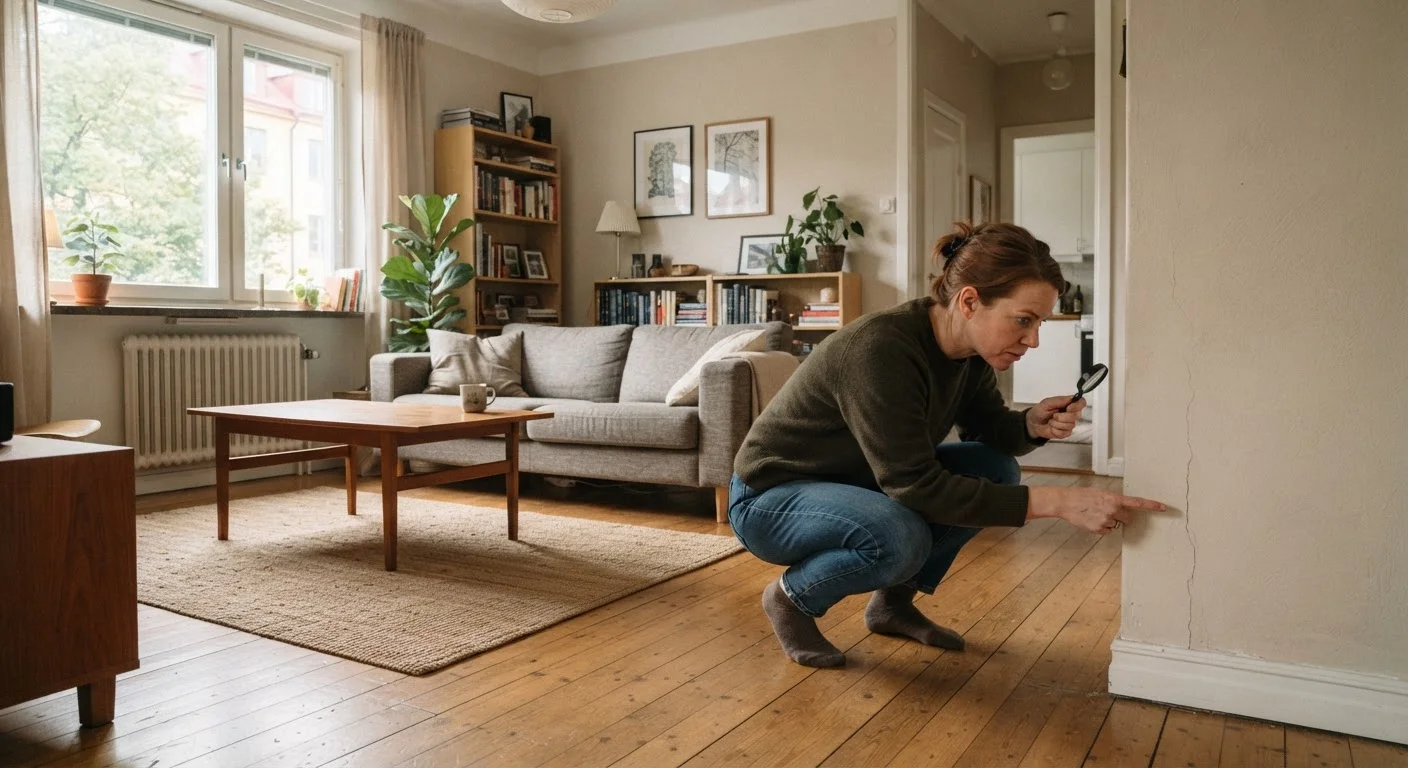
Keep a running log of anything you notice over time. Patterns matter - a door that sticks once might be humidity; a door that consistently sticks could signal a shifting foundation. Routine attention is the single most effective thing you can do to protect your home and your budget. For a broader seasonal approach, the seasonal home maintenance checklist is a practical companion to this room-by-room audit.
Don't Ignore Unusual Smells
A rotten-egg odor can signal a gas leak - if you smell this, leave the home immediately and call your gas provider's emergency line from outside. A persistent burning smell near outlets or appliances may indicate an electrical fault. Neither of these should be monitored and revisited later; both require immediate action.