Three Terms, Three Jobs
If you've ever felt a cold draught near a closed door or noticed a gap where your window meets the wall, you've already encountered the problem these three methods solve. Caulking, weatherstripping, and draught-proofing are often mentioned together - and sometimes used interchangeably - but they're not the same thing. Each targets a different type of gap, made of different materials, applied in different places.
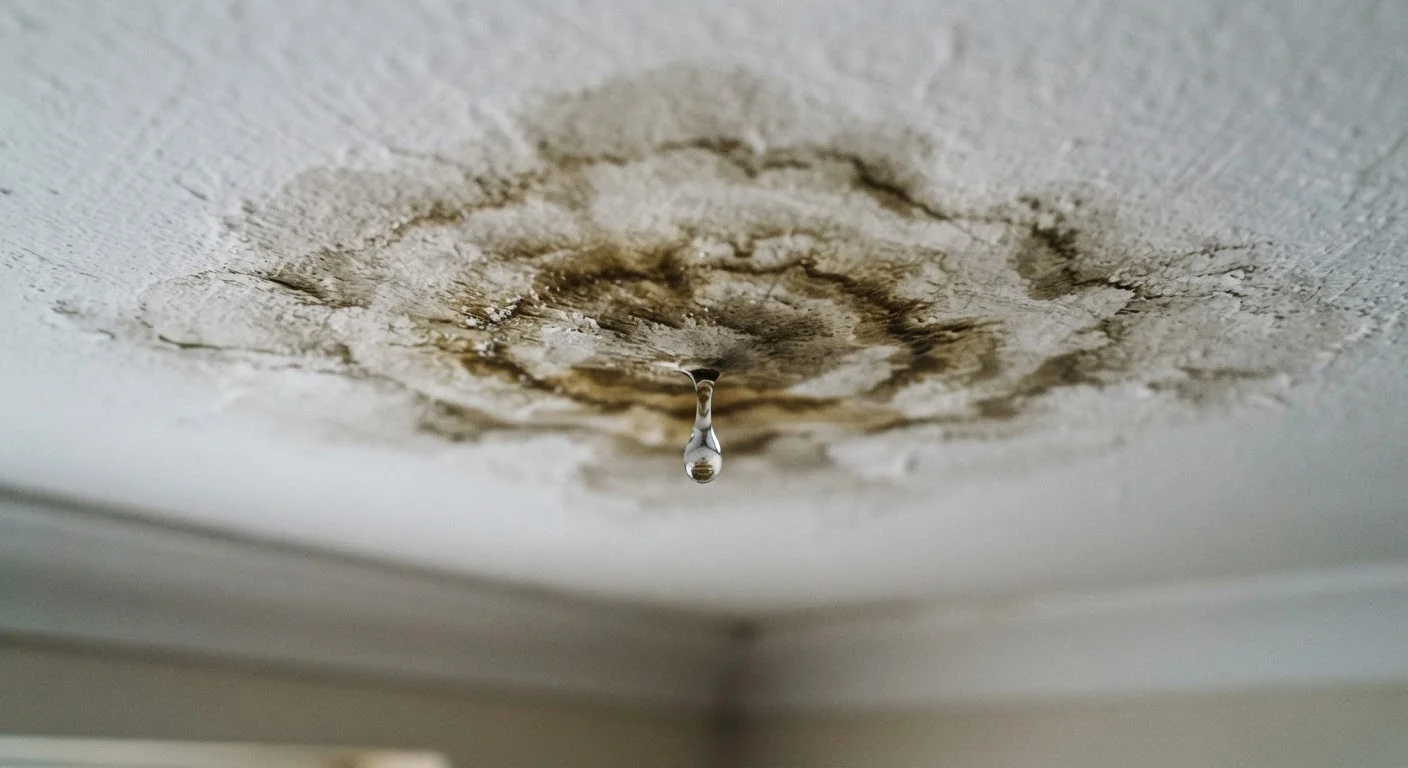
Understanding the distinction helps you address the right problem with the right fix, rather than reaching for whatever's closest. It also helps you spot when a gap is getting worse over time. For a broader look at how small openings can escalate, see our article on how water damage progresses from minor gaps.
| Best use for caulk | Stationary joints - window-to-wall seams, tub surrounds, baseboards |
| Best use for weatherstripping | Moving parts - door frames, operable windows, sliding doors |
| Typical caulk lifespan | 5-10 years depending on material and exposure |
| Weatherstripping check frequency | At least once per year, ideally before heating season |
| Draught-proofing scope | Includes doors, windows, chimneys, letterboxes, and outlet gaps |
| Key caution | Sealing should be paired with adequate ventilation, not used as a substitute |
Caulking: Sealing Stationary Gaps
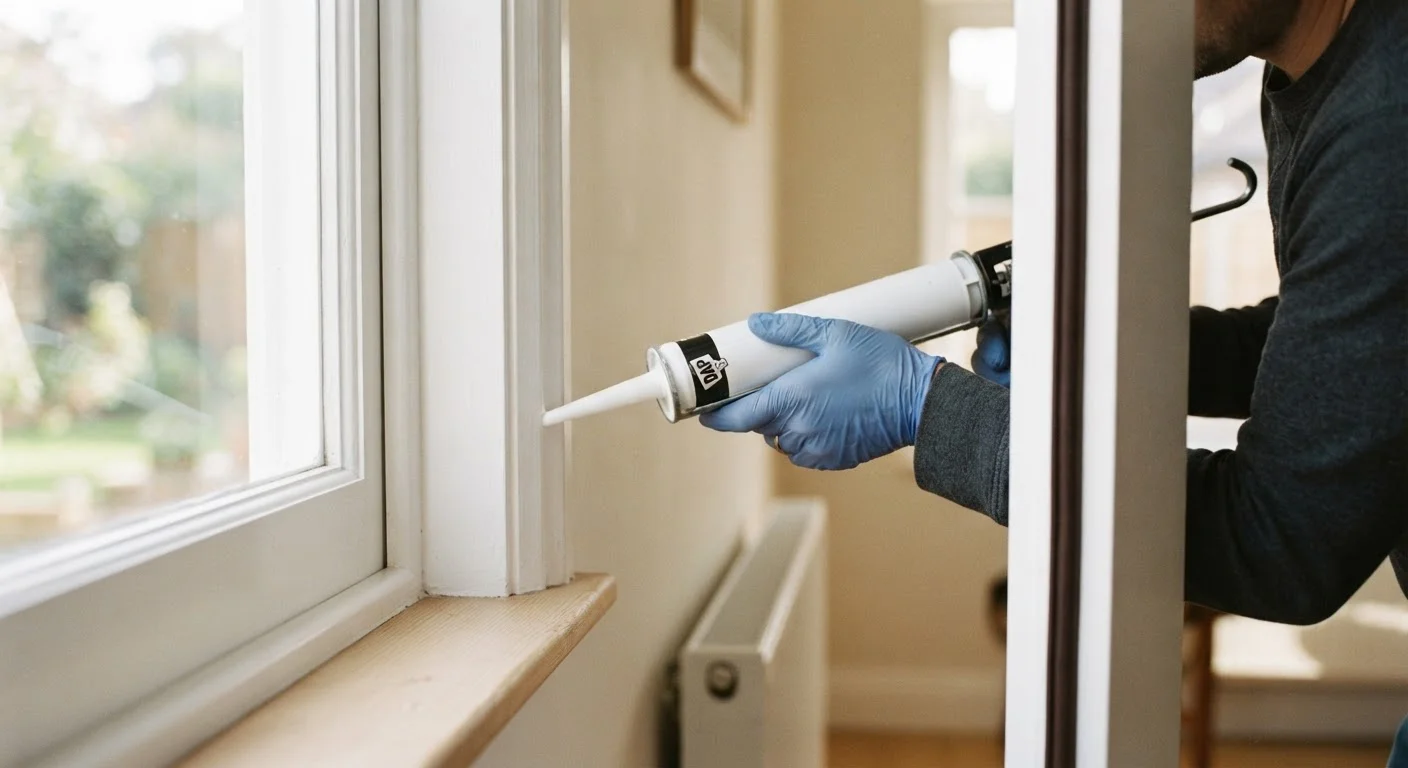
Caulk is a flexible, paste-like sealant applied to joints and seams that don't move. Once cured, it forms a solid but slightly pliable bead that blocks air, moisture, and sometimes insects. It's the right tool when two surfaces meet permanently - like a window frame against a wall, a bathtub surround against tile, or a baseboard against a floor.
Common caulk types include silicone (water-resistant, best for bathrooms and kitchens), latex or acrylic (paintable, better for interior trim), and polyurethane (durable, often used outdoors). The material matters: using the wrong type can mean the seal fails faster or looks poor once painted.
Caulk is not the right fix for moving parts. Applying it to a door frame where the door opens and closes will cause it to crack quickly, because it isn't designed to flex repeatedly.
Caulk
A flexible sealant applied to stationary joints and seams to block air, water, and gaps. Available in silicone, latex, and polyurethane formulas suited to different surfaces and conditions.
Weatherstripping
Compressible sealing material installed around doors and windows that open and close. It absorbs repeated movement and springs back to maintain a seal each time the door or window is shut.
Draught-proofing
A general term for reducing uncontrolled air infiltration in a home. Includes caulking and weatherstripping, plus other sealing measures such as chimney plugs, threshold seals, and outlet gaskets.
Air infiltration
The unintended movement of outdoor air into a building through gaps, cracks, and openings. High infiltration increases heating and cooling costs and can contribute to moisture problems.
Door sweep
A strip of rubber, vinyl, or brush material attached to the bottom of a door to seal the gap between the door and the floor threshold when the door is closed.
V-strip (tension seal)
A folded piece of metal or plastic weatherstripping pressed into door or window channels. It flexes outward to maintain contact with both surfaces as the door or window moves.
Weatherstripping: Sealing Movable Gaps
Weatherstripping fills the gaps around doors and windows that open and close. Unlike caulk, it's designed to compress and spring back every time the door shuts or the window slides, so it needs to be durable and flexible. Common forms include foam tape, V-strip (also called tension seal), door sweeps, and rubber or silicone gaskets.
The right type depends on the location. A foam tape compresses well on the top and sides of a door frame; a door sweep seals the gap at the bottom threshold. Windows that slide horizontally or vertically each have weatherstripping profiles designed for their track type.
Weatherstripping wears out faster than caulk because it takes physical stress every time the door or window moves. Checking it annually - looking for flattened foam, torn rubber, or visible daylight around closed doors - is a routine maintenance habit worth building. Our room-by-room checklist includes signs that seals around doors and windows may be failing.
Draught-Proofing: The Broader Category
Draught-proofing (sometimes spelled "draft-proofing" in American English) is an umbrella term for reducing unwanted air infiltration throughout a home. It includes caulking and weatherstripping, but also covers things like chimney balloons, letterbox seals, keyhole covers, and insulating electrical outlets on exterior walls.
The goal is to reduce the amount of unconditioned outdoor air entering - and heated or cooled indoor air escaping - through unintended gaps. This matters for energy efficiency and comfort, but it also has a moisture dimension: uncontrolled air movement can carry humid air into wall cavities, where it can condense and cause damage over time.
An important caveat: a home needs some level of controlled ventilation to stay healthy. Sealing gaps is worthwhile, but it should be paired with appropriate ventilation - through windows, fans, or mechanical systems - rather than treated as a complete substitute. For context on that balance, see our guide on ventilation, mould, and indoor air quality.
Sealing and Ventilation Must Work Together
Tightening your home's envelope reduces unwanted air leakage, but it doesn't eliminate the need for fresh air. A well-sealed home still needs deliberate ventilation - through windows, exhaust fans, or mechanical systems - to prevent moisture buildup and maintain healthy indoor air quality. If you're doing significant sealing work in an older home, it's worth thinking about ventilation at the same time. This is especially relevant in bathrooms and kitchens where humidity is highest.