Why Ventilation Matters for Your Home
Ventilation - the movement of air through your home - does more than keep things feeling fresh. It removes excess moisture, dilutes indoor pollutants, and prevents the stale, humid conditions that lead to mould. Most people don't think about it until there's already a problem, but ventilation is one of the fundamentals covered in first-year home maintenance for good reason.
Modern homes are often sealed tighter than older ones for energy efficiency. That's good for heating bills, but it means moisture has fewer natural escape routes. Without intentional airflow management, everyday life quietly drives humidity levels up.
Ventilation
The controlled movement of air into and out of a space. Good ventilation replaces stale, humid indoor air with fresher outdoor air.
Relative humidity
A measure of how much moisture is in the air relative to the maximum it can hold at that temperature. High relative humidity (above roughly 60%) encourages mould growth and condensation.
Condensation
Water that forms on a surface when warm, moist air meets a cooler surface and loses its ability to hold that moisture. It's the main cause of window frame dampness and wall mould.
Mould spores
Microscopic reproductive particles released by mould. They're present in most indoor environments and only become a problem when they land somewhere with enough moisture and warmth to grow.
Trickle vents
Small, adjustable slots built into window frames that allow a continuous trickle of fresh air into a room without fully opening the window.
Exhaust fan
A fan fitted in a bathroom, kitchen, or utility room that actively draws moist or stale air out of the room and vents it outside.
How Moisture Builds Up Indoors
You might be surprised how much moisture ordinary activities produce. A shower adds water vapour to the air. So does cooking a meal, running the dishwasher, or drying laundry on a rack. Even breathing contributes. In a well-ventilated home, this moisture escapes before it can settle. In a poorly ventilated one, it accumulates on surfaces - especially cold ones like windows, exterior walls, and corners.
When warm, moist air meets a cold surface, it cools and can no longer hold as much moisture. That excess moisture deposits as condensation. If this happens repeatedly in the same spot, the material stays damp - and damp material is mould's preferred habitat.
A Simple Habit That Makes a Big Difference
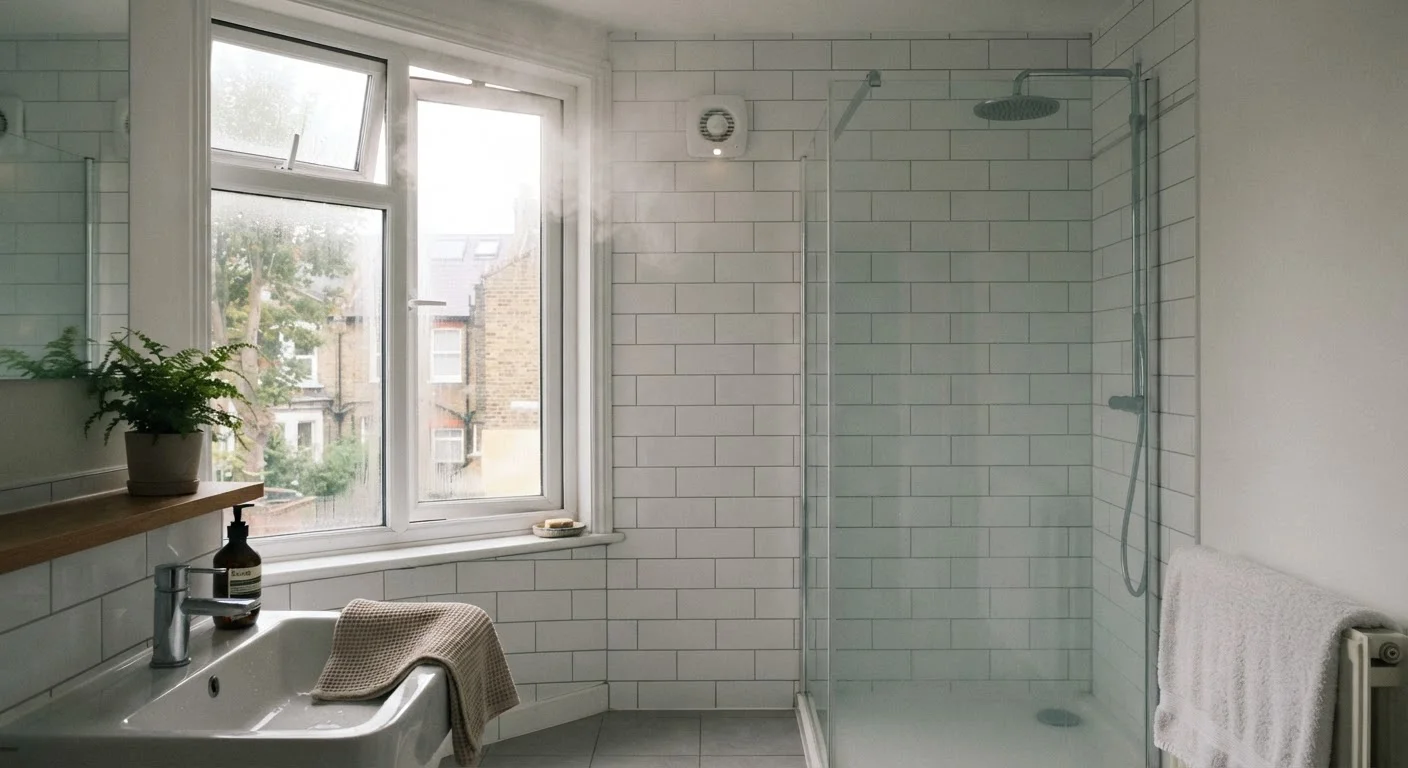
After showering, run the bathroom exhaust fan for at least 10 minutes with the door closed. This removes the bulk of the moisture before it can spread to other rooms. If your fan is noisy and you're tempted to skip it, check whether it needs cleaning - a clogged fan moves far less air than a clean one.
Understanding Mould: What It Is and Why It Grows
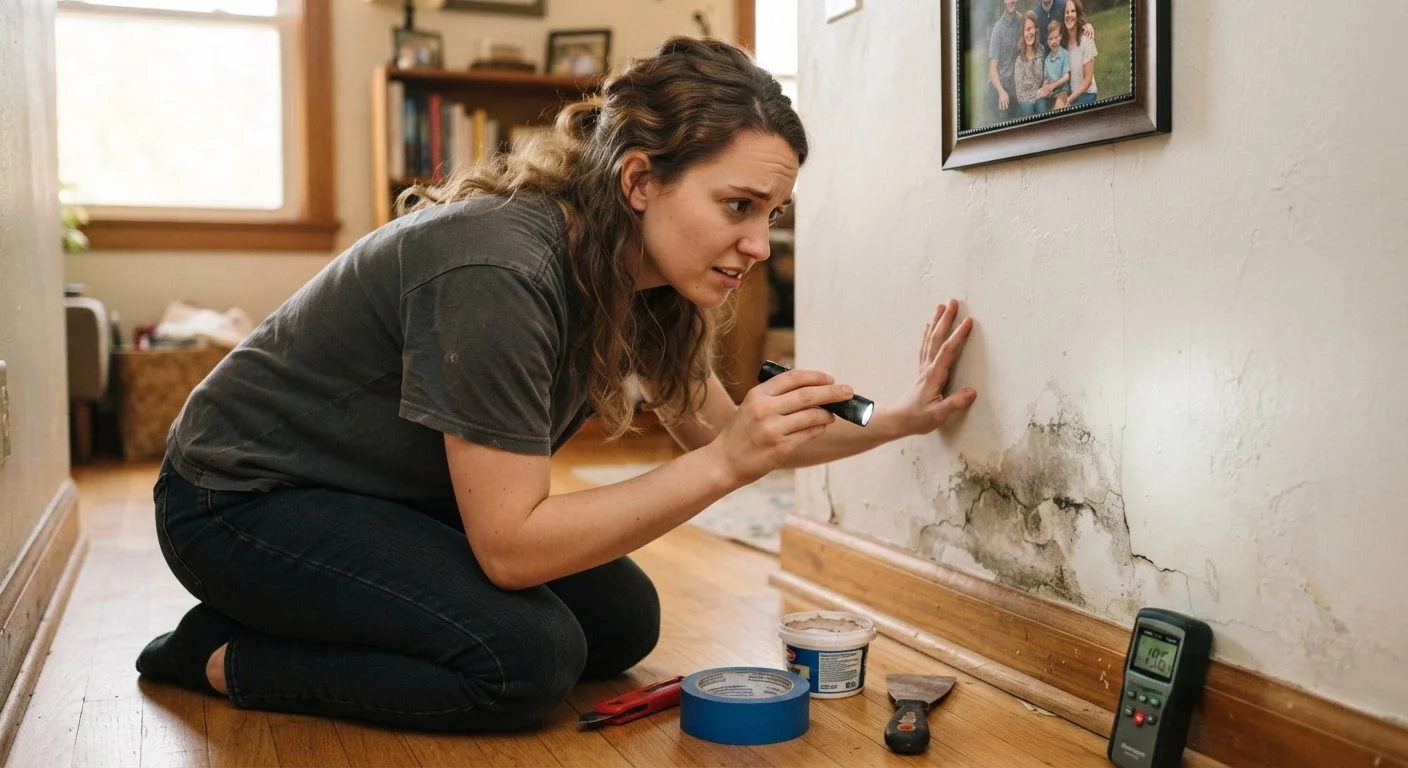
Mould is a type of fungus. It reproduces via microscopic spores that float through the air in virtually every environment. Spores are largely harmless until they land somewhere with the right conditions: moisture, moderate warmth, and an organic or porous surface to feed on (drywall, wood, grout, and even paint qualify).
Remove the moisture, and you remove mould's main trigger. That's why ventilation is the first line of defence - not cleaning products. As noted in common maintenance misconceptions, bleach may remove visible mould from non-porous surfaces but doesn't address the underlying dampness that caused it.
Watch for musty smells, dark spots in corners or behind furniture, and persistent condensation on windows. These are early warning signs worth acting on promptly. Our room-by-room checklist can help you spot other signs before they escalate.
Practical Ways to Improve Ventilation
You don't need expensive equipment to make a meaningful difference. Start with habits:
- Use exhaust fans every time you shower or cook - and leave them running for 10-15 minutes after you finish.
- Open windows daily where possible, even briefly, to flush out humid air.
- Move furniture away from exterior walls slightly to allow air to circulate behind it.
- Don't dry laundry indoors without ventilation. If you have no alternative, open a window or run a dehumidifier in that room.
If your home has trickle vents (small slots in window frames), keep them open. They're designed for background ventilation and blocking them removes a passive airflow route.
For a more thorough approach to sealing gaps that affect both air quality and heat retention, see our guide on caulking, weatherstripping, and draught-proofing. The goal is to seal unintentional gaps while keeping intentional ventilation routes open.
When to Call a Professional
Not every moisture or mould problem is something you should handle yourself. Call a professional if:
- Mould covers a large area (generally more than about 10 square feet is a common threshold cited by environmental agencies, though local guidance varies).
- Mould keeps returning after cleaning, suggesting an unresolved moisture source.
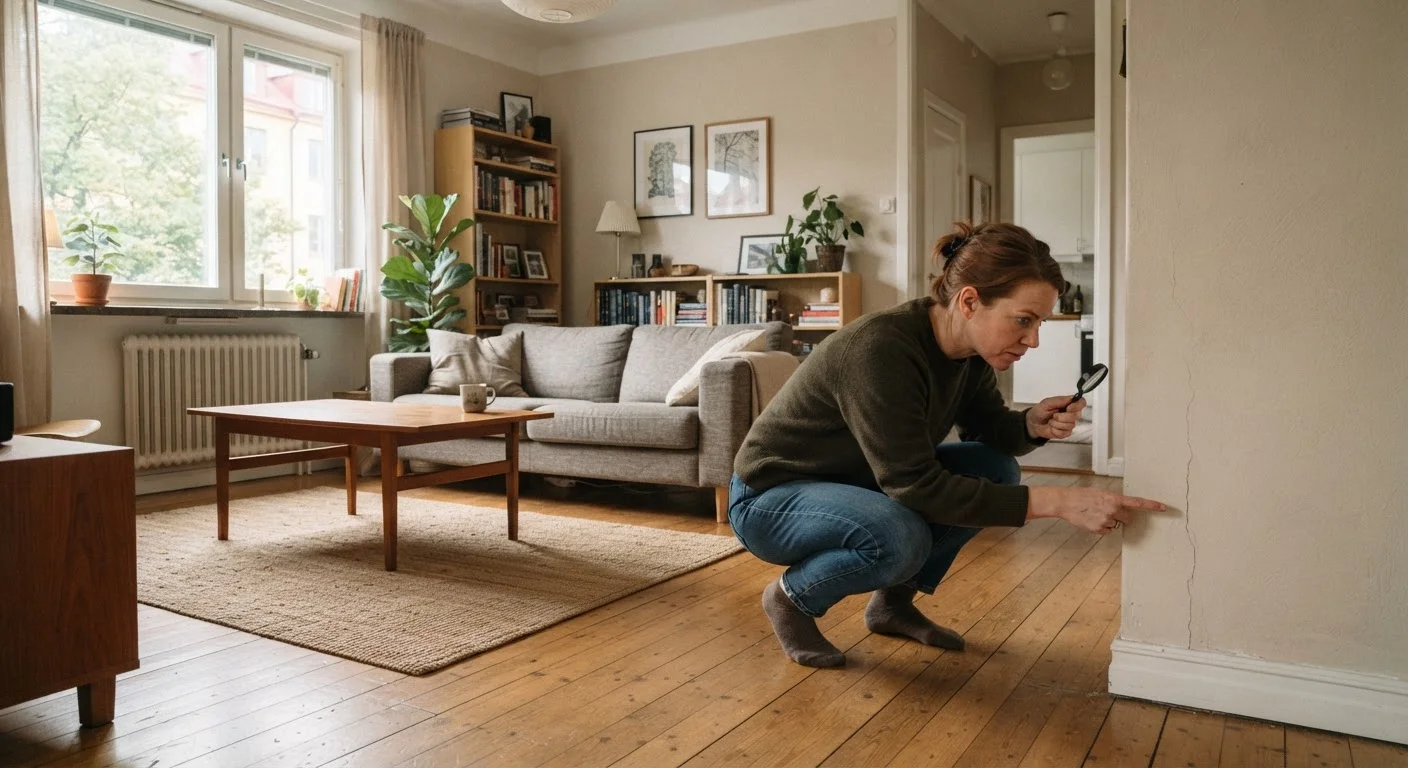
- You notice damp patches on walls or ceilings that don't correspond to condensation - this could signal a leak or rising damp.
- You smell mustiness but can't find the source - mould inside walls or under flooring needs expert diagnosis.
If you're renting, report persistent dampness or mould to your landlord in writing. Many jurisdictions require landlords to maintain habitable conditions, which includes addressing structural moisture problems. The renting basics hub has more context on tenant rights and responsibilities.
Widespread water intrusion - from a leak or flooding - can escalate quickly. Our related article on how water damage progresses explains why early action matters so much.
This article is for general informational purposes only and does not constitute professional home inspection, building, or health advice. If you have health concerns related to mould exposure, consult a qualified healthcare professional.