
Why a Seasonal Approach Actually Works
Home maintenance feels overwhelming when it's treated as one giant, undefined to-do list. Splitting tasks by season solves that problem. Each quarter brings predictable stressors - ice, heat, storms, humidity - and a short, focused checklist addresses them before they cause damage.
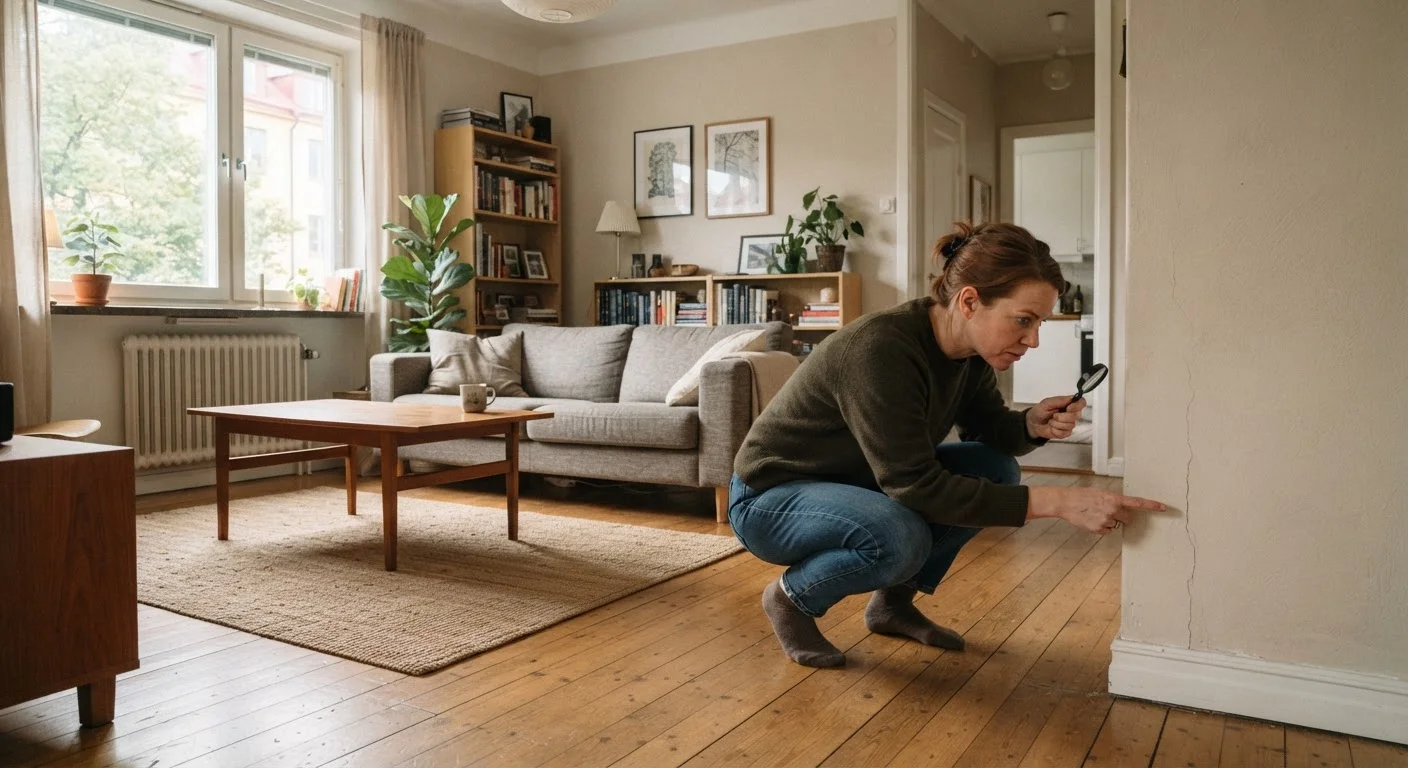
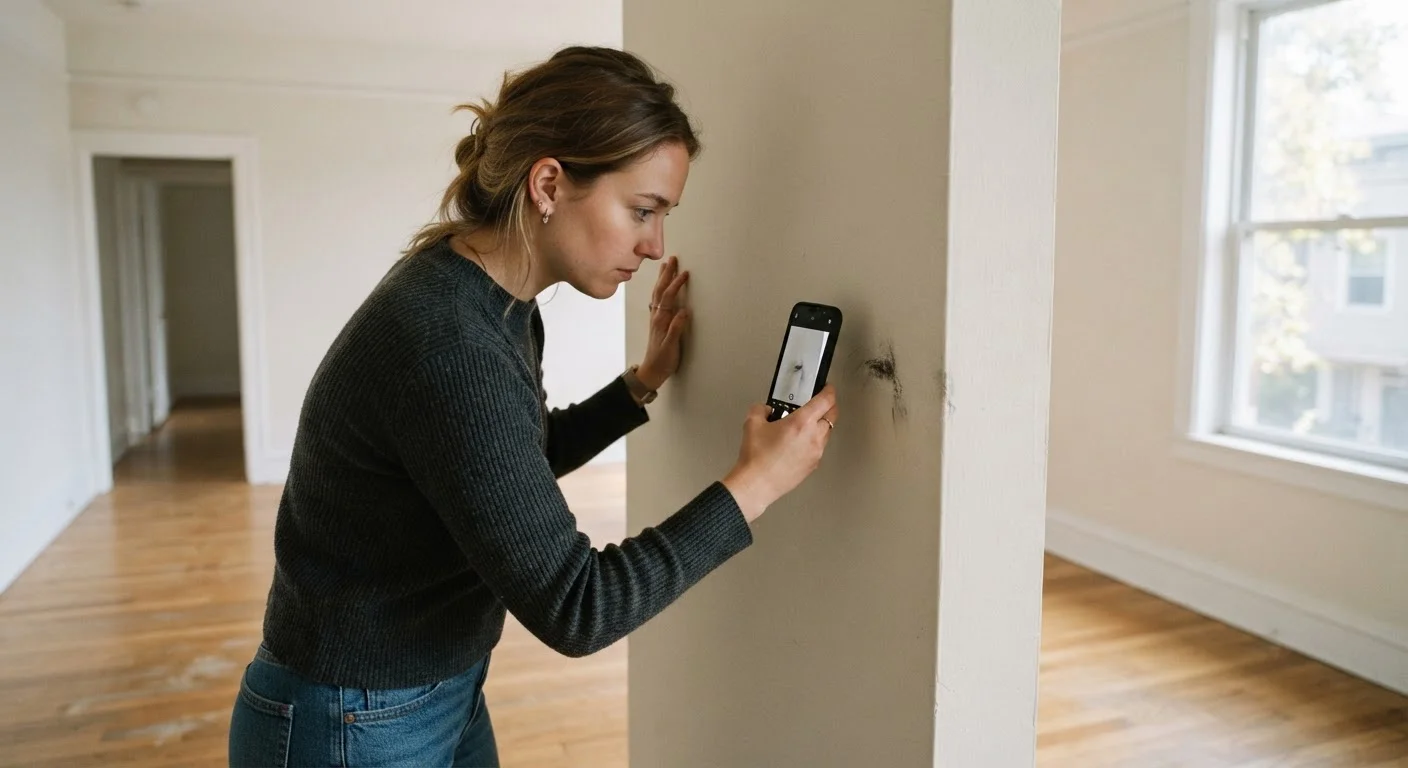
This guide applies whether you rent or own. Renters aren't off the hook: most leases require tenants to keep the property in reasonable condition, and small acts of upkeep - like replacing smoke alarm batteries or reporting a drip early - can directly affect your deposit. For a room-by-room look at what your home might already be signalling, see Signs Your Home Is Trying to Tell You Something.
If you're just moving into a new place, a condition check before you unpack is equally important - the pre-tenancy checklist walks through that process step by step.
Spring
Summer
Autumn
Winter
Tools Worth Having on Hand
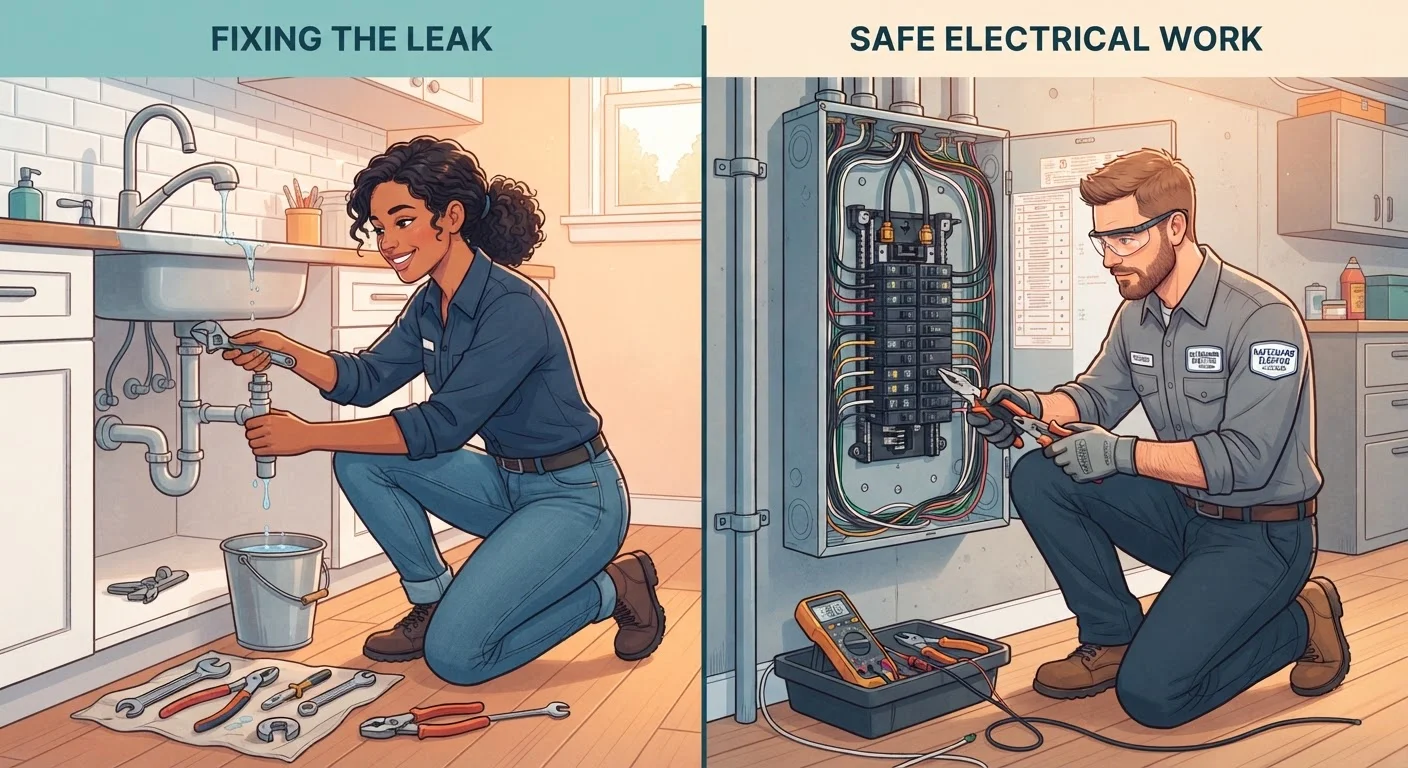
You don't need a professional toolkit to stay on top of seasonal maintenance. A modest set of reliable supplies covers most of what's listed in this checklist. For anything involving electrical panels, gas lines, structural work, or roofing, always consult a licensed professional - some jobs are not safe or legal to DIY. If you're ever unsure which side of that line a task falls on, this framework for deciding when to DIY is a useful reference.
Stepladder
Needed for safely reaching gutters, high smoke detectors, and light fixtures.
HVAC filter (correct size for your unit)
Replaced seasonally to keep your heating and cooling system running efficiently.
Smoke and CO alarm batteries
Used to power alarms that need to be tested and refreshed every six months.
Weatherstripping tape or foam strips
Seals gaps around doors and windows to prevent drafts and reduce energy waste.
Garden hose with spray nozzle
Useful for flushing gutters, rinsing dryer vents, and checking outdoor water flow.
Caulking gun and exterior caulk
Fills gaps around windows, doors, and exterior penetrations that let moisture or cold air in.
Dryer vent brush kit
Clears lint buildup from the dryer vent duct, which is a fire hazard if neglected.
Flashlight and extra batteries
Essential for inspecting dark spaces like attics, crawl spaces, and utility areas.
Some Tasks Require a Licensed Professional
Work involving gas lines, electrical panels, structural elements, and roofing is typically regulated and can be dangerous if done incorrectly. Never attempt these tasks without proper training or licensing. In many US jurisdictions, unpermitted work can void homeowner's insurance, create legal liability, and complicate a future property sale. When in doubt, call a qualified contractor.
Keeping Track of What You've Done
Running through a checklist is only half the job - recording what you did and when is what turns a one-time effort into a real maintenance habit. A simple home maintenance log (even a notes app or a shared spreadsheet) lets you spot patterns, time repeat tasks correctly, and provide useful documentation if you ever sell or dispute a deposit claim.
The Case for a Simple Home Maintenance Log explains exactly what to track and how to start without overcomplicating it. You might also find it useful to pair this seasonal checklist with a first-year homeowner guide if you've recently bought a property.
Renters approaching the end of a tenancy should treat their final seasonal check as a move-out review. Preparing to Move Out Without Losing Your Deposit covers what landlords typically look for and how to leave on good terms.
Renters: Know What's Your Responsibility
Your lease determines which maintenance tasks fall on you versus your landlord. Common tenant responsibilities include replacing light bulbs, testing smoke alarms, and keeping drains clear. Structural repairs, HVAC servicing, and appliance failures usually fall to the landlord - but you're typically required to report problems promptly. Check your specific lease and consult your renting basics hub if anything is unclear. Failing to report damage you notice can sometimes be held against you at move-out.