What a Home Maintenance Log Actually Is
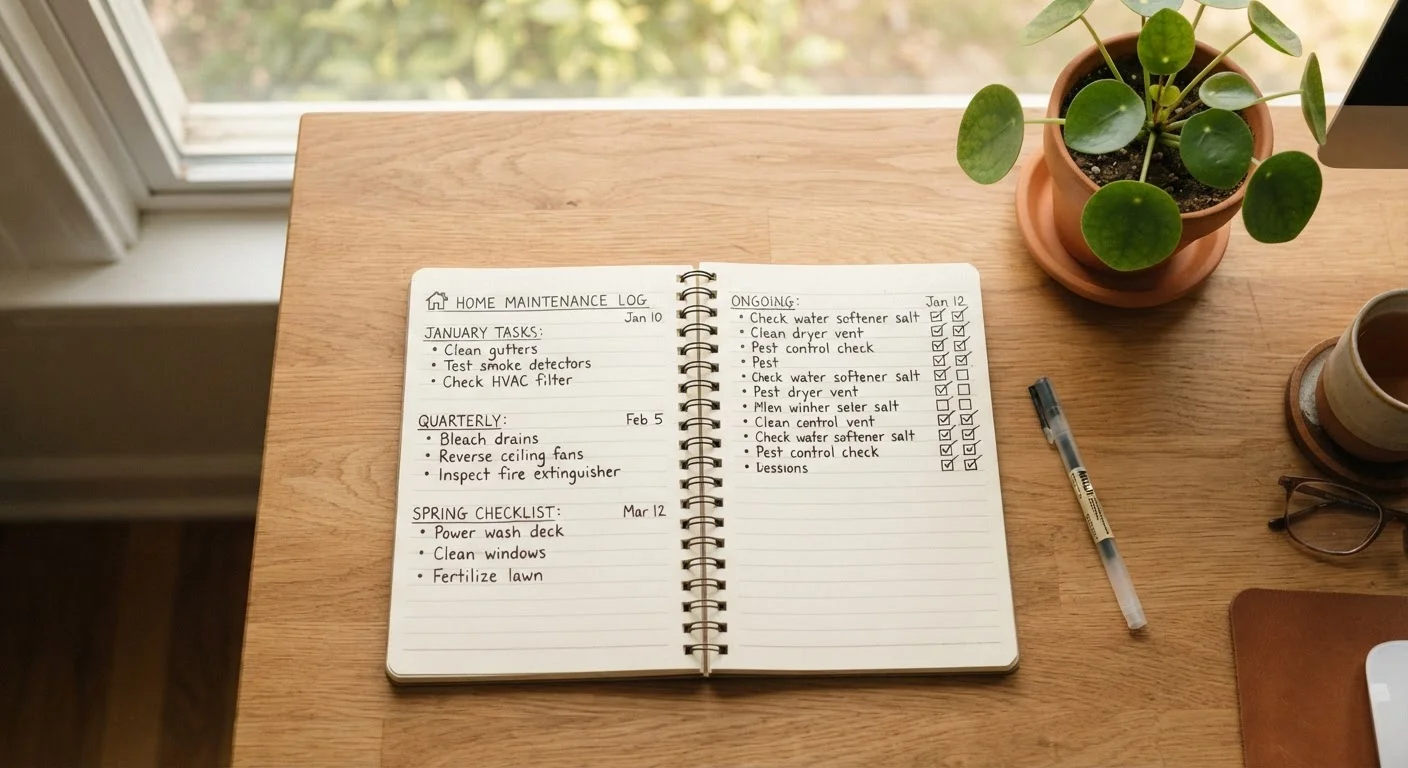
A home maintenance log is exactly what it sounds like: a running record of everything that gets repaired, serviced, replaced, or inspected in your home. That includes the HVAC filter you swapped last fall, the plumber who fixed a slow drain, the age of your water heater, and the paint color you used in the bedroom.
It does not need to be fancy. Some people use a dedicated notebook. Others keep a shared spreadsheet or a simple notes app on their phone. The format is secondary to the consistency. The goal is a single place you can return to whenever you need to answer: when was that last done?
If you are already thinking about the broader tasks worth tracking, a season-by-season checklist can help you identify what belongs in your log in the first place.
The Case For Keeping One
The advantages of a maintenance log tend to surface at the worst moments - which is exactly when you are most grateful to have one.
Removes reliance on memory for critical dates
Knowing when your furnace was last serviced or when an appliance was installed means you can act on schedules rather than guesses. This is especially useful for items with manufacturer-recommended service intervals.
Supports warranty and insurance claims
A dated record of maintenance can demonstrate due diligence if a warranty dispute or insurance claim arises. Some insurers may ask for evidence of upkeep when processing certain claims.
Helps budget for upcoming repairs
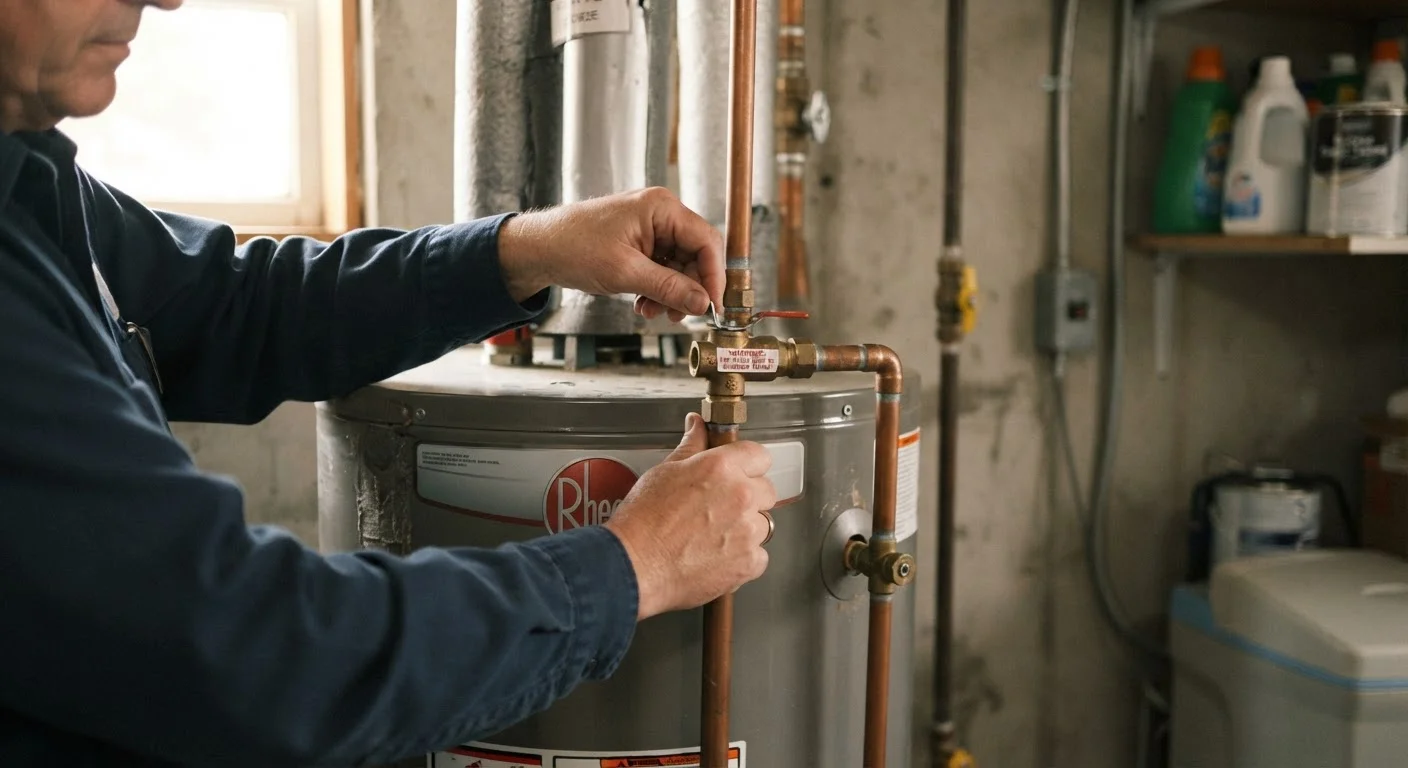
When you can see that a water heater is twelve years old and has never been flushed, you can plan proactively rather than absorb an emergency replacement cost unexpectedly.
Makes contractor conversations more productive
Arriving at a service call with documented history gives you context to ask better questions and evaluate quotes more confidently, reducing the information gap between you and a professional.
Builds a useful record for future occupants
If you ever sell or transfer the home, a maintenance log adds transparency and can be a meaningful asset in demonstrating how the property was cared for over time.
Memory is an unreliable system for home management. Appliances do not announce when they were last serviced. Warranties expire quietly. Contractors rarely leave paper trails unless you ask. A log fills that gap with minimal effort on your end.
There is also a financial dimension worth noting. Documented upkeep can support claims with your homeowner's or renter's insurance provider if a problem is disputed. It can also give you more grounded conversations when a contractor quotes a repair - you will know when the system was last touched and what was done. For a deeper look at how routine upkeep connects to household budgeting, see budgeting basics.
1-4%
Of home value recommended annually for maintenance
A commonly cited rule of thumb from housing experts suggests setting aside roughly 1-4% of your home's value each year to cover routine upkeep and unexpected repairs.
35%
Of homeowners unaware of appliance ages
Surveys on homeowner preparedness consistently find a significant share of owners cannot identify the age or service history of major appliances in their homes.
The Honest Downsides
No habit is without friction, and a maintenance log is no exception.
Requires consistent effort to maintain
The log is only useful if it is kept up to date. Skipping entries - especially after a busy stretch - can leave gaps that undermine the whole purpose of having a record.
Upfront setup takes time and recall effort
Reconstructing past repairs and dates from memory, receipts, and email threads is tedious work. Most people underestimate how long it takes to build the initial baseline log.
Value is invisible until a specific moment of need
Because the log rarely pays off in real time, it is easy to see it as busywork during calm periods. This perception can erode motivation before the habit fully sticks.
No standardized format means inconsistency risk
Without a template, entries can vary wildly in detail and usefulness. A vague note like 'plumber came' is much less helpful than a record that includes date, work done, cost, and contractor contact.
The most common reason people abandon the log - or never start one - is that it feels unnecessary until it suddenly, urgently is not. The value is invisible most of the time, which makes it easy to deprioritize. That said, once entries exist, they tend to motivate continued entries. Seeing a record of three years of upkeep makes you reluctant to let the habit lapse.
What to Track (and What You Can Skip)
A practical log does not need to document every lightbulb. Focus on the things that have maintenance schedules, significant costs, or warranty implications.
- HVAC system: filter change dates, service visits, model and serial number
- Appliances: purchase dates, model numbers, any repairs made
- Plumbing: any leak fixes, drain cleaning, water heater age and last flush
- Roof and gutters: inspection dates, any patching or cleaning done
- Pest control: treatment dates and what was treated
- Contractors: name, contact, date of work, and what was completed
You can skip minor consumables - batteries, light bulbs - unless they are part of a larger system like a smoke detector, in which case the test and replacement date is worth a note.
Renters Can Keep a Log Too
A maintenance log is not only for homeowners. Renters benefit from documenting repair requests, landlord response times, and the condition of appliances at move-in. This record can be useful if a security deposit dispute arises or if you need to demonstrate that a problem was reported and not addressed. Keep photos alongside your written notes for stronger documentation.
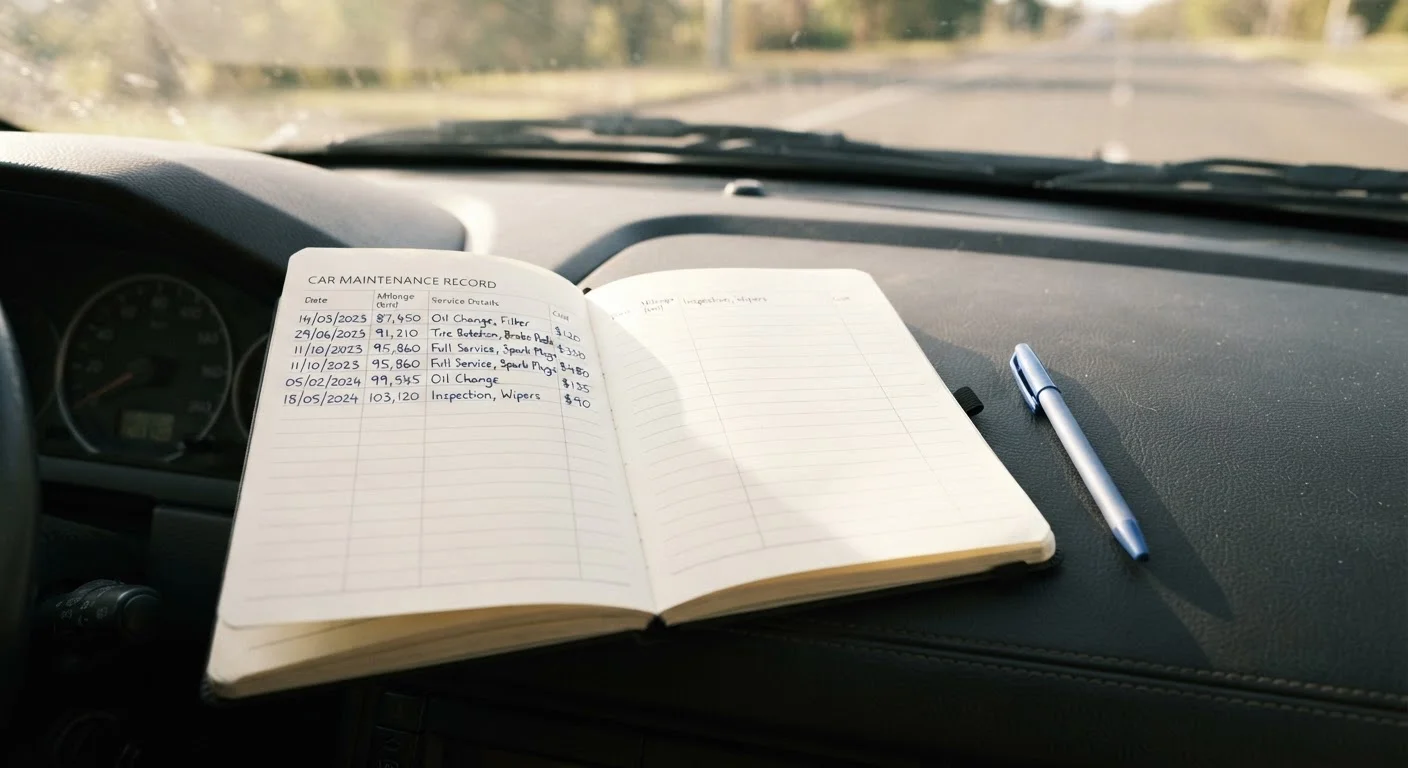
If you also own a vehicle, the same logic applies there. A car maintenance log works on identical principles and can save you real money at resale and at the mechanic. The habits reinforce each other.
How to Start Without Overthinking It
Open a blank document or grab a notebook. Write today's date, then list every maintenance task or repair you can remember from the past twelve months - even rough dates are better than nothing. That is your starting point.
Going forward, add an entry whenever something happens. A good entry takes under two minutes: date, what was done, who did it (contractor name or DIY), and any relevant notes like a part number or a follow-up item to watch.
Set a reminder once a month to review the log briefly. This is also a good moment to cross-reference it with overlooked maintenance tasks that may not surface until something breaks. Catching a small issue early almost always costs less than addressing it after the fact.