The Real Question Isn't "Can I Do This?" - It's "Should I?"
Most people ask whether they're physically capable of a repair. A better question is whether it's safe, legal, and appropriate given your situation. A YouTube tutorial can teach you almost anything in 10 minutes, but that doesn't mean every task is low-risk or consequence-free if something goes wrong.
A useful starting framework has three checkpoints:
- Safety: Could a mistake injure you, damage the property, or create a hazard for others?
- Legality: Does local code require a permit, inspection, or licensed trade for this type of work?
- Reversibility: If you make an error, how hard is it to fix - and who pays for it?
If any answer raises a red flag, that's a signal to at least consult a professional before you start. For a broader look at what to keep up with as a new homeowner, see Your First Year as a Homeowner.
What You Can Reasonably DIY
A wide range of routine maintenance tasks are manageable for beginners with basic tools, patience, and a willingness to follow instructions carefully. These jobs typically carry low physical risk, don't require permits, and won't void insurance or create code violations.
- Unclogging drains with a plunger or hand snake
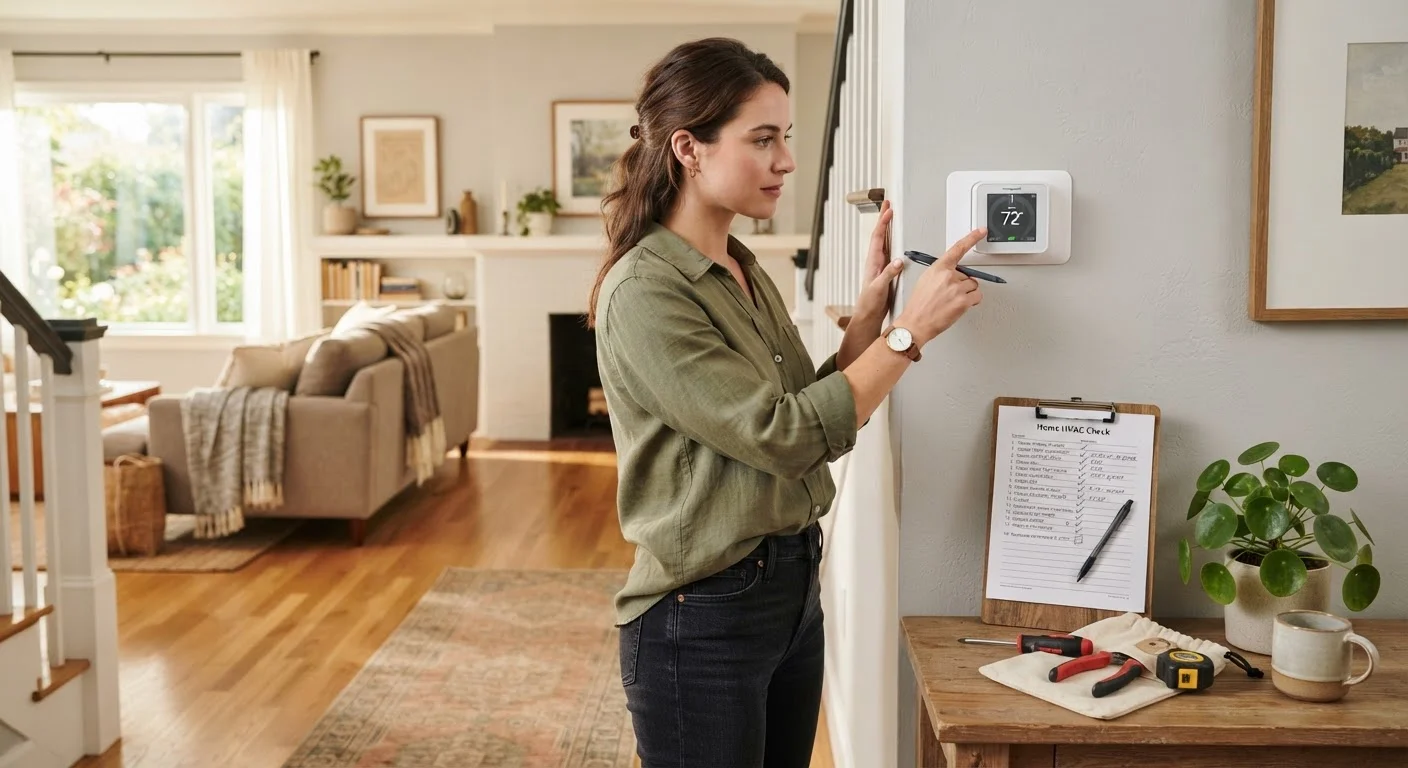
- Replacing air filters on HVAC systems (usually monthly or quarterly)
- Caulking around tubs, sinks, and windows to prevent moisture damage
- Patching small drywall holes with a pre-mixed compound and putty knife
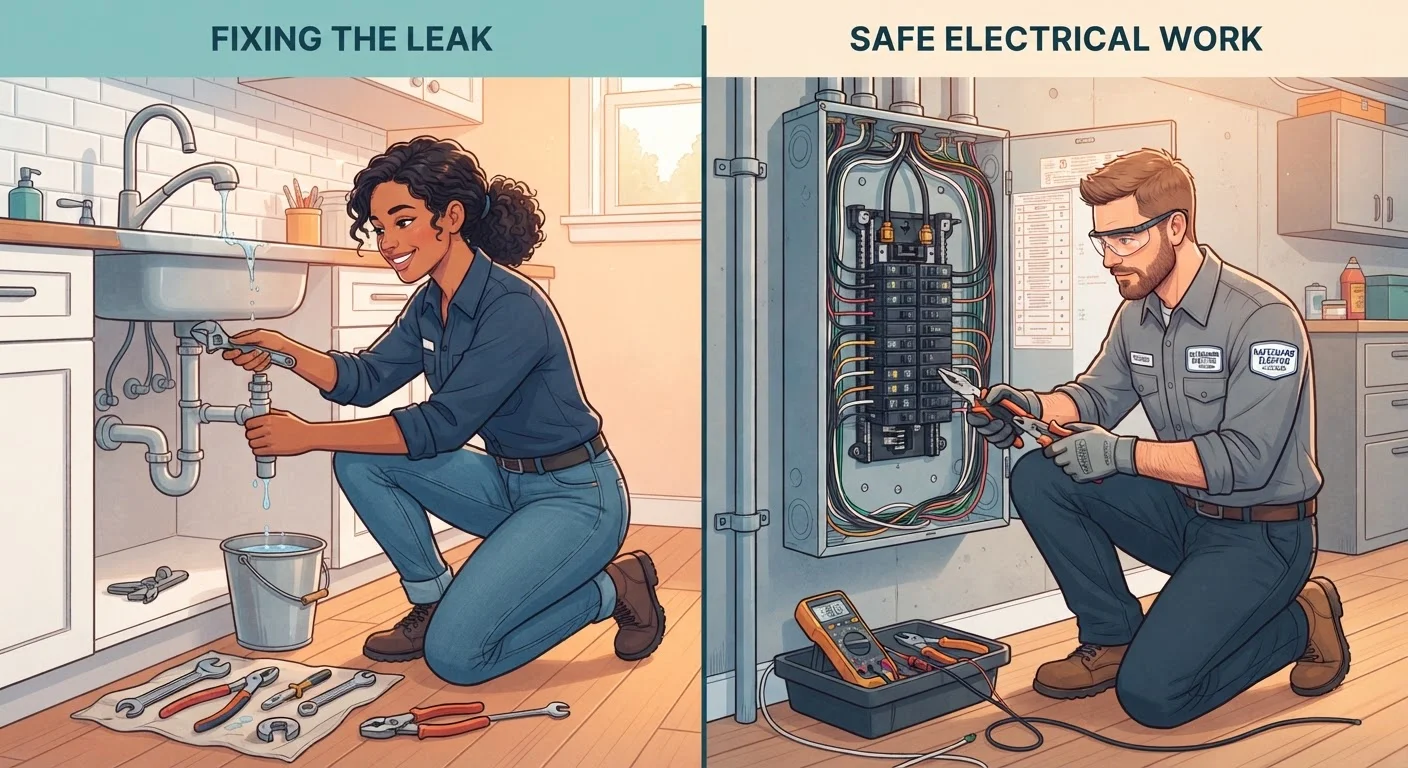
- Repairing a running toilet by replacing the flapper or fill valve
- Swapping light fixtures or outlets - but only if the circuit is turned off and you're confident in the steps
- Painting interior walls and minor touch-ups
- Weatherstripping doors to cut drafts and energy loss
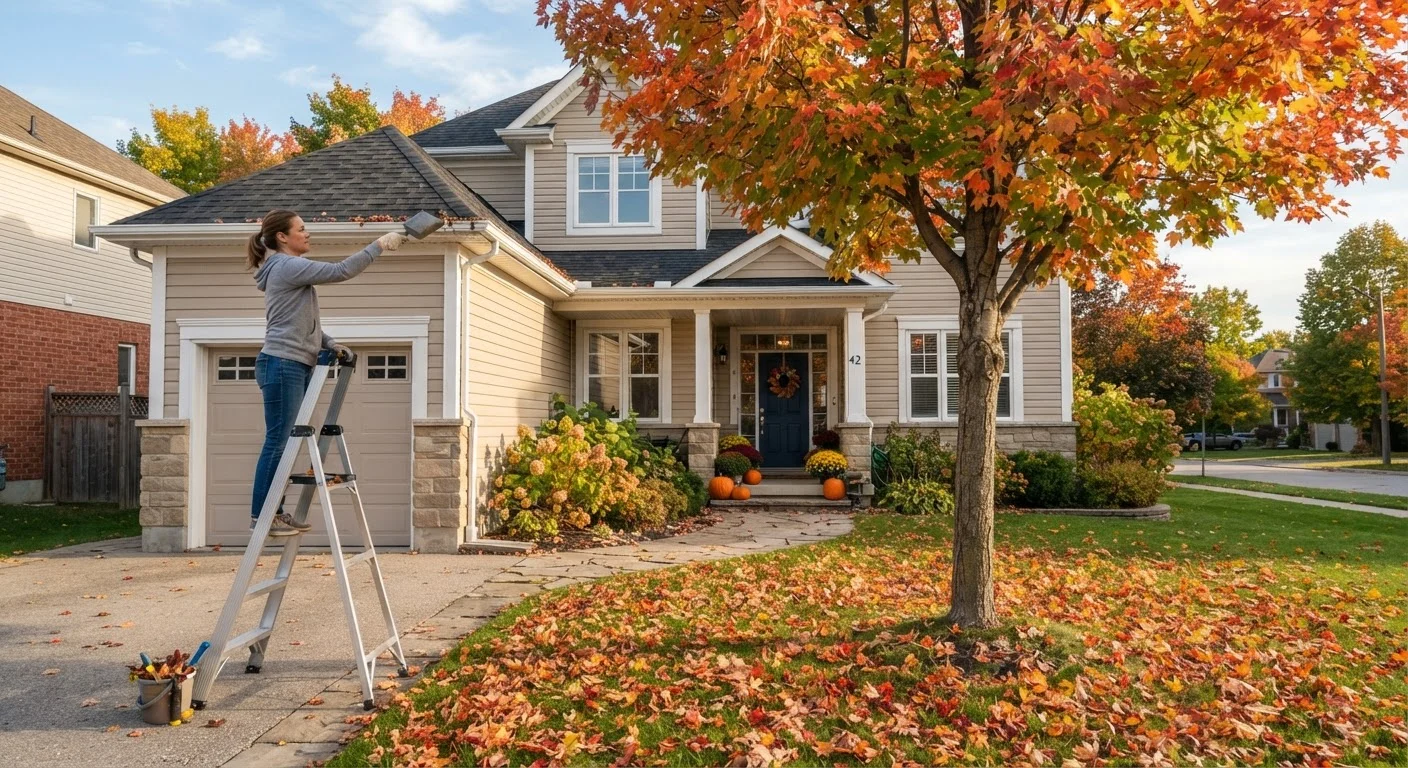
These are also the kinds of tasks covered in a seasonal maintenance checklist, which can help you stay ahead of problems before they get expensive.
| Task | DIY-Friendly | Call a Pro | |
|---|---|---|---|
| Unclogging a drain | Yes - plunger or hand snake | Only if blockage is deep in main line | |
| Replacing a light fixture | Yes - with power off and basic know-how | If panel work or new circuit needed | |
| Fixing a running toilet | Yes - flapper or fill valve swap | If leak involves supply line at wall | |
| Patching drywall | Yes - small holes up to ~6 inches | Large sections or after water damage | |
| Gas appliance installation | No - do not attempt | Always - licensed plumber or gas fitter | |
| Electrical panel upgrade | No - regulated and high-risk | Always - licensed electrician required | |
| Roof repair | Minor patching on low-slope only | Any steep pitch or major repair | |
| Painting interior walls | Yes - no license or permit needed | Optional for large or specialty jobs |
When to Step Back and Call a Professional
Certain categories of home work carry genuine risks - to you, to your home, and sometimes to neighbors - that go beyond a beginner's ability to manage safely. These aren't about being overly cautious; they reflect the reality that mistakes in these areas can be catastrophic or legally consequential.
Permits Aren't Optional - They Protect You
Skipping a required permit might feel like a time-saver, but unpermitted work can come back to haunt you. When you sell, a home inspector may flag it. If damage occurs, your homeowner's insurance may deny a claim related to unpermitted work. Always check with your local building department before starting any significant project. Most permit offices have online tools or phone lines for exactly this kind of question.
Always hire a licensed professional for:
- Electrical panel work - upgrading, replacing, or adding circuits. This is live-wire territory and is regulated in all US jurisdictions.
- Gas line repairs or installations - a leak can cause fire, explosion, or carbon monoxide poisoning.
- Structural changes - removing walls (especially load-bearing ones), altering framing, or adding additions.
- Main plumbing tie-ins - connecting new lines to the main supply or drain stack.
- Roof repairs beyond minor patching - working at height with improper anchoring is a leading cause of DIY injury.
- HVAC system installation or refrigerant handling - legally restricted in most states and requires EPA certification for refrigerants.
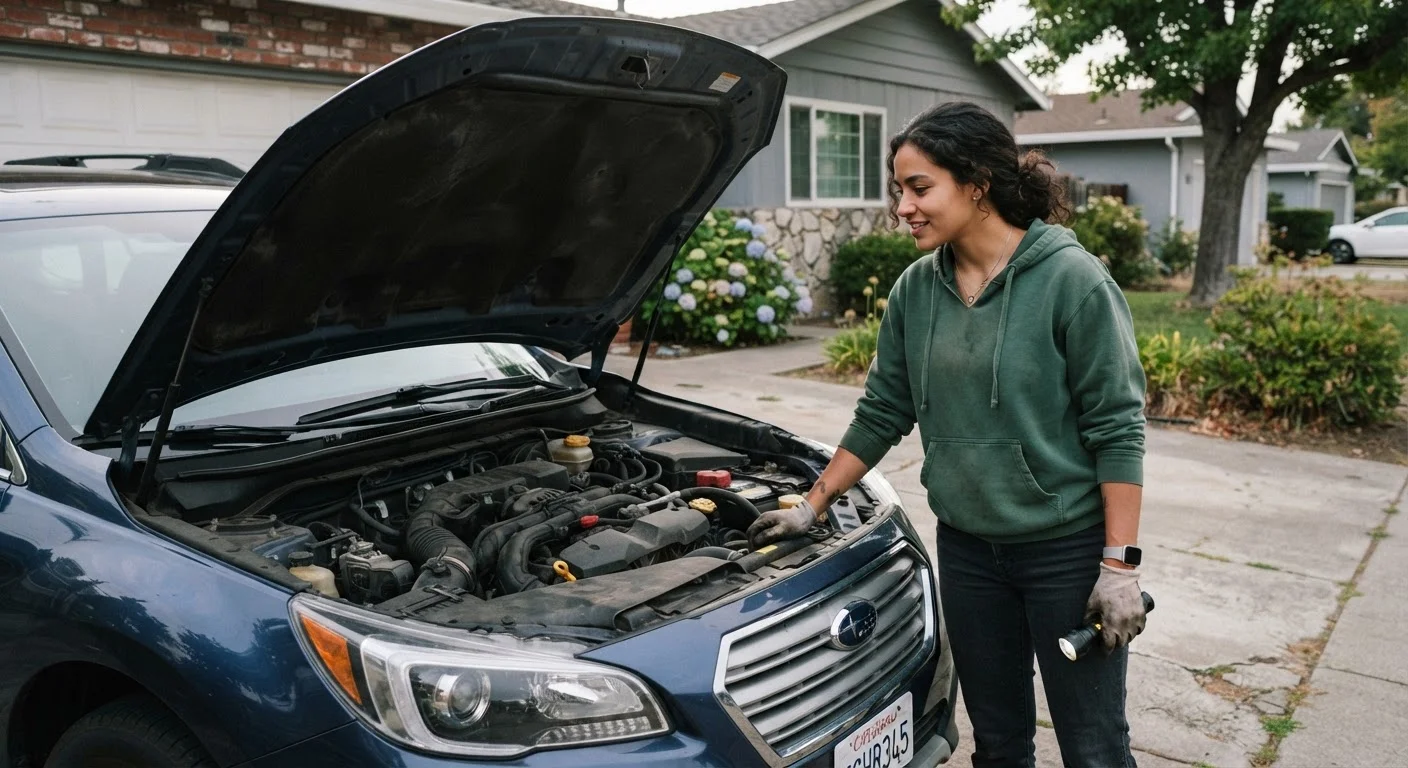
If you're not sure whether your project falls into a regulated category, your local building department can usually answer basic questions at no charge. This also applies beyond the home - the principle of knowing where the DIY line is translates directly to car ownership; see DIY car maintenance vs. taking it to a mechanic for a parallel breakdown.
A Special Note for Renters
If you're renting, the DIY decision involves an extra layer: your lease. Most rental agreements require tenants to notify the landlord before making any repair - even minor ones - and some leases prohibit tenant repairs entirely. Making unauthorized changes can result in losing your security deposit or liability for damage.
As a renter, your default should be to report issues to your landlord in writing and keep a record. That said, there are small maintenance tasks (like replacing light bulbs, keeping drains clear, or changing HVAC filters) that most leases either expect or allow tenants to handle. Read your lease carefully, and when in doubt, ask before you touch anything.
The Renting Basics hub has useful guidance on navigating landlord relationships and understanding what's typically your responsibility versus theirs.
One area where renters and owners alike benefit from staying proactive: the overlooked maintenance tasks that seem minor until they cause real damage. Maintenance tasks most people overlook until something breaks covers exactly that ground.