What the Terms Actually Mean
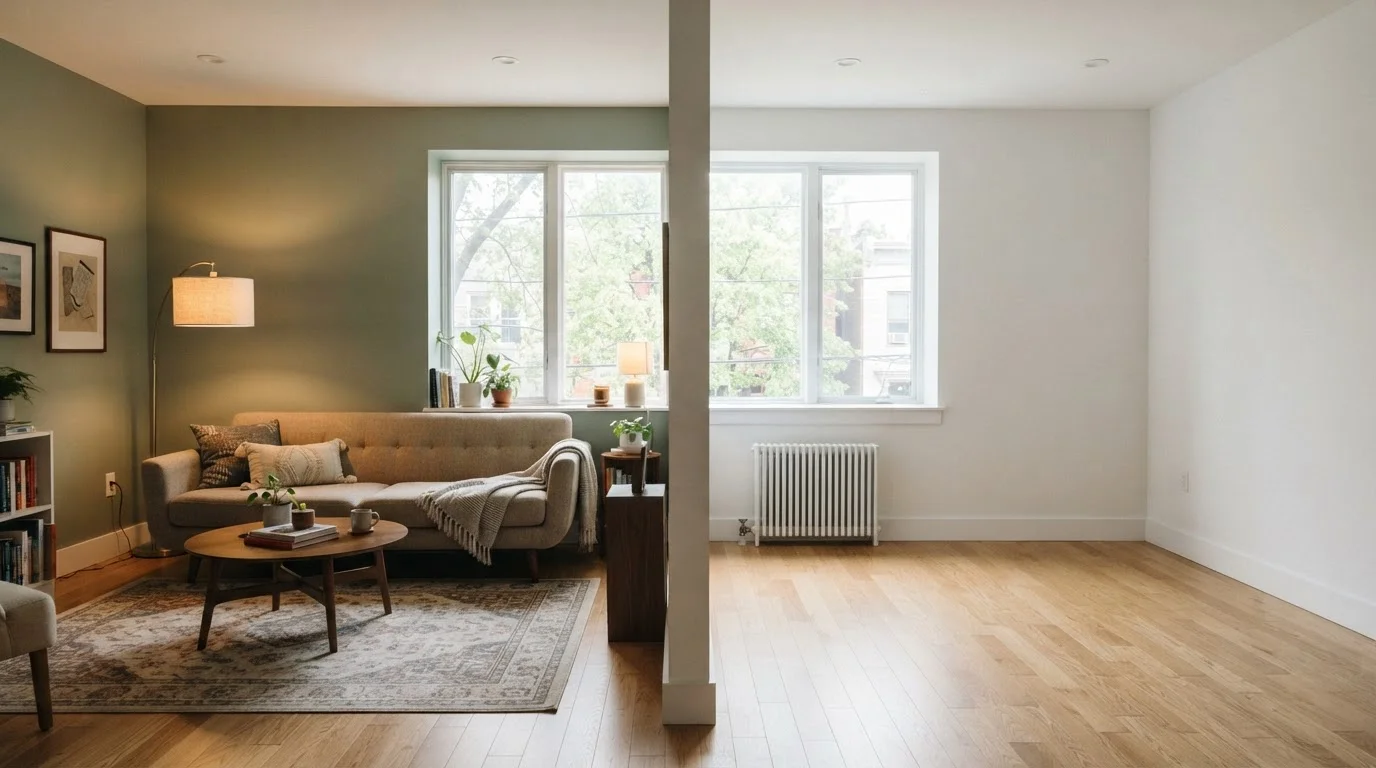
The words "furnished" and "unfurnished" sound clear, but in practice they cover a wide range of situations. A furnished rental generally includes the main pieces needed to live comfortably: typically a bed frame and mattress, sofa, dining table and chairs, and sometimes kitchen appliances beyond what's built in. Some furnished units also include linens, cookware, or small appliances - others don't.
An unfurnished rental is typically a shell: walls, floors, and whatever appliances the landlord chooses to include (often a refrigerator and stove, sometimes a dishwasher or washer/dryer). Everything else - every chair, lamp, and pot - is yours to provide.
A middle category, sometimes called "semi-furnished," splits the difference, perhaps including major appliances, window treatments, and light fixtures but leaving furniture to the tenant. Because none of these terms are legally standardised, always ask for a written inventory of what's included before signing. Check out the plain-English guide to lease language if terms in the listing or lease are tripping you up.
| Criterion | Furnished Rental | Unfurnished Rental |
|---|---|---|
| Monthly rent | Typically higher | Typically lower |
| Upfront furniture cost | None required | Significant outlay needed |
| Security deposit | Often higher | Standard deposit range |
| Personalisation | Limited by existing items | Full control |
| Best stay length | Short to medium term | Medium to long term |
| Moving ease | Very easy - minimal moving | More logistics involved |
| Availability | Less common overall | Widely available |
How Each Arrangement Affects Your Costs
Monthly rent for furnished units tends to run higher than comparable unfurnished ones in the same building or neighbourhood. That premium reflects the landlord's investment in furniture and the added flexibility these units offer. It also means if you stay for several years, you'll likely pay considerably more in total rent than you would have in an unfurnished unit - even after accounting for the cost of buying your own furniture.
Upfront costs work in the opposite direction. Moving into a furnished unit can be done with a security deposit and first month's rent. Moving into an unfurnished unit adds furniture costs, which can range from a modest investment using secondhand sources to several thousand dollars if you're starting from scratch.
20-30%
Typical furnished rental premium over unfurnished
Industry estimates commonly place furnished unit rents 20-30% above comparable unfurnished units in the same market, though this varies significantly by city and property type.
$2,000-$5,000+
Estimated cost to furnish a one-bedroom apartment
Consumer spending data suggests outfitting a basic one-bedroom from scratch typically ranges from around $2,000 using budget sources to well over $5,000 for mid-range new furniture.
Security deposits also differ. Because furnished units include the landlord's belongings, landlords often charge a larger deposit to cover potential damage to furniture. Make sure you understand exactly what condition is expected and document everything on move-in day. For a closer look at how lease terms govern these details, see how to read a lease agreement before you commit.
Flexibility, Lifestyle, and Longer-Term Fit
Your expected stay length is probably the most useful filter. Furnished rentals are common in urban markets, near universities, and in areas with high corporate relocation traffic. They're designed for people who may not be in one place long. Unfurnished units dominate the broader long-term rental market and signal a landlord who expects a tenant to settle in.
There's also a lifestyle dimension. In a furnished unit, you're living with someone else's taste and quality choices. If the sofa is uncomfortable or the bed frame wobbles, your options are limited - you can't easily swap it out without the landlord's approval, and doing so creates questions about responsibility for the original item. In an unfurnished unit, every choice is yours, which suits people who care about their environment or already have belongings that reflect their preferences.
If you're weighing how long to commit, the comparison of month-to-month and fixed-term leases covers how lease structure interacts with your flexibility needs. And if you're still deciding whether renting makes sense at all right now, weighing renting against staying home longer offers a grounded look at the full picture.
Always Get the Inventory in Writing
Before signing a lease on a furnished unit, request a written inventory of every item included and its condition. Walk through the unit and photograph everything on move-in day. This protects you from being charged for damage you didn't cause when you move out. Some landlords include inventory lists as a lease addendum - if yours doesn't, ask for one. For more on what to watch for in lease documents, see common lease assumptions that cost renters money.