The First-Month Spending Rush
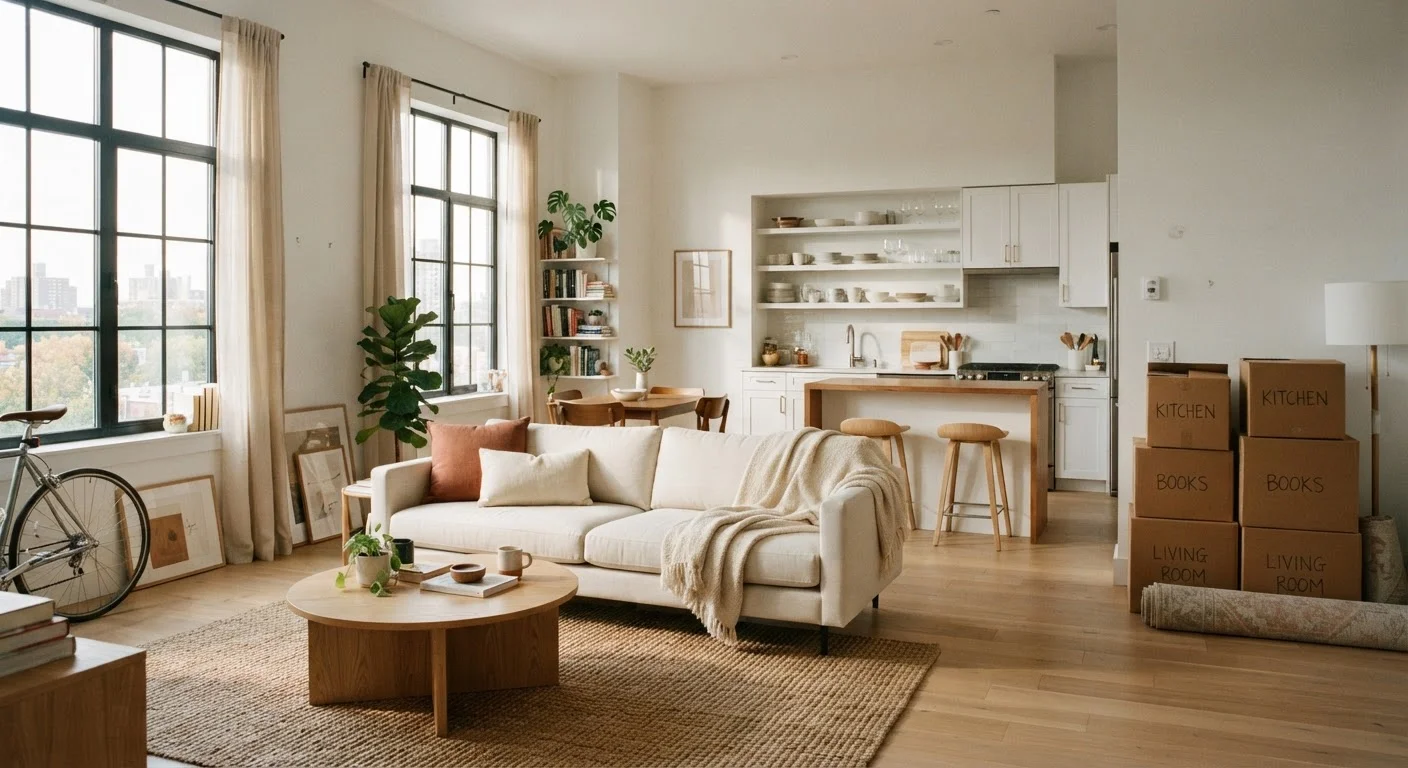
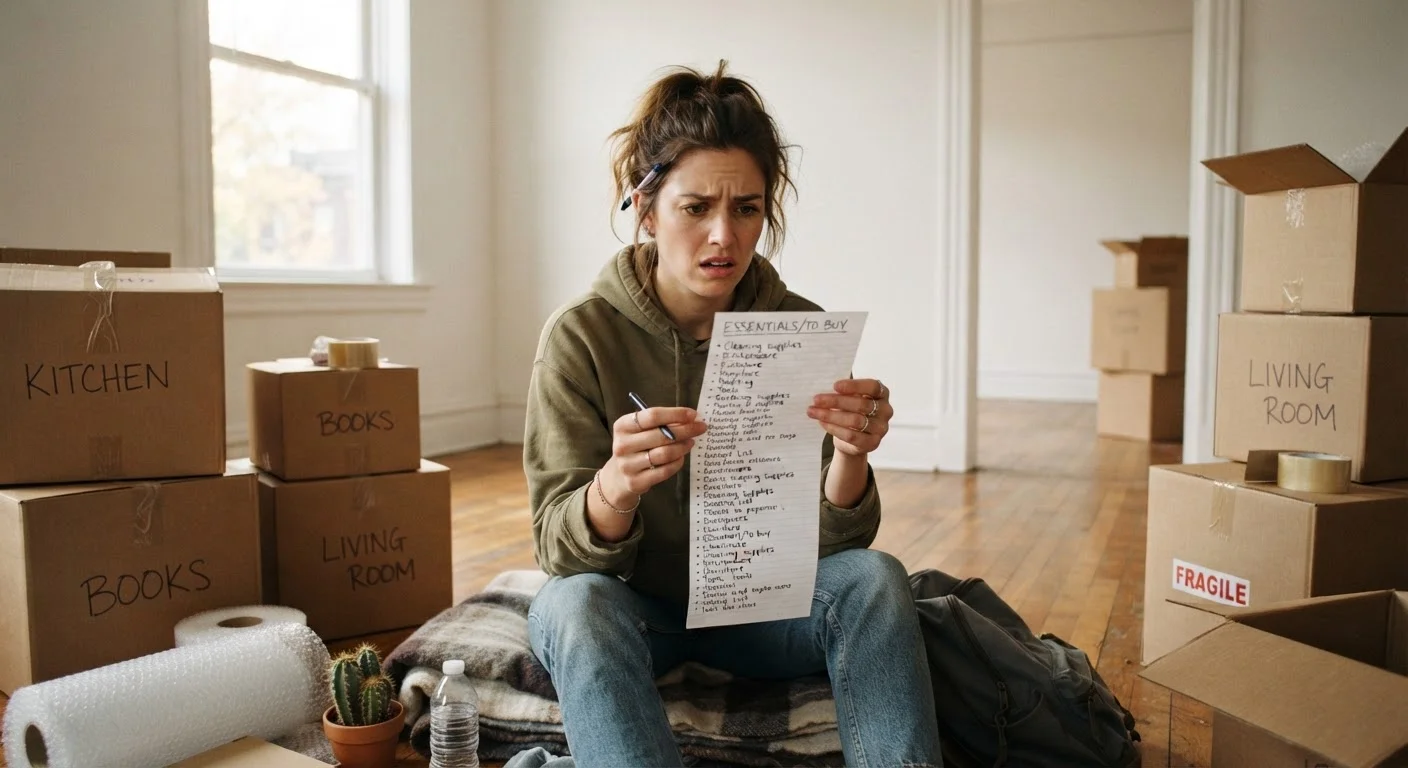
Moving into your first place triggers a specific kind of spending urgency. The space feels empty, your friends might visit soon, and every store seems to have exactly what you think you need. That combination - excitement, social pressure, and an unfamiliar space - is what drives most new renters to overspend before they've even unpacked.
The good news: these patterns are predictable, which means they're avoidable. Understanding why the overspending happens is more than half the battle. For broader context on how to manage money month-to-month once you're settled, the budgeting basics hub is a practical starting point.
Don't Spend Before You Know Your Costs
Before buying a single piece of furniture, confirm all your move-in costs - including security deposit, first and last month's rent, utility connection fees, and renter's insurance. Many new renters wipe out their setup budget without realizing these expenses are still coming. See what hidden rental costs to expect before you start shopping.
The Most Common Setup Mistakes - and What to Do Instead
These aren't rare errors. They show up consistently among first-time renters across different income levels and cities. The fix for each one is less about willpower and more about changing the sequence of decisions.
Buying everything before moving in, without knowing what fits the space.
Why it happens: New renters are eager to feel settled quickly, so they shop in bulk before they've seen how the rooms actually function day-to-day.
Not accounting for setup costs beyond rent in the monthly budget.
Why it happens: First-timers focus on the monthly rent number and treat everything else as a one-time expense they'll somehow absorb. Utility deposits, internet setup fees, and cleaning supplies add up fast.
Skipping secondhand options in favor of buying everything new.
Why it happens: There's a social pressure around having a "put-together" home, and secondhand shopping can feel like settling. Many young renters default to new purchases without comparing alternatives.
Decorating before establishing a functional baseline.
Why it happens: Décor is fun and visible - it makes the space feel like yours immediately. So spending on wall art, throw pillows, and plants often happens before practical items are sorted.
Ignoring the lease before making changes or large purchases tied to the unit.
Why it happens: Renters assume they have standard freedoms around painting, hanging items, or installing fixtures - without reading the fine print that may restrict or require them to reverse those changes.
Avoid the 'Furnished in a Weekend' Trap
Social media and showroom displays can make a fully furnished apartment look like an urgent goal. In reality, trying to furnish an entire home in one trip often leads to poor decisions - wrong sizes, impulse buys, and items you'll replace within a year. A bare-bones setup that works is always better than an expensive one that doesn't.
One often-overlooked area: the lease itself shapes what you can and can't do in your home. Many renters make purchases or changes that conflict with their agreement - and discover the problem only when they move out. The renting basics hub covers the essentials of understanding what you've signed. You might also want to review common renting myths that trip up first-timers before they get started.
~$1,800
Average first-month setup spend for new renters
Moving industry surveys consistently place initial home setup costs - furniture, supplies, deposits - well above what most first-timers budget for.
30-60 days
Time before spending patterns stabilize
Financial counselors generally note that it takes one to two billing cycles for new renters to understand their true monthly expenses and adjust accordingly.
A Smarter Way to Approach Home Setup
The simplest reframe: treat home setup as a process, not an event. You don't need a complete home on day one - you need a functional home on day one, and you can build from there.
Start with what makes daily life work: a place to sleep, basic kitchen tools, and a way to clean the space. Anything beyond that can wait until you've lived in the apartment long enough to know what it actually needs. A good room-by-room setup sequence can help you work through this without guessing.
When you do spend, compare secondhand options first. Quality used furniture is widely available, and the money you save on a bookshelf can cover an unexpected fee or a utility deposit you forgot to plan for. The goal isn't a sparse apartment - it's a home built intentionally, without the financial hangover that comes from spending too fast.