Why Sequence Matters When Setting Up a New Home
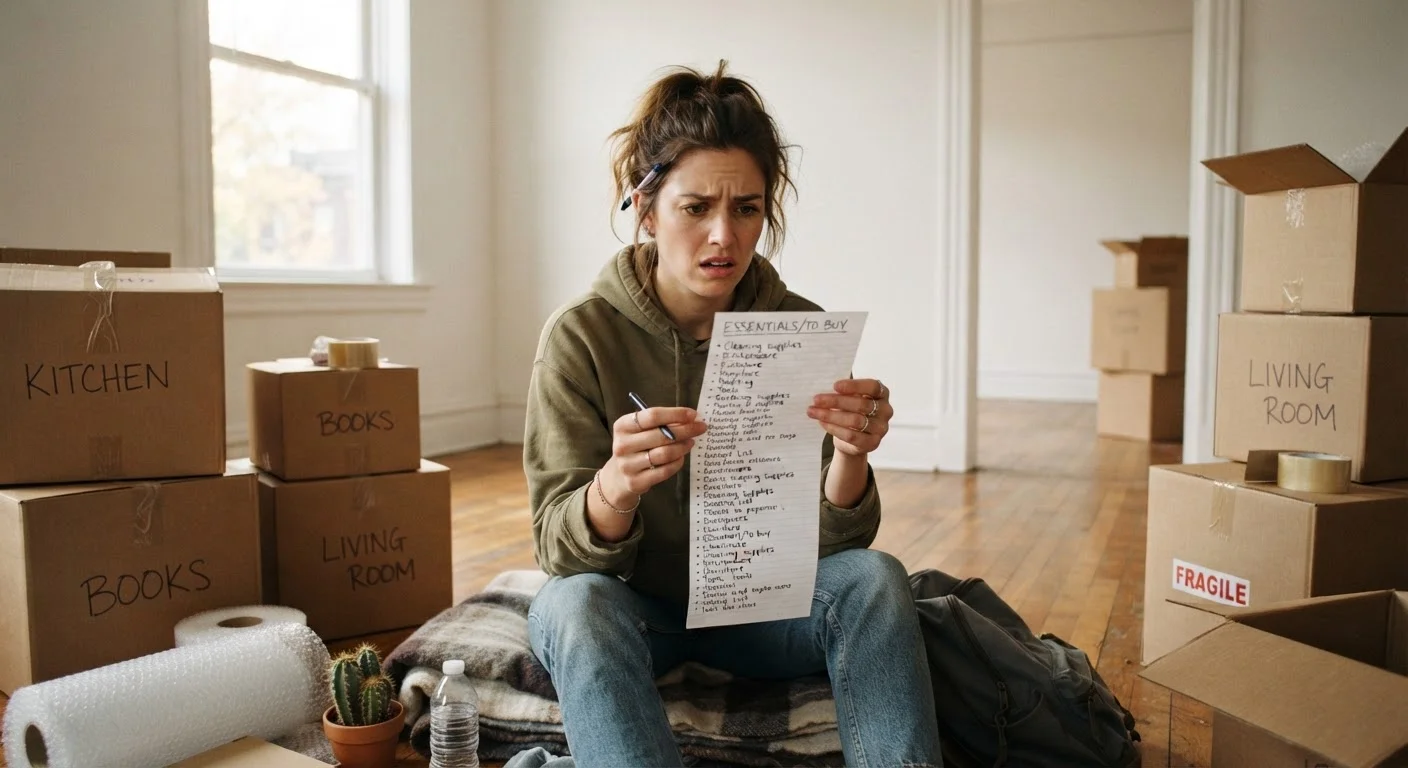
Moving into your first rental is exciting - and it's tempting to unpack everything at once, or start with whatever box is on top. But a room-by-room approach built around daily necessity will have you functional faster and help you avoid spending money on things you don't actually need yet.
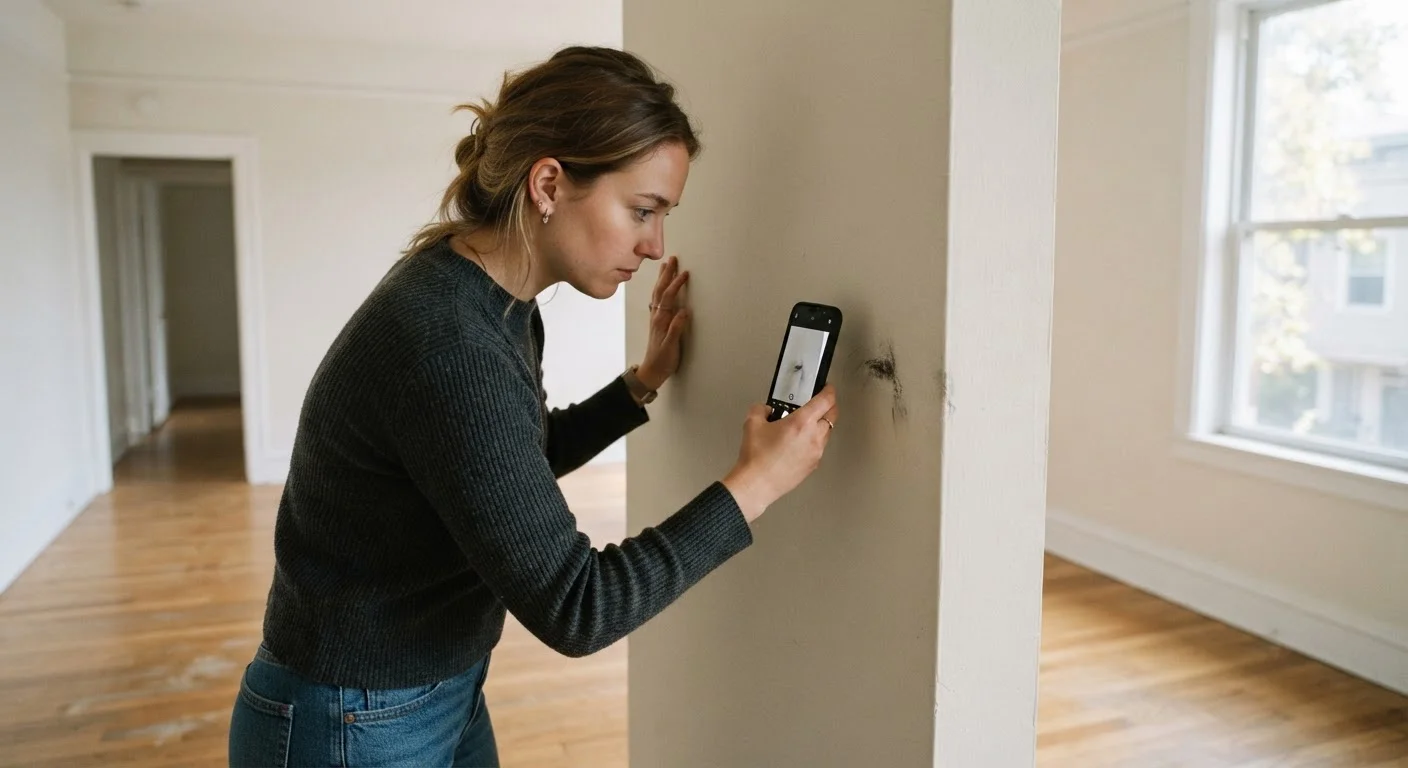
Before you start, do yourself one favour: walk every room and document its condition with photos or video. This protects your security deposit if any disputes arise at move-out. For a thorough room-by-room condition record, see the pre-tenancy checklist that covers exactly what to look for.
Once that's done, follow the sequence below. It's ordered by how quickly each room affects your quality of life.
What you will need
The Setup Steps: Room by Room
Work through these steps in order. Each one builds on the last, and skipping ahead tends to create chaos that slows you down overall.
Clean the entire unit before unpacking anything
Even if the unit looks clean, wipe down all surfaces - inside cabinets, bathroom fixtures, appliance interiors, and windowsills - before a single item comes out of a box. Cleaning around furniture is much harder than cleaning an empty space.
Set up the bedroom - bed and sleep essentials first
Assemble your bed frame and mattress, make the bed with clean sheets, and position any essential lighting. Everything else in the bedroom - decor, additional storage, artwork - can wait. Your ability to sleep well directly affects how much energy you have for everything else.
If your bedroom doubles as a workspace, see how to make a double-duty room work before committing to a furniture layout.
Make the bathroom fully functional
Hang your shower curtain and liner, place a bath mat, stock toilet paper, set out soap and towels, and confirm the toilet, sink, and shower all drain correctly. Report any plumbing issues to your landlord in writing right away.
Get the kitchen operational
Unpack cookware, utensils, and pantry staples. Assign cabinet and drawer zones before putting anything away - changing this later is annoying once habits form. Stock the essentials: a pot, a pan, a cutting board, a knife, and basic dry goods. You don't need every kitchen gadget on day one.
For a realistic list of what actually matters in the first month, what you actually need in month one cuts through the noise.
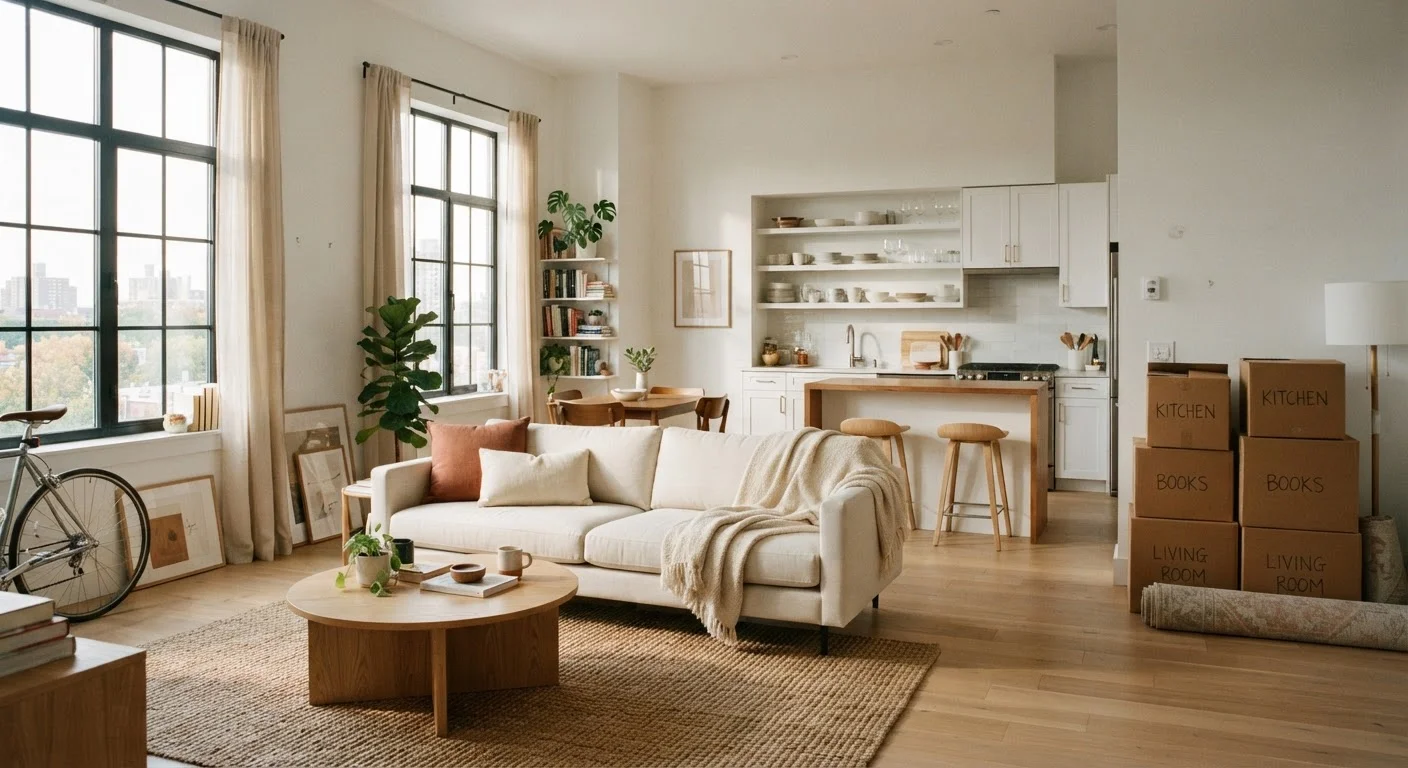
Set up the living room last
Position your main seating and any media setup, but treat this as a working draft. Living rooms are the easiest spaces to adjust over time, and after a week in the apartment you'll have a much clearer sense of traffic flow and natural light patterns than you do on day one.
If the space feels cramped, the issue is often layout rather than size - layout principles that fix cramped spaces explains how arrangement and scale shape how a room feels.
Build Your Setup in Phases
Think of home setup as three phases: functional (week one), comfortable (weeks two and three), and personalized (month two onward). Trying to complete all three phases at once is the most common reason new renters overspend and feel overwhelmed. Give yourself permission to leave things unfinished early on.
Common Mistakes to Avoid
First-time renters frequently overspend in the first few weeks by buying decorative or duplicate items before understanding how they actually use the space. Resist the urge to fully furnish everything on day one. Living in a space for even a week reveals which furniture arrangements make sense and which gaps genuinely matter.
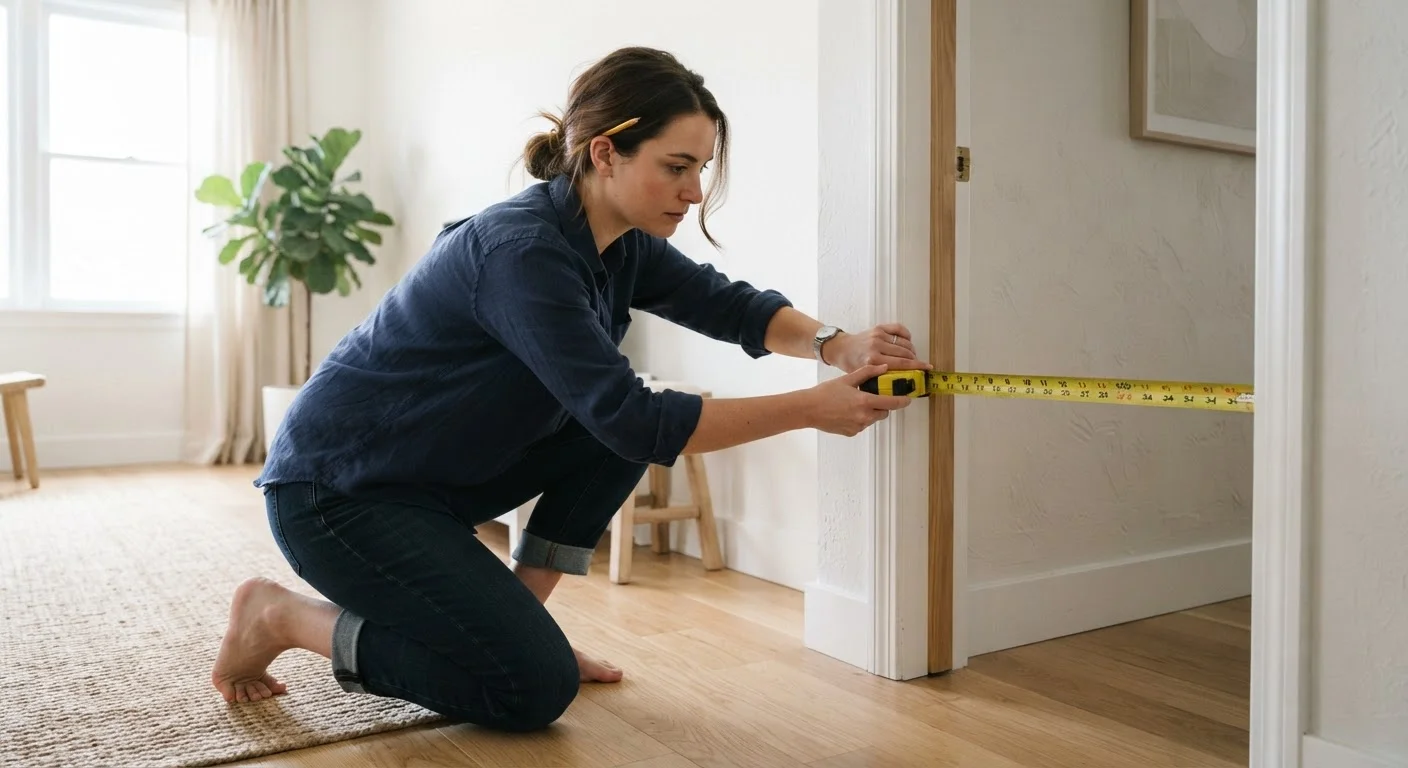
Measuring before buying is non-negotiable. A sofa that can't fit through the doorway or a bed frame too wide for the room creates expensive problems. Our guide on what to measure before buying furniture gives you a complete reference.
For a broader look at the spending patterns that drain new renters' budgets, why new renters overspend on home setup is worth reading before you make any major purchases. And if you're sharing your space with housemates, the decisions get more layered - navigating home setup with housemates covers how to agree on shared-area decisions without conflict.
Don't Skip the Condition Walkthrough
Setting up a new place is exciting, but unpacking before documenting existing damage is a real financial risk. Landlords may attribute pre-existing marks or issues to you at move-out if there's no record. Take dated photos of every room, every wall, and every appliance before your belongings go in.