Why This Conversation Matters Before Move-In
Moving into a shared flat is rarely just a logistics puzzle - it's also a social one. When two or more people with different tastes, habits, and budgets share the same square footage, the setup phase can quietly set the tone for everything that follows. Skipping the planning conversation doesn't make the tension go away; it just delays it until someone's couch is blocking the hallway.
If you're still weighing whether renting with others is the right call, our guide to renting vs. staying home lays out the real trade-offs worth thinking through first.
Once you've committed to moving in together, the goal is to get everyone on the same page about three things: what you each own, what you'll share, and how shared decisions get made. The steps below walk you through exactly that.
What you will need
How to Set Up a Shared Space Everyone Can Live In
Follow these steps in order. You don't need to complete them all in one sitting - but try to work through the first three before moving day, and the rest within the first couple of weeks.
Take stock of what everyone already owns
Before anyone buys anything, list out what each person is bringing. Focus on big-ticket shared-area items: sofas, dining tables, kitchen appliances, lamps, rugs, and storage units. Private bedroom furniture generally belongs to whoever owns it, so you can set that aside for now.
Once you have a combined list, look for overlaps and gaps. Two microwaves is a waste; no dining table is a problem. This inventory becomes the foundation for every decision that follows. Our guide to first-month essentials can help you identify what actually needs to be in place before you move in versus what can wait.
Agree on ownership and cost-splitting before you shop
For any item the group decides to buy together, nail down who owns it before spending a cent. Joint ownership sounds fair but creates real problems when someone moves out. A cleaner approach: assign ownership to one person who pays the larger share (or all of it), with others contributing an agreed amount toward the cost.
Document this clearly. Something as simple as: "The dining table was bought by Sam for $180. Jake contributed $60. Sam owns it and takes it when he moves out." That's enough. The goal is that no one is surprised later.
For shared-area items like cleaning supplies or dish soap, a small shared household fund - where everyone contributes a fixed amount each month - keeps restocking simple and argument-free.
Create a simple shared living agreement
This doesn't need to be a legal document - a shared note or a message thread you all agree on is fine. Cover the basics: how shared costs get split, what happens to jointly used items if someone leaves, how decisions about new purchases get made, and any basic expectations about shared spaces (e.g., kitchen cleanup before bed).
The act of writing it down matters more than the format. It gives everyone a reference point when memories differ, and it signals that everyone's input is taken seriously.
Divide the shared space by function, not by taste
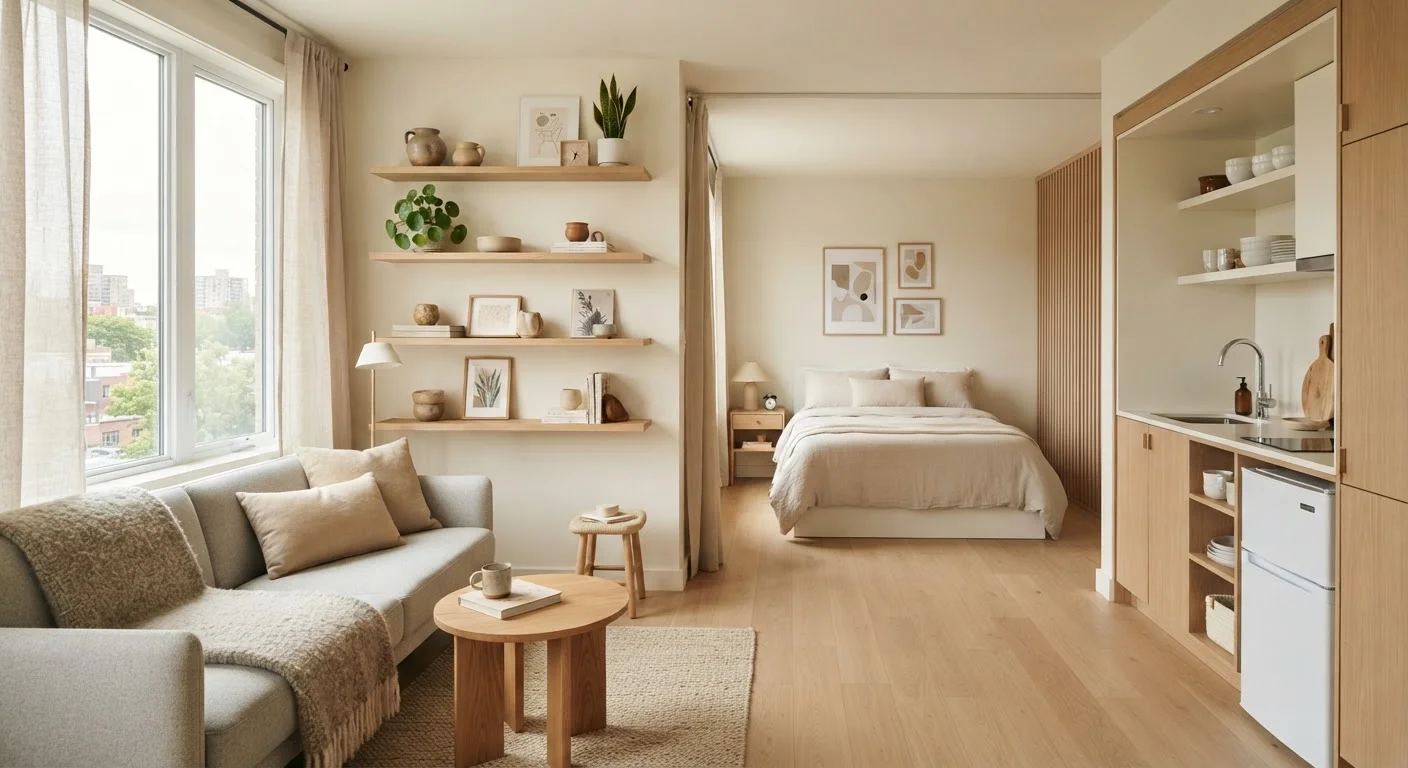
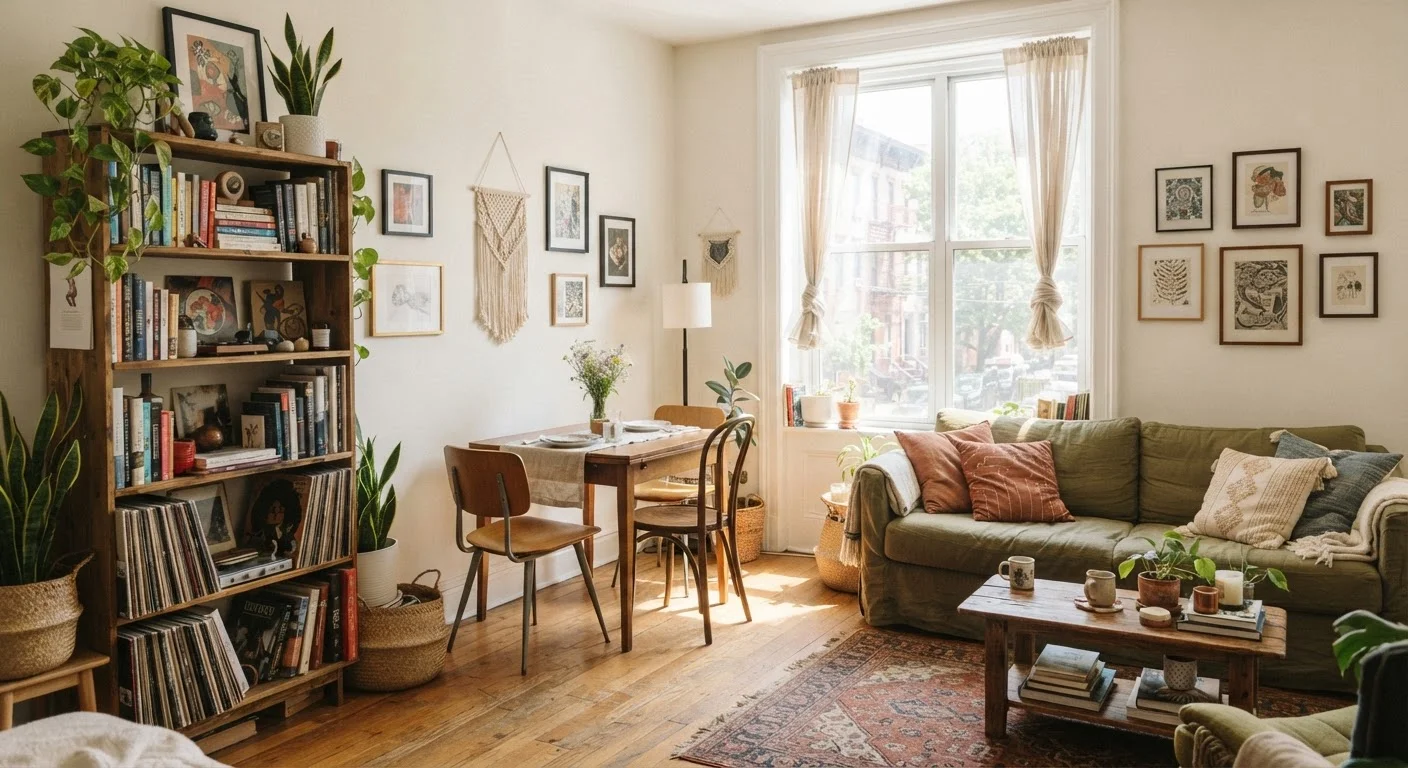
Style clashes are common when people move in together. The practical fix is to anchor shared-space decisions to function first. Map out what each area needs to do - the kitchen is for cooking and eating, the living room is for relaxing and perhaps working - and let those needs drive furniture placement and purchases.
If space is tight and rooms need to do double duty, multifunctional furniture choices can help you get more use out of less square footage without anyone feeling like their needs were deprioritized.
Once function is settled, aesthetic decisions - colors, decorative touches - are easier to compromise on because they're lower stakes.
Respect the line between shared and private space
Your bedroom is yours. What goes in it, how it's organized, and how it looks is your call. Shared areas require group buy-in; private rooms don't. Keeping this boundary clear prevents the kind of creeping over-involvement that makes shared living exhausting.
If someone wants to add a piece of furniture to a shared area that wasn't discussed, that's a group conversation - not a unilateral decision. The same applies in reverse: don't weigh in on how a housemate sets up their own room unless they ask.
Plan for move-out from the start
It's easy to skip this step when everyone's excited about moving in, but housemate arrangements end - sometimes sooner than expected. Knowing in advance who takes what makes a move-out far less fraught.
Revisit the ownership records you created in Step 2. Any item without a clear owner should be assigned one now. If you bought something jointly without tracking ownership, decide together while things are still amicable: does the person staying keep it, does the person leaving take it, or do you sell it and split the proceeds?
For a logical room-by-room approach to your overall setup, this home setup sequence gives you a practical order to follow so nothing important falls through the cracks.
Keep Shared Decisions Low-Friction
Not every shared purchase needs a full group meeting. For small items under an agreed threshold - say, $20 - let whoever notices the need handle it and log the expense. Reserve group discussions for anything that costs more, involves permanent changes to the space, or affects how the flat functions day-to-day.
Handling Disagreements and Changing Needs
Even a well-planned setup hits bumps. Someone's work schedule shifts, a new partner starts visiting frequently, or a piece of furniture turns out to be impractical. The key is not to let small irritations become resentments.
When a disagreement comes up, return to the shared agreement you created in Step 3. If something isn't covered, treat it as a gap to fill - not as grounds for a standoff. Add the new rule and move on.
If decorating preferences clash in shared areas, the most neutral approach is to focus on function first: agree on what the space needs to do before deciding how it should look. A coffee table that everyone can use matters more than whether it's wood or glass. For shared rooms where space is tight, layout principles for small flats can help you arrange things in a way that feels fair and open.
Revisit your living arrangement as a group roughly four to six weeks after move-in. By then, everyone will have a clearer sense of what's actually working.