Why Month One Is Different
Moving into your first flat is exciting - and expensive. Between the security deposit, first and last month's rent, and moving costs, your budget is often stretched thin before you've bought a single piece of furniture. The good news: you don't need everything at once.
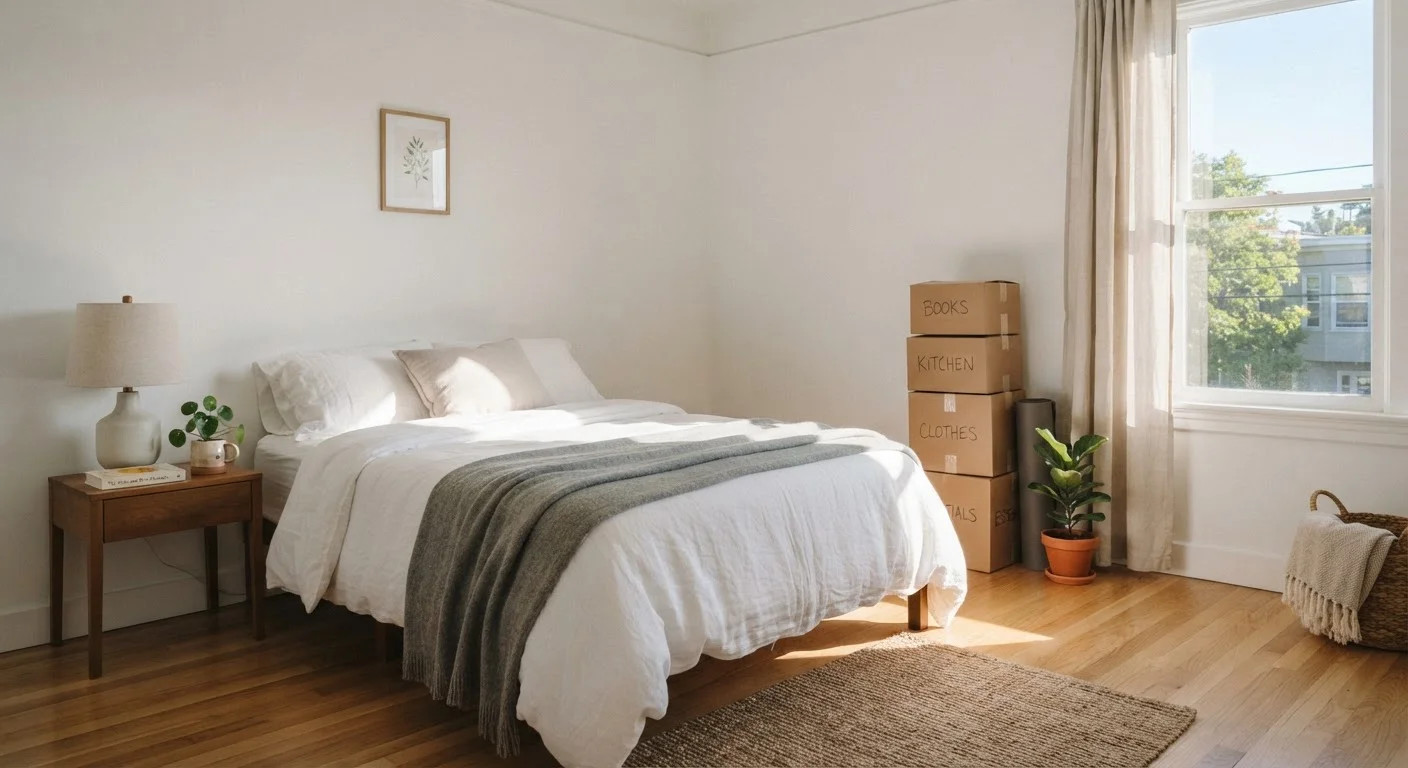
Month one has one realistic goal - make the space livable. That means you can sleep, eat, wash, and function without feeling like you're camping. Everything else can be layered in once you understand how you actually use the space day to day.
Before diving into the checklist, do a quick pre-move walkthrough using our pre-tenancy checklist to document the flat's condition - it protects your deposit and confirms what fixtures are already in place.
Bedroom
Kitchen & Eating
Bathroom
Living & Utility
How to Work Through This List
The checklist is split into four areas that match how you'll realistically use your flat in the first few weeks: sleeping, cooking and eating, bathing, and basic living. Items marked must are non-negotiable for day-to-day function. Should items are strongly recommended but can follow in week two or three. Nice to have items are worth adding over time, not on day one.
Measuring tape
Measure doorways and floor space before buying any furniture to avoid costly size mismatches.
Smartphone notes app or printed checklist
Track what you've bought, what's pending, and your running spend to avoid duplicate purchases.
Furniture dolly or moving straps
Move heavy items safely without damaging walls or floors or straining your back.
Basic toolkit (hammer, screwdrivers, level)
Assemble flat-pack furniture and hang any shelves or curtain rods without waiting on help.
If you're furnishing with housemates, you'll want to split this list up early - our guide on navigating home setup with housemates covers how to agree on shared purchases without friction.
Don't Overbuy Before You Move In
It's very common to purchase furniture based on your old home's layout or an idealized Pinterest version of your new flat - only to find things don't fit or don't suit the space. Measure every room and doorway before ordering anything large. When in doubt, wait until you've spent at least a few nights in the space before committing to big-ticket pieces.
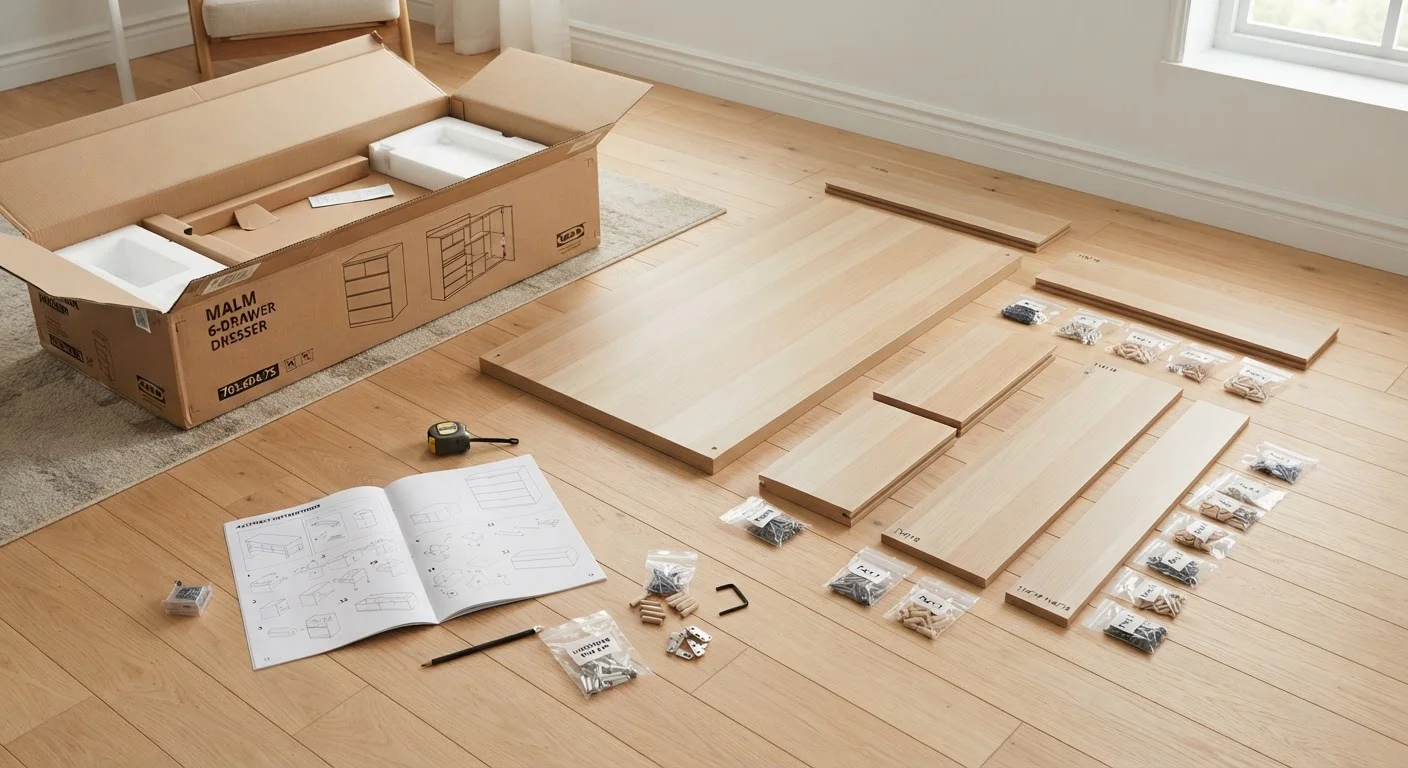
Finally, if you're leaning on flat-pack furniture to keep costs down, read what nobody tells you before you open the box first - there are a few pitfalls worth knowing about before assembly day.
What Can Wait Until Month Two
Once the essentials are covered, it's tempting to keep shopping. Resist that impulse for at least a few weeks. Living in a space teaches you things a floor plan can't - you'll discover which wall actually needs a lamp, whether you ever use the kitchen table, and whether that secondhand armchair fits where you imagined.
Items worth delaying include: a sofa (a rug and floor cushions work short-term), a dining table if your kitchen has a counter with stools, wall art and decor, a dresser if you have adequate closet space, and a TV stand or entertainment unit.
When you're ready to furnish further, consider used pieces thoughtfully. Our guide on what's worth buying used and what isn't outlines which categories are smart buys and which carry risks you should know about.
For kitchen specifics - cookware, utensils, and small appliances - check our dedicated guide: setting up a kitchen from zero. It breaks down what you genuinely need to start cooking versus what can come later.
And if you want a room-by-room sequence for tackling the whole setup process in a logical order, this practical home setup sequence will save you time and backtracking.
Protect Your Deposit From Day One
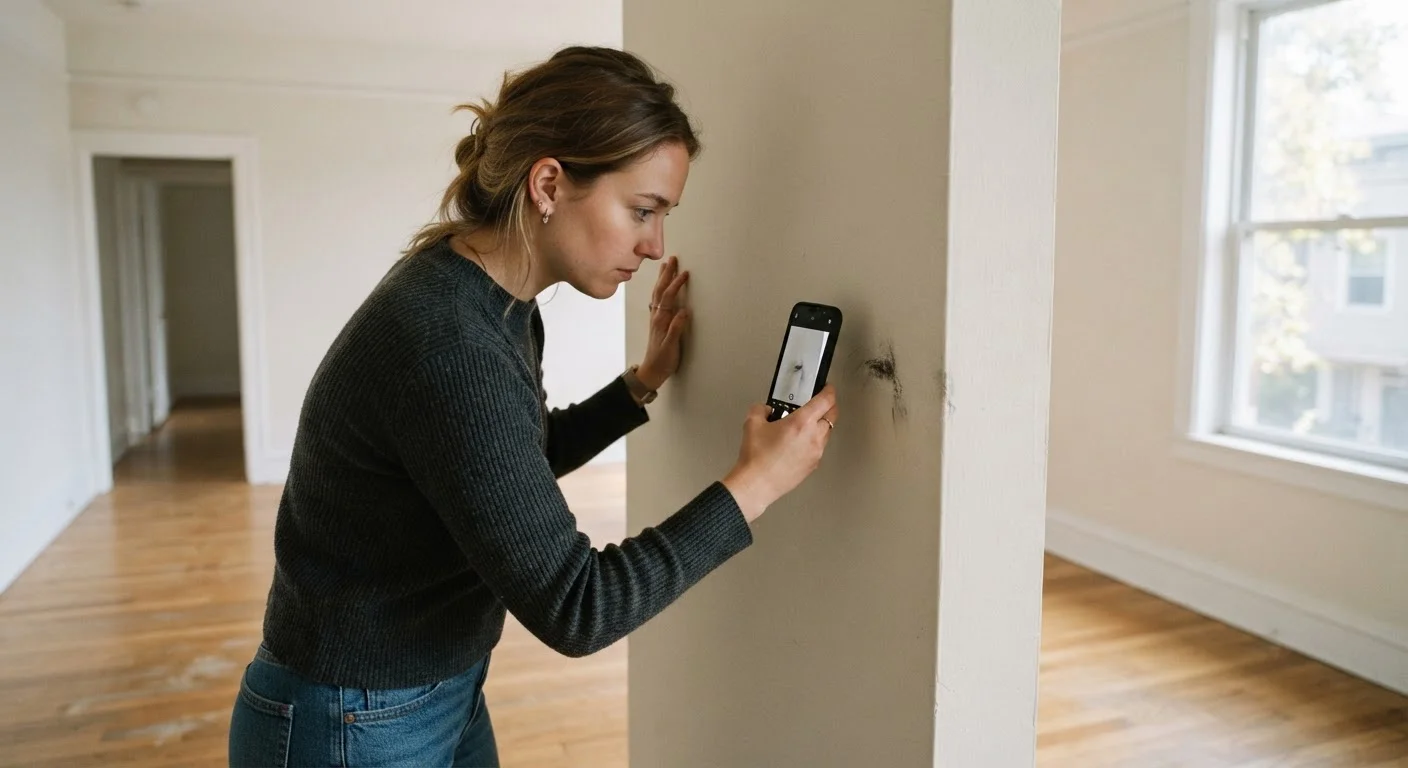
Before you hang a single picture frame or assemble a shelf, document the existing condition of the walls, floors, and fixtures with timestamped photos. Many first-time renters lose portions of their deposit over damage they didn't cause. Check your lease for rules about wall hangings and alterations - some landlords require written permission before you drill anything.