
Why Second-Hand Is Worth Serious Consideration
Furnishing a first home from scratch can get expensive fast. Second-hand furniture offers a practical middle path - lower prices, immediate availability, and often better build quality than entry-level flat-pack. A solid oak dining table bought used will typically outlast a brand-new particleboard version at the same price point.
That said, used furniture isn't a blanket win. Some categories carry genuine risks - hygiene concerns, hidden pest infestations, or structural damage that isn't obvious at a glance. Knowing which items are safe bets and which deserve skepticism makes the difference between a great find and a costly mistake. If you're still deciding what you actually need first, see our guide to furnishing your first flat before shopping.
What's Worth Buying Used
Certain furniture categories hold up well in the second-hand market because they're easy to inspect, simple to clean, and don't absorb contaminants the way soft goods do.
| Furniture Type | Buy Used? | Key Risks | What to Inspect | |
|---|---|---|---|---|
| Solid wood dining table | Yes - strong value | Surface damage, water rings | Joints, legs, surface condition | |
| Wooden bed frame | Yes - generally safe | Slat damage, pest signs | Slats, joints, seams for bugs | |
| Bookshelves / storage | Yes - low risk | Structural wobble | Level stand, shelf pins, material | |
| Mattress | Avoid - high risk | Allergens, bed bugs, mold | Virtually impossible to verify | |
| Upholstered sofa | Caution - inspect closely | Odors, pests, foam degradation | Seams, smell, cushion firmness | |
| Used flat-pack / particleboard | Caution - condition-dependent | Joint failure after reassembly | Cam-locks, swollen edges, wobble |
Solid Wood and Hard-Frame Pieces
Dining tables, chairs, dressers, bookshelves, bed frames, and coffee tables made from solid wood are among the most reliable second-hand buys. Inspect for structural wobble, check that joints are tight, and look for signs of water damage (warping, white rings, soft spots). Minor surface scratches can usually be sanded or touched up.
Bookshelves and Storage Units
Metal or solid wood shelving is almost risk-free to buy used. Wipe down with a mild disinfectant, check that the unit stands level, and confirm shelf pins or brackets are all present.
Hard Dining Chairs and Stools
Wooden or metal seating without thick upholstery is straightforward to clean and inspect. Look for cracked legs or loose joints - both are repairable with wood glue or basic hardware, but factor that into your offer.
Accent and Occasional Tables
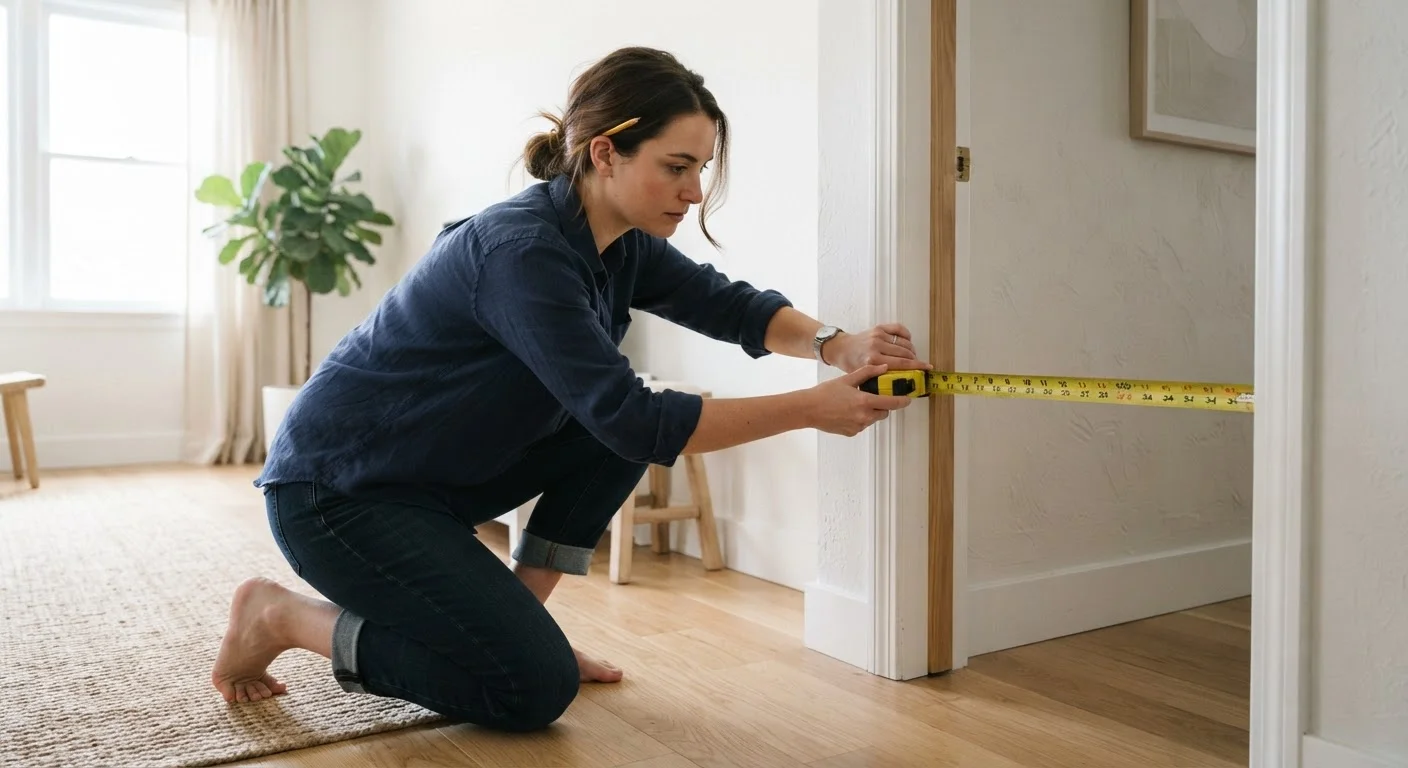
Side tables, nightstands, and console tables in hard materials are low-risk, easily cleaned, and often available at a fraction of retail. Before buying, measure your space carefully so you don't haul something home that doesn't fit.
What to Approach with Caution or Avoid
Bed Bugs: The Risk You Can't Afford to Ignore
Bed bugs are small, fast-moving, and expert at hiding in seams, joints, and fabric folds. A single infested piece of furniture brought into your home can result in a full infestation that is both disruptive and expensive to treat professionally. Before accepting any upholstered or fabric furniture, inspect every seam and joint carefully in good light. If anything looks suspicious - small dark spots, shed skins, or live insects - decline the piece regardless of price.
Mattresses
A used mattress is widely considered the highest-risk second-hand furniture purchase. Mattresses can harbor dust mites, mold, bed bugs, and bacteria - none of which are visible to the naked eye and most of which cannot be fully eliminated through cleaning. Unless you have documented proof of professional sanitization, a new mattress is the recommended choice for sleep health.
Heavily Upholstered Sofas and Armchairs
Thick upholstered seating is difficult to fully inspect and harder still to deep-clean. Cushion foam degrades over time and may contain allergens or odors that don't reveal themselves until the piece is in your home. If you're considering a used sofa, prioritize pieces with removable, washable covers and firm cushions. Avoid anything that smells musty or shows staining around seams.
Anything with Signs of Pest Activity
Check all used furniture carefully for bed bug indicators: small rust-colored spots, shed skins, or tiny dark droppings along seams, joints, and inside drawers. A single infested piece can cause a serious and expensive problem in a new home. If something looks suspicious, walk away - no price makes that risk worthwhile.
Flat-Pack and Particleboard Pieces in Poor Condition
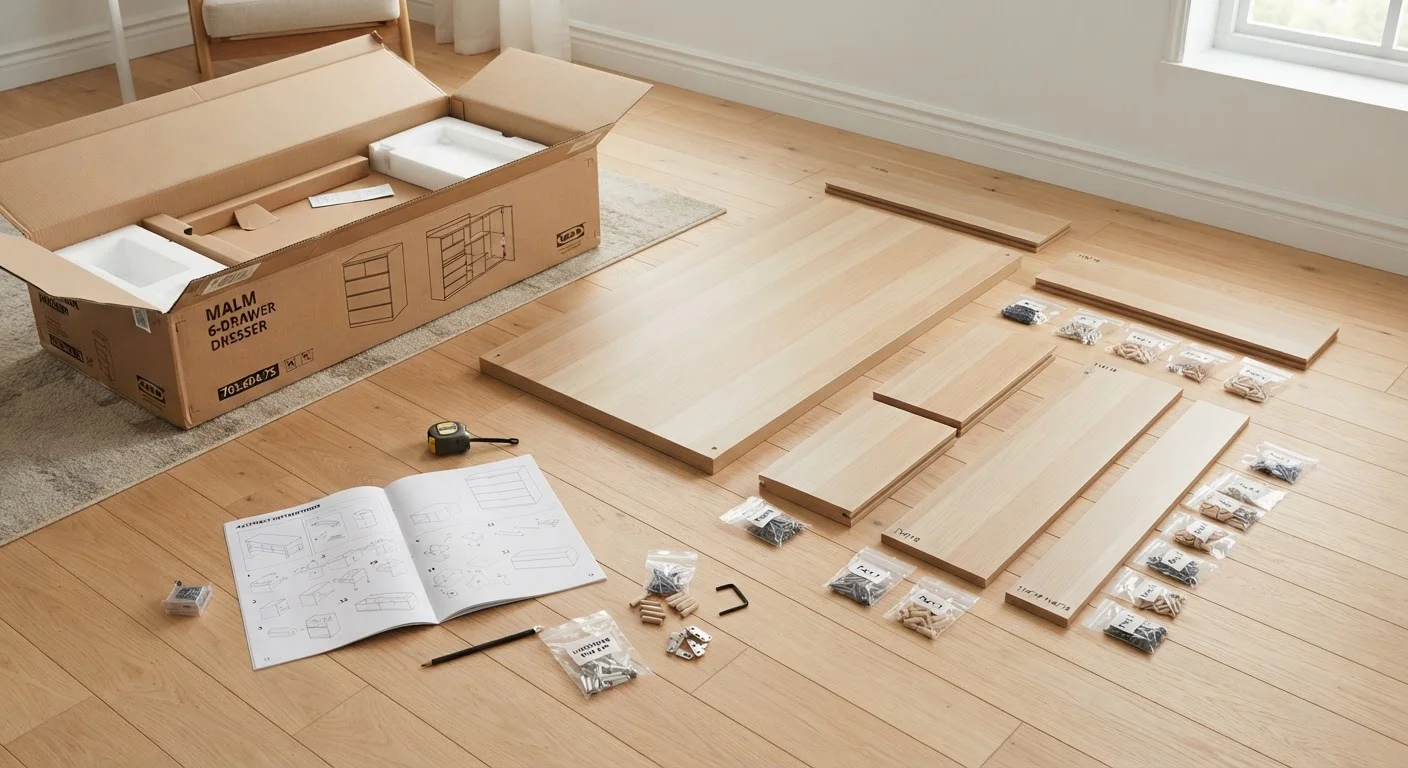
Assembled flat-pack furniture - particularly particle board - often doesn't survive disassembly intact. Cam-lock joints weaken each time they're taken apart. A heavily used piece may look fine standing but fail quickly once moved. Compare the asking price against the cost of buying new before committing. Our article on flat-pack pitfalls covers what to watch for.
How to Inspect Before You Commit
Bring a Flashlight and a Tape Measure
A small flashlight helps you check inside drawers and along upholstery seams for pest signs that are easy to miss in dim lighting. A tape measure confirms the piece will actually fit your space before you arrange transport. These two tools turn a hopeful browse into a confident purchase.
Regardless of category, a few inspection habits protect every second-hand purchase:
- Check structure first. Sit on chairs, open drawers, and apply gentle pressure to shelves. Wobble, sticking, or cracking sounds are red flags.
- Look for moisture damage. Swollen edges, white haze on surfaces, and musty odors all suggest water exposure - often a sign of deeper damage.
- Inspect joints and hardware. Missing screws, cracked joints, or stripped cam-locks can be dealbreakers or negotiating points depending on severity.
- Smell matters. Smoke and pet odors in upholstery rarely fully leave. Trust your nose.
- Photograph before you move it. Document condition before transport so you have a record if something arrives damaged.
If you're balancing second-hand against flat-pack options, it's worth reading how the two compare across cost, durability, and effort. The flat-pack guide and this article together give a more complete picture of your realistic options.