Why Irregular Expenses Catch People Off Guard
Most budgets are built around monthly costs: rent, groceries, utilities. But plenty of real expenses don't follow that rhythm. Car registration, dentist visits, holiday gifts, annual subscriptions - these arrive on their own schedule, and without a plan, they land on your budget like an ambush.
The result is familiar: you scramble to cover the cost by cutting back elsewhere, dipping into savings meant for something else, or putting it on a credit card. Each of those workarounds creates a small financial setback. Multiply that by a few irregular expenses per year, and consistent saving becomes nearly impossible.
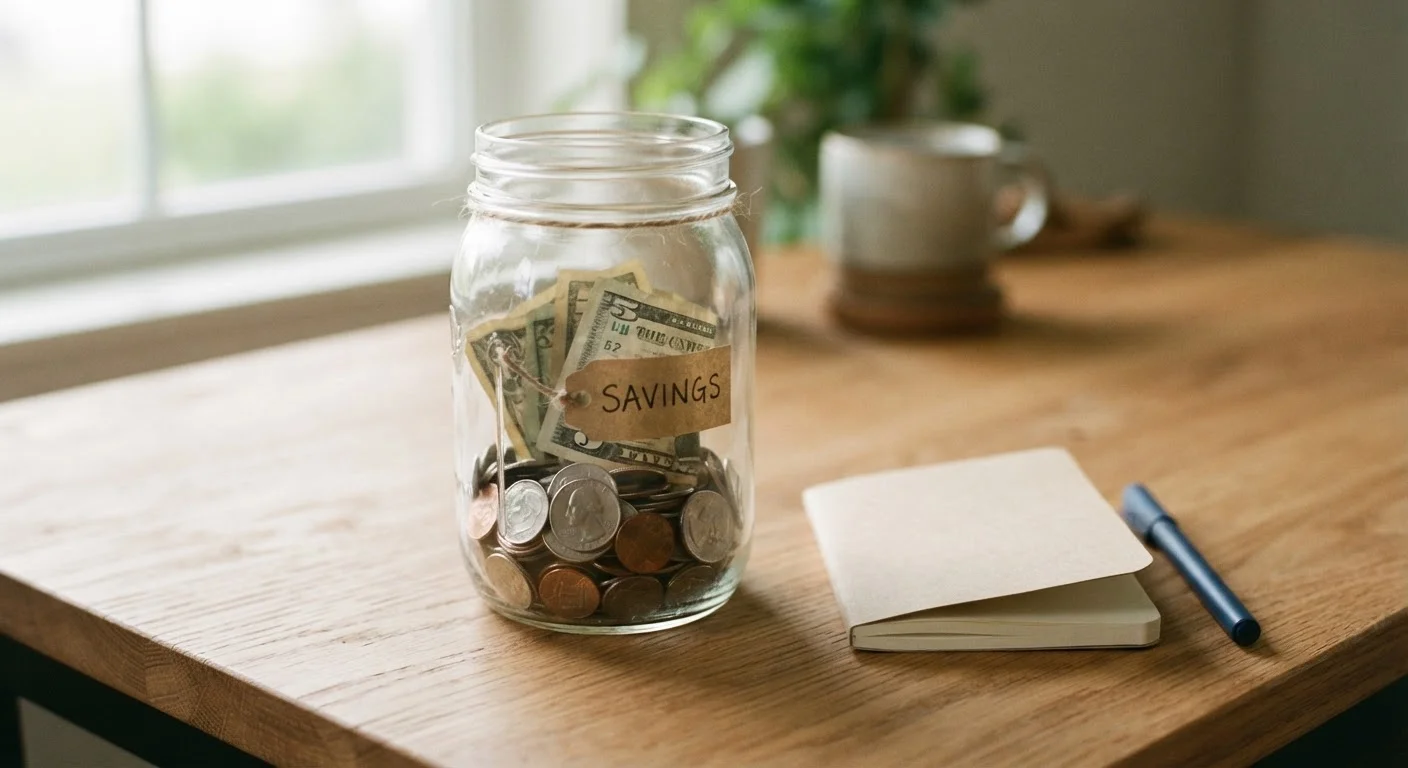
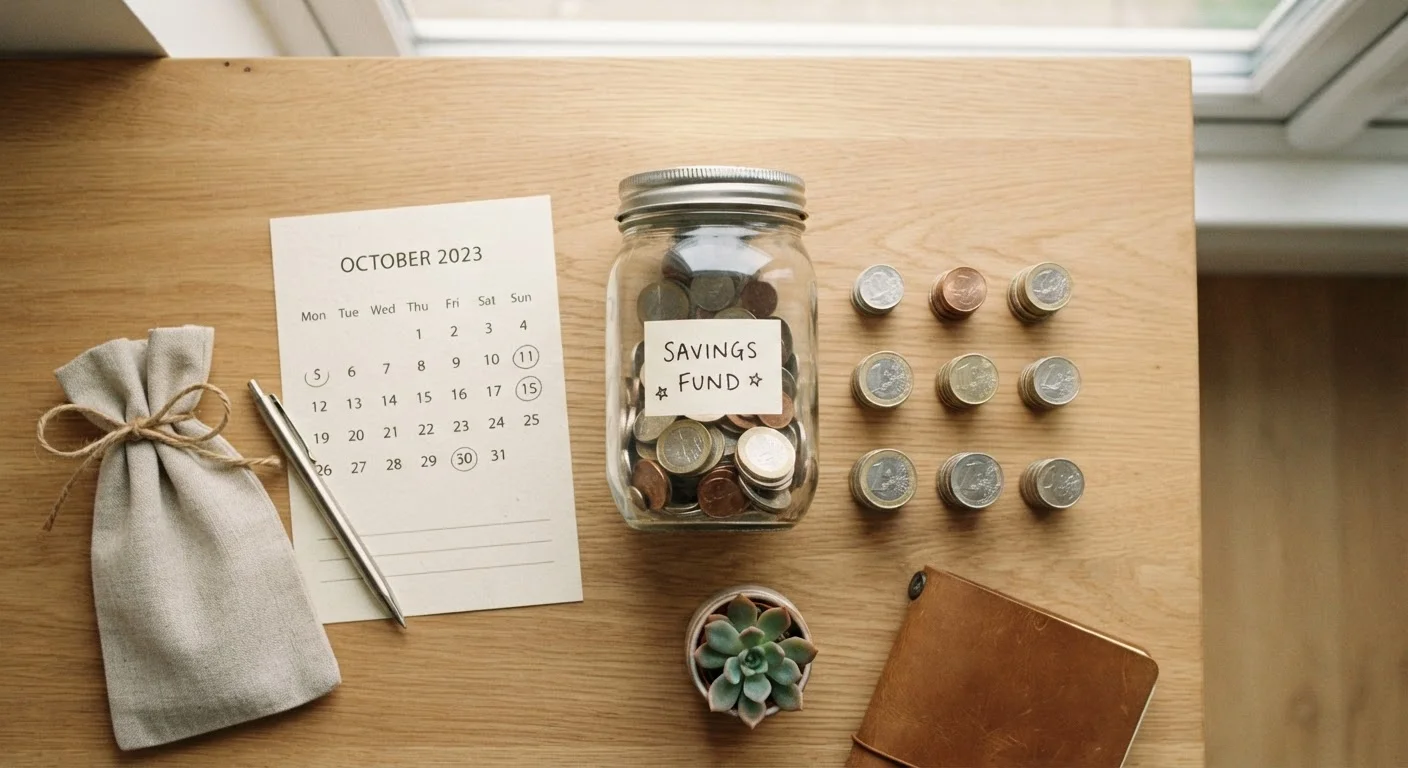
A sinking fund solves this by changing when you handle the expense - spreading the financial weight across the months before the bill is due, rather than absorbing it all at once. It's a straightforward concept, and that simplicity is most of its power.
Sinking Funds Aren't Just for Big Purchases
It's tempting to think sinking funds are only worth setting up for large expenses like vacations or car repairs. But even small annual or semi-annual costs - a streaming subscription, a gym membership renewal, a professional license fee - benefit from the same approach. Spreading a $60 annual cost into $5/month is trivially easy; absorbing it all at once may not be.
How a Sinking Fund Works in Practice
The math is intentionally simple. Identify an upcoming expense, estimate its total cost, and count the months until you'll need the money. Divide the total by the number of months - that's your monthly contribution.
- Car registration ($240, due in 6 months): Save $40/month.
- Holiday gifts ($500, due in 10 months): Save $50/month.
- Annual renter's insurance ($180, due in 9 months): Save $20/month.
Each fund has a clear target, a clear deadline, and a clear monthly number. When the expense arrives, you transfer the saved amount and pay it - no stress, no scramble.
Pairing this approach with the pay-yourself-first principle makes it even more effective. If your sinking fund contributions move automatically after each paycheck, you never have to decide whether to save - it happens without willpower or discipline.
Name Your Accounts to Match Your Goals
Giving each sinking fund a specific label - such as 'Car Registration' or 'Holiday Gifts' - makes it much harder to rationalize spending the money on something else. Psychologically, a named account feels purposeful. Many banks and credit unions let you create multiple free savings accounts with custom nicknames at no extra charge.
Sinking Funds vs. Emergency Funds: A Critical Distinction
These two tools are often confused, but they serve entirely different purposes. An emergency fund is a safety net for the unexpected - a layoff, a medical bill, a burst pipe. A sinking fund is reserved for expenses you can see coming, even if their exact timing requires some estimation.
The distinction matters because mixing the two tends to erode both. If you raid your emergency fund for a car registration you forgot to plan for, you've weakened your protection against genuine emergencies. See what an emergency fund actually is and why it comes first for guidance on building that foundation before layering in sinking funds.
Think of them as two separate tools in the same toolbox - each doing a specific job better than the other could.
Setting Up and Managing Multiple Sinking Funds
You don't need a complicated system. Many online banks offer free savings sub-accounts you can name and track individually. Label one "Car Costs," another "Travel," another "Annual Bills." Each account reflects exactly what it's for and how much is in it.
Start by listing every non-monthly expense you expect in the next 12 months. Include costs that recur annually, semi-annually, or at irregular intervals. Then calculate a monthly contribution for each, check whether your budget can absorb them, and prioritize if not.
If funding everything at once isn't realistic, start with the expense that's most urgent or would cause the most disruption unprepared. Add additional sinking funds as your budget allows. Signs your savings strategy needs a rethink can help you spot whether your current approach has gaps worth addressing.
1 in 4
Americans with no emergency savings buffer
According to Bankrate's annual Emergency Savings Report, a significant share of U.S. adults have no savings set aside for unexpected or irregular costs.
$400
Amount that causes financial stress for many households
Federal Reserve research has consistently found that a meaningful portion of U.S. adults would struggle to cover a $400 unexpected expense without borrowing or selling something.
Making Sinking Funds a Long-Term Habit
The first time a sinking fund works - when a bill arrives and the money is already sitting there - the concept clicks in a way that no explanation can fully replicate. That moment is worth building toward.
Treat each funded expense as a system to automate. Automating your savings removes the monthly decision of whether to contribute, which makes the habit stick. Once a year, review your sinking funds list: remove any that no longer apply, update cost estimates, and add any new predictable expenses that have entered your life.
Over time, this habit shifts your relationship with irregular expenses. Instead of dreading them, you'll find you've already handled them - quietly, incrementally, without drama. That's the kind of financial stability a sinking fund is designed to build.
This article is for general informational and educational purposes only and does not constitute personalized financial advice. Consult a qualified financial professional for guidance tailored to your specific situation.