The Real Question Isn't Location - It's Consistency
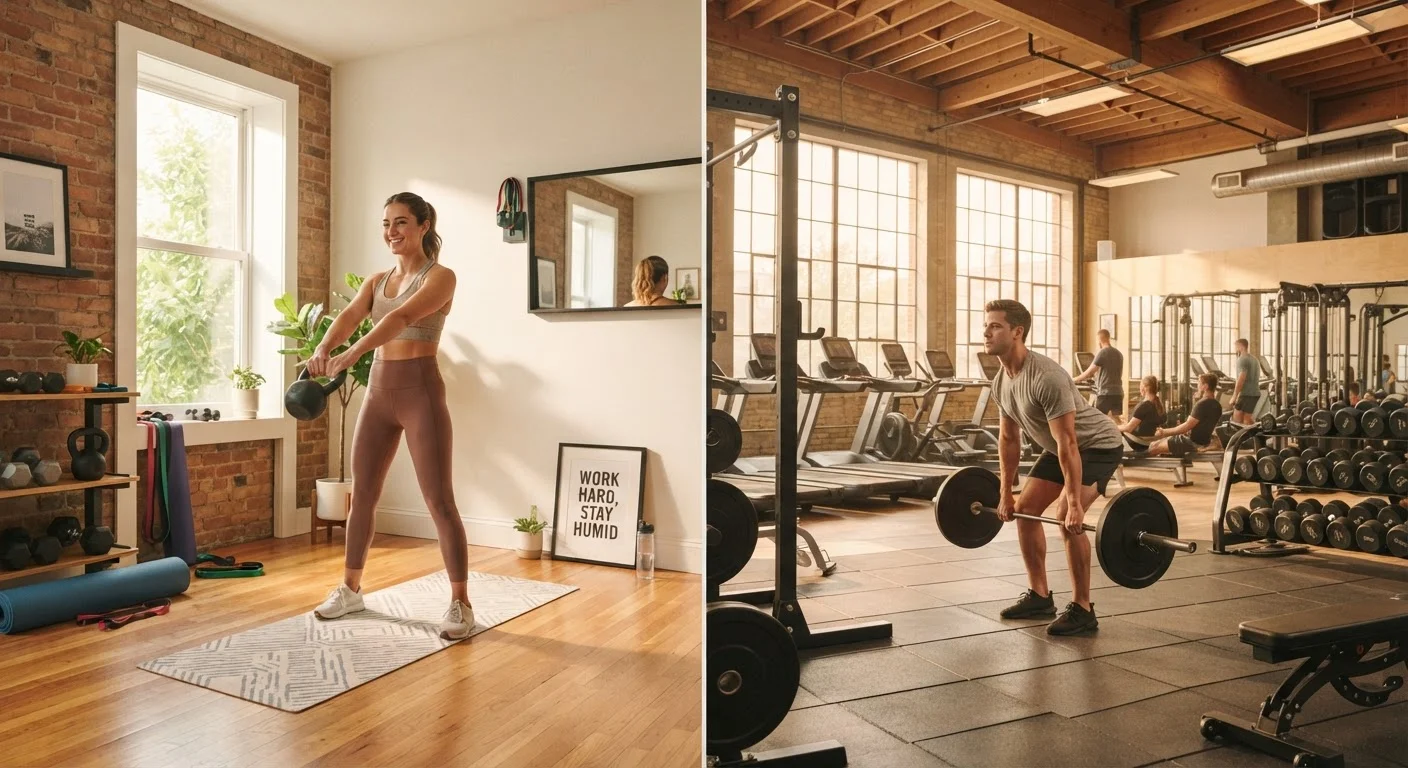
When you're just starting an exercise routine, the debate between working out at home versus going to a gym can feel like a major decision. In reality, research consistently points to one factor as the strongest predictor of fitness progress: adherence - how reliably you actually show up and move. The setting that makes showing up easiest for you is, by that logic, the better one.
That said, understanding the genuine trade-offs between the two environments helps you make a more informed choice - and adjust as your needs change. Before diving in, it's also worth checking out common fitness myths beginners encounter, since misconceptions often color how people evaluate their options before they even try.
Cost and Access: Breaking Down the Numbers
Cost is often the first filter beginners apply, and it's a legitimate one.
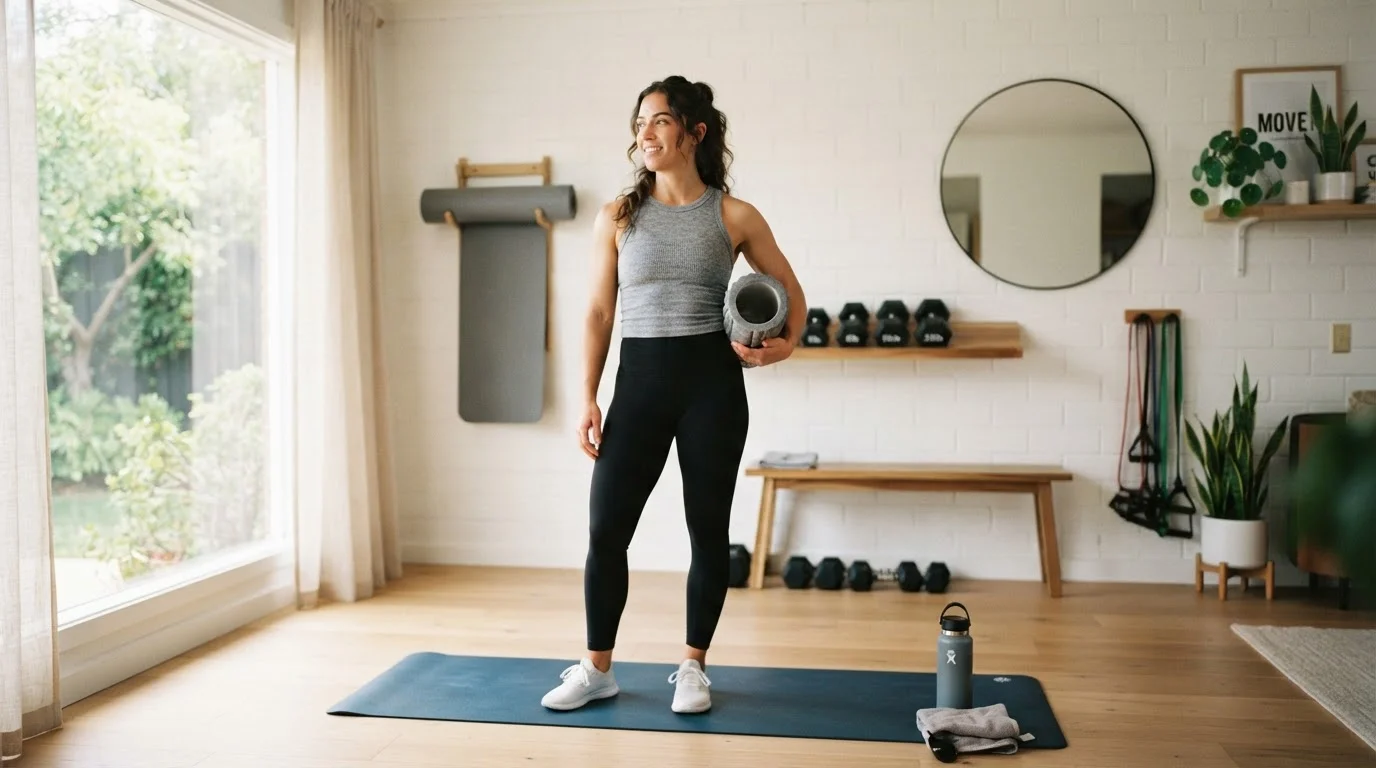
Home workouts carry a low barrier to entry. Bodyweight exercises - push-ups, squats, lunges, planks - require no equipment whatsoever. If you invest in a resistance band set or a pair of adjustable dumbbells, you're looking at a one-time cost rather than an ongoing subscription.
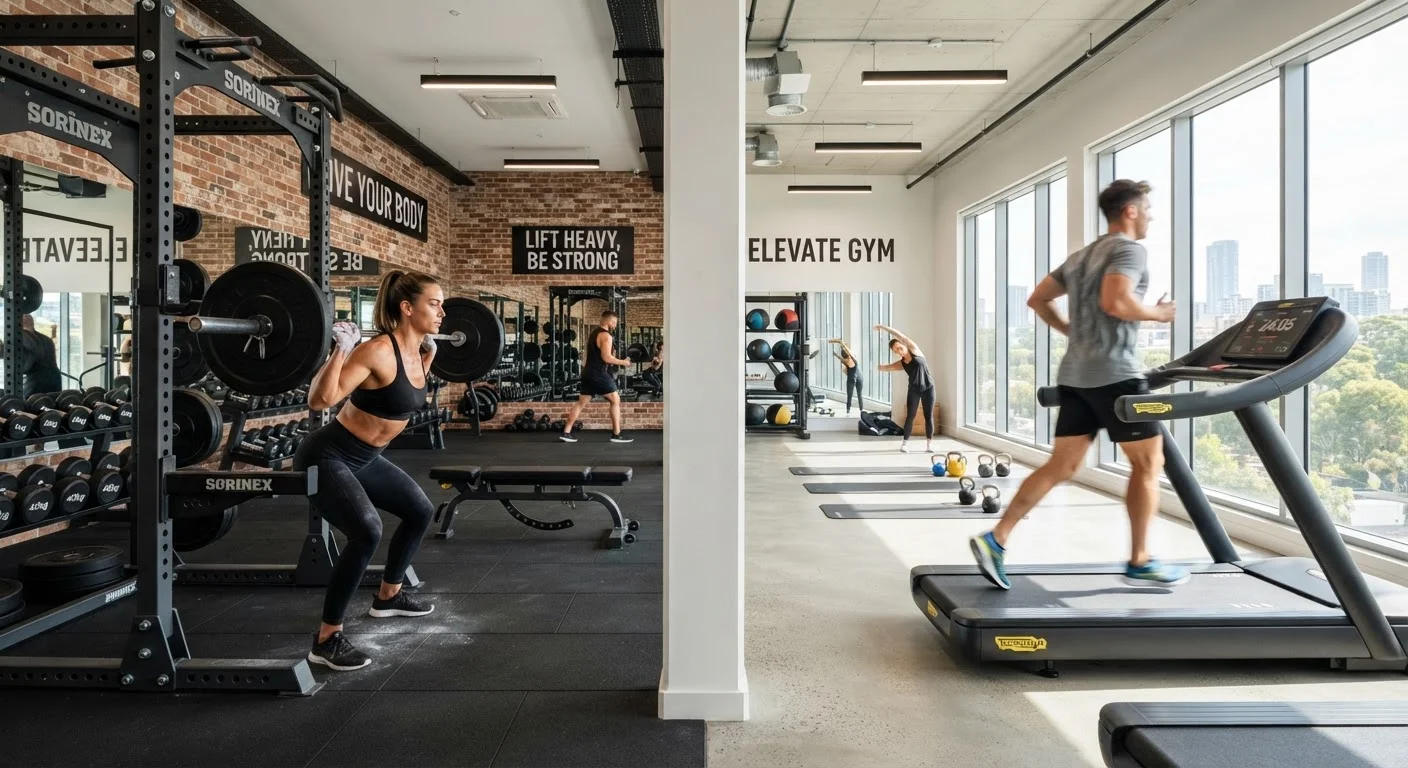
Gym memberships vary widely depending on location, facility type, and included amenities. Costs typically include monthly fees plus any enrollment charges, though many gyms offer trial periods. Over a full year, gym costs can add up significantly - but for that price, you gain access to a broad range of equipment that would cost considerably more to replicate at home.
| Home Workouts | Gym Sessions | |
|---|---|---|
| Upfront Cost | Low - bodyweight needs no equipment | Moderate - enrollment and monthly fees |
| Ongoing Cost | Minimal once equipment is purchased | Recurring monthly membership fee |
| Convenience | High - no commute, available anytime | Lower - requires travel and scheduling |
| Equipment Variety | Limited unless you invest heavily | Extensive - machines, free weights, cardio |
| Progression Options | Requires creativity and planning | Straightforward with available equipment |
| Social/Motivational Environment | Quiet, private, low pressure | Social energy, potential accountability |
| Access to Expert Guidance | Relies on self-directed resources | Trainers and staff typically available |
Neither option is inherently wasteful. The question is whether the resources you spend translate into workouts that actually happen.
Motivation and Environment: Where Do You Perform Best?
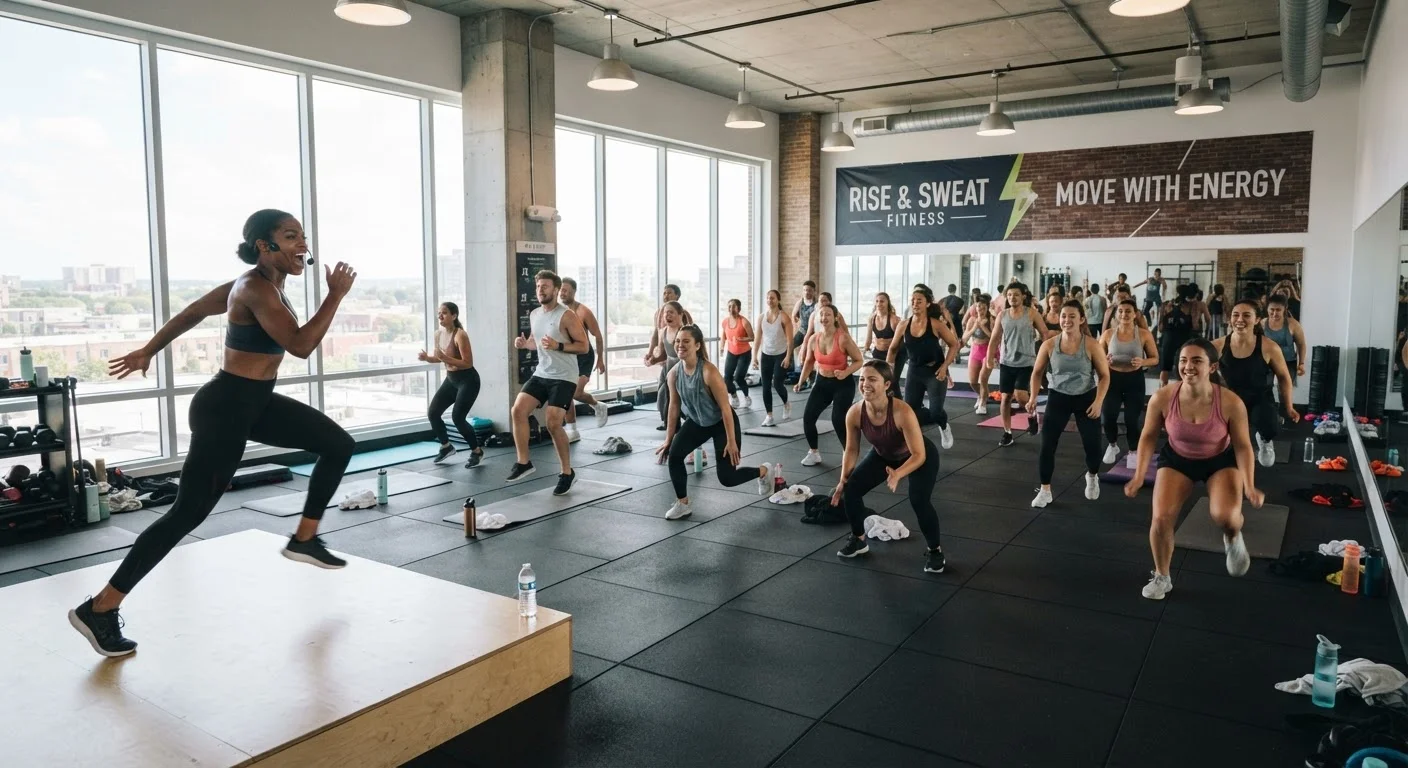
Environment shapes behavior in ways people often underestimate. Some individuals find that the act of going somewhere to exercise - changing clothes, commuting, arriving at a gym - creates a psychological cue that signals it's time to work. The presence of others exercising nearby can also raise effort levels, a phenomenon researchers sometimes call social facilitation.
Others find gyms intimidating, particularly early on. If self-consciousness about being watched is a genuine barrier, home training removes it entirely. You can learn movements, make mistakes, and build baseline fitness without an audience.
Try Before You Fully Commit
Many gyms offer short trial memberships or day passes. If you're unsure whether a gym environment suits you, use a trial period to experience it before paying for a longer commitment. Similarly, commit to a structured home routine for a few weeks to honestly assess whether the convenience outweighs the isolation before ruling the gym out.
For those drawn to the social element of group settings without a full gym commitment, group exercise classes offer a middle ground worth exploring.
Equipment, Variety, and Progression
One area where gyms hold a clear structural advantage is equipment variety. Progressive overload - gradually increasing the challenge placed on your muscles over time - is a foundational principle of fitness improvement. At a gym, adding resistance is straightforward: you simply move to the next dumbbell or add a weight plate.
At home, progression requires more creativity: advancing to harder exercise variations, increasing volume (more repetitions or sets), or investing in additional equipment over time. This is entirely achievable, but it demands more planning from the exerciser.
It's also worth noting that the type of exercise you pursue matters for your goals. Strength training and cardio produce meaningfully different adaptations, and your preferred environment may naturally favor one over the other - home settings often suit cardio and bodyweight strength work, while gyms more easily support heavy resistance training.
Safety, Form, and Getting Started Right
Regardless of where you train, learning correct movement technique early pays dividends. Poor form under load increases injury risk - and injuries are one of the most common reasons beginners abandon their routines entirely.
Gyms typically offer easier access to personal trainers who can assess your movement and correct errors in real time. Many facilities also include orientations for new members. At home, you'll rely more heavily on video instruction, which can be high quality but lacks personalized feedback.
Common beginner exercise errors - like skipping warm-ups or progressing load too quickly - occur in both settings. Building self-awareness about technique is essential wherever you train. If you're managing any health condition or recovering from injury, always consult a qualified healthcare professional before starting a new exercise program.
This article is for general informational purposes only and does not constitute medical or professional fitness advice. Consult a qualified healthcare provider before beginning any new exercise program, especially if you have an existing health condition.