
Why a Weekly Check-In Works
Most stress doesn't arrive all at once. It accumulates quietly - a few restless nights, a shrinking social calendar, a low-grade irritability that becomes your new baseline. By the time it feels overwhelming, the pattern has been building for weeks.
A short weekly mental wellness check-in interrupts that drift. Research in the field of self-monitoring consistently shows that structured self-reflection increases awareness of emotional states and supports more deliberate coping responses. Think of it less like a test you pass or fail and more like a weather check before you head outside - useful, low-stakes information.
This checklist is designed to take 10 to 20 minutes, work without any special app or training, and be honest enough to actually surface something useful. For a companion practice that deepens this kind of reflection, see journalling for self-reflection. And if you want to pair this mental reset with broader habit tracking, the weekly mindset and habits reset checklist covers complementary ground.
This Is Not a Diagnostic Tool
A weekly check-in builds self-awareness and helps you notice trends - it does not diagnose any mental health condition. The items in this checklist are drawn from general wellness research, not clinical assessment tools. If you're concerned about your mental health, a licensed therapist, psychologist, or your primary care provider is the right first call.
What You'll Need
Keep your setup simple. Overcomplicating the process is one of the most common reasons people abandon wellness routines.
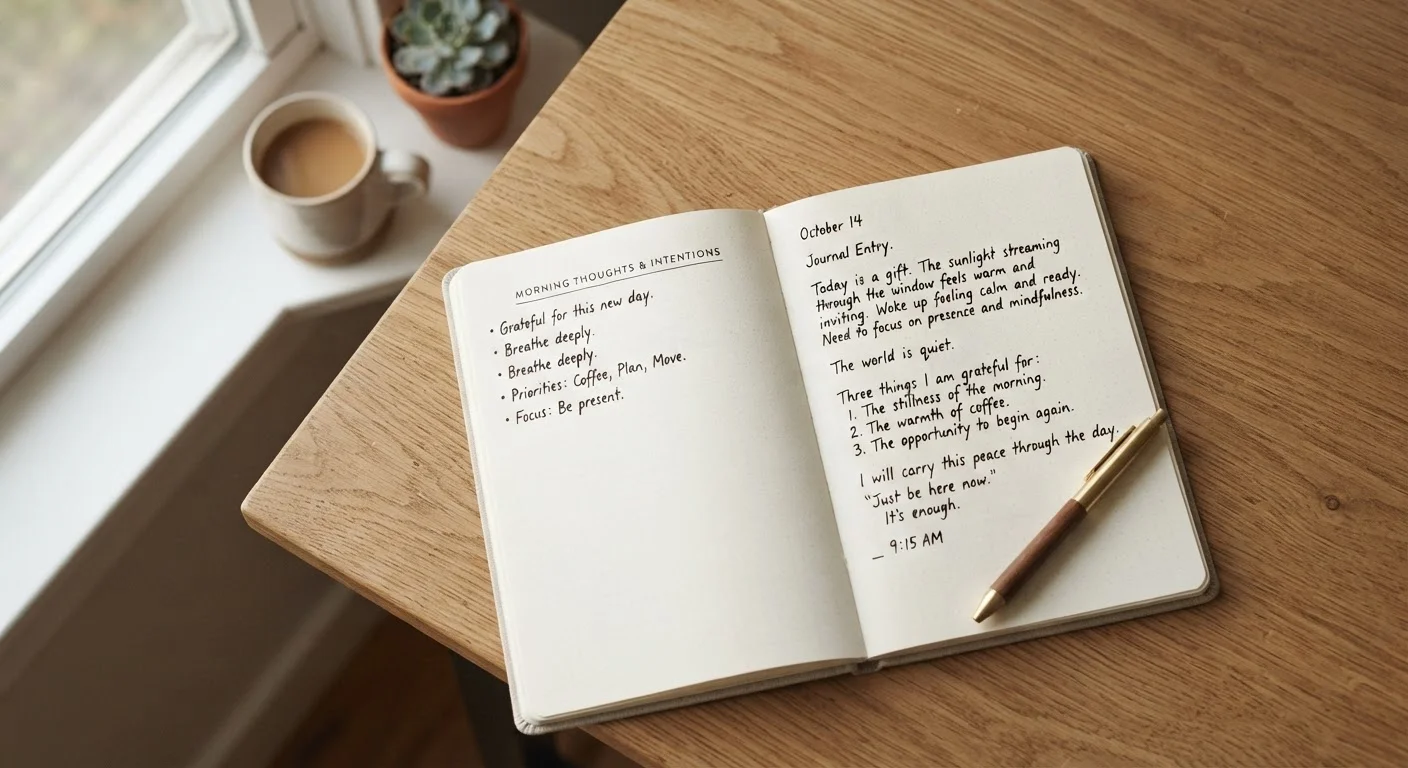
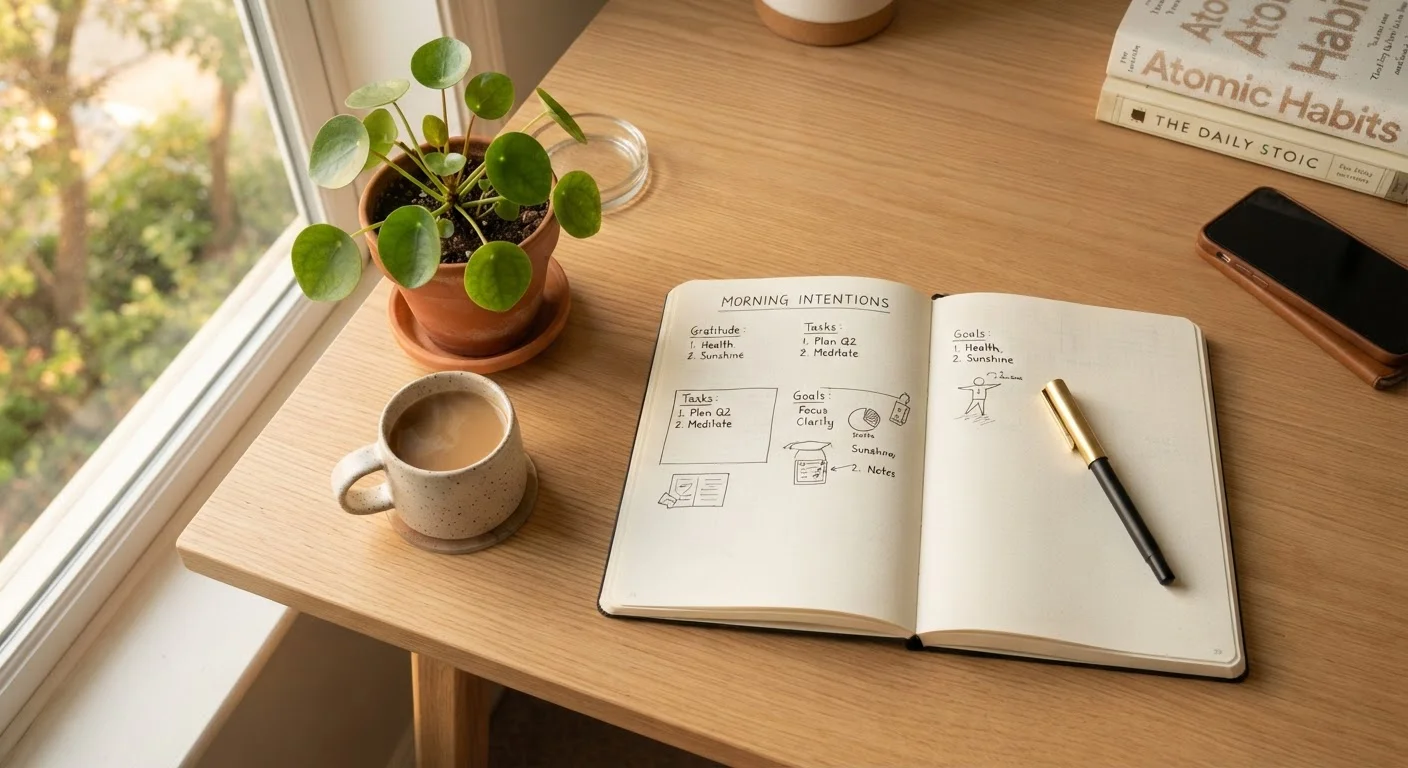
Notebook or journal
Provides a dedicated, low-distraction space to write responses honestly without the pull of notifications.
Pen or pencil
Handwriting engages slightly different cognitive processing than typing and many people find it supports more reflective thinking.
Notes app or digital document
A practical alternative for those who prefer typing or want easy searchability across past entries.
Simple mood-tracking app
Can add visual pattern recognition over time, useful if you want to spot trends across weeks rather than reviewing written notes.
Pick a consistent time - Sunday evening, Friday afternoon, or any quiet window that recurs naturally in your week. Pairing the check-in with an existing habit (a cup of coffee, a short walk) helps it stick without relying on willpower alone.
The Weekly Check-In Checklist
Work through each group below at your own pace. There are no right answers - the goal is honest observation, not a perfect score. Note anything that surprises you; patterns across several weeks are often more informative than any single entry.
Sleep & Physical Signals
Mood & Emotional Tone
Energy & Focus
Social Connection & Boundaries
Stress Sources & Coping
Patterns That Warrant Professional Support
A check-in is a self-awareness tool, not a substitute for professional care. If your check-ins repeatedly surface persistent low mood, significant sleep disruption, loss of interest in things you usually enjoy, or feelings of hopelessness lasting more than two weeks, these may warrant a conversation with a qualified mental health professional. Don't wait until things feel unmanageable - reaching out early is a sign of self-awareness, not weakness.
If you're exploring daily practices to support what you discover here, compare the options in journalling, meditation, and breathwork to find what genuinely fits your lifestyle. For keeping other life domains on track alongside your mental wellness, the annual career self-audit and fitness and movement hub are worth bookmarking.
This article is for general informational and educational purposes only and does not constitute medical or mental health advice. If you are experiencing significant distress, persistent symptoms, or a mental health emergency, please reach out to a qualified mental health professional or emergency services.