
What Actually Happens When You Feel Stressed
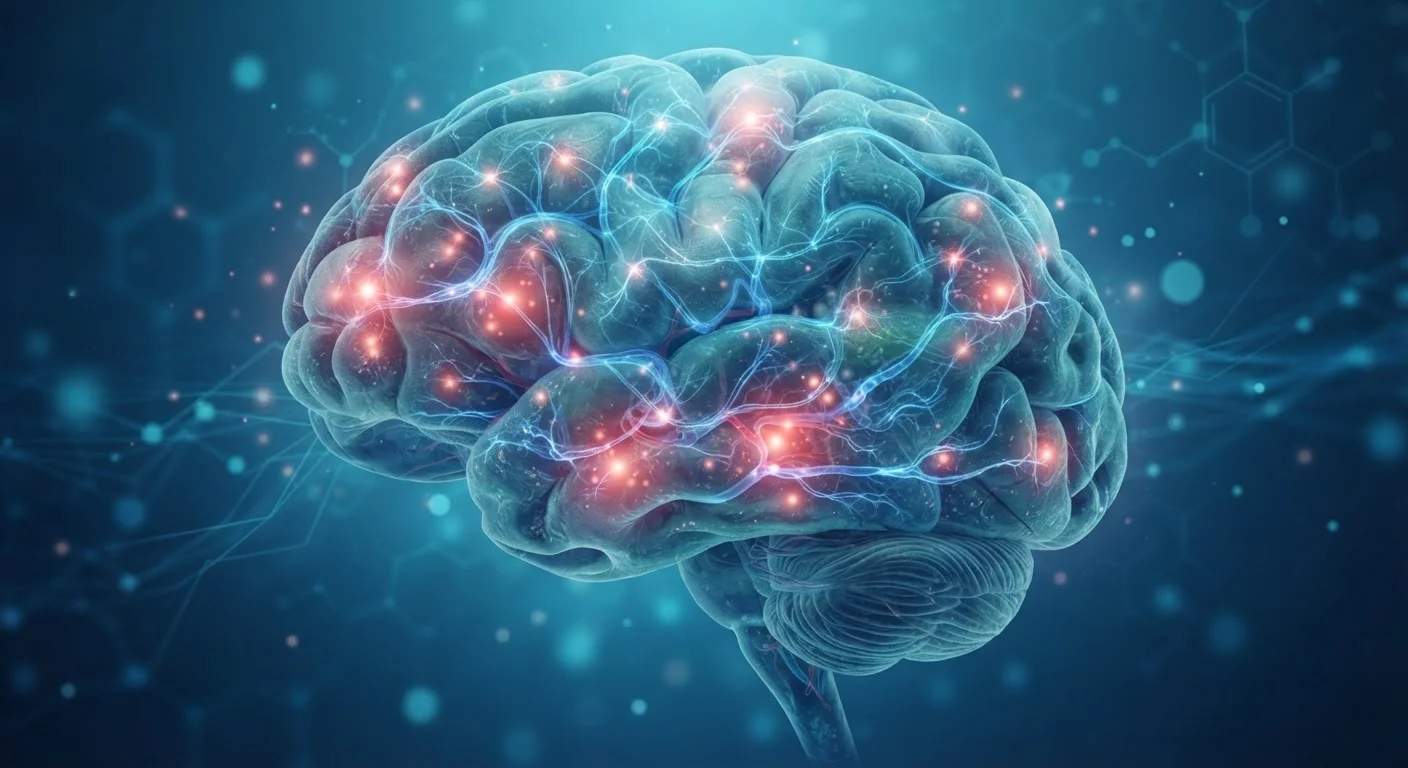
The moment your brain perceives a threat - whether it's an oncoming car or an overflowing inbox - a rapid biological sequence begins. The amygdala, a small almond-shaped structure deep in the brain, sends an alarm signal. The hypothalamus then activates the sympathetic nervous system, flooding your body with adrenaline (epinephrine). Heart rate climbs, breathing quickens, muscles tighten, and non-essential processes like digestion temporarily slow down.
Seconds later, if the perceived threat persists, the hypothalamic-pituitary-adrenal (HPA) axis releases cortisol - often called the primary stress hormone. Cortisol sustains your body's heightened state by keeping blood sugar elevated and immune responses modulated. This system is remarkably efficient. The problem is it doesn't always distinguish between a life-threatening emergency and a difficult conversation with your boss.
77%
Adults reporting physical symptoms of stress
According to the American Psychological Association's Stress in America survey, a large majority of adults report experiencing physical symptoms they link to stress.
~15 min
Time for cortisol to peak after a stressor
Research on HPA axis dynamics shows cortisol typically peaks roughly 15-20 minutes after an acute stressor begins, then gradually declines as the threat passes.
3x
Higher burnout risk with chronic work stress
Studies published in occupational health literature indicate employees reporting persistent, unmanaged work stress face substantially elevated burnout rates compared to those with adequate coping resources.
Why Stress Hijacks Your Thinking
One reason stress feels so disorienting is its direct effect on the prefrontal cortex - the region responsible for planning, decision-making, and emotional regulation. Under significant stress, resources shift toward faster, more instinctive brain regions. Rational analysis takes a back seat to rapid reaction.
This is why you might struggle to recall a word during a high-pressure presentation, or make impulsive decisions when you're emotionally overwhelmed. It's not a personal failing - it's neurological prioritisation. Your brain is trading deliberate thought for speed.
Chronic stress compounds this effect. Sustained cortisol elevation has been associated in research with changes in hippocampal function (a brain region involved in memory and learning), though the precise mechanisms and long-term implications are still areas of active scientific study. For a grounded look at how digital habits intensify this load, see our overview of digital overload and mental fatigue.
Use Your Breath as a Reset Tool
When you notice stress symptoms rising - tight chest, racing thoughts, shallow breathing - try extending your exhale to roughly twice the length of your inhale. This simple adjustment signals the parasympathetic nervous system to begin counteracting the fight-or-flight response. It's one of the few voluntary levers you have over your autonomic nervous system.
Acute vs. Chronic Stress: A Critical Distinction
Not all stress is created equal. Acute stress is short-lived and often functional - the surge before a performance, the alertness during a near-miss. It resolves once the situation passes, and the body returns to baseline. Chronic stress, by contrast, is prolonged and unresolved. When the HPA axis stays activated over weeks or months, the cumulative physiological load increases meaningfully.
Research broadly links chronic stress to disrupted sleep, impaired immune function, and cardiovascular strain - though individual experience varies considerably based on genetics, social support, and coping resources. If you're noticing that anxiety-management strategies aren't helping, common misconceptions about managing anxiety may help clarify what the evidence actually supports.
Evidence-Informed Ways to Work With Your Stress Response
Understanding the mechanism behind stress is itself useful - research in stress inoculation suggests that people who understand their physiological response tend to appraise it as less threatening. Here are approaches with reasonable research support:
- Slow, controlled breathing: Extending the exhale activates the parasympathetic nervous system, helping counteract fight-or-flight arousal. Even four to six slow breaths can shift your physiological state.
- Physical movement: Exercise is frequently associated with reduced cortisol and improved mood regulation. What the evidence broadly shows about movement and emotional health offers a grounded perspective.
- Environmental adjustments: Your surroundings influence stress perception more than many people realise. Small environment changes that support a calmer headspace offers practical, evidence-informed adjustments worth exploring.
- Social connection: Research consistently links social support to better stress regulation, partly through oxytocin's moderating effect on cortisol.
“It's not stress that kills us, it is our reaction to it. Understanding how the body responds physiologically is the foundation of learning to manage it more effectively.”
— Hans Selye, Endocrinologist and pioneering researcher on the biological stress response
This article is for general informational and educational purposes only. It is not a substitute for professional medical advice, diagnosis, or treatment. If stress is significantly affecting your daily life, please consult a qualified healthcare professional.