
Two Different Tools for Mental Well-Being
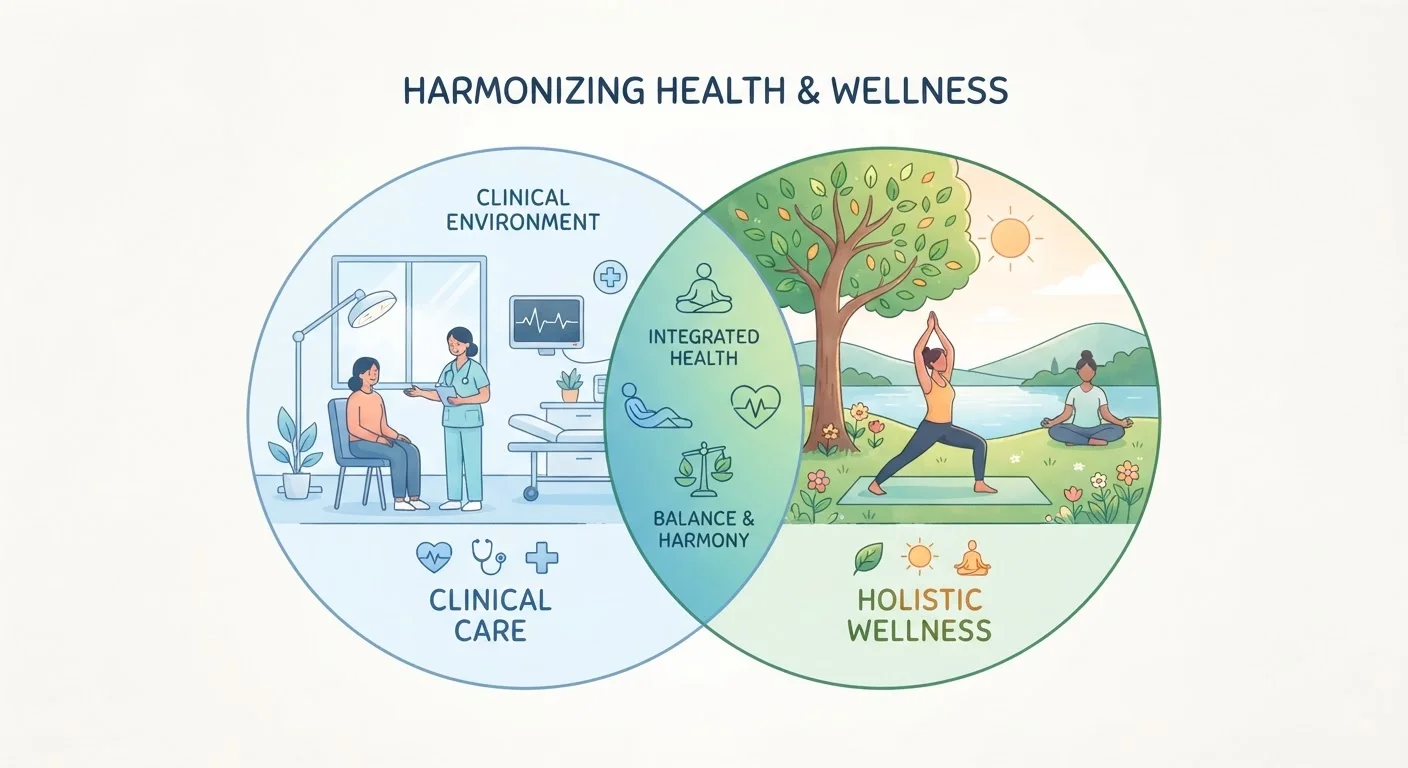
When it comes to mental health, the options can feel overwhelming. Therapy and self-help are both widely discussed, frequently recommended, and often misunderstood. They are not competing choices - they serve different purposes and operate at different levels of care. Understanding that distinction is the first step to deciding what you actually need.
Professional therapy involves working with a licensed mental health clinician - such as a psychologist, licensed counsellor, or psychiatrist - who can assess your circumstances, diagnose conditions where appropriate, and apply structured, evidence-based treatments tailored to you. Self-help, by contrast, refers to a broad range of independently applied strategies: reading, mindfulness practices, journalling, structured apps, or community support groups. These tools can build skills and support well-being, but they don't come with clinical oversight.
For a deeper look at how these two terms relate in practice, mental health vs. mental wellness is a useful place to start - the distinction matters when choosing your approach.
This article is for general informational purposes only and is not a substitute for professional mental health advice, diagnosis, or treatment. If you are experiencing distress, please consult a qualified mental health professional.
What Professional Therapy Can and Cannot Do
Therapy's defining strength is clinical precision. A trained therapist can identify patterns you may not see yourself, assess whether symptoms meet diagnostic criteria, and deliver treatments that have been rigorously tested. Cognitive-behavioural therapy (CBT), for instance, has strong research support for conditions including depression, anxiety disorders, and PTSD. Therapists also provide a consistent, confidential relationship - something no book or app can replicate.
That said, therapy has real-world limitations. It requires access to a provider, scheduling consistency, and often significant financial investment, though sliding-scale and community mental health options exist in many areas. It also works best when a person is ready to engage actively - insight and change still require effort from the individual.
| Criterion | Professional Therapy | Self-Help |
|---|---|---|
| Delivered by | Licensed mental health clinician | Individual, independently |
| Clinical assessment | Yes - diagnosis possible | No clinical assessment |
| Personalisation | Tailored to individual by clinician | General strategies; self-adapted |
| Evidence base | Strong for many conditions | Varies by method; some well-researched |
| Access & cost | Requires provider; often higher cost | Widely accessible; often low or no cost |
| Flexibility | Scheduled sessions; less flexible | On-demand; highly flexible |
| Best suited for | Moderate to severe or persistent issues | Mild stress, skill-building, maintenance |
Therapy is strongly indicated - and self-help alone is insufficient - when symptoms are severe, persistent, or significantly disrupt daily life, relationships, or work. If you're unsure whether your concerns warrant professional support, speaking with a primary care provider is a sensible first step.
What Self-Help Genuinely Offers
Self-help is far more than pop-psychology books and motivational quotes. When grounded in evidence, it includes powerful tools: mindfulness-based stress reduction (MBSR), structured journalling, behavioral activation, and psychoeducation (learning about mental health concepts) all have research backing for supporting general well-being and mild-to-moderate stress.
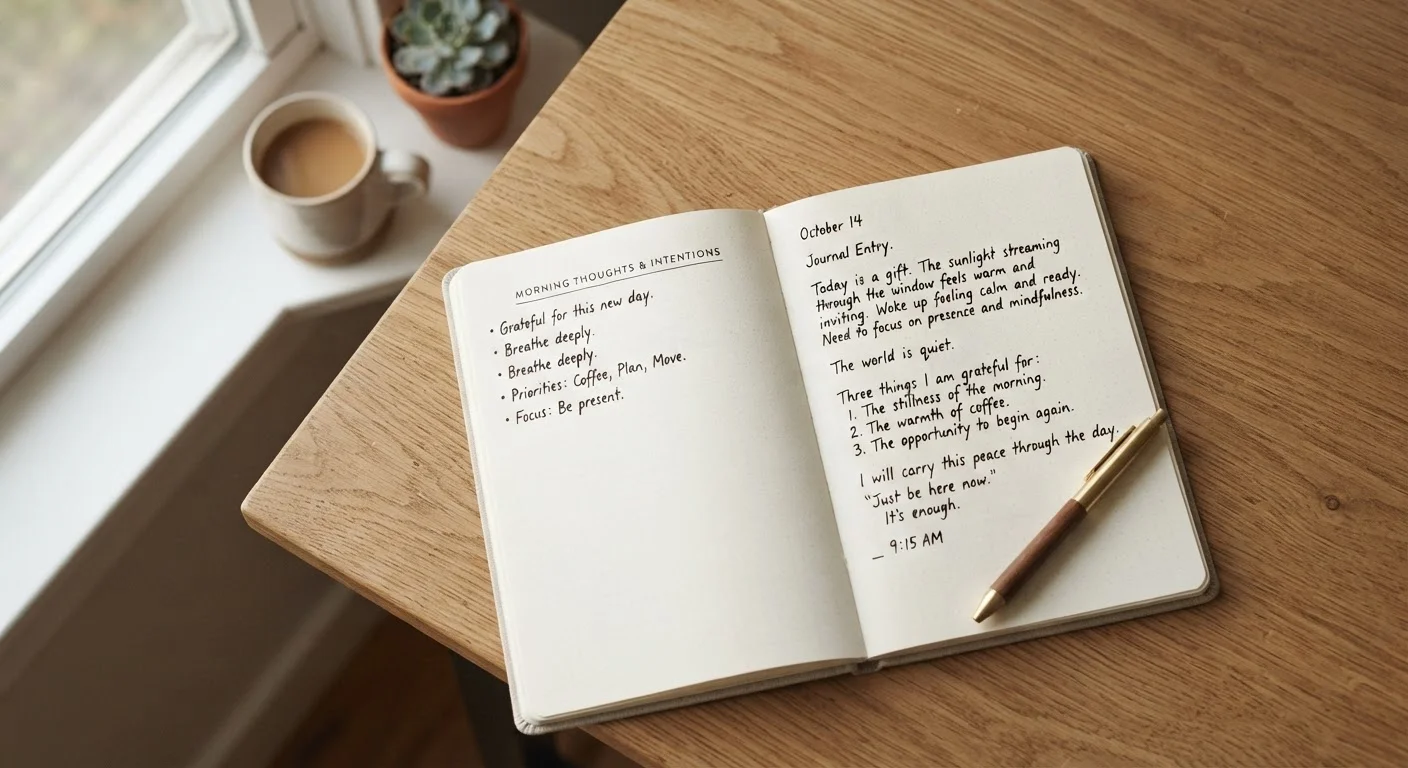
The flexibility of self-help is its greatest asset. You can practice breathing exercises at 11 p.m., work through a structured workbook on your commute, or use a journalling habit to process the day's events. For many people, these strategies build the very skills - emotional regulation, self-awareness, perspective-taking - that reinforce progress made in therapy.
~57%
Adults with mental illness who receive no treatment
According to the National Alliance on Mental Illness (NAMI), a majority of U.S. adults experiencing mental illness in a given year do not receive professional treatment, highlighting the role self-help can play as a supplemental resource.
Moderate effect
Self-guided digital interventions for mild anxiety
A meta-analysis published in JAMA Psychiatry found that self-guided digital cognitive-behavioural programs showed moderate effectiveness for mild-to-moderate anxiety, though effects were smaller than therapist-guided treatment.
50%+
Therapy outcomes improved by between-session practice
Research on CBT suggests that clients who consistently complete between-session exercises tend to experience better and faster symptom reduction than those who do not.
Self-help also serves as a meaningful bridge when professional care isn't immediately accessible. Evidence-based digital programs and structured self-guided workbooks have shown measurable benefit in research settings, particularly for mild anxiety and low mood. However, they are not clinical replacements; journalling for self-reflection is one example of a tool with real cognitive benefits - and clear limits.
Combining Both for Stronger Outcomes
The most effective approach for many people is not one or the other - it's an intentional combination. Research in psychotherapy consistently finds that clients who engage in recommended practices between sessions (sometimes called "homework" or between-session tasks) tend to make faster, more durable progress. A therapist might suggest a breathing exercise, a thought diary, or a specific reading that reinforces what's being worked on in sessions.
Even for those not currently in therapy, pairing structured self-reflection with periodic check-ins from a professional - whether that's a counsellor, GP, or community mental health service - creates a safety net. Just as physical training benefits from both independent practice and guidance from a coach, mental well-being often deepens when self-directed effort is informed by professional input.
For context on how structured learning and self-directed practice interact more broadly, the formal education vs. self-teaching comparison offers a useful parallel - the same tension between guided and independent learning applies here.
When to Seek Professional Help Promptly
If you experience thoughts of self-harm or suicide, symptoms that prevent you from carrying out daily responsibilities, or distress that has persisted for several weeks without improvement, please reach out to a mental health professional or a crisis service such as the 988 Suicide & Crisis Lifeline (call or text 988 in the U.S.) without delay. Self-help strategies are not appropriate as the sole response to a mental health crisis.
Whatever combination you choose, the goal is sustainable well-being - not perfection. Starting with one evidence-based self-help strategy and evaluating honestly whether it's helping is a reasonable, low-pressure entry point for most people.