What Gutters Actually Do
A roof sheds a surprising amount of water during even a moderate rainstorm. Gutters catch that flow along the roofline and funnel it toward downspouts - vertical pipes that carry water down and away from the house, ideally depositing it several feet from the foundation.
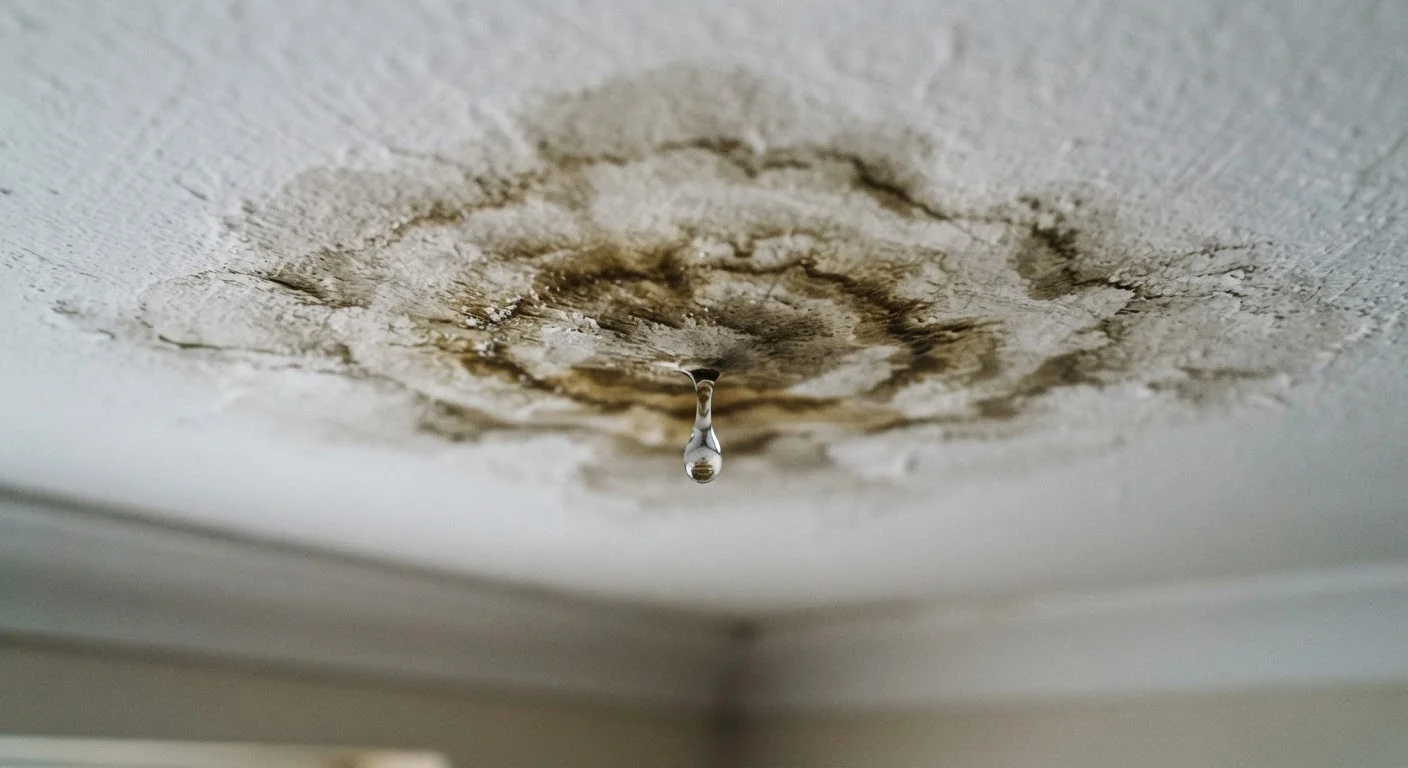
That distance matters. Water sitting against a foundation can seep into basements, erode soil, and over years, put pressure on concrete and block walls. The damage water causes rarely happens all at once - it accumulates quietly. Gutters are the first line of defense against that process.
They also protect the fascia boards - the strips of wood running along the roof edge where gutters are mounted - and the siding below. When water has nowhere to go, it clings to these surfaces, eventually causing rot and paint failure.
~1,000 gal
Water shed per inch of rain per 1,000 sq ft of roof
A general engineering estimate used in roofing and drainage planning illustrates how much volume gutters manage in a single storm.
2x/year
Minimum recommended gutter cleaning frequency
Most home maintenance guidance recommends at least spring and fall cleanings, with more frequent clearing near heavy tree coverage.
$4,000-$10,000+
Typical cost range for foundation water damage repairs
According to home repair cost resources, foundation issues linked to poor drainage rank among the more expensive residential repairs homeowners face.
What Goes Wrong (and Why)
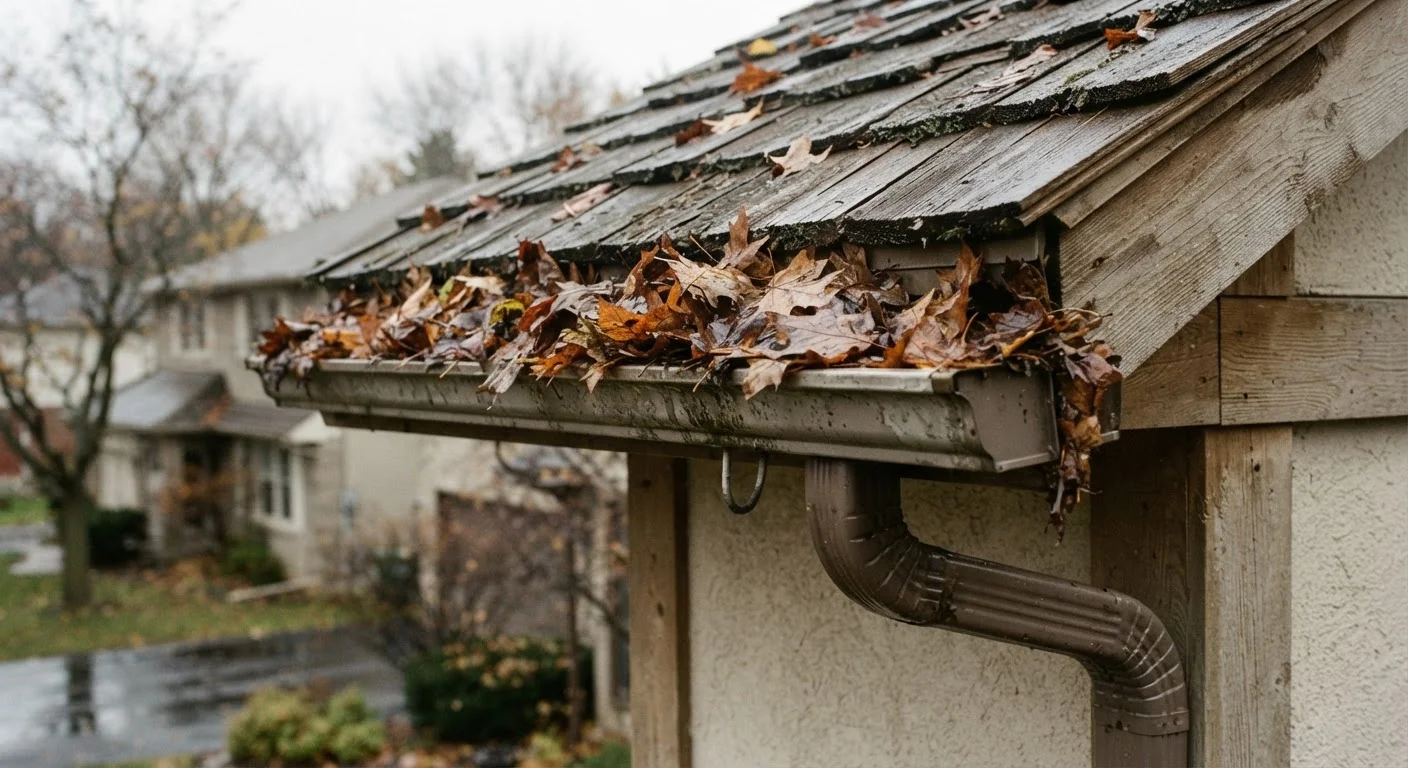
The most common gutter problem is also the most preventable: blockage. Leaves, twigs, seed pods, and roof granules build up inside the channel over time. Once enough debris accumulates, water can't flow freely toward the downspout and starts to back up or overflow over the sides.
Blockages at the downspout opening are especially problematic - even a small plug of compacted leaves can cause the entire length of gutter to fill with standing water. That added weight can cause gutters to pull away from their mounting brackets or sag noticeably.
Other common issues include:
- Leaking joints: Sectional gutters are joined with sealant that degrades over time, leading to drips at connection points.
- Improper pitch: If a gutter section isn't angled correctly toward the downspout, water pools rather than drains.
- Ice dams in winter: In cold climates, water trapped in gutters can freeze and push back under roofing materials, causing leaks inside the home.
- Pests: Gutters filled with damp leaves become attractive nesting spots for birds, mosquitoes, and rodents.
These aren't rare edge cases - they're normal wear patterns that happen to most homes over time. Understanding them is the first step toward catching them early, which fits into the broader picture of first-year homeowner maintenance.
Check Downspout Discharge Distance
Downspouts should empty at least four to six feet away from your foundation, ideally directed toward a sloped area that drains away from the house. If yours terminate flush against the wall, adding a simple downspout extender can make a meaningful difference. This is one of the easiest and least expensive gutter upgrades available.
How to Inspect Your Gutters
A gutter inspection doesn't have to be complex. Start from the ground during or shortly after rainfall. Watch where water exits - it should flow out of the downspout. If it's pouring over the sides or not moving at all, there's likely a blockage.
Once conditions are dry and safe, a closer look from a ladder reveals more. Look for:
- Visible debris buildup or standing water between cleanings
- Sagging sections or gutters pulling away from the fascia
- Rust staining, holes, or cracks in metal gutters
- Sealant that's cracked or missing at joints
- Downspout discharge that ends too close to the foundation
This kind of routine checking is exactly the sort of overlooked maintenance task that pays off when done consistently. Most problems caught early are straightforward to address; the same problems ignored for years can require professional repairs to the gutter system, fascia, or even foundation drainage.
If you're not comfortable on a ladder or your home has a steep roofline, hiring a contractor for an annual inspection is a reasonable and safe approach. There's no shortcut worth a fall.
This article is for general informational purposes only. Always follow appropriate safety precautions when working at height, and consult a qualified contractor for any structural concerns or repairs.