Why Popular Organising Advice Often Misfires
When you move into your first place, organising advice comes from everywhere - social media, family, lifestyle blogs. Some of it is genuinely useful. A lot of it, though, is based on ideas that sound logical but fall apart in real life.
The problem isn't that people don't try hard enough. It's that many common organising beliefs set up systems that don't match how humans actually behave at home. Understanding where these ideas go wrong is the first step to building a setup that actually holds.
Your physical environment shapes your behaviour more than most people realise. As explored in designing your space around your habits, small changes to how a room is arranged can make good routines far easier to stick to.
Myth
If I just had more storage bins and organisers, my clutter problem would be solved.
Fact
Adding storage without reducing possessions typically just relocates the clutter - and adds to it.
Buying more containers is often the first instinct when a space feels chaotic. But if the underlying volume of stuff doesn't change, new storage just gives clutter somewhere else to live. Organisers themselves can become clutter if they're not the right size or shape for what you own. The more useful first step is to reduce before you contain - figure out what you actually use and need, then find homes for those items. Storage solutions work best as a finishing step, not a starting one.
Myth
You need to do a big, thorough declutter all at once to make any real progress.
Fact
Small, repeated tidying sessions are more effective and sustainable than a single marathon effort.
The appeal of a one-time purge is understandable - it feels decisive. But research on habit formation suggests that behaviour maintained through small, consistent actions tends to stick far longer than behaviour that relies on occasional bursts of motivation. A 10-minute daily reset is far more manageable than a six-hour weekend overhaul, and it prevents the slow re-accumulation of mess that follows most big clean-outs. Incremental progress also reduces the mental weight of the task, making it easier to start.
Myth
A truly organised home means everything is hidden and surfaces are completely clear.
Fact
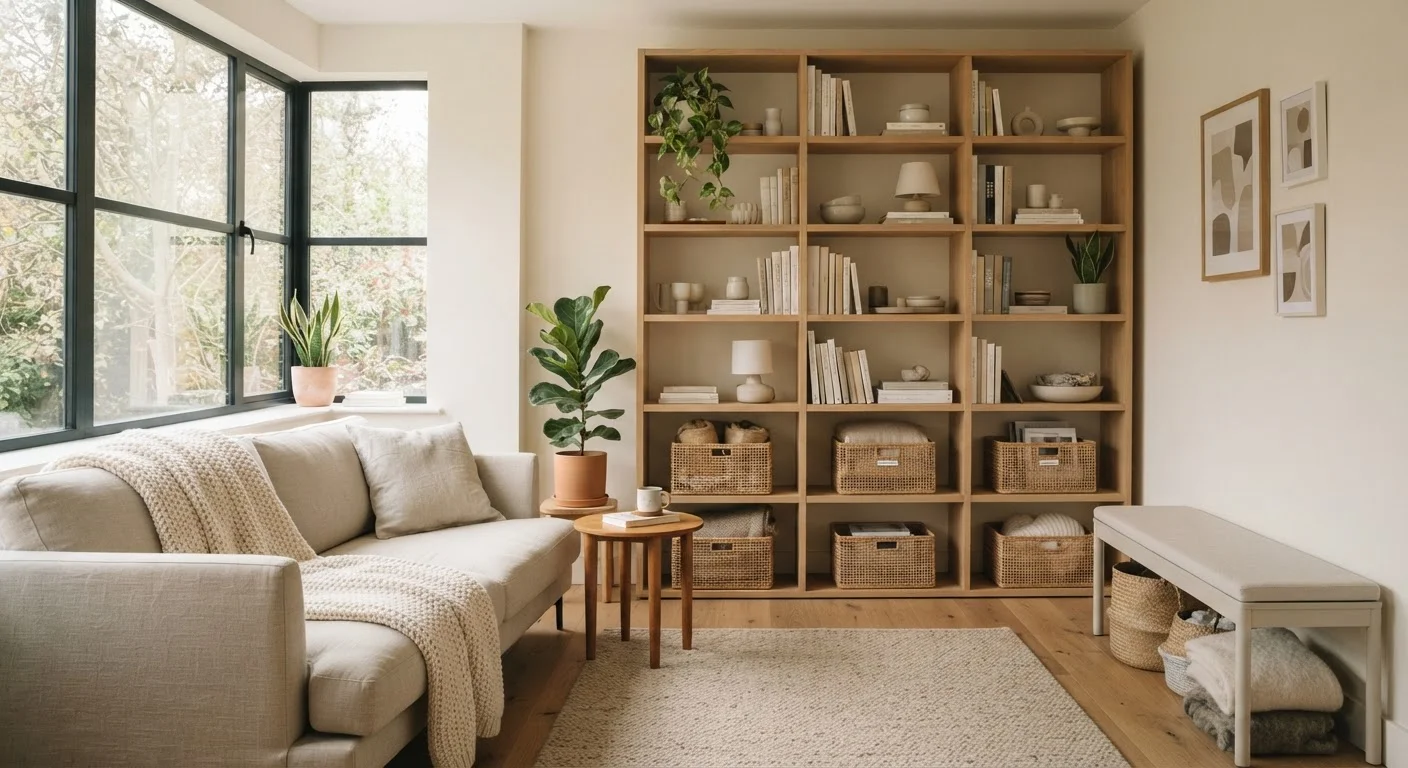
Visible storage is not the same as clutter, and forcing everything out of sight can make a system harder to use.
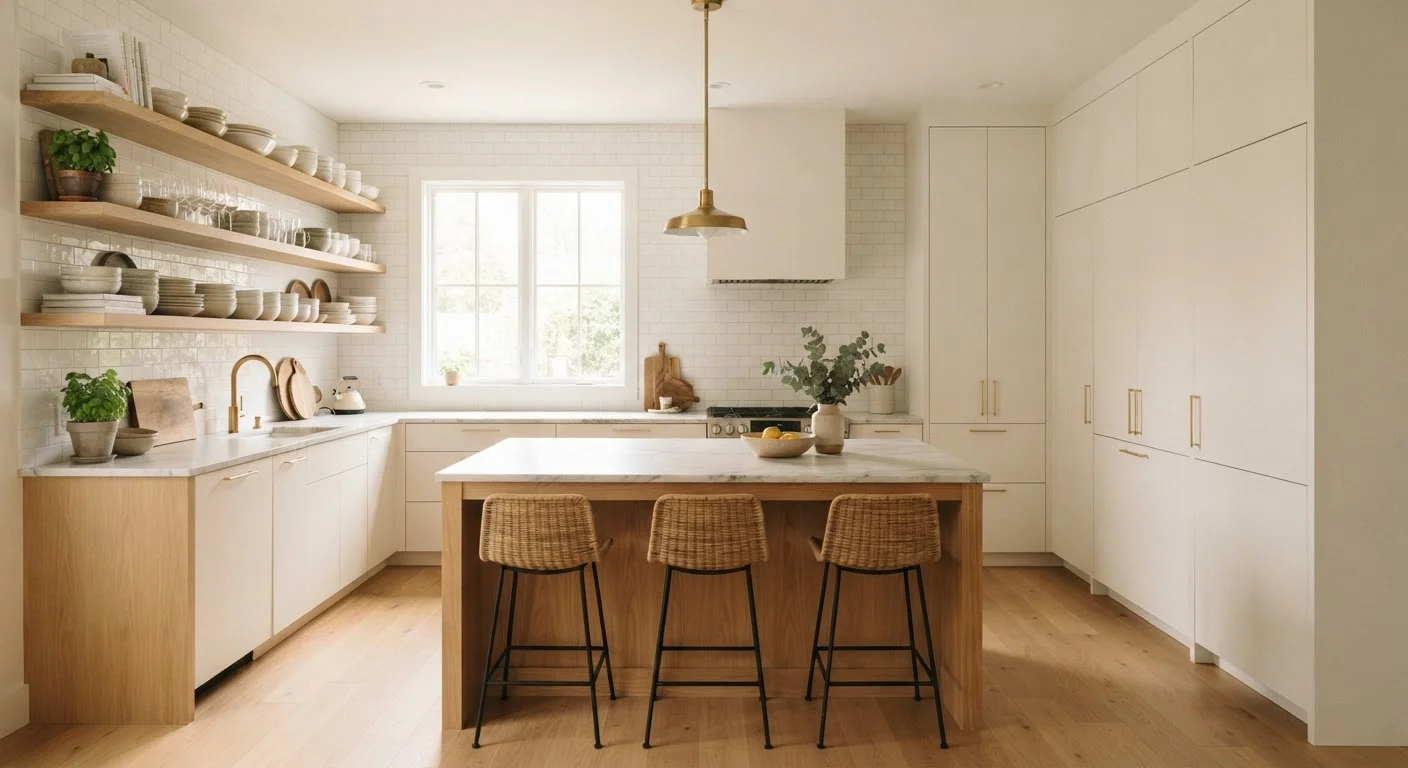
There's a difference between visual calm and functional organisation. Items displayed intentionally on open shelves - books, frequently used kitchen tools, everyday bags - can be perfectly organised. Meanwhile, cupboards stuffed beyond capacity are technically 'hidden' but are genuinely disorganised. Effective organisation means you can find what you need quickly and return it easily. If a closed-door system makes that harder, it's working against you. Layout principles for small spaces can help you think through what to display versus store away.
Myth
Organisation is a one-time project - once it's done, it stays done.
Fact
Maintaining an organised home is an ongoing practice, not a finished state.
Life changes - you acquire new things, your routines shift, seasons change what you need access to. A system that worked six months ago may not suit your life today. Treating organisation as a project with an end date sets you up for frustration when things gradually slide back toward disorder. A more realistic frame is to think of it as a small, recurring part of home life, like washing dishes or wiping down counters. Brief weekly resets and seasonal reviews are far more effective than waiting until things become unmanageable.
Myth
The best organisation system is the one that looks the most aesthetically pleasing.
Fact
The best system is one that matches your actual habits - even if it doesn't photograph well.
Colour-coordinated shelves and matching label sets make for appealing content online, but they can set an unrealistic standard. An aesthetically driven system that doesn't fit how you actually move through your space will collapse quickly. If you tend to drop your bag by the door, building a drop zone there is more effective than designing a formal entryway system you'll never use. Organisation that reflects your real behaviour - rather than an idealised version of it - holds up far longer and with far less effort.
Building Systems That Actually Last
The organising approaches that hold up long-term share a few traits: they're realistic about human behaviour, they don't depend on sustained willpower, and they account for the way a space is actually used day to day.
Avoid Designing for an Idealised Version of Yourself
Many organisation systems fail because they're built around how someone hopes to behave rather than how they actually do. Before committing to a system - especially one that involves spending money - live in your space for a few weeks and observe your real patterns. A system that works with your habits, not against them, will always outlast one that demands constant discipline.
If you share your home, organisation becomes even more layered. What works for one person's habits may frustrate another's. Navigating home setup with housemates covers how to agree on shared-space decisions without constant friction.
When it comes to storage specifically, the choice between open shelving and closed cabinets is worth thinking through carefully - not based on what looks good in photos, but on your actual maintenance tolerance and how you retrieve things. Open shelving vs. closed storage lays out the honest trade-offs of each.
Finally, keep in mind that organisation and home maintenance are connected. A disorganised space often hides minor maintenance issues until they become costly. The home maintenance hub is a good starting point for building habits that keep your space safe and functional alongside keeping it tidy.