Why Predictable Expenses Still Catch People Off Guard
Most people know their car registration comes due every year. They know the holidays happen in December. They know their gym membership renews in the spring. Yet when those bills arrive, many people still feel blindsided - reaching for a credit card or pulling from savings earmarked for something else.
The problem usually isn't awareness. It's the absence of a system. Without a plan to save in advance, even completely foreseeable costs become financial disruptions. That's exactly the problem a sinking fund solves.
Understanding this tool is a natural next step once you're familiar with basic budgeting vocabulary. If terms like discretionary spending or net income are still unfamiliar, our guide to budgeting terms is a useful starting point.
How a Sinking Fund Actually Works
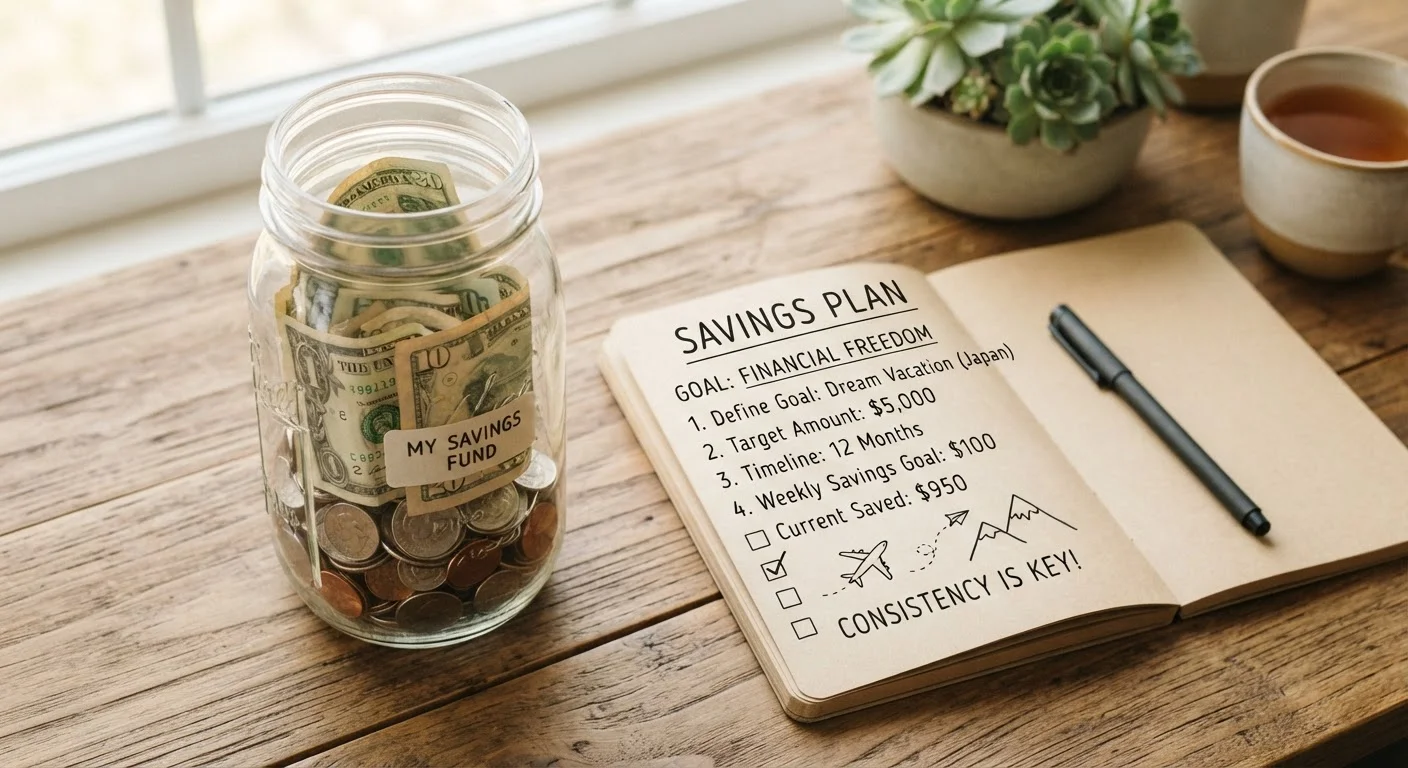
The mechanics are straightforward. You identify an upcoming expense, estimate its total cost, and determine how many months you have until you need the money. Divide the total by the number of months, and that's your monthly contribution.
1 in 3
Americans with no savings for unexpected expenses
Federal Reserve surveys have consistently found a significant share of U.S. adults report they would struggle to cover an unexpected $400 expense - highlighting how common it is to lack a savings buffer of any kind.
$1,200+
Average annual holiday spending per U.S. consumer
National Retail Federation surveys regularly report average holiday spending in the four-figure range, making it one of the most predictable - and commonly underprepared-for - annual expenses.
For example: you want $480 set aside for holiday gifts in 12 months. Save $40 per month. You want $900 for a summer road trip in 9 months. Save $100 per month. Simple arithmetic, steady habit, no surprise.
The fund lives in a dedicated account - ideally one that's separate from your everyday spending account. That separation is important. Keeping the money visible but ring-fenced reduces the chance you'll dip into it for something unrelated.
Automate the Contribution on Payday
Set up an automatic transfer to your sinking fund account the same day your paycheck hits. Treating the contribution like a fixed bill - rather than something you do with 'whatever's left' - dramatically improves how consistently you follow through. Even a small, regular amount builds up meaningfully over several months.
Sinking Funds vs. Emergency Funds: An Important Distinction
These two tools are often confused, but they serve very different purposes. An emergency fund is a safety net for the unknown - job loss, an unexpected medical expense, a sudden repair. A sinking fund is for costs you can see on the horizon.
Because of this difference, they shouldn't replace each other. Financial educators generally recommend having your emergency fund in place before directing extra money toward sinking funds. Learn more about why the emergency fund comes first and how much to aim for.
Think of it this way: an emergency fund handles the curveballs life throws unexpectedly; a sinking fund handles the slow pitches you can already see coming.
Common Uses for a Sinking Fund
Almost any irregular but predictable expense is a candidate. Common examples include:
- Annual car registration or insurance renewal
- Holiday and gift spending
- Travel and vacations
- Back-to-school costs
- Annual subscriptions or memberships
- Home maintenance - like a seasonal HVAC service
- Irregular medical or dental appointments
The more of these you plan for in advance, the less you'll need to disrupt your regular budget or carry credit card balances when the bills arrive. For a deeper look at how this saving method can protect your broader financial plan, see how sinking funds stop surprise expenses from derailing you.
Multiple Sinking Funds Are Normal
It's common to run three, four, or even more sinking funds at the same time for different goals. Some people use separate labeled savings accounts; others track multiple funds within a single account using a spreadsheet. Either approach works - what matters is that you know exactly how much is allocated to each purpose so you don't accidentally spend money earmarked for something specific.
Getting Started Today
Starting a sinking fund doesn't require a large income or a complex system. Pick one expense you know is coming in the next six to twelve months. Estimate the cost. Divide by the months remaining. Set up an automatic transfer on payday so the contribution happens before you have a chance to spend the money elsewhere.
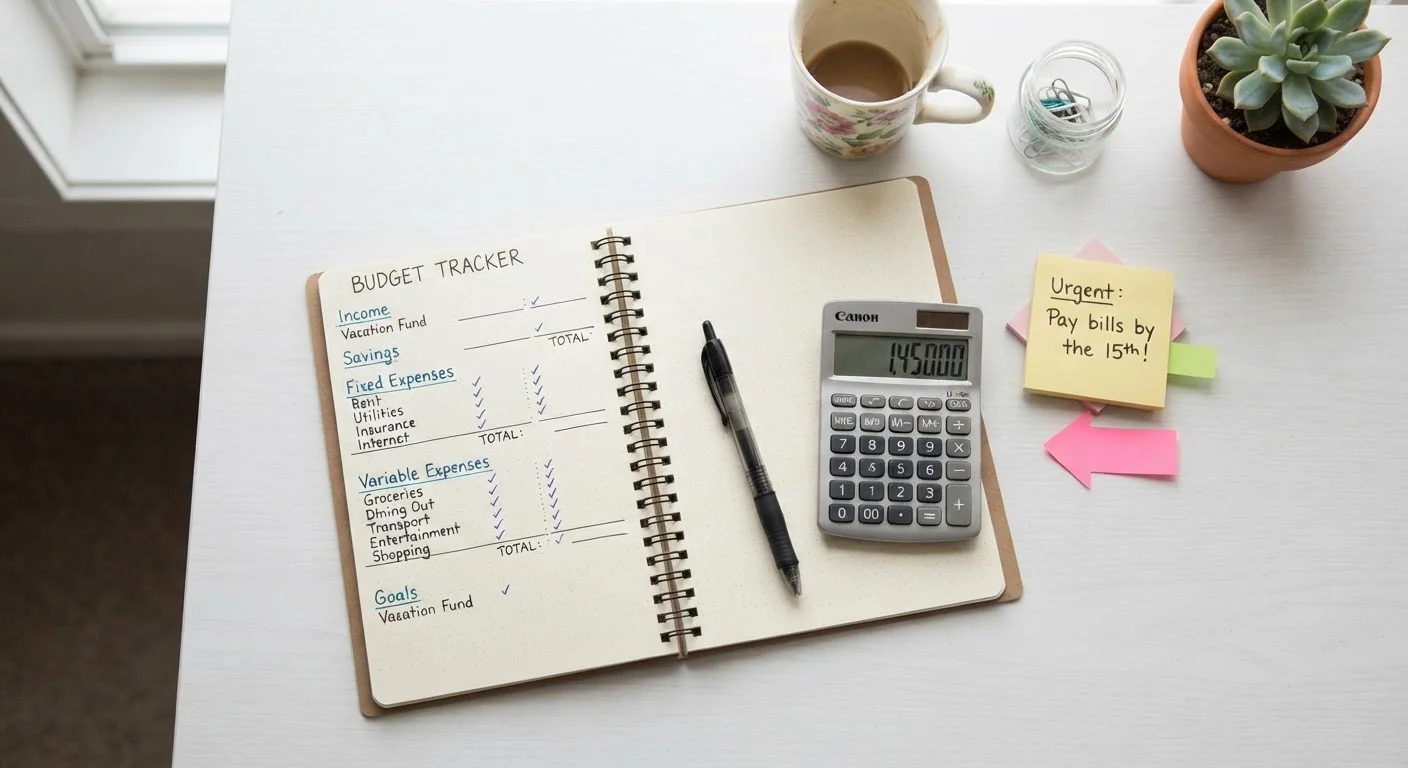
As you get comfortable, add a second or third fund for other known expenses. Tracking each separately - even with a simple spreadsheet or a labeled savings account - keeps your goals clear and your progress visible.
If you're still building out your overall savings approach, signs your savings strategy needs a rethink can help you spot where your current habits may have gaps. And for the broader vocabulary of saving, our plain-language savings reference decodes terms like high-yield accounts and liquidity that often come up as you build your system.
This article is for general informational and educational purposes only and does not constitute personalised financial advice. Consult a qualified financial professional for guidance tailored to your individual situation.