Why Most Spending Trackers Fail Within Two Weeks
The most common reason people abandon spending trackers isn't laziness - it's friction. When a system demands you log every coffee, categorize every transaction, and reconcile your bank statements nightly, it stops feeling like a tool and starts feeling like a punishment. For most beginners, that level of detail isn't necessary.
The goal of tracking is simple: to understand where your money goes in broad strokes, so you can make intentional choices. You don't need a forensic account of every dollar. You need enough information to notice patterns - like the fact that takeout costs twice what you estimated, or that three forgotten subscriptions are quietly draining $40 a month.
The right system is one you'll actually use. That might be a notebook, a spreadsheet, or an app - but the format matters far less than the consistency. For a clear-eyed comparison of the two most popular digital approaches, see our guide on spreadsheet budgeting vs. app-based budgeting.
Track Patterns, Not Perfection
The value of a spending tracker isn't a perfect record of every transaction - it's spotting patterns over time. If your food spending creeps up every month, that's the signal worth acting on. Missing the occasional $3 purchase won't meaningfully skew your picture. Aim for accuracy at the category level, not the transaction level.
What You'll Need Before You Start
Before setting up any tracking method, gather a few basics. Having these on hand prevents the most common early stumbles.
What you will need
Step-by-Step: Setting Up a Low-Effort Tracking Routine
Follow these steps to build a spending tracker that stays manageable long-term. Each step is designed to take under 15 minutes when you first set it up.
Identify your fixed and variable expenses
Start by separating your spending into two buckets. Fixed expenses are amounts that stay the same each month - rent, loan payments, insurance premiums. Variable expenses fluctuate - groceries, dining out, gas, entertainment.
Pull up last month's bank or credit card statement and mark each transaction as fixed or variable. Don't worry about sub-categories yet. This single pass gives you a clear picture of how much of your income is already committed before you make any choices.
Choose 4-6 spending categories that reflect your real life
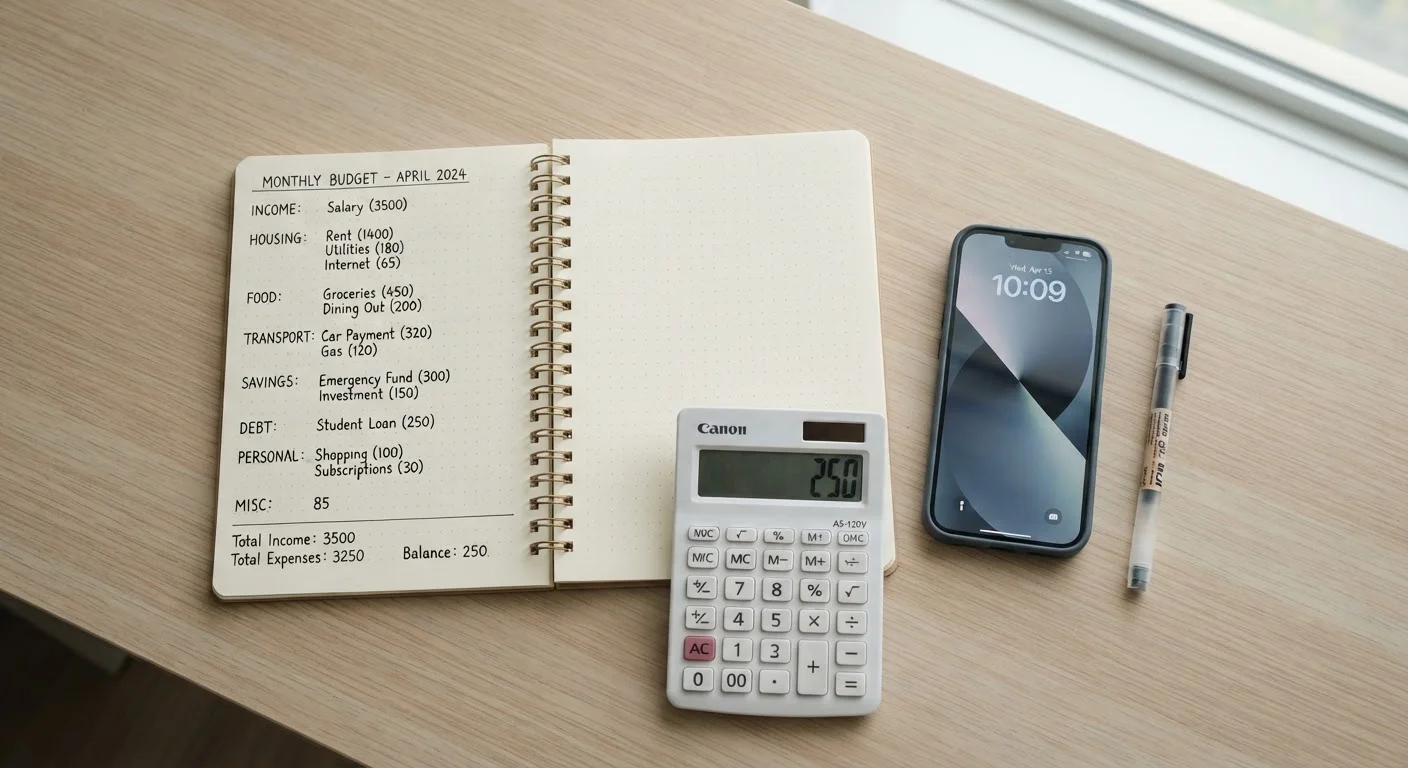
Generic budget templates often include 15+ categories, which creates unnecessary complexity. Instead, build a short list that matches how you actually spend. Common beginner categories include: Housing, Food (groceries + dining combined), Transportation, Subscriptions, Personal, and Everything Else.
The key is that each category should be distinct enough that you don't have to debate where a transaction belongs. If you're unsure whether to split groceries and dining, keep them together until you have a reason to separate them.
Set a realistic spending target for each category
Look at your last month's actual spending in each category. Use that as your starting baseline - not an aspirational number, but what you actually spent. Then decide whether each amount feels sustainable or needs adjustment.
If you want to reduce a category, aim for a small, specific reduction rather than a dramatic cut. Cutting dining spending by $50 a month is achievable; cutting it by 70% overnight is not. Your targets should feel slightly challenging but not demoralizing.
Log new spending once a week, not daily
Choose one day each week - Sunday evenings work well for many people - and spend 10 minutes reviewing your transactions from the past seven days. Assign each transaction to a category and add up your running totals.
If you're using a spreadsheet or notebook, a simple table with categories across the top and weeks down the side is enough. If you're using an app, most automatically categorize transactions and just need a quick review for accuracy.
Flag irregular expenses before they surprise you
Annual and semi-annual expenses - like car registration, holiday gifts, or an annual streaming subscription - are the most common source of budget blowouts. List every irregular expense you can think of and note when each one hits. Then divide the annual total by 12 to see what you should mentally set aside each month.
You don't necessarily need a separate savings account for this; just knowing the number in advance prevents the feeling that the expense came out of nowhere.
Don't Let Tracking Become the Goal
Some people spend more time organizing their budget spreadsheet than actually reviewing what it tells them. A color-coded, beautifully formatted tracker that you never act on is less useful than a rough notebook you check weekly. Periodically ask yourself: 'Has tracking this changed how I spend?' If not, simplify the system further.
Making the Habit Stick
Tracking spending is most useful when it becomes a brief, regular ritual rather than a big monthly project. A simple weekly review - ideally on the same day each week - keeps your numbers fresh and prevents the anxiety of a surprise shortfall at month's end.
During your weekly check-in, ask yourself three questions: Did I spend more than expected anywhere? Did anything come up that I didn't plan for? Do I need to adjust next week's behavior? That's it. Most weeks, this takes under ten minutes.
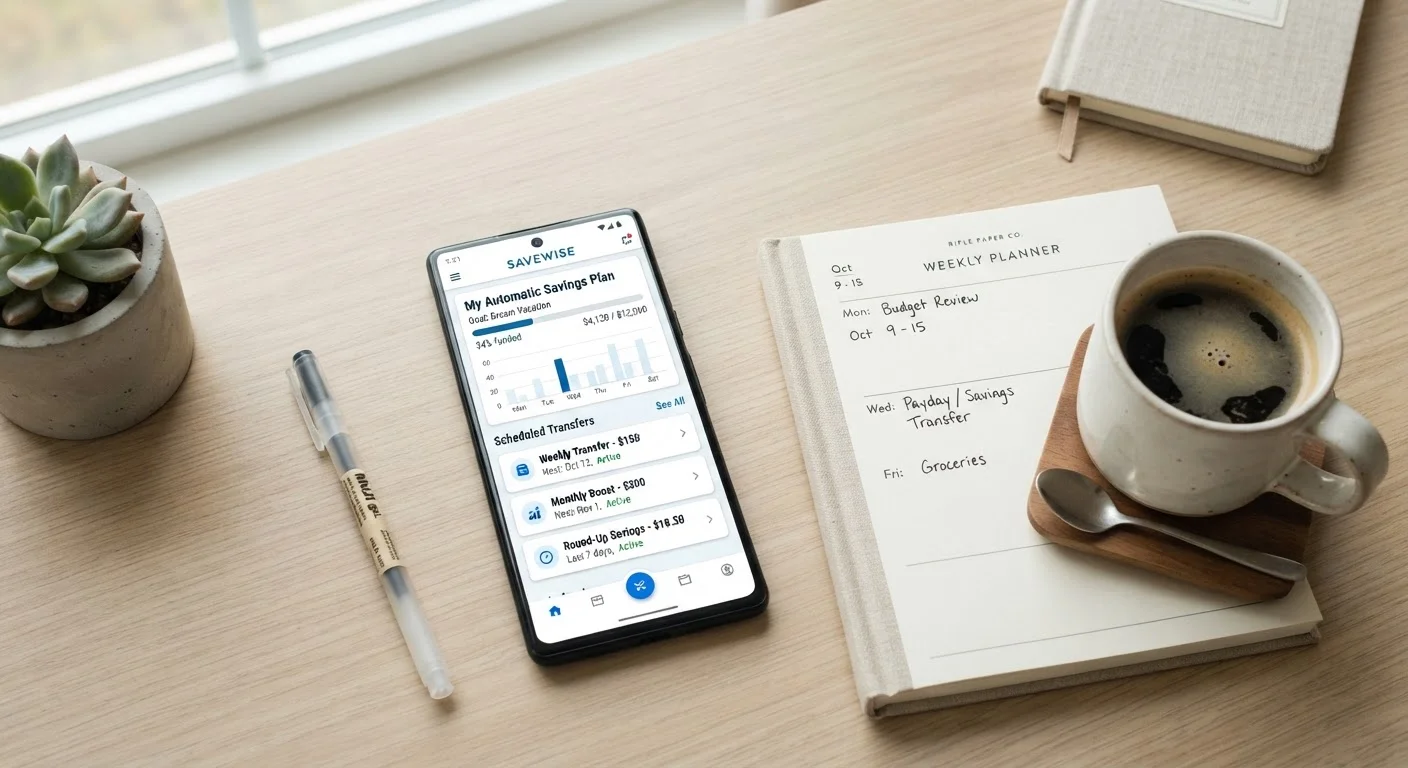
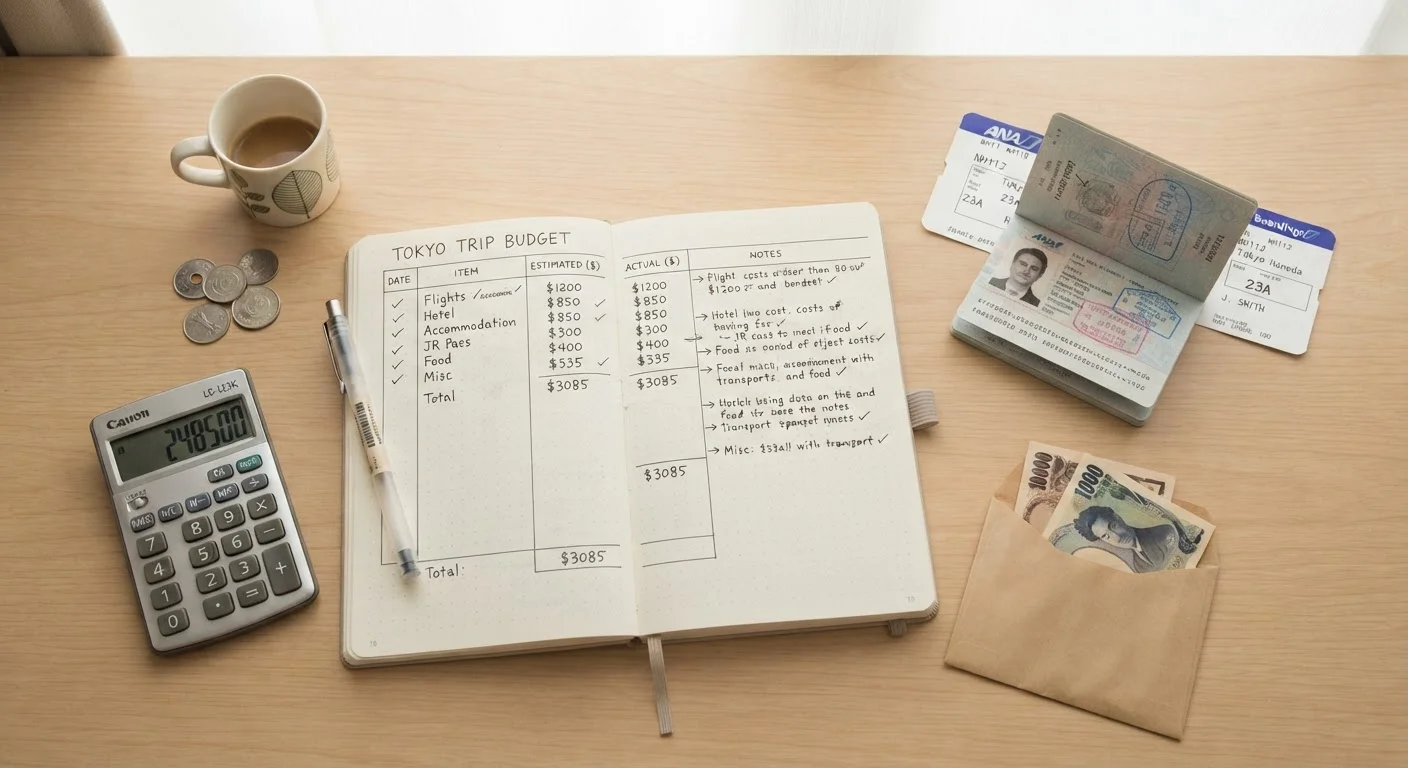
If you're also working on building savings, tracking spending and automating transfers work well together. Our article on automating your savings covers how to set this up without losing visibility into your cash flow. Tracking also translates well to specific goals - if you're planning a trip, the same category-based method applies directly; see Travel Budgeting 101 for a practical walkthrough.
This article is for general informational and educational purposes only. It does not constitute personalized financial advice. For guidance specific to your financial situation, consider consulting a qualified financial professional.