How Personal Contract Purchase (PCP) Works
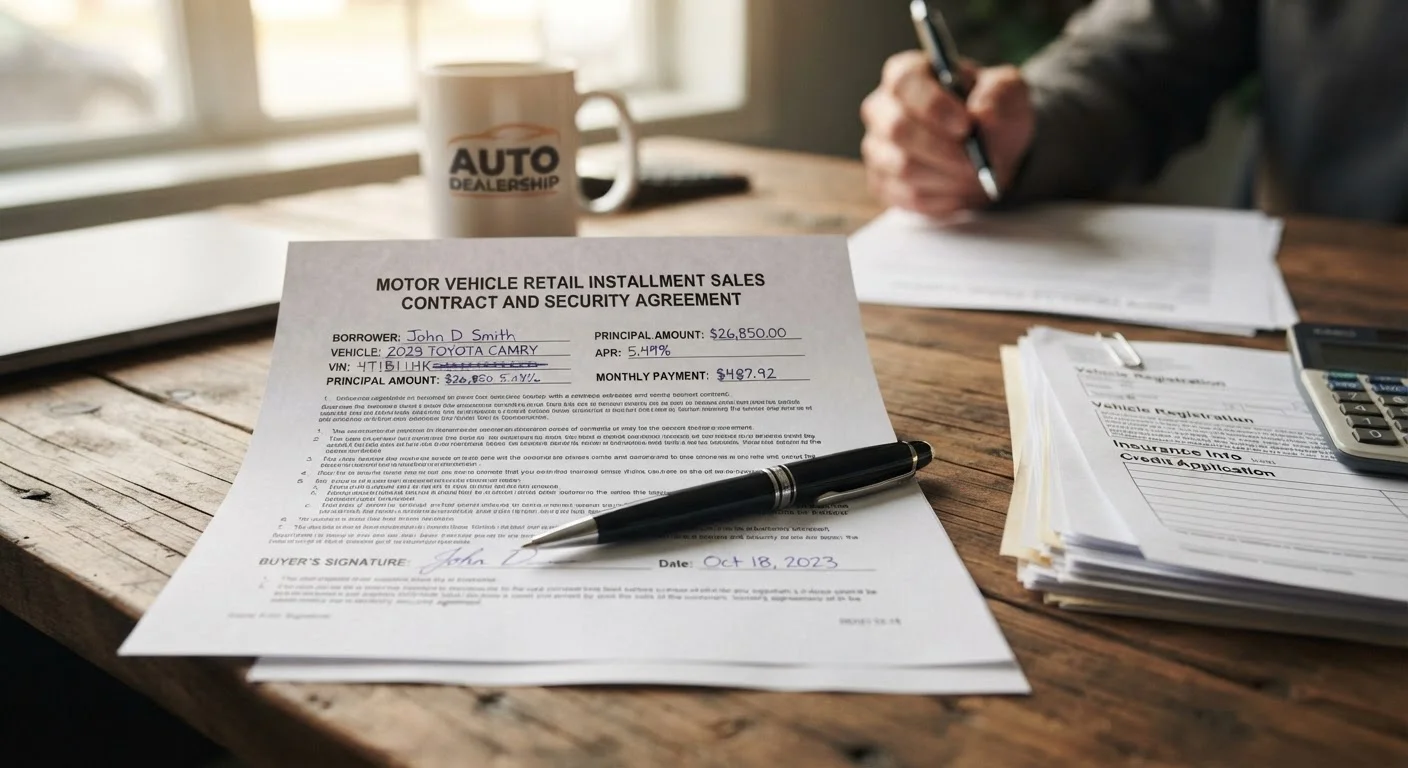
PCP is one of the most common car finance structures offered through dealerships. When you sign a PCP agreement, you agree to pay three things: an initial deposit (often around 10% of the car's value), a series of monthly payments, and - if you want to keep the car - a large final balloon payment known as the Guaranteed Minimum Future Value (GMFV).
The monthly payments on a PCP are calculated to cover only the depreciation of the car over the agreement term, not the full purchase price. That's why they tend to be lower than HP payments on the same vehicle. At the end of the term, you have three options: pay the balloon payment and own the car, return it and walk away, or roll into a new deal using any equity as a deposit.
PCP agreements typically come with annual mileage caps - commonly 8,000-12,000 miles per year. Exceeding that limit triggers excess mileage charges, which can add up quickly. Review our article on hidden charges in car finance agreements before committing to any deal.
Use the APR to Compare Like for Like
When evaluating PCP or HP deals, dealers often highlight the monthly payment figure. Always ask for - and compare - the Annual Percentage Rate (APR) and the total amount repayable. A deal with a lower monthly cost but a higher APR or a large balloon payment may cost significantly more overall. Getting a personal loan quote from your bank first gives you an independent benchmark before entering the dealership.
How Hire Purchase (HP) Works
Hire Purchase is a more straightforward form of secured finance. You pay a deposit, then make fixed monthly installments that cover the entire cost of the vehicle (plus interest). Once the last payment clears, you own the car outright - automatically, with no balloon payment required.
Because HP payments cover the full purchase price spread across the term, they are typically higher month-to-month than an equivalent PCP deal. However, the total interest paid can be lower overall since there is no large deferred sum accruing interest in the background. HP also carries no mileage restrictions, which makes it a cleaner option for high-mileage drivers.
One important caveat: until you make your final HP payment, the lender owns the vehicle. You cannot legally sell it without settling the outstanding balance first. This is a key distinction from buying a car with a personal loan.
~80%
New cars bought on finance in the UK
The Finance & Leasing Association has consistently reported that the large majority of new private car purchases in the UK are funded through a finance product rather than cash.
3-5 years
Typical PCP or HP agreement length
Most dealership finance agreements run between 36 and 60 months, with the term length significantly affecting monthly payment amounts and total interest paid.
1-2 months
Common early repayment fee on personal loans
Many personal loan lenders charge the equivalent of one to two months' interest if you settle the loan ahead of schedule - a cost worth factoring in if you plan to pay off early.
How Personal Loans Work for Car Buying
A personal loan from a bank, credit union, or online lender works differently from PCP or HP because it is unsecured. The lender gives you a lump sum, you use it to buy the car - making you the outright owner from day one - and you repay the loan in fixed monthly installments over an agreed term, typically two to five years.
Because you own the car immediately, you can sell it at any point without needing the lender's permission. There are no mileage restrictions and no balloon payments. The trade-off is that unsecured loans generally carry higher interest rates than secured dealership finance, particularly if your credit history is limited. For young adults still building their credit profile, this gap can be meaningful.
To understand how your credit standing affects the rates available to you, see how your credit score shapes car finance deals. For broader context on borrowing, the Credit & Debt hub covers loans and debt management in plain terms.
Comparing the Three Options Side by Side
Each finance route suits a different set of priorities. The table below provides a structured overview:
| Feature | PCP | HP | Personal Loan |
|---|---|---|---|
| Monthly cost | Lowest | Medium | Varies |
| Ownership at end | Optional (balloon payment) | Automatic | Immediate |
| Mileage limits | Yes | No | No |
| Can sell car anytime | No (lender owns it) | No (lender owns it) | Yes |
| Secured against car | Yes | Yes | No |
Before choosing, calculate the total amount repayable - not just the monthly figure - for each option. A lower monthly payment over a longer term often means paying more interest overall. For a fuller picture, see buying a car outright vs financing it to weigh cash purchase against any of these routes.
What to Check Before You Commit
Whichever route you lean toward, run through these checks before signing anything:
- APR, not just monthly payment: The Annual Percentage Rate reflects the true annual cost of borrowing, including fees. Always use this number when comparing offers.
- Total amount repayable: Add every payment - deposit, monthly installments, and any balloon or final payment - to find the real price you'll pay for the car.
- Early repayment terms: Understand the exit costs if your circumstances change.
- Mileage assumptions (PCP): Be honest about your annual mileage before agreeing to a cap.
For a complete pre-signing checklist, see our pre-commitment checklist. And if you're new to vehicle costs generally, Car Ownership Finances: A Starting Point gives a full-picture overview.
This article provides general financial education only and is not personalised financial advice. Consult a qualified financial adviser before making decisions based on your own circumstances.