What the Two-Second Rule Actually Means
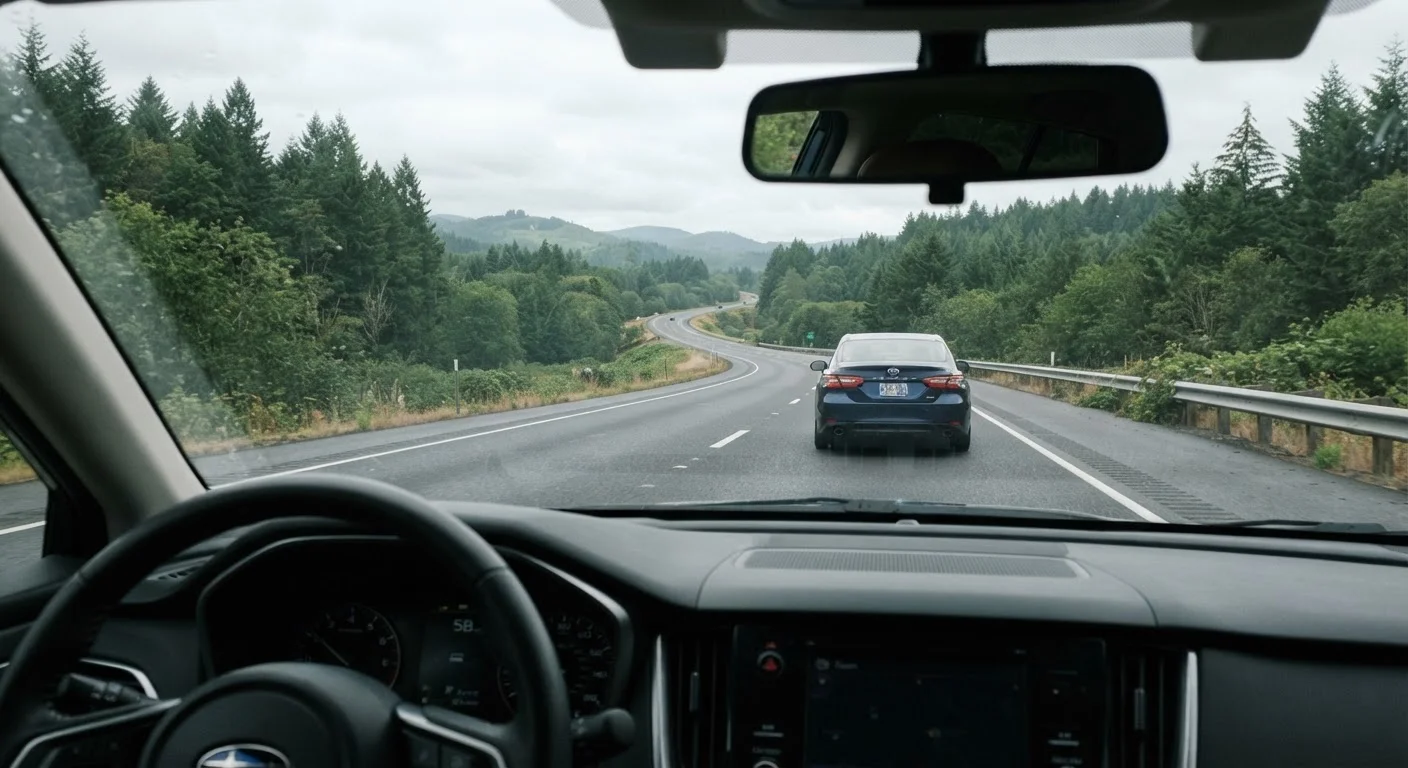
Most new drivers learn the two-second rule in driver's education: pick a fixed point, watch the car ahead pass it, and count two seconds before you pass the same point. If you reach it faster, you're too close. It's a simple, teachable method - and it has genuine value as a starting point.
But the rule is widely misunderstood as a target rather than a floor. Two seconds represents the minimum gap needed under ideal conditions - dry pavement, good visibility, normal speeds, and a fully alert driver. Change any one of those variables and two seconds becomes dangerously inadequate.
Understanding why requires a quick look at what happens between the moment you perceive danger and the moment your vehicle actually stops. That process involves two distinct phases: reaction time and braking distance. Even a sharp, focused driver typically takes 1.5 seconds just to perceive a hazard and move their foot to the brake. The vehicle hasn't slowed at all yet. See our guide to stopping distance factors for a full breakdown of how tyre condition, road surface, and weight affect the braking phase.
When Two Seconds Isn't Enough
Several everyday conditions demand significantly more following distance. Knowing when to expand your gap - and by roughly how much - is what separates a cautious driver from an overly confident one.
Apply a three-to-four second gap as your everyday highway baseline.
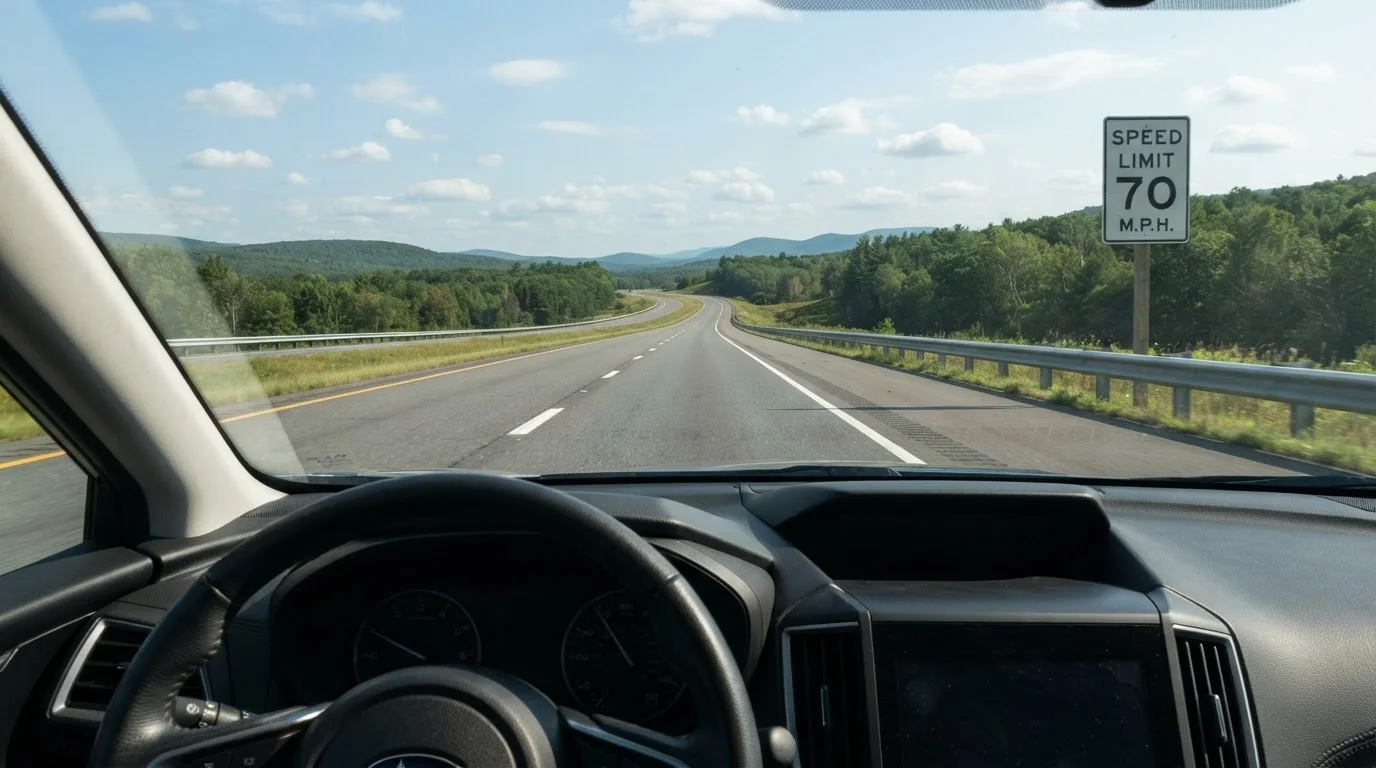
At highway speeds of 60-70 mph, two seconds translates to roughly 180-200 feet - barely enough for reaction time alone. Adding a third or fourth second provides a meaningful buffer that absorbs reaction lag and early braking distance, reducing rear-end collision risk substantially.
Double your following distance in wet or slippery conditions.
Wet pavement can increase braking distances by 50% or more compared to dry asphalt, and standing water introduces the risk of hydroplaning - a loss of traction where braking becomes largely ineffective. Four seconds is a more appropriate minimum when it's actively raining.
Increase distance when following large vehicles like trucks or buses.
Large commercial vehicles require significantly longer stopping distances due to their weight. They also block your forward sightlines, meaning you have less time to spot hazards ahead of them. A greater gap compensates for both issues.
Add distance when you feel tired, distracted, or unfamiliar with the road.
Reaction time worsens significantly with fatigue or divided attention. A drowsy driver's reaction time can approach that of a legally impaired driver. Since the two-second rule assumes full alertness, any reduction in attention demands a larger safety buffer.
Recalibrate your gap after loading the vehicle with passengers or cargo.
Additional weight increases the distance required to stop, particularly at higher speeds. A fully loaded vehicle can take noticeably longer to stop than the same vehicle carrying only the driver.
How to Apply This Behind the Wheel
Adjusting following distance doesn't require math or a stopwatch. It requires awareness and a habit of reading the conditions around you before settling into a gap.
One useful mental check: ask yourself, "If the car ahead stopped completely right now, could I stop without hitting it?" If the honest answer is "probably" rather than "yes," move back. For reference, key stopping distance figures every driver should know can help calibrate your sense of what adequate distance actually looks like at various speeds.
What Happens When Someone Tailgates You
If another driver follows you too closely, avoid the temptation to speed up or brake-check them - both responses escalate risk. Instead, create more room between yourself and the car ahead so you can brake gradually if needed, giving the tailgater more warning time. If the situation feels unsafe, move to the right lane or find a safe place to let them pass.