What Makes a Protein 'Complete' or 'Incomplete'?
Protein is made up of smaller building blocks called amino acids. Your body needs 20 different amino acids to function, and nine of these are considered essential - meaning your body cannot produce them on its own and must get them through food. To understand how protein works in the body more broadly, see our overview of macronutrients.
A protein source is called complete when it contains all nine essential amino acids in sufficient quantities. Animal proteins - including meat, poultry, fish, eggs, and dairy - are generally complete proteins. Plant proteins, such as those found in beans, lentils, nuts, and grains, typically lack one or more essential amino acids in adequate amounts, making them incomplete.
There's an important nuance here: eating a variety of plant foods throughout the day - for example, rice with beans or peanut butter on whole-grain bread - allows you to cover all essential amino acids without needing every meal to be 'complete' on its own. Nutrition researchers no longer consider it necessary to combine complementary plant proteins in a single sitting.
Bioavailability: How Much Protein Does Your Body Actually Use?
Bioavailability refers to how efficiently your body digests, absorbs, and uses a protein source. Animal proteins consistently score higher on measures like the DIAAS, a method used by nutrition researchers to evaluate protein quality.
| Plant-Based Protein | Animal Protein | |
|---|---|---|
| Amino acid completeness | Usually incomplete; needs variety | Generally complete in one source |
| Bioavailability | Moderate; affected by antinutrients | High; efficiently absorbed |
| Fiber content | Often high (legumes, grains) | None |
| Saturated fat | Typically low | Varies; higher in red/processed meat |
| Vitamin B12 | Not naturally present; supplement needed | Naturally abundant |
| Environmental footprint | Generally lower | Generally higher (especially beef) |
Plant proteins can have lower digestibility partly due to antinutrients - naturally occurring compounds like phytates and tannins found in legumes and grains that can reduce absorption. Cooking, soaking, fermenting, or sprouting plant foods significantly reduces antinutrient content and improves bioavailability.
This doesn't mean plant protein is inadequate. It simply means that people relying primarily on plant sources may benefit from eating a slightly larger overall quantity of protein-rich foods to account for the difference in absorption efficiency.
Beyond Amino Acids: What Else Comes With Your Protein?
Choosing a protein source means choosing a whole package of nutrients - not just amino acids. This is where plant and animal proteins diverge most meaningfully for everyday health.
Make Plant Proteins Work Harder
To get the most from plant-based protein, aim to eat a wide variety of sources across the day rather than relying on one food. Soaking dried beans overnight and then cooking them thoroughly reduces antinutrients and improves digestibility. Fermented soy foods like tempeh and miso are particularly well-absorbed options worth adding to your rotation.
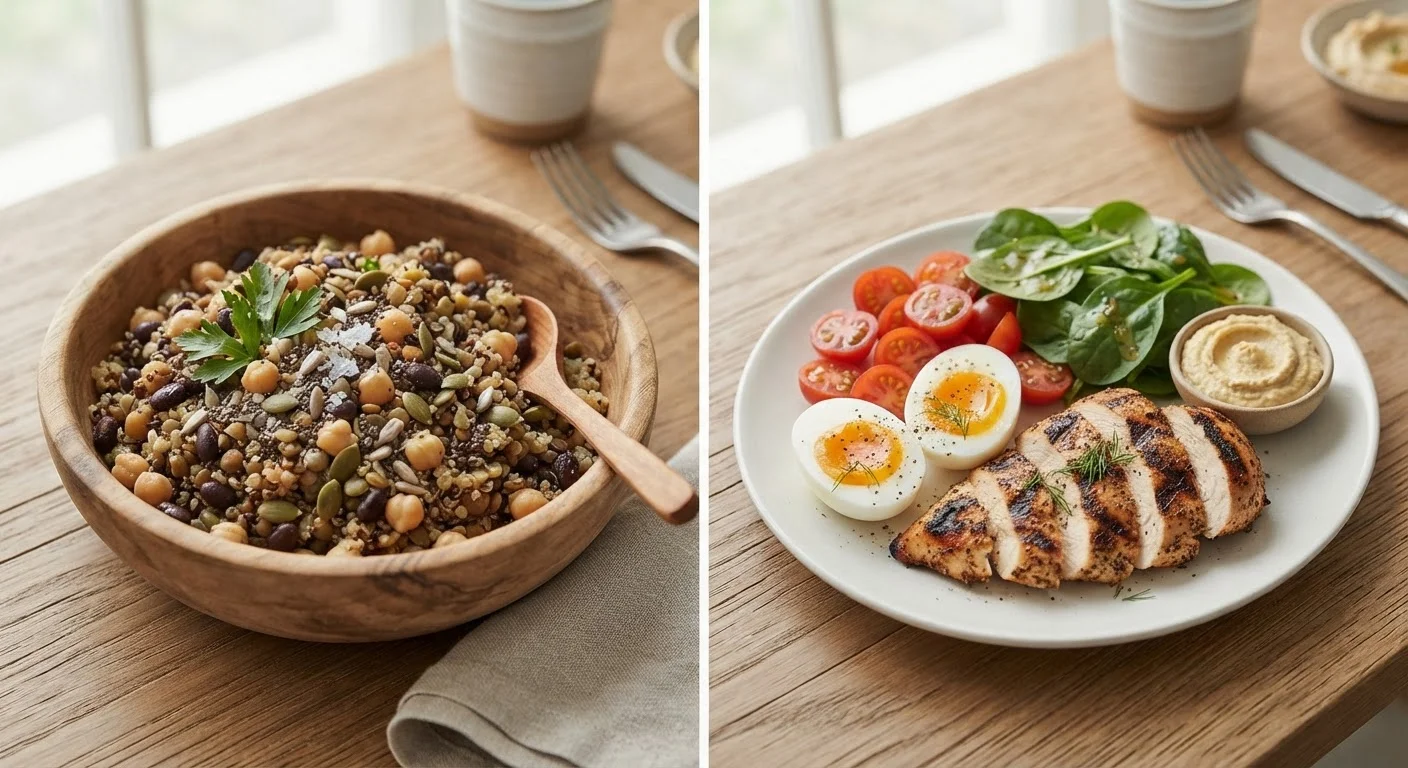
Animal proteins come with nutrients like heme iron (a highly absorbable form), vitamin B12, zinc, and omega-3 fatty acids (especially in fatty fish). However, some animal sources - particularly red and processed meats - are also higher in saturated fat.
Plant proteins bring fiber, antioxidants, and phytonutrients (beneficial plant compounds) that have no equivalent in animal foods. Legumes, in particular, provide a notable fiber boost that supports gut health. Plant-based foods are generally lower in saturated fat as well.
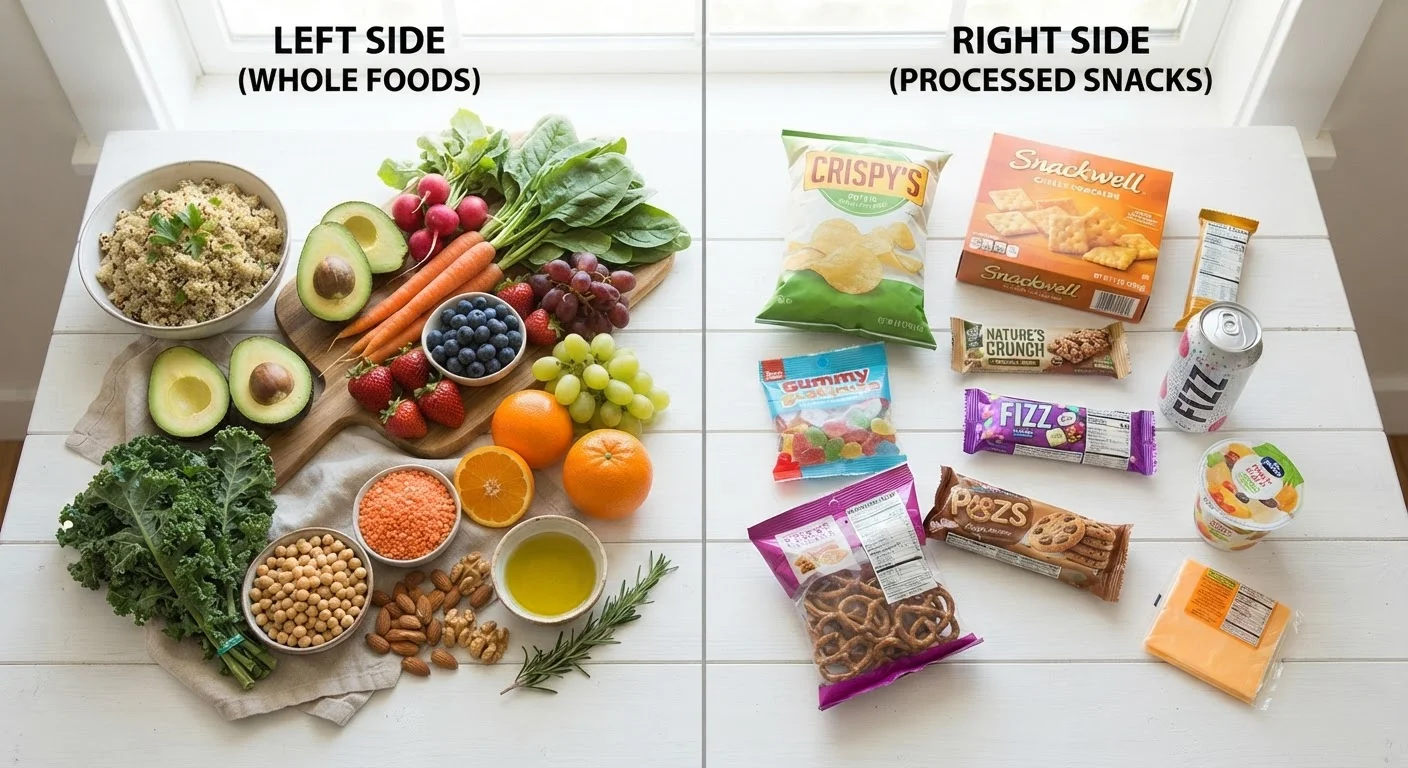
Thinking about how your protein choices fit into your overall eating pattern matters. Our guide on building a balanced plate walks through how protein fits alongside other food groups in practical, everyday terms. It's also worth considering how whole versus processed foods affect the nutritional quality of any protein source you choose.
How to Apply This in Real Life
For most healthy adults, meeting protein needs is achievable with either plant sources, animal sources, or a combination. A few practical principles can help regardless of your dietary approach:
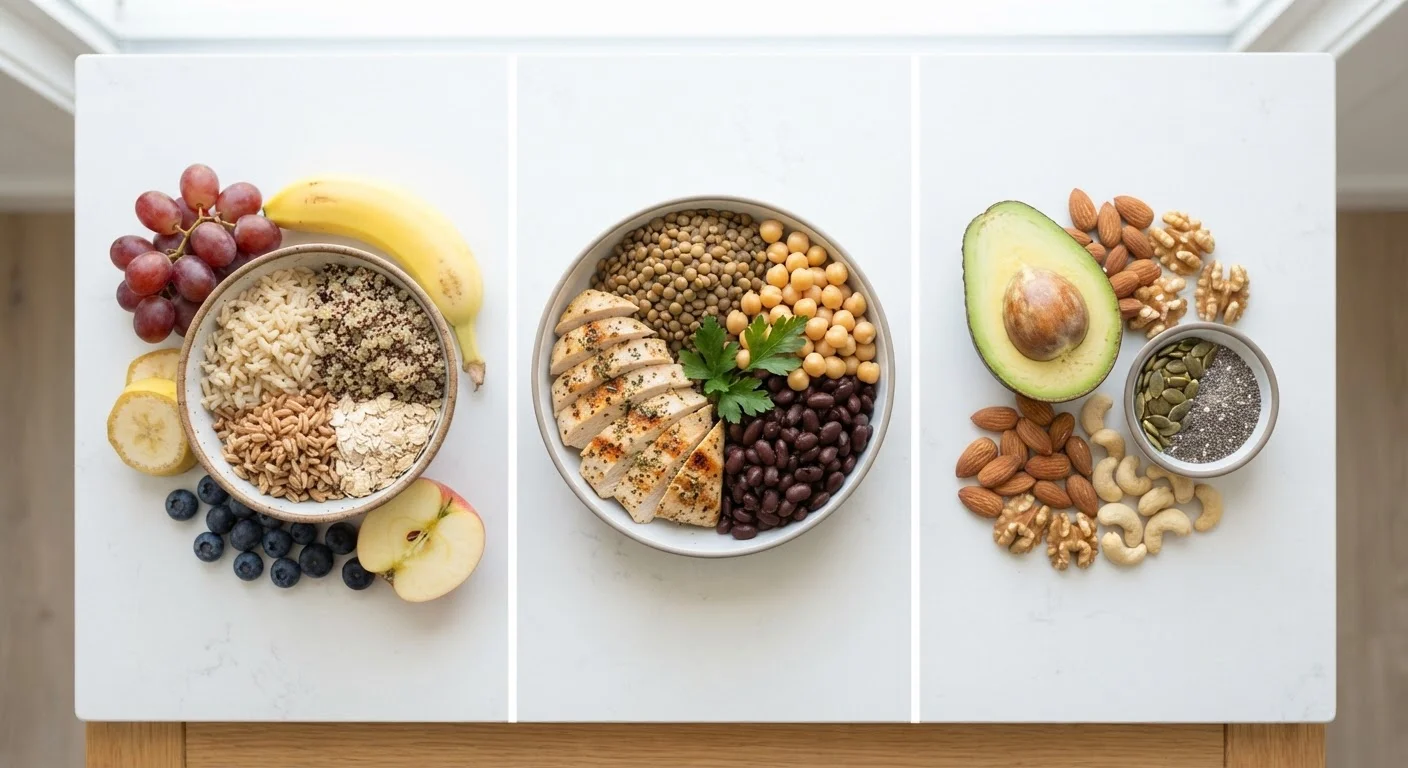
- Diversify your plant sources. Rotating between lentils, chickpeas, tofu, tempeh, edamame, quinoa, and nuts helps cover the amino acid spectrum naturally.
- Minimize heavily processed versions of either. Heavily processed plant-based meat alternatives and processed deli meats alike can carry added sodium and additives that offset their protein value.
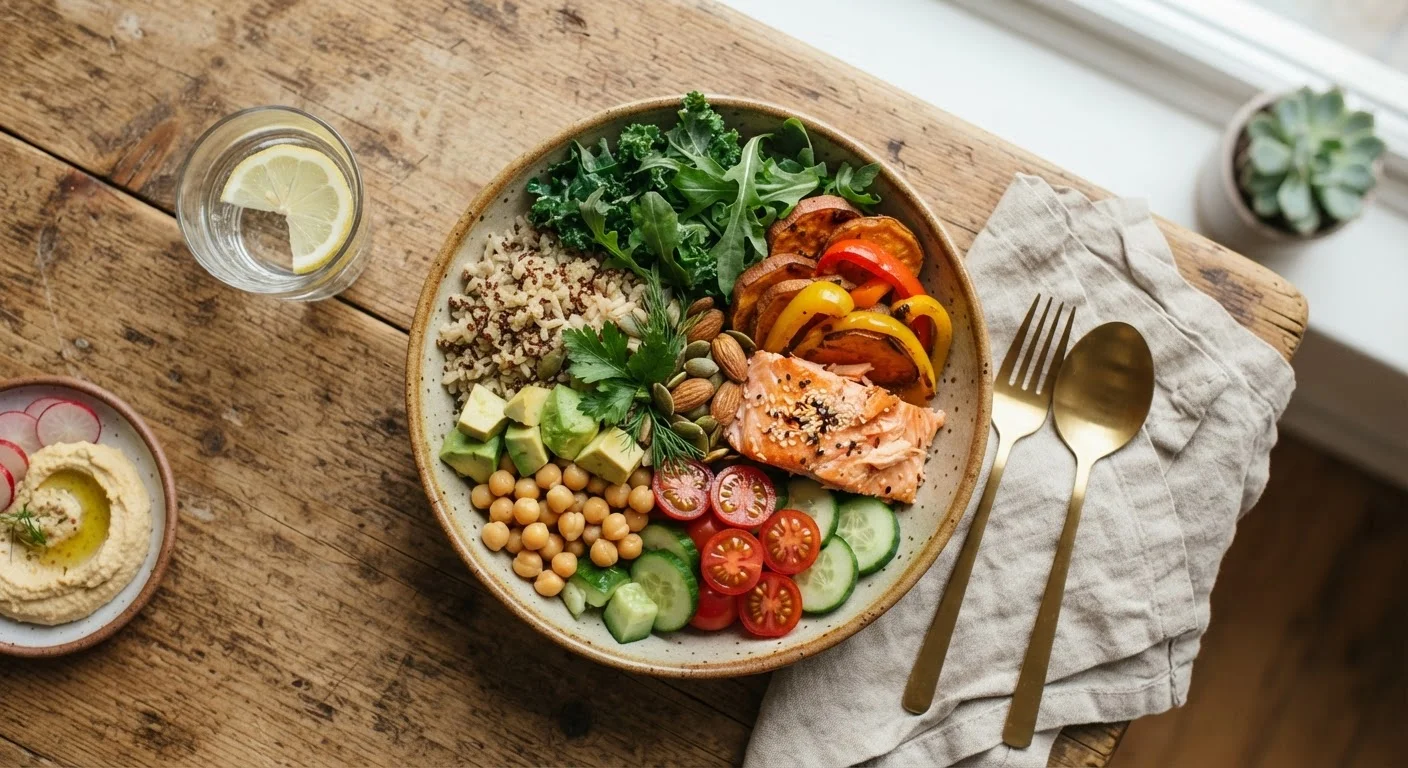
- Factor in the whole food. A piece of grilled salmon and a bowl of lentil soup both deliver meaningful protein - along with very different additional nutrients. Variety typically serves you better than fixation on a single source.
~10-15%
Improvement in protein digestibility from cooking legumes
Research indicates that heat processing significantly reduces antinutrient content in legumes, improving amino acid absorption.
1 in 3
Adults may not meet daily protein recommendations
Dietary surveys suggest a meaningful share of adults - particularly older individuals - fall short of recommended protein intake regardless of source.
If you have specific health goals, follow a restricted diet, or have a condition affecting nutrient absorption, consulting a registered dietitian can help you develop a protein strategy that fits your individual needs. This article is general nutrition education and is not a substitute for personalized medical or dietary advice.
This content is for general informational purposes only and does not constitute medical or dietary advice. Always consult a qualified healthcare professional before making significant changes to your diet, especially if you have an existing health condition.