Defining the Terms: What Do These Labels Actually Mean?
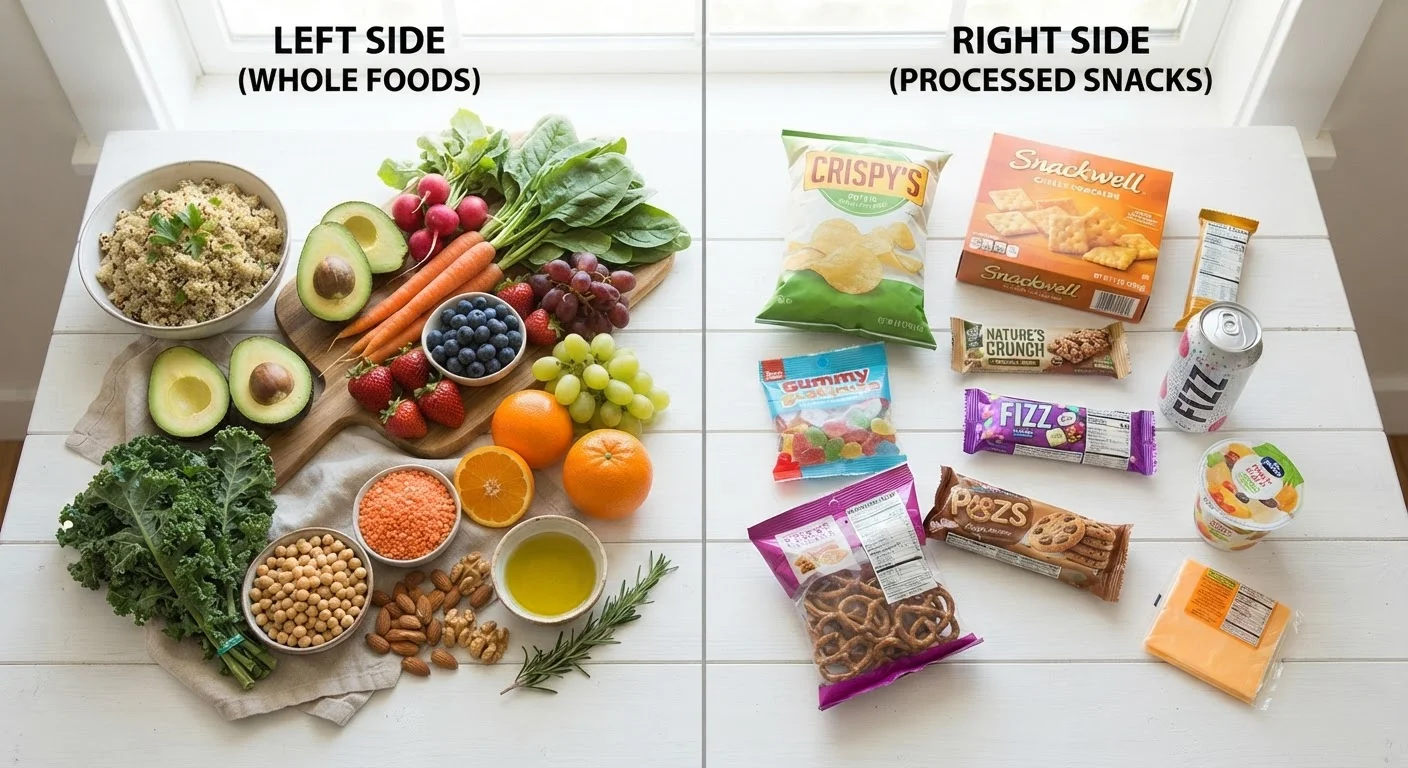
The phrase "whole foods" generally refers to foods that are eaten close to their natural form - think raw or simply cooked vegetables, fresh fruit, whole grains like brown rice or oats, legumes, nuts, and seeds. They haven't been significantly altered by industrial processes, which means they tend to retain most of their original fiber, vitamins, and minerals.
"Processed foods" is a much broader category. Technically, nearly any food that has been washed, cut, cooked, canned, frozen, or packaged has been processed in some way. A bag of frozen peas is processed. So is a jar of pasta sauce - or a fast-food burger. The word alone doesn't tell you much about nutritional quality.
Nutrition researchers often use the NOVA classification system - developed at the University of São Paulo - to break processing into four groups: unprocessed or minimally processed foods, processed culinary ingredients (like oils and salt), processed foods (canned goods, simple cheeses), and ultra-processed foods (packaged snacks, soft drinks, reconstituted meat products). This framework helps clarify why "processed" isn't a single, simple category.
"Processed" Doesn't Automatically Mean Unhealthy
It's easy to assume that anything processed should be avoided, but that framing is misleading. Pasteurized milk, bagged salad greens, and plain rolled oats all fall under the broad definition of processed foods - yet none raise nutritional concern. The meaningful distinction lies in the degree of processing and what ingredients were added. Focusing on ultra-processed foods as the category to moderate is more accurate and actionable than avoiding all processing wholesale.
Where the Health Differences Actually Show Up
Research consistently shows that diets rich in whole foods are associated with better long-term health markers - including cardiovascular health, weight management, and blood sugar regulation. A large part of this comes down to fiber: whole foods tend to be high in it, while ultra-processed foods are typically stripped of it. Fiber supports digestion, helps regulate blood glucose, and contributes to feelings of fullness.
Ultra-processed foods are also more likely to contain high levels of added sugars, sodium, refined fats, and synthetic additives. Multiple large observational studies - including research published in journals like The BMJ and JAMA Internal Medicine - have found associations between high ultra-processed food consumption and elevated risk of chronic disease. That said, observational research shows correlation, not proven causation, so these findings should be understood with appropriate nuance.
It's worth noting that some lightly processed foods are nutritionally comparable to their whole counterparts. Frozen vegetables retain most of their nutrients because they're typically flash-frozen shortly after harvest. Canned fish provides the same omega-3 fatty acids as fresh. The distinction that matters most is not "processed vs. unprocessed" but rather how much processing has occurred and what was added or removed in the process.
57%
Share of U.S. calories from ultra-processed foods
A study published in BMJ Open estimated that ultra-processed foods account for approximately 57% of daily caloric intake among U.S. adults.
4 Groups
NOVA food processing classification levels
The NOVA system, developed by researchers at the University of São Paulo, categorizes all foods into four groups based on the extent and purpose of processing.
~28g
Daily fiber recommended for adults
The U.S. Dietary Guidelines for Americans recommend approximately 28 grams of dietary fiber per day for a standard 2,000-calorie diet.
How to Apply This at the Grocery Store
Understanding these categories is most useful when it changes how you shop and eat. One practical starting point: focus on the ingredient list, not the front-of-package claims. A product labeled "natural" or "wholesome" may still contain a long list of additives. Meanwhile, a product with five recognizable ingredients is likely closer to the minimally processed end of the spectrum.
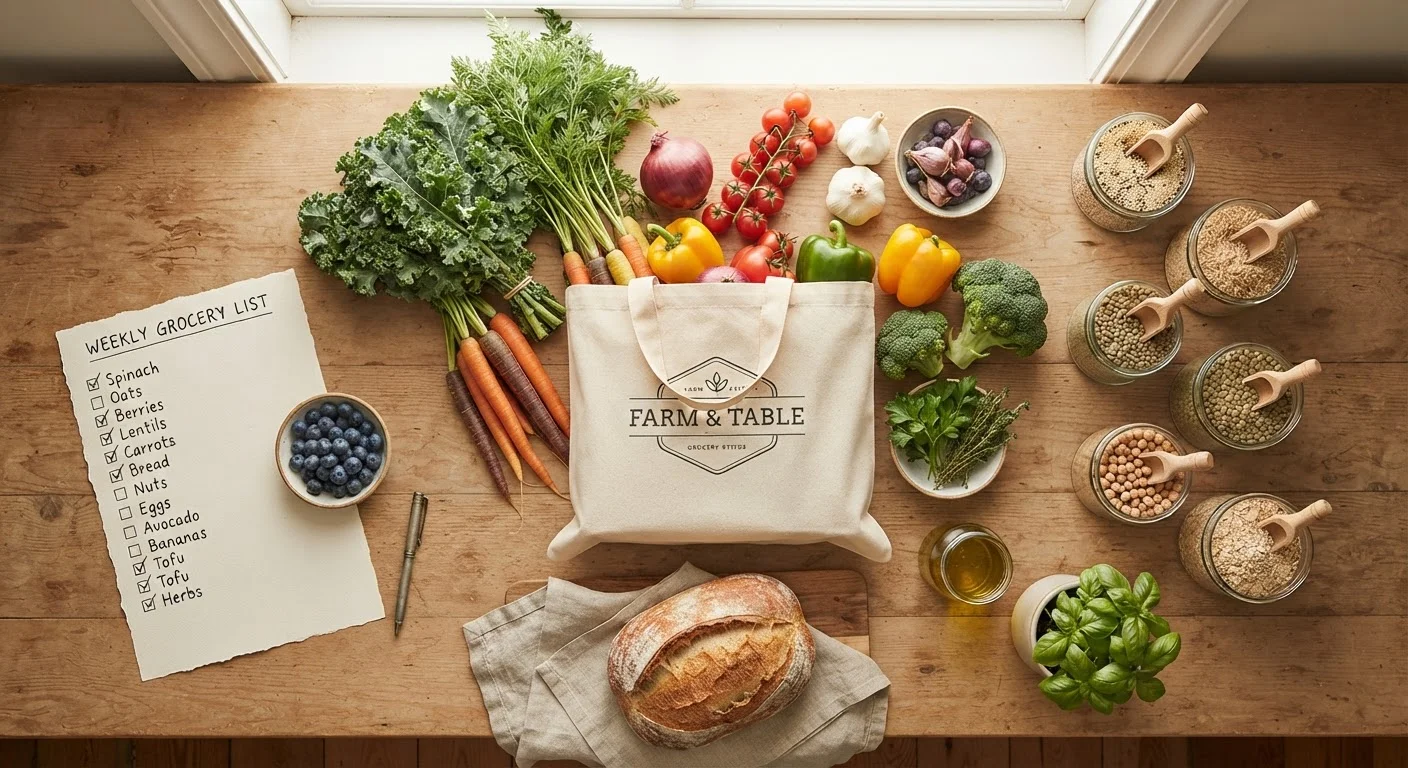
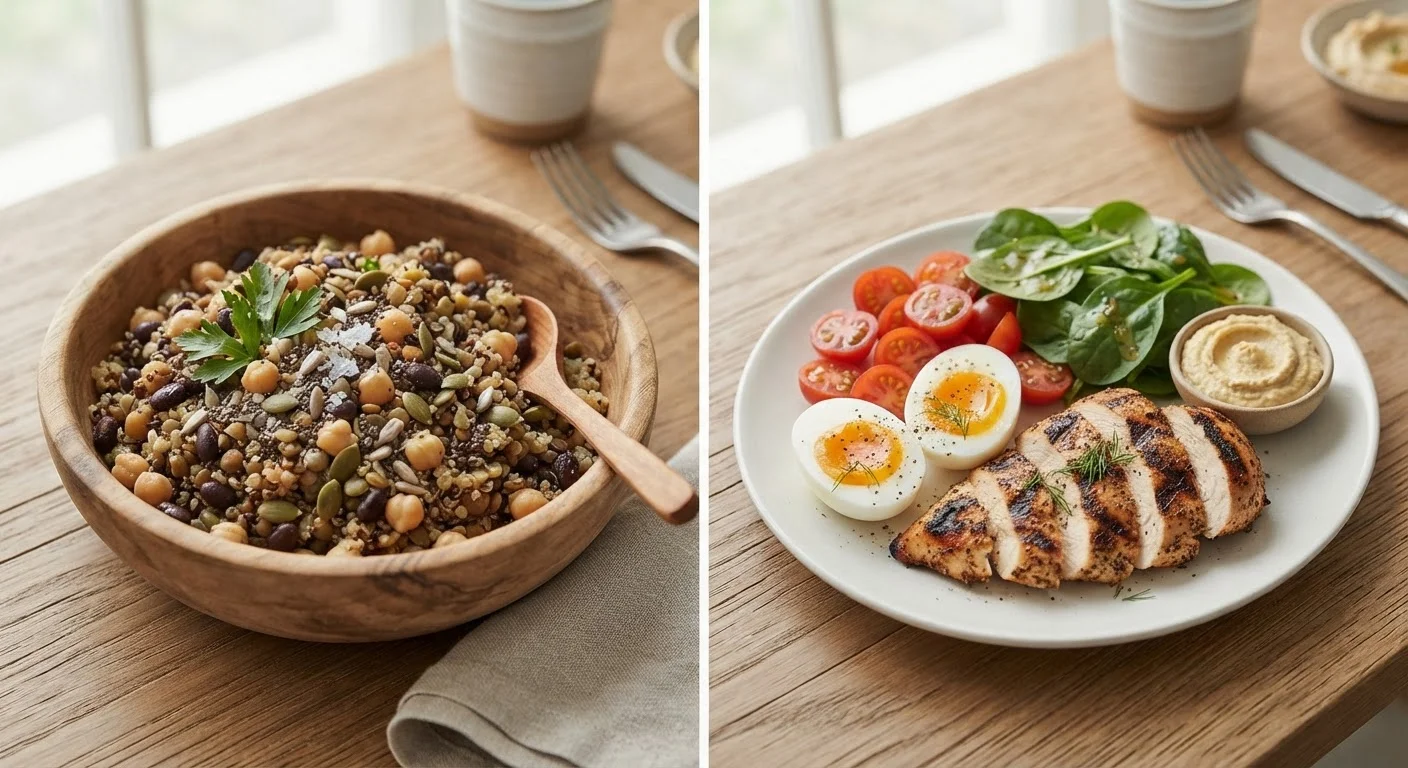
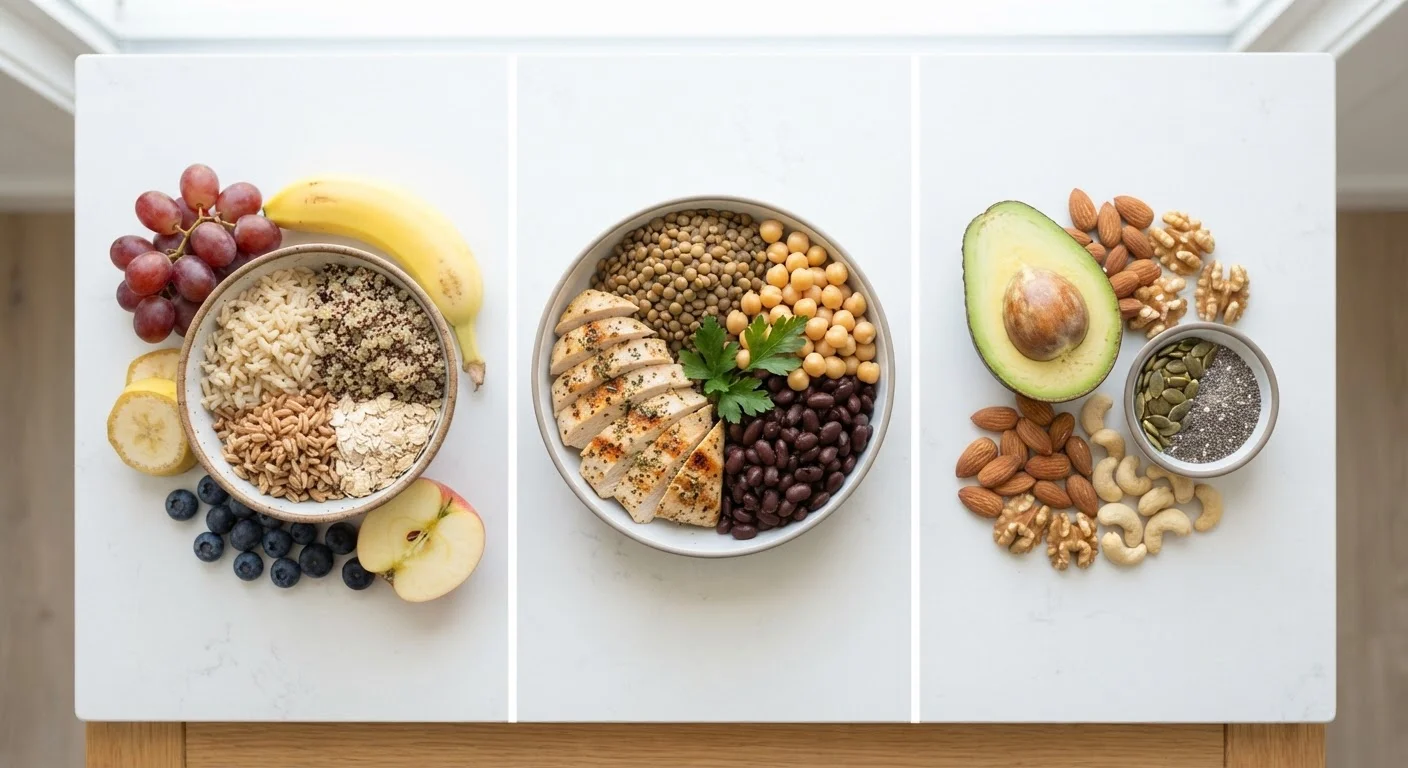
Building your meals around whole foods - vegetables, fruits, whole grains, legumes, and lean proteins - gives you a reliable nutritional base. From there, incorporating lightly processed items for convenience (frozen edamame, canned chickpeas, plain yogurt) is entirely reasonable. Our grocery shopping guide offers a practical pre-shop checklist to help you navigate labels and plan balanced meals.
If you're building out the protein side of your plate, it's also worth understanding how different protein sources compare. Our piece on plant-based vs. animal protein breaks down amino acid profiles and bioavailability in plain terms. And for a broader picture of what your macronutrients are actually doing, see our overview of what carbs, protein, and fat do.
| Criterion | Whole Foods | Processed Foods |
|---|---|---|
| Definition | Minimally altered from natural state | Any food changed from original form |
| Fiber content | Generally high | Varies; often low in ultra-processed |
| Added sugars | Naturally none or minimal | Varies; often high in ultra-processed |
| Sodium levels | Naturally low | Varies; can be very high |
| Shelf life | Shorter; requires fresh storage | Often longer; convenient to store |
| Cost and accessibility | Can be higher; seasonal variability | Often lower; widely available |
| Nutrient density | Typically high | Ranges from moderate to low |
This article is for general informational and educational purposes only and does not constitute medical or dietary advice. For guidance tailored to your health needs, please consult a registered dietitian or qualified healthcare professional.