Why Pre-Session Prep Makes a Real Difference
Animal behavior science consistently shows that learning happens best under specific conditions - when an animal is alert but not overstimulated, mildly hungry but not distressed, and in a familiar, low-distraction environment. That's not just theory. It translates directly into what you experience when training your dog, cat, or other companion animal at home.
Most training frustrations - a pet that seems to "forget" what it learned yesterday, or one that keeps getting distracted - often trace back to conditions that weren't set up for success. This checklist helps you address those conditions before a single cue is given.
Think of it like adapting your training approach as your pet grows: the fundamentals matter at every stage. A few minutes of preparation can make the difference between a productive five-minute session and a frustrating twenty-minute one.
Your Pet's Readiness
The Environment
Your Supplies
Your Own Readiness
What to Have Ready Before You Begin
Scrambling for treats mid-session or realizing your clicker is in another room breaks your pet's focus and yours. Having everything within reach before you start removes unnecessary interruptions.
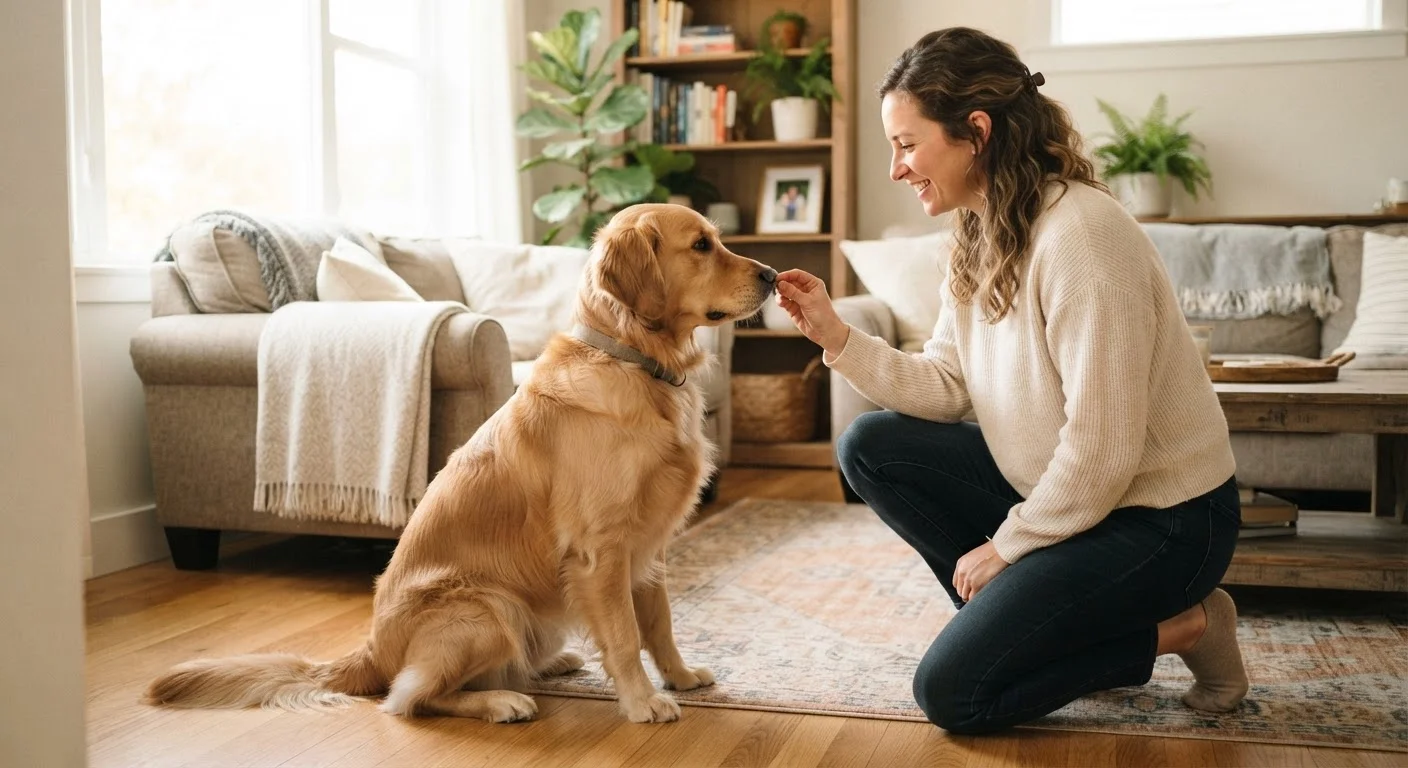
Small, Soft Training Treats
Used as immediate reinforcement; soft treats are consumed quickly so they don't interrupt session flow.
Clicker or Verbal Marker
Marks the exact moment your pet performs the desired behavior, making reinforcement more precise.
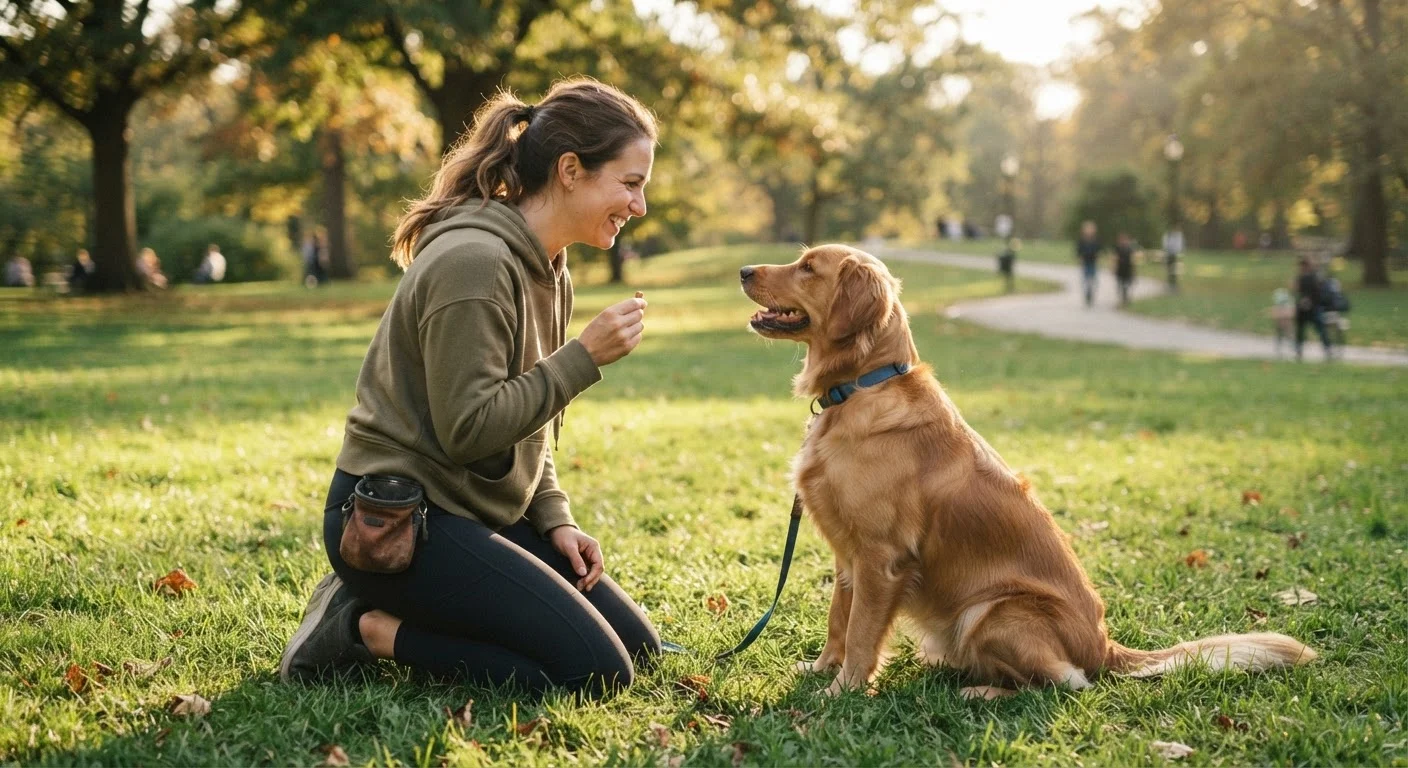
Treat Pouch or Small Bowl
Keeps treats accessible and off the floor so you can reward quickly without losing your pet's attention.
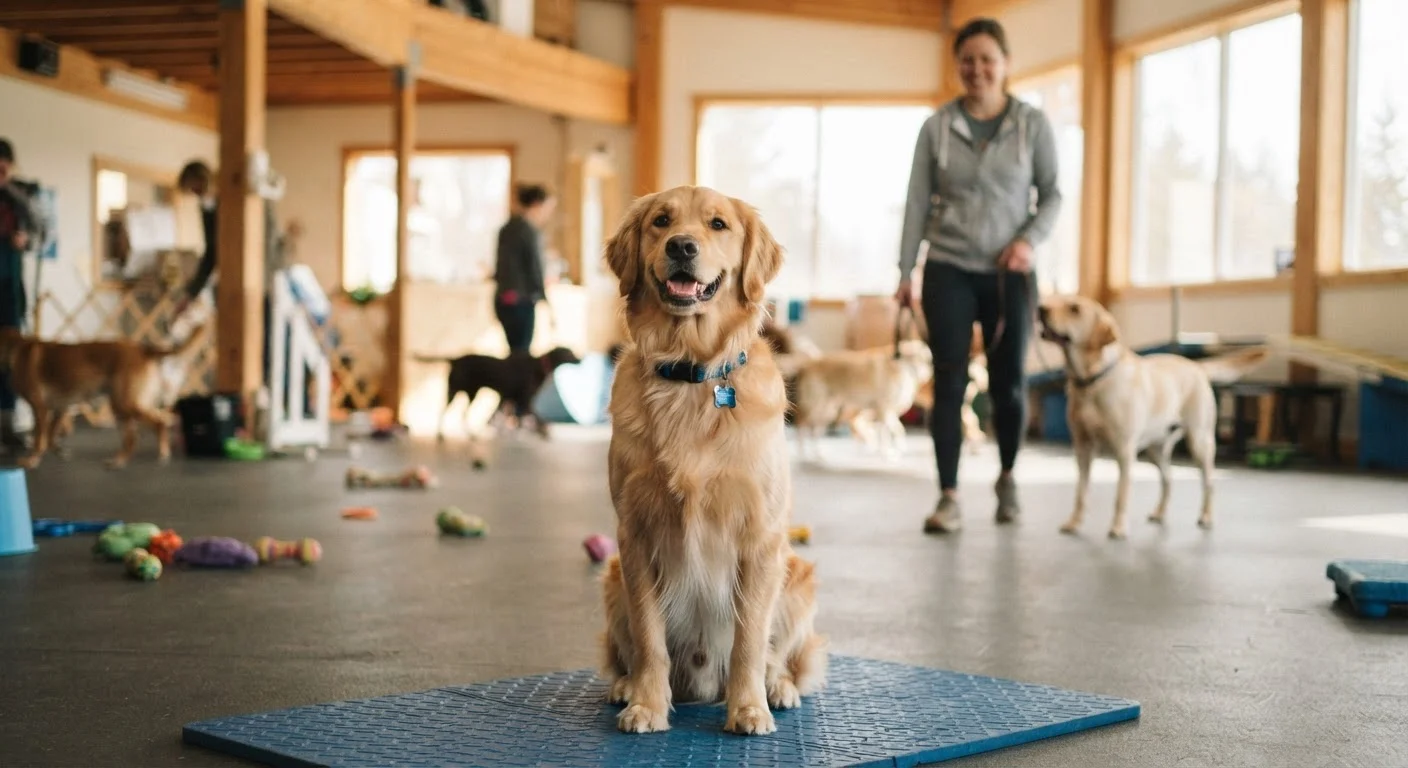
Training Mat or Defined Spot
Gives your pet a physical anchor point, which helps with stationary behaviors and builds consistency.
Training Log (Notebook or App)
Helps you track what was practiced, what succeeded, and where to pick up next session.
If you're weighing different training formats, our guide to group classes vs. private training can help you understand which environment best suits your dog's needs and temperament.
Avoid Training Through Stress or Pain
If your pet is showing signs of physical discomfort, fear, or chronic stress, pushing through a training session can worsen the underlying issue and erode trust. These signs include persistent avoidance, trembling, growling, or sudden changes in behavior. Pause training and consult your veterinarian or a certified professional animal trainer before continuing.
After the Session: A Quick Reset
What you do immediately after a session matters too. End while your pet is still succeeding - stop on a win, not a struggle. Give a clear release cue so your pet understands the session is over, then offer calm praise or a brief play break.
Building a consistent post-session routine supports the kind of regular health habits that pay off over time. Tracking what you practiced in a simple notebook or phone note also helps you notice patterns - when your pet picks things up fastest, which cues need more repetition, and whether session length needs adjusting.
This article is for general educational purposes only and does not constitute professional veterinary or animal behavior advice. If your pet displays signs of anxiety, aggression, or a health concern during training, consult a qualified veterinarian or certified animal behaviorist.