What Each Format Actually Offers
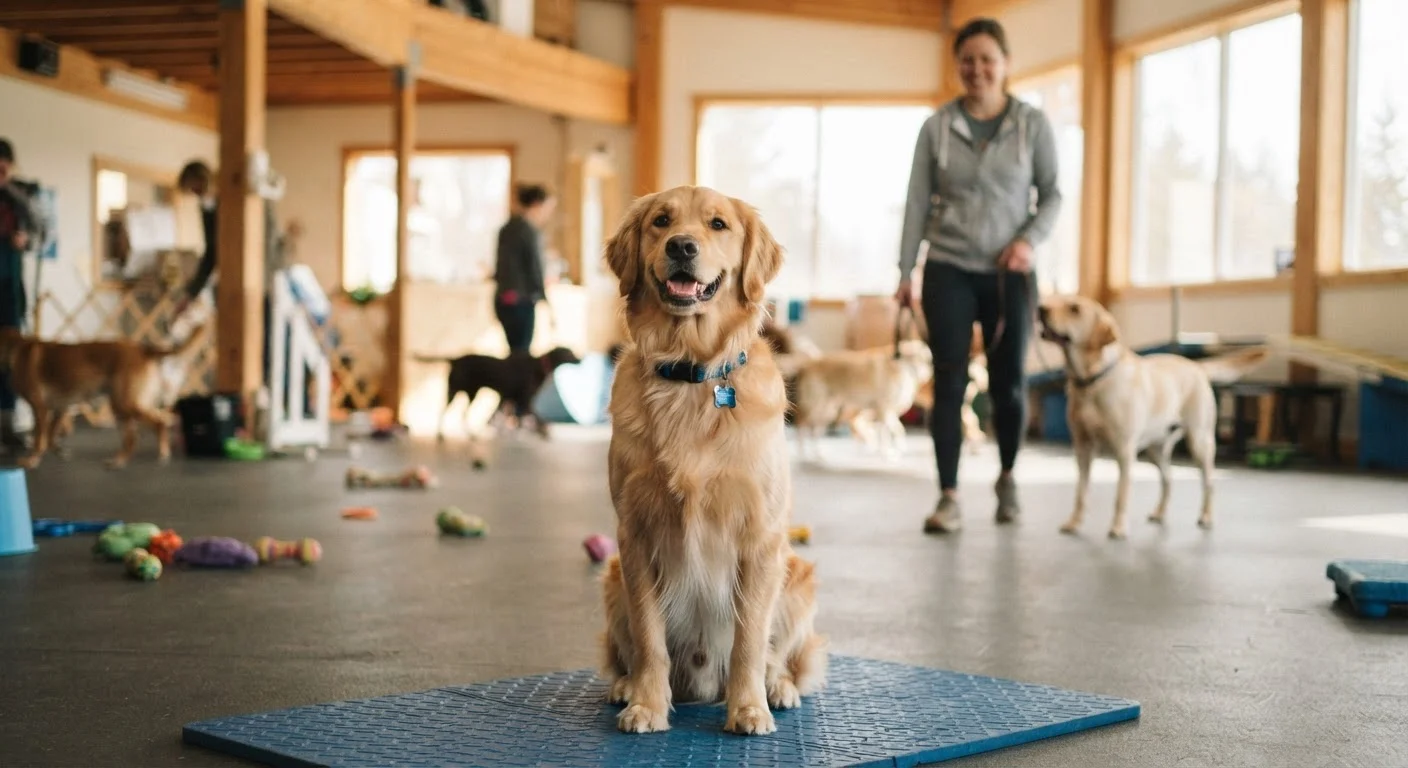
Group classes typically involve a trainer leading several dog-and-owner pairs through exercises in a shared space. Sessions usually run four to eight weeks, covering foundational cues like sit, stay, come, and leash manners. The shared environment is intentional: dogs practice skills amid real distractions, and owners learn alongside one another.
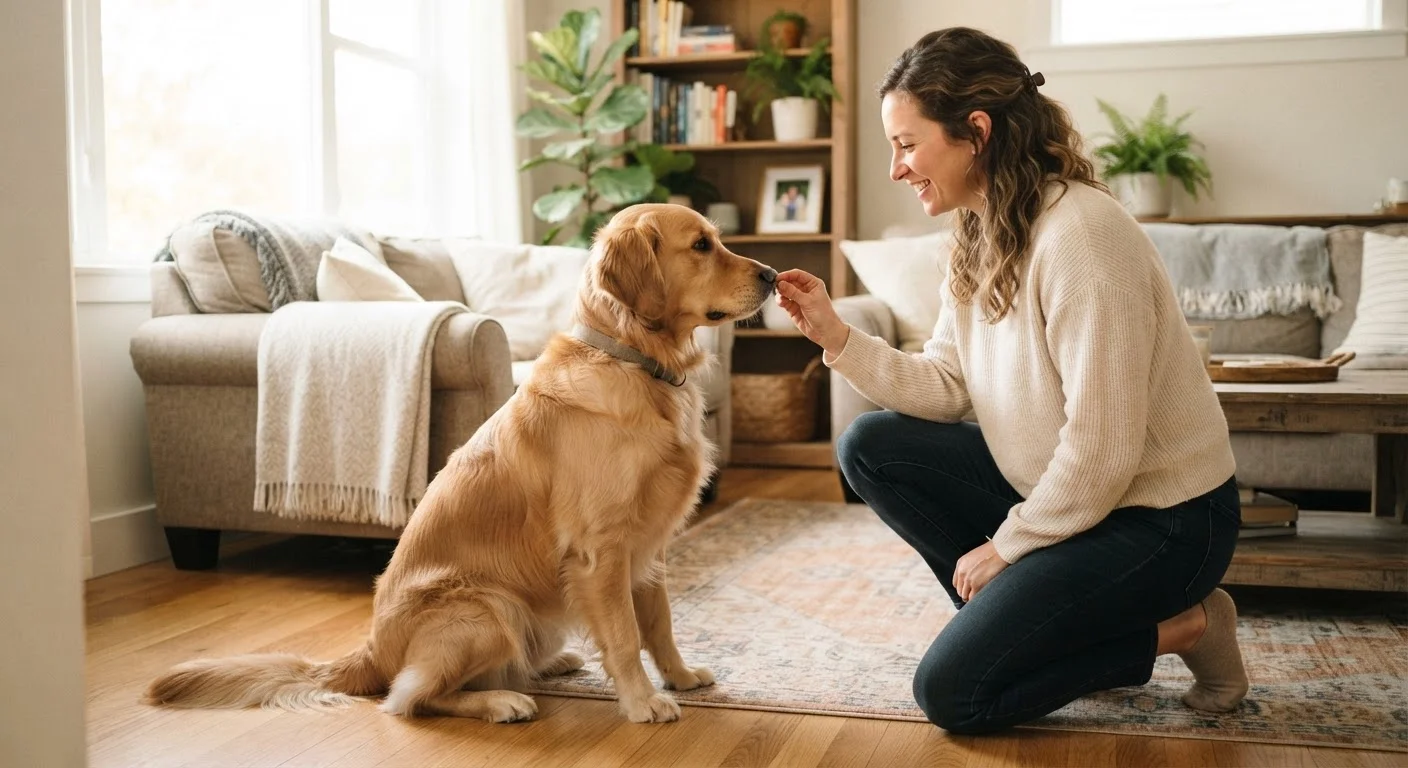
Private training, by contrast, pairs you and your dog with a trainer one-on-one - either in your home, a training facility, or another setting. The trainer designs the plan specifically around your dog's history, temperament, and the issues you're working through. Sessions move at your dog's pace, not a group's pace.
Both formats rely on the same underlying behavioral science. What differs is the structure, the environment, and who gets the trainer's attention. For a deeper look at how training methodology shapes outcomes, see our article on positive reinforcement vs. correction-based training.
When Group Classes Are the Right Call
Group classes shine in two scenarios: puppies who need controlled socialization, and adult dogs who are already reasonably comfortable around people and other animals but need to sharpen their manners.
Exposure to other dogs, unfamiliar humans, and environmental stimuli during a puppy's socialization window - generally up to around 16 weeks - is valuable for long-term behavioral health. A well-run group class provides that exposure in a structured, supervised setting.
Group classes also give owners a shared learning experience. Watching how other handlers cue their dogs, seeing common mistakes corrected in real time, and getting low-stakes repetitions builds handler confidence quickly. For owners who are themselves beginners, this peer context is genuinely useful.
| Group Classes | Private Training | |
|---|---|---|
| Cost per session | Generally lower | Generally higher |
| Socialization opportunity | Built into format | Minimal or none |
| Trainer attention | Shared among group | Fully focused on your dog |
| Best for reactive dogs | Not recommended | Well suited |
| Schedule flexibility | Fixed class schedule | More flexible timing |
| Customization | Standardized curriculum | Tailored to your dog |
| Handler learning curve | Peer learning benefits | Direct, personalized coaching |
Cost is another practical factor. Group sessions typically cost less per session than private appointments, making consistent, multi-week training more financially accessible.
When Private Training Makes More Sense
If your dog shows fear, reactivity toward other dogs or strangers, resource guarding, or any behavior that could escalate in a group setting, private training is the safer and more effective choice. Putting a reactive dog into a group class before those issues are addressed can worsen the behavior - the environment becomes overwhelming rather than educational.
Private training is also better suited when the specific problem is tied to your home environment: separation anxiety, jumping on visitors, or counter-surfing are all behaviors that are easier to address where they actually occur.
Ask for a Behavioral Assessment First
Before enrolling in either format, ask the trainer to do a brief assessment of your dog's current behavior and comfort level. A responsible trainer will use that information to recommend the right starting point - whether that's a group class, private sessions, or a combination of both. This step can save you time and prevent your dog from being placed in an environment that sets them back.
Owners with physical limitations, very young children at home, or demanding schedules may also find the flexibility of private sessions more practical. A trainer who comes to your space removes a significant logistical barrier.
As your dog progresses through training, the right format may shift. Keeping sessions productive across different learning stages is worth reading as your dog advances past the basics.
How to Evaluate Any Trainer, Regardless of Format
The format is secondary to the quality of the trainer delivering it. A few things to look for regardless of whether you choose group or private:
- Methodology: Look for trainers who use reward-based, positive reinforcement methods. Animal behavior research consistently supports these approaches as effective and humane.
- Credentials: While dog training is not a licensed profession in the US, certifications from recognized organizations (such as the Certification Council for Professional Dog Trainers) indicate that a trainer has met an established competency standard.
- Transparency: A trustworthy trainer will explain what they're doing and why, invite your questions, and not pressure you into long-term packages before you've had a chance to evaluate their approach.
- Fit for your dog: A good trainer assesses your individual dog before making recommendations. Be cautious of one-size-fits-all programs.
Before any session, setting the right conditions helps your dog absorb learning more effectively. Our training session readiness checklist walks through the practical steps.
Using Both Formats Strategically
Many dogs benefit from a combination approach at different points in their development. A common path: start with private training to address any foundational reactivity or fear responses, then transition into a group class once the dog has the emotional steadiness to learn in a shared environment.
Alternatively, some owners use group classes to build basic skills and then bring in a private trainer to work through one specific issue that group sessions can't address individually - like door-bolting or leash pulling in high-distraction settings.
The decision isn't permanent. Reassess based on how your dog is progressing, what new challenges arise, and how confident you feel handling your dog in different situations. For broader context on your dog's overall health and development, the Pet Health & Wellness hub is a useful ongoing resource.