Why One-Size Training Doesn't Fit All Stages
A pet that just learned its first cue needs something very different from one that can heel through a crowded park. Applying the same structure and expectations regardless of your pet's learning stage is one of the most common reasons owners feel stuck. Animal behavior science divides skill acquisition into broadly recognized phases - novice, fluency-building, and generalization - and what works in one phase can actually interfere with progress in another.
The good news is that recognizing where your pet currently sits isn't complicated. It comes down to two questions: How reliably does your pet respond to a cue in a calm environment? And how well does that behavior hold up when conditions change? Those two indicators will tell you whether your sessions need to look more like gentle introductions or structured challenges. Before diving in, it also helps to check the basics - see our simple readiness checklist to confirm conditions are set up for learning success.
Training the Beginner Pet: Building Confidence First
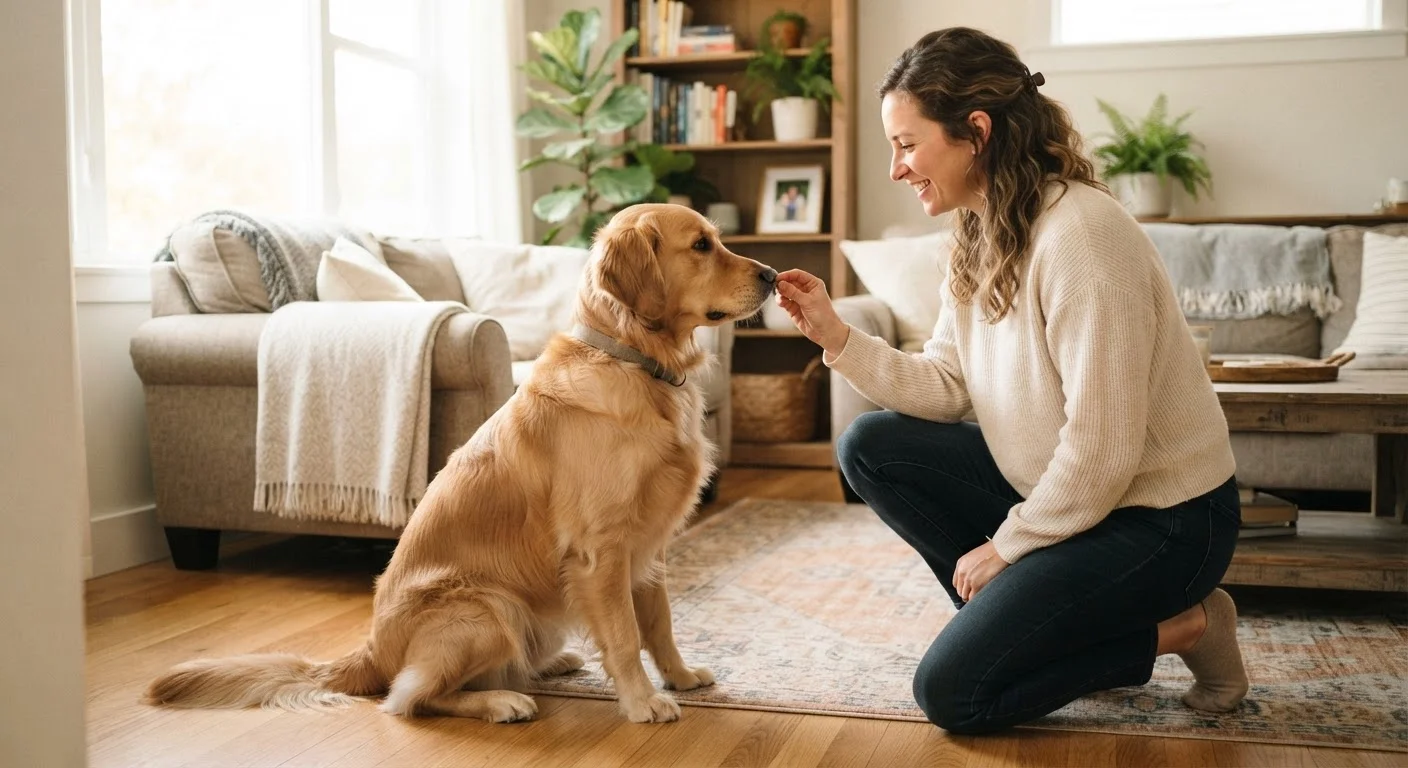
In the earliest stage, your pet is forming its first associations between a cue, a behavior, and a reward. The priority here is not precision - it's positive momentum. Sessions should be short (three to five minutes), focused on one behavior at a time, and heavily rewarded. Frequent reinforcement at this stage is not spoiling; it's the signal clarity your pet needs to understand what earns a reward.
Common mistakes at this stage include asking for too much too soon, training for too long, or introducing distractions before the behavior is solid in a quiet environment. Avoid these patterns - our guide on habits that quietly slow progress covers them in detail. Keep criteria clear, keep sessions short, and end every session before your pet disengages.
Building Fluency: The Intermediate Stage
Once a pet responds to a cue correctly around 80% of the time in a calm environment, it has crossed into the intermediate stage. Here, the goal shifts from learning what to do to doing it more reliably and faster. This is where variable reward schedules become useful - rewarding every third or fifth correct response rather than every single one strengthens the behavior over time, similar to how learned habits consolidate in humans.
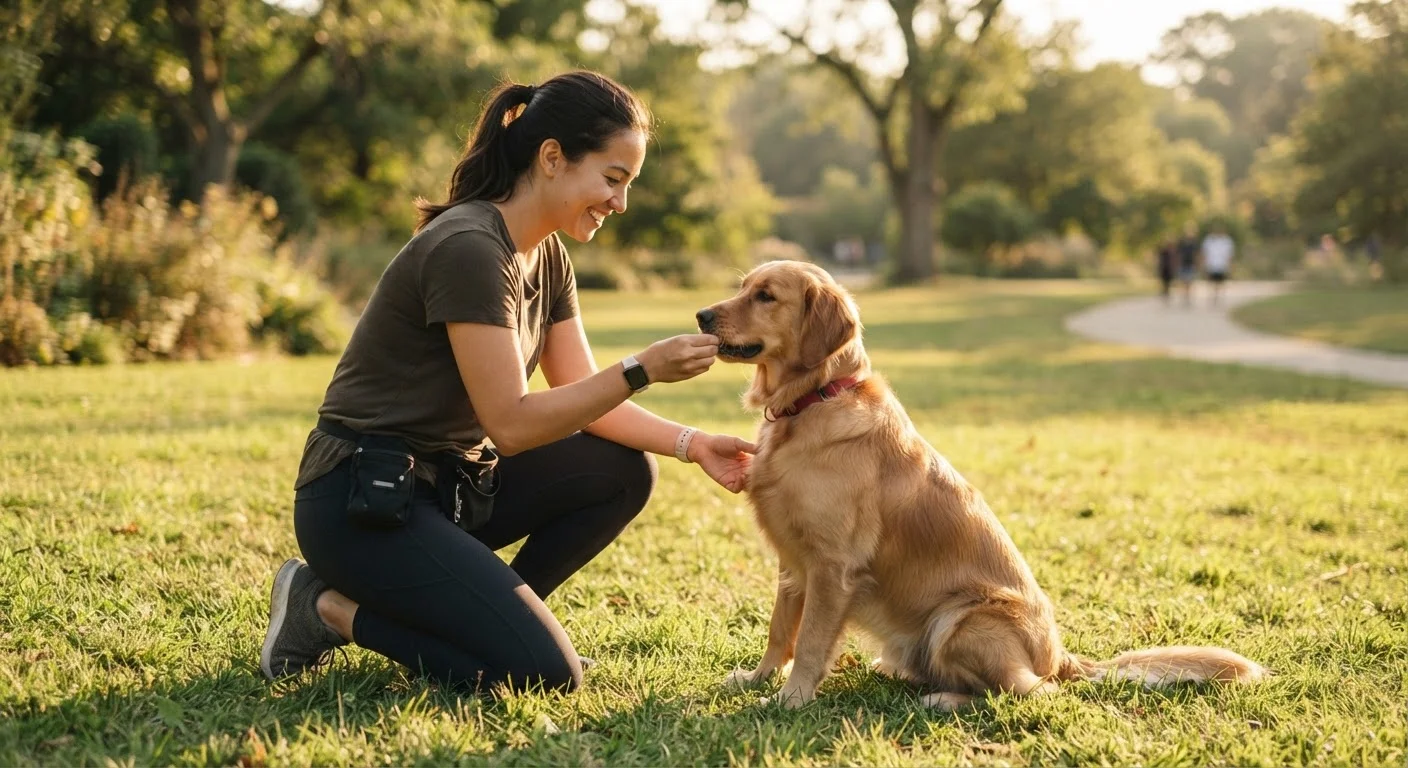
You can also begin layering in mild distractions: a TV on in the background, training in a different room, or practicing in the backyard instead of indoors. The key is to increase difficulty in only one dimension at a time - duration, distance, or distraction - never all three together. If your pet starts failing more than 20% of the time, you've moved too fast. Step back one level and rebuild from there.
“Learning is not a linear process. Consolidation, regression, and sudden breakthroughs are all normal parts of skill acquisition - in animals as much as in people.”
— Dr. Susan Friedman, Behavior analyst and applied animal behavior educator
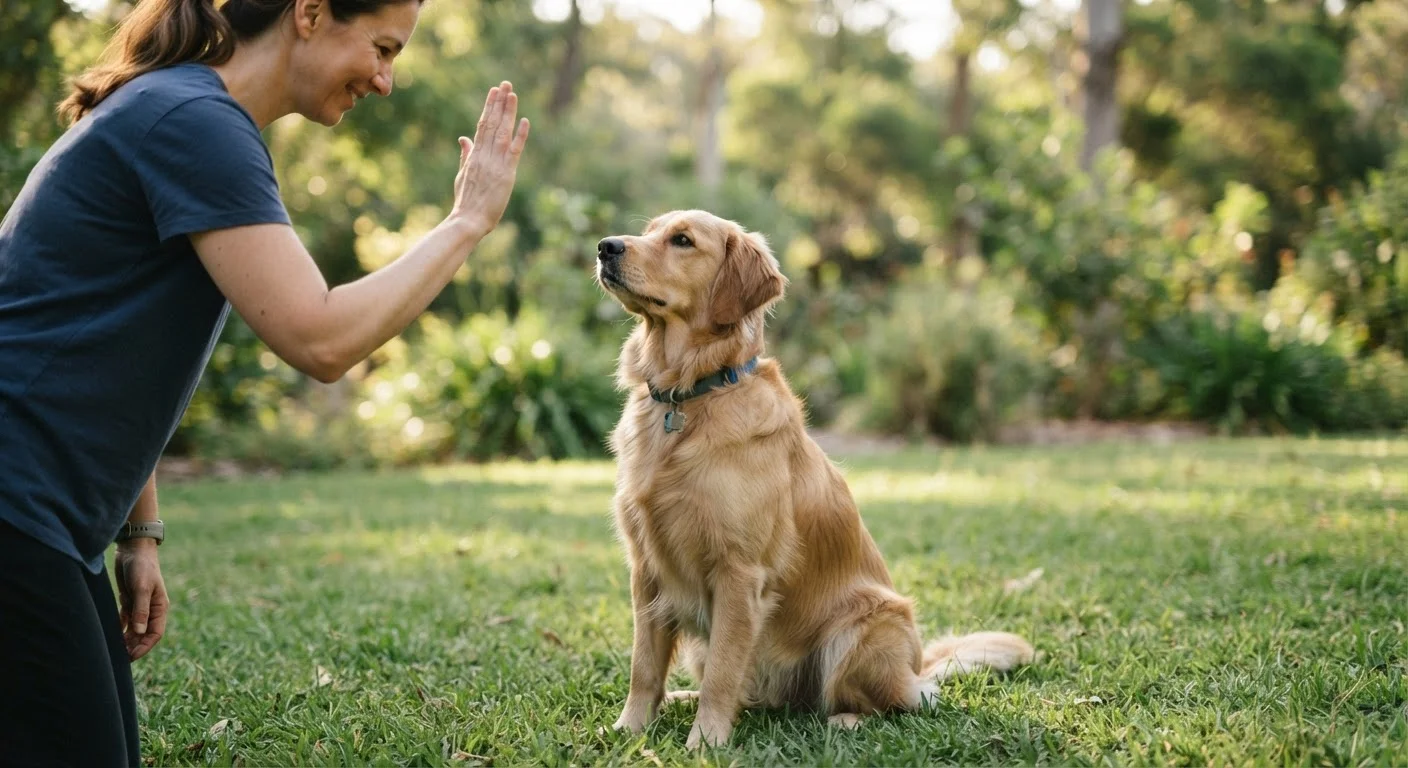
For skills that require multiple components - like a solid stay - breaking the skill into layers is more effective than drilling the full behavior repeatedly.
The Advanced Stage: Generalization and Real-World Reliability
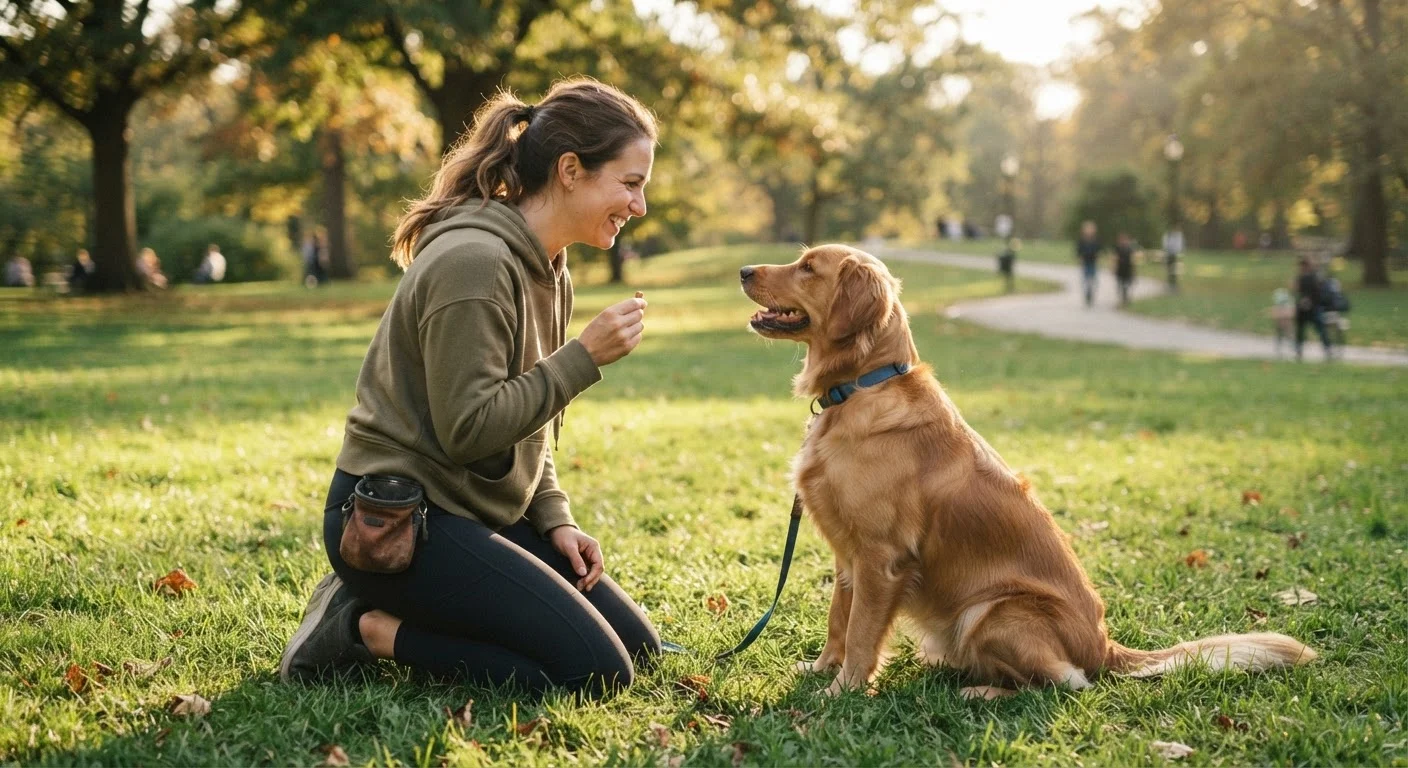
A behavior isn't truly learned until it works outside the training environment. Generalization - the ability to perform a known cue in new settings, with new people, around new animals - is the hallmark of the advanced stage. This is often where owners are surprised that a dog who performs perfectly at home seems to forget everything at the dog park. That's not defiance; it's normal neuroscience. Each new context is, in part, a new learning task.
At this stage, your sessions can be longer and more varied. Incorporate real-life scenarios: ask for a sit before meals, a recall before a leash goes on, a down-stay while you open the front door. Novelty keeps advanced learners engaged, and practical contexts make behaviors durable. If you're wondering whether group settings or one-on-one work fits your dog's current level, our overview of group classes vs. private training can help you decide.
The Constant Across Every Stage: Consistency and Clarity
Regardless of where your pet is in its learning journey, two principles never change. First, your cues must be consistent - the same word, the same gesture, every time. Inconsistent signals are one of the leading causes of slow progress. Second, timing matters: a reward delivered within one to two seconds of the desired behavior is far more informative than one given a few seconds later, when your pet may have already moved on to something else.
You can use either a clicker or a verbal marker to pinpoint the exact moment of success - both are effective when used consistently. See our comparison of clicker training vs. verbal markers if you're deciding which approach fits your routine. Whatever tools you choose, the relationship between clarity, timing, and reward is the engine that drives progress at every stage.
This article is for general educational purposes and is not a substitute for personalized guidance from a certified animal behaviorist or professional dog trainer. If your pet displays fear, aggression, or persistent learning difficulties, consult a qualified professional.