Why Socialisation Shapes Everything
Socialisation is the process of helping your pet build positive associations with the world around them - people, animals, sounds, surfaces, and environments. Done well, it shapes a pet's baseline temperament for life. A well-socialised dog or cat is easier to manage at the vet, calmer around guests, and more adaptable when routines change.
There is a developmental window - especially in puppies - when new experiences have the most lasting impact. But socialisation isn't a one-time checklist; it's an ongoing practice. See our guide to the puppy socialisation window for a closer look at that critical early period.
The core principle: your pet should encounter something new, feel safe, and move on having learned that the world is generally fine. That's the entire goal - repeated, consistently, over time.
The Core Principles That Actually Work
Most socialisation mistakes come from doing too much too fast, or misreading a pet's stress signals as stubbornness. These practices keep the process effective and humane.
Start with low-intensity versions of each new experience
Throwing a pet into a busy, loud, or crowded situation before they're ready creates fear associations that can be hard to undo. Beginning with a quieter version of the stimulus lets them process it without becoming overwhelmed. Graduated exposure builds genuine confidence rather than suppressed anxiety.
Always pair new experiences with something your pet already enjoys
Pairing a neutral or unfamiliar stimulus with a high-value reward - treats, calm praise, play - helps the pet's brain form a positive association. This is the basis of counter-conditioning, a method well-supported by animal behaviour research.
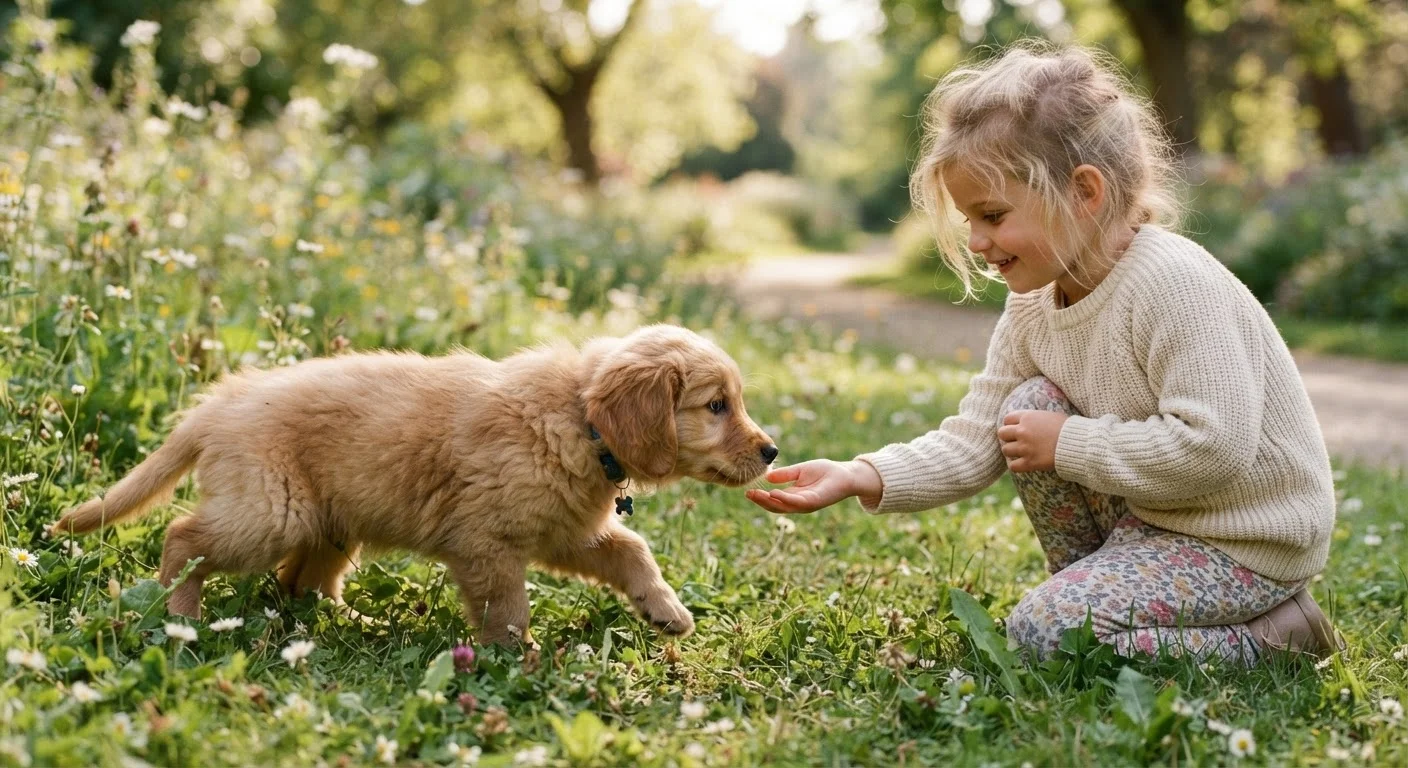
Let your pet choose to approach rather than forcing contact
When pets have agency over an interaction, they're more likely to feel safe and curious rather than defensive. Forcing a pet toward something they're avoiding can backfire significantly, reinforcing that the thing is indeed something to fear.
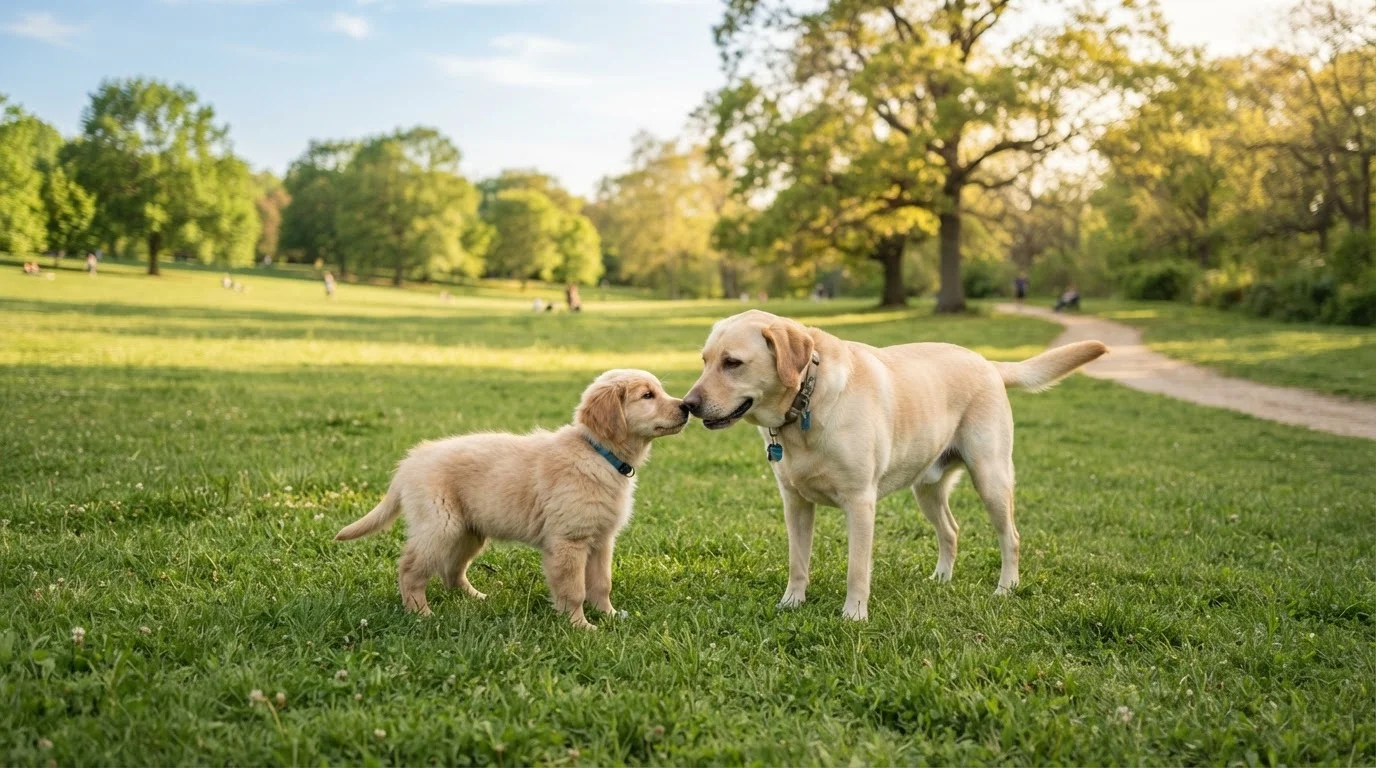
Vary the people, environments, and sounds your pet encounters regularly
Exposure to a single friendly person doesn't generalise automatically - pets need experience with a range of voices, appearances, movement styles, and settings for socialisation to transfer broadly. Variety is what builds genuine adaptability.
Keep early sessions short and end on a positive note
Long or exhausting exposure sessions can tip into stress even if they start well. Short, positive interactions leave the pet in a good emotional state and make the next session easier. Ending while the pet is still comfortable is far more effective than pushing to a stopping point of overwhelm.
Be consistent across all household members and caregivers
If one person reinforces calm, confident behaviour while another pushes the pet past their comfort zone, progress stalls or reverses. Pets learn from patterns, not individual interactions.
Quick Actions You Can Take This Week
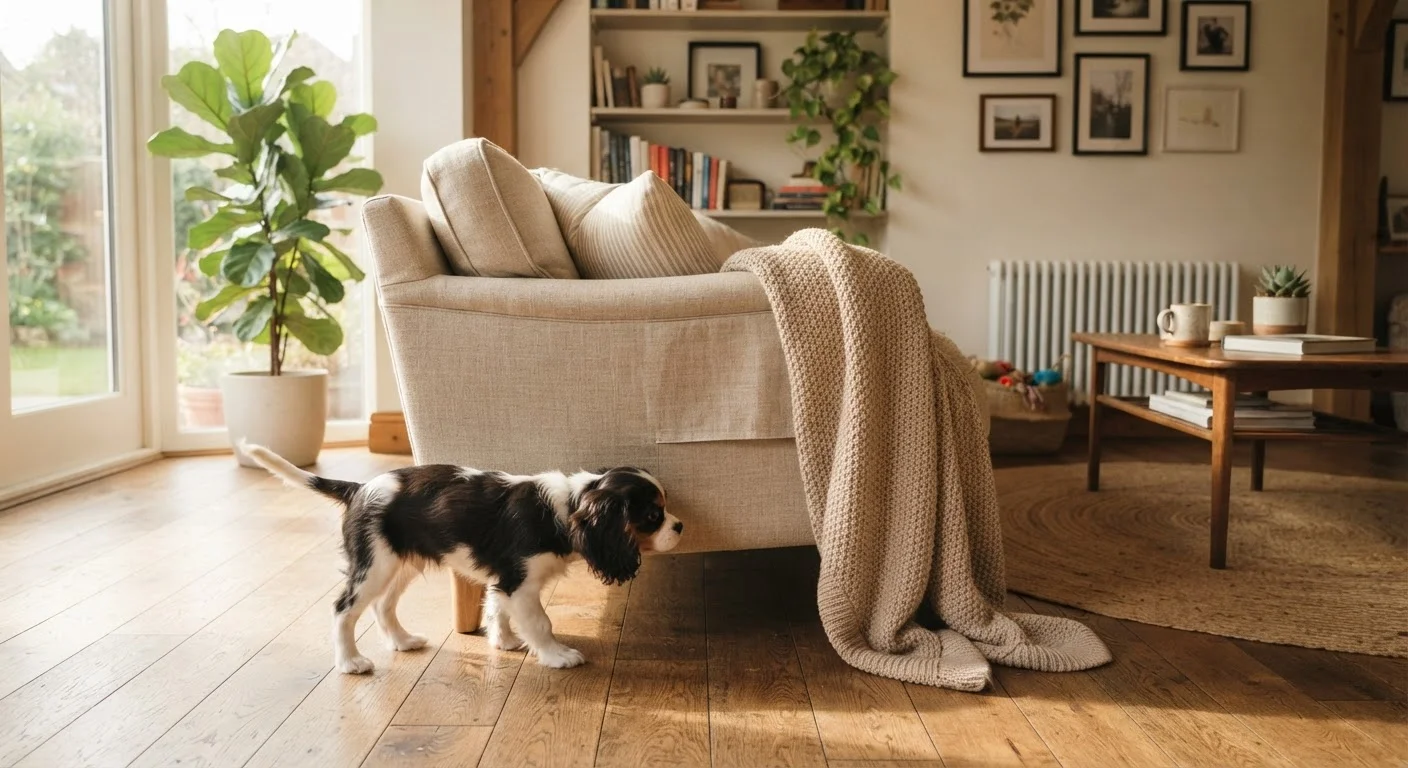
You don't need a formal training programme to start building your pet's confidence. Many of the most effective socialisation experiences happen during everyday life - a walk, a visitor, a new surface underfoot. The key is intentionality: notice what's new for your pet and make it a positive moment.
For a broader picture of how socialisation fits into your pet's first weeks, see our article on what to expect in your first week with a new pet.
Reading Your Pet's Body Language
Effective socialisation depends on knowing when to push gently forward and when to pause. A pet that is coping well will show loose, relaxed posture, willingness to sniff and explore, and a return to normal behaviour quickly after something surprising. Signs that your pet is overwhelmed include yawning, lip-licking, tucked tail, flattened ears, freezing, or trying to hide.
Socialisation Is Not the Same as Training
Socialisation and obedience training are related but different things. Training teaches specific behaviours like 'sit' or 'stay.' Socialisation builds the emotional foundation that makes all training easier. A pet that is comfortable in the world learns new skills faster and responds more reliably. Both matter, but socialisation tends to have the longer-lasting effect on temperament.
If your pet consistently shows strong fear responses - trembling, aggression, refusal to eat in new situations - consult a veterinarian or a certified animal behaviourist. These reactions can sometimes point to underlying anxiety that benefits from professional guidance. You can find more foundational pet health context in our pet health starting point for new owners.
Socialisation is most effective when it respects the individual animal. Every pet has a different threshold, and that's entirely normal. Patience, observation, and consistency will take you further than any single training session ever could.
For more on structuring daily life in a way that supports calm, confident behaviour, see our guide to building a daily routine your pet can rely on.